


Seema Dawood: Nucleated Red Blood Cells – What They Tell Us on a Peripheral Smear
Seema Dawood, Medical Laboratory Technologist at The Aga Khan University Hospital, shared a post on LinkedIn:
“Nucleated Red Blood Cells (NRBCs): What They Tell Us on a Peripheral Smear
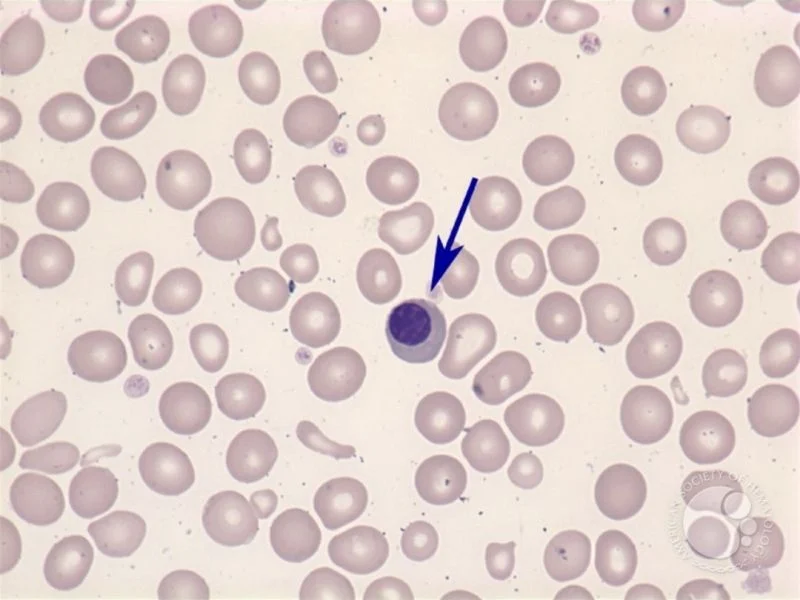
NRBCs are erythroid precursors that still carry a nucleus normally confined to the bone marrow, where they lose that nucleus before entering circulation as reticulocytes and then mature RBCs.
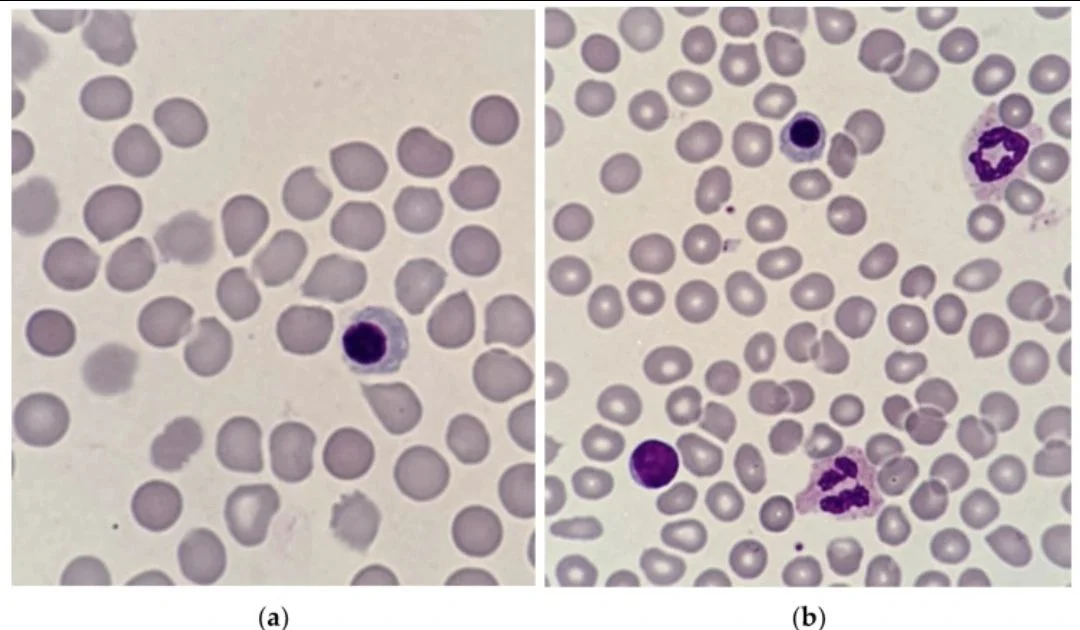
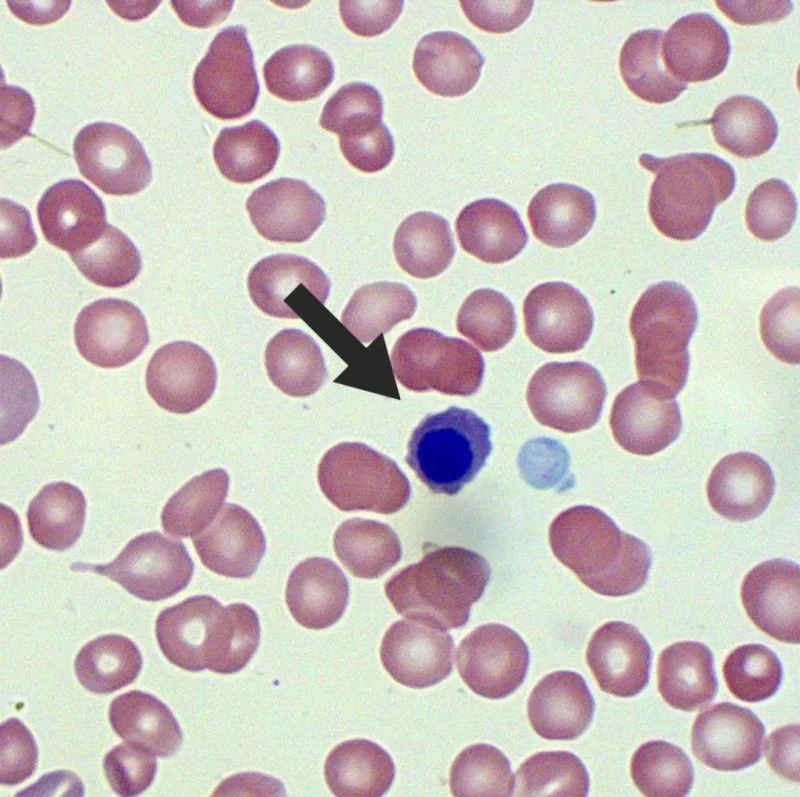
On the smear: NRBCs appear as small, round cells with condensed, dense chromatin and a thin rim of basophilic-to-eosinophilic cytoplasm, depending on maturation stage (from proerythroblast through orthochromatic normoblast).
They’re identified and counted separately from the WBC differential, since automated analyzers include them in the total leukocyte count unless corrected.
Corrected WBC count:
Corrected WBC equals (Uncorrected WBC multiplied by 100) divided by (100 plus NRBC per 100 WBCs)
Why they matter:
In healthy adults, NRBCs should not appear in peripheral blood. Their presence signals one of two things..
- Increased marrow output under stress (severe anemia, hemolysis, hypoxia)
- A disrupted blood–bone marrow barrier (myelofibrosis, marrow infiltration by leukemia, lymphoma, myeloma, or severe systemic illness)
In neonates, a degree of NRBCs is physiologic and typically clears within the first weeks of life.”
Other posts featuring Seema Dawood on Hemostasis Today.
-
Oct 16, 2026, 13:59Aya Akmal Amin: Antiphospholipid Syndrome Management and Risk Stratification
-
Oct 16, 2026, 13:10Emanuel Sueldo: CAHT 2026 Celebrates Scientific Progress and Team Achievements
-
Oct 16, 2026, 13:05Maha Othman: Queen’s Health Sciences Advances CAT Risk Models and Pediatric ISTH-BAT Cut-Offs
-
Oct 16, 2026, 13:03Thrombosis Awareness Must Lead to Timely Action – Roche
-
Oct 16, 2026, 12:49Wolfgang Miesbach: 5-Year CBDR Data Confirms Emicizumab Safety and Efficacy in Hemophilia A
-
Oct 16, 2026, 12:40Edward Lee Carter: How Factor XI Inhibition Could Transform Anticoagulation Therapy
-
Oct 16, 2026, 12:40Marc Carrier: Looking Ahead to ISTH 2027 in Vancouver
-
Oct 16, 2026, 12:30Bob Lempke: How One Blood Donation Can Save Up to Three Lives
-
Oct 16, 2026, 12:30Why VWF Therapies Belong on the EU Critical Medicines List – EHC