


Seema Dawood: Why Some Red Cells Break While Others Survive?
Seema Dawood, Medical Laboratory Technologist at The Aga Khan University Hospital, shared a post on LinkedIn:
“Why do some red cells pop early and others hang on?
The osmotic fragility test tells you.
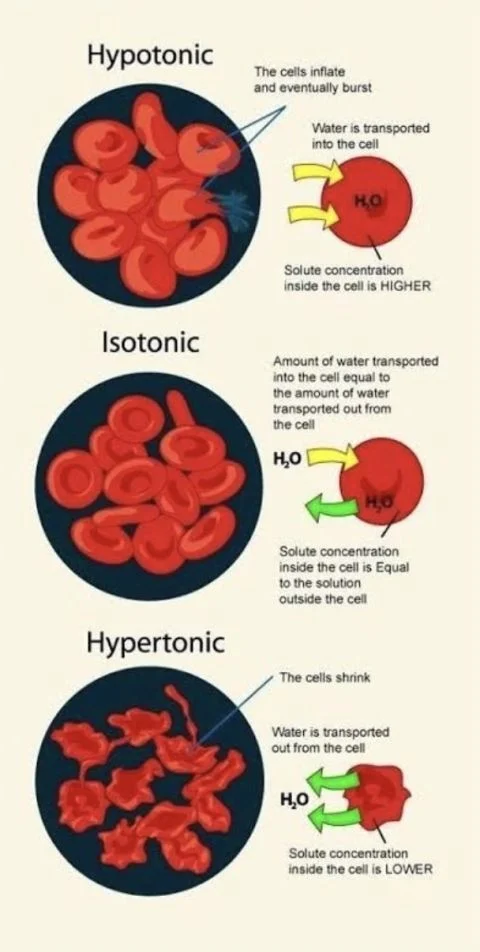
Drop a red blood cell into water and watch what happens: normal cells swell, stretch, and just hold together, thanks to their biconcave shape acting like a built-in reserve tank. Spherocytes don’t get that luxury.
Osmotic Fragility Test: Principle and Procedure
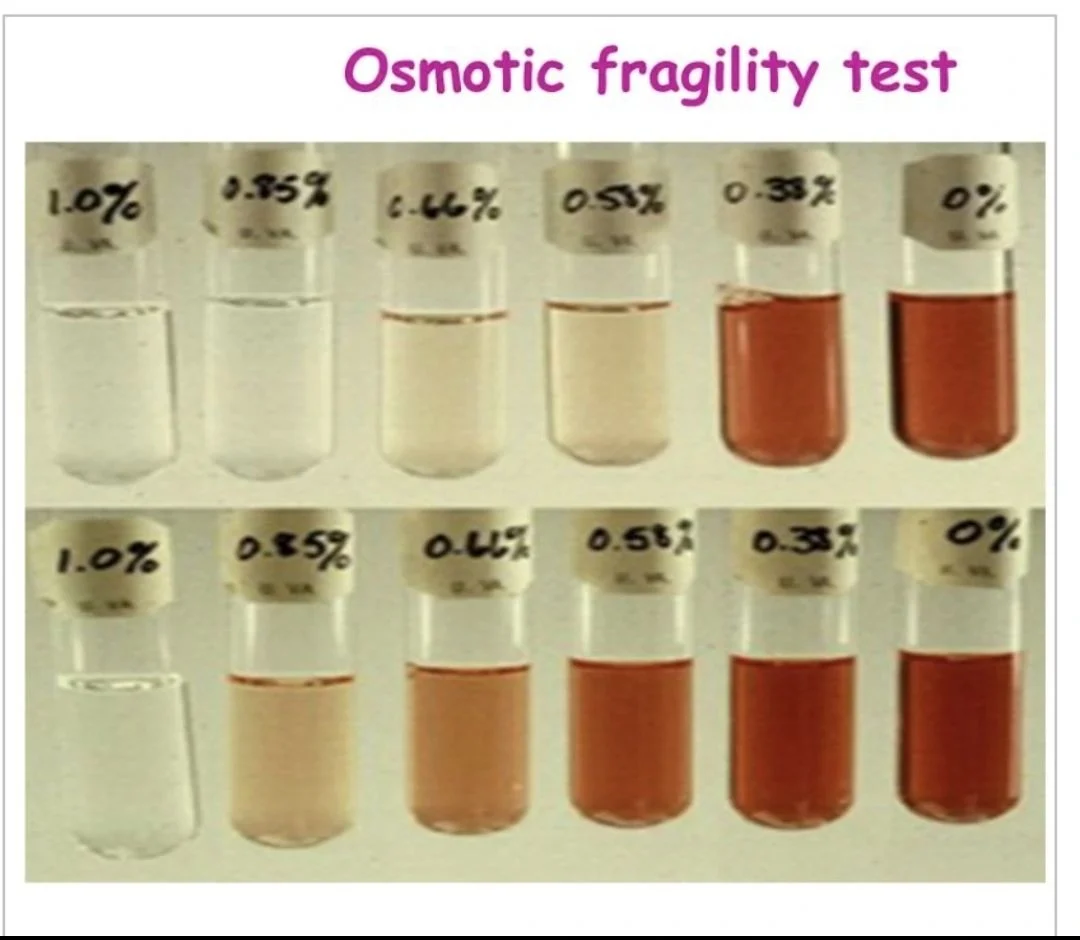
The osmotic fragility test evaluates the susceptibility of red blood cells to hemolysis when exposed to varying concentrations of hypotonic saline. It’s a key tool in diagnosing conditions like hereditary spherocytosis and other membrane disorders.
Principle:
- Normal RBCs can withstand mild hypotonic stress by swelling before lysing, due to their biconcave shape offering surface area reserve.
- Spherocytes, having lost this reserve, hemolyze at higher saline concentrations (increased fragility).
- Conversely, cells like target cells (seen in thalassemia) show decreased fragility.
Method:
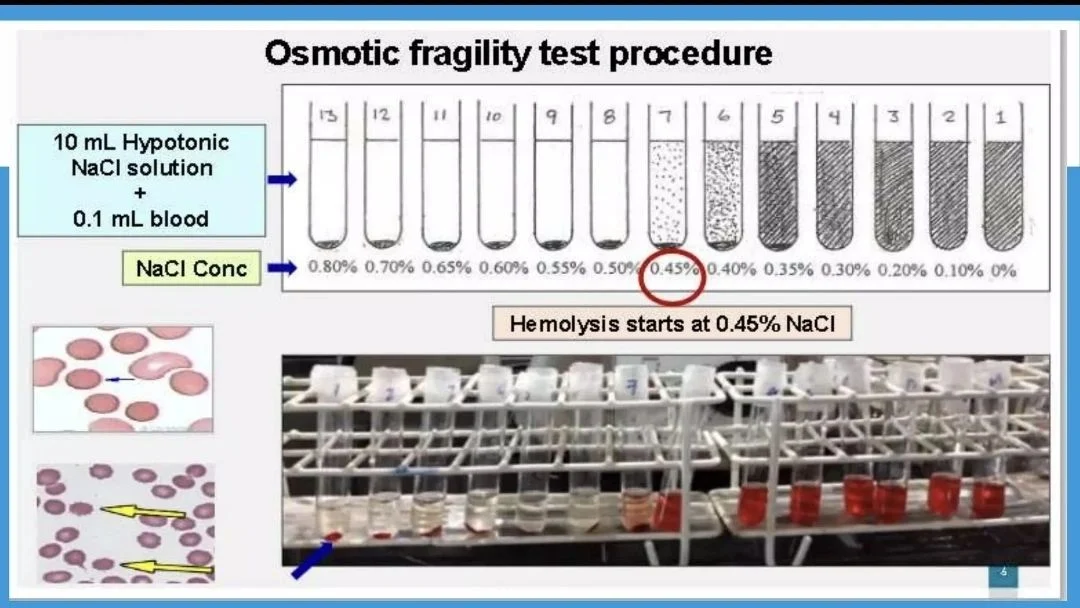
Prepare a series of test tubes with buffered saline solutions ranging from 0.9% (isotonic) down to 0.0% (distilled water), typically in graded steps (e.g., 0.1% increments).
Add a fixed volume of fresh anticoagulated blood to each tube.
- Mix gently and incubate at room temperature for 30 minutes.
- Centrifuge the tubes.
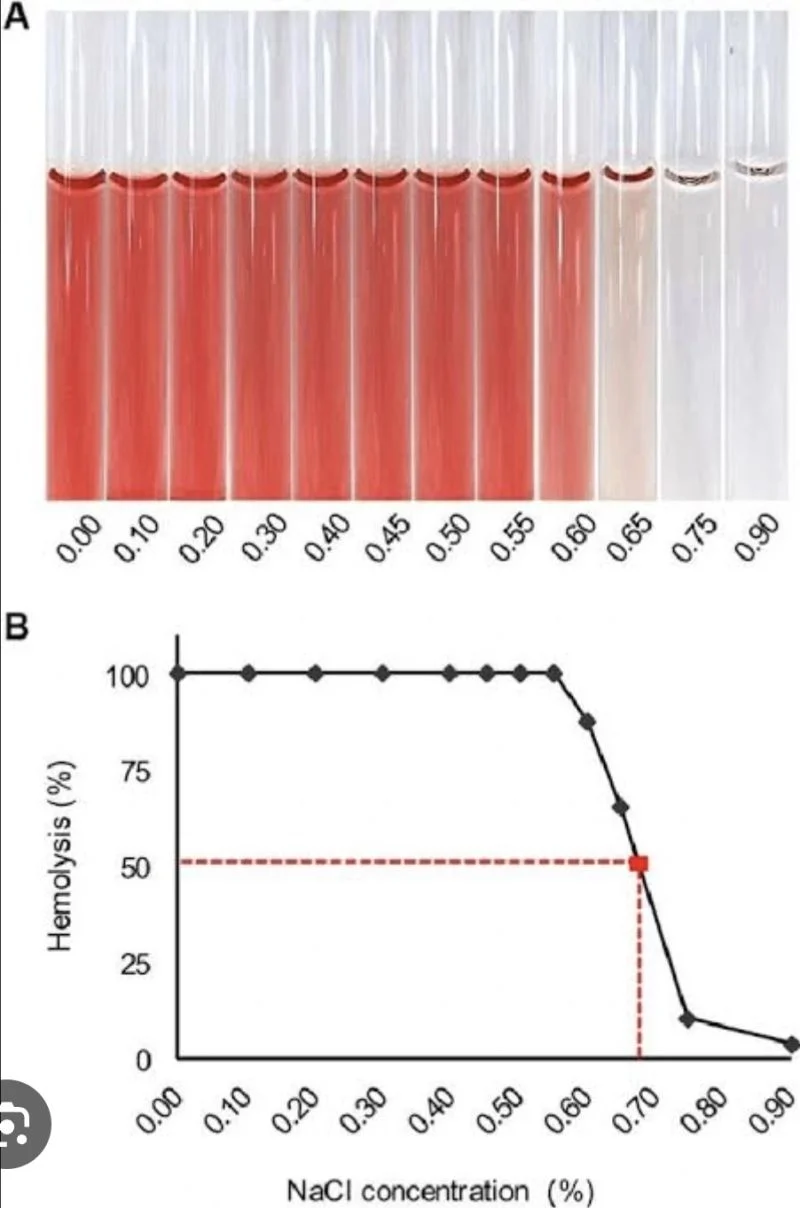
- Examine the supernatant for hemolysis visually or by measuring absorbance spectrophotometrically (540 nm).
- Calculate the percentage hemolysis at each saline concentration and plot against concentration to generate a fragility curve.
- Compare against a normal control run in parallel.
Interpretation:
- Increased fragility: hereditary spherocytosis, autoimmune hemolytic anemia
- Decreased fragility: thalassemia, iron deficiency anemia, liver disease
- A simple, low-cost test that still holds diagnostic value alongside newer methods like EMA binding and flow cytometry.”
Other posts featuring Seema Dawood on Hemostasis Today.
-
Sep 16, 2026, 04:42GNE-Related Thrombocytopenia – Novel Findings – JTH
-
Sep 16, 2026, 04:40Managing Acute Emergencies in Thalassaemia and Sickle Cell Disease – TIF
-
Sep 16, 2026, 03:21Linda Shore-Lesserson: Dr. Nadia Hensley Delivers Visiting Lecture on Platelet Function Testing
-
Sep 16, 2026, 03:13Enrique Chacon-Cruz: Thrombocytopenia and ITP Risk After Vaccination
-
Sep 15, 2026, 23:35Katya McCarthy: From Lab Specialist to Patient – Facing Polycythemia and Venous Thrombosis
-
Sep 15, 2026, 23:19Narat Srivali: Chronic Preoperative Corticosteroid Use Associated with 51% Higher Postoperative VTE Risk
-
Sep 15, 2026, 23:13Grace M Thomas: Join 3rd edition of the Neutrophil Club of SFI Webinar Series on Thromboinflammation
-
Sep 15, 2026, 23:05Noha K Hashmi: Honoured to Present 2 Case-Based Posters at the 5th MENA Conference for Rare Diseases 2026
-
Sep 15, 2026, 22:56Susan Slingluff Hartmann: How NBDF and the BDRC Are Putting Lived Experience at the Heart of Studies