


Alejandro González Veliz: Ultrashort DAPT After PCI May Reduce Bleeding Without Increasing Overall Ischemic Events
Alejandro González Veliz, Interventional Cardiologist at Institute of Cardiology and Cardiovascular Surgery, shared a post on LinkedIn about a recent article by Hendrianus H, et al., published in JACC: Cardiovascular Interventions, adding:
“How short is too short?
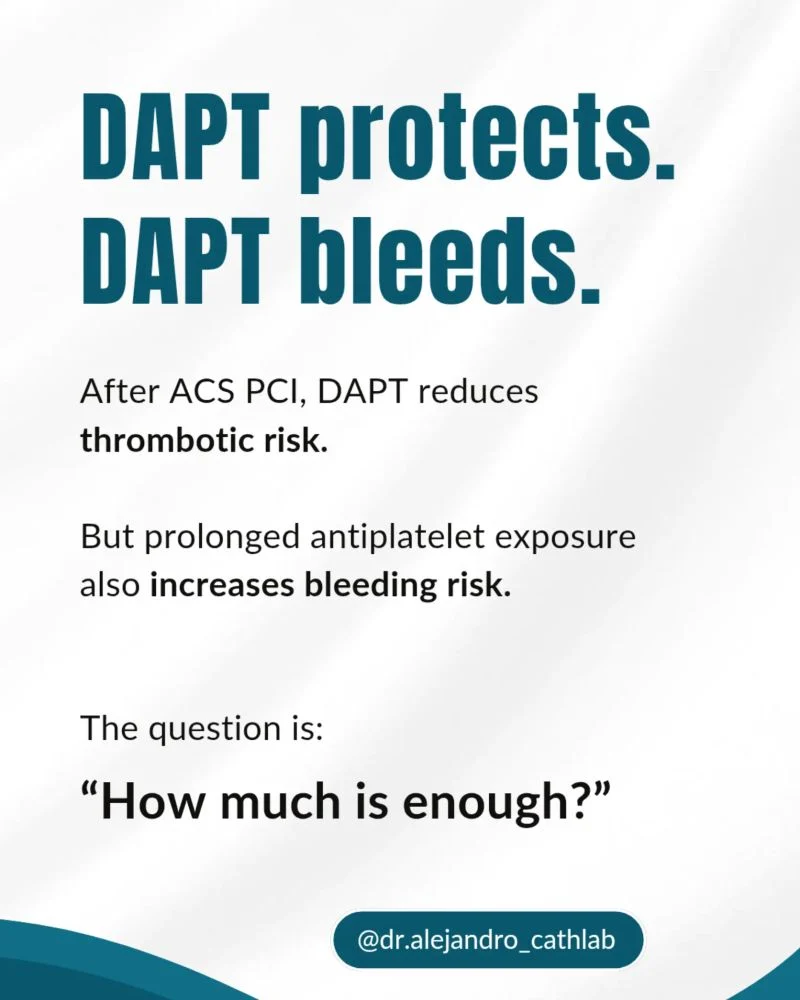
How long should dual antiplatelet therapy (DAPT) continue after PCI for acute coronary syndrome?
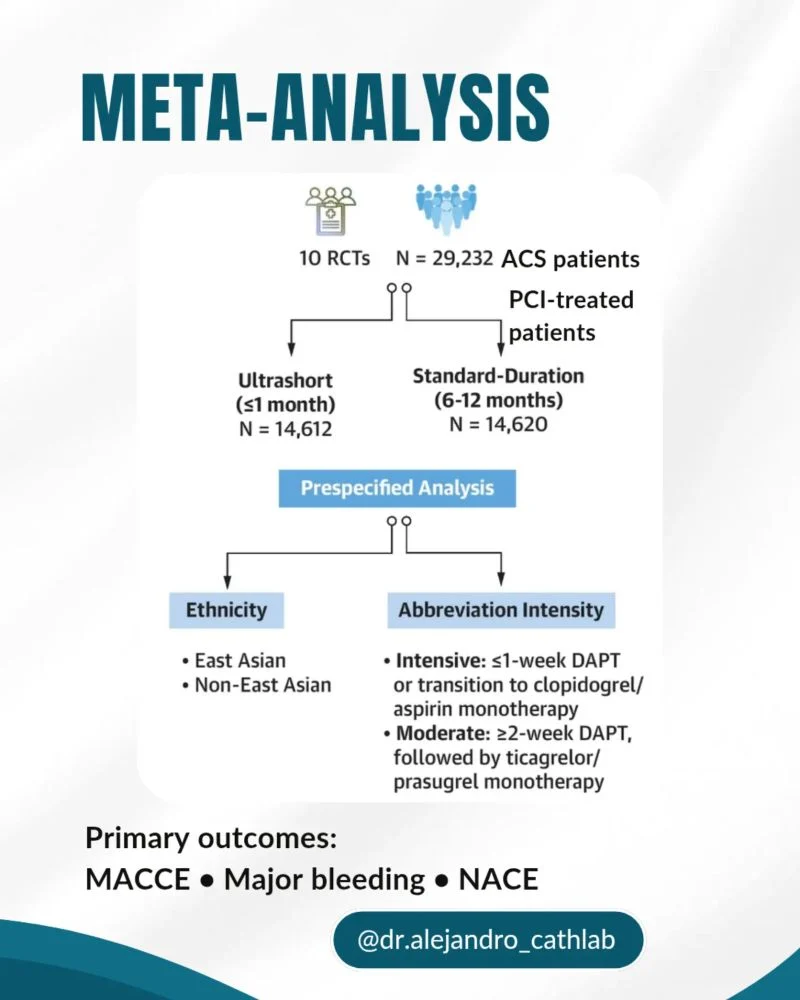
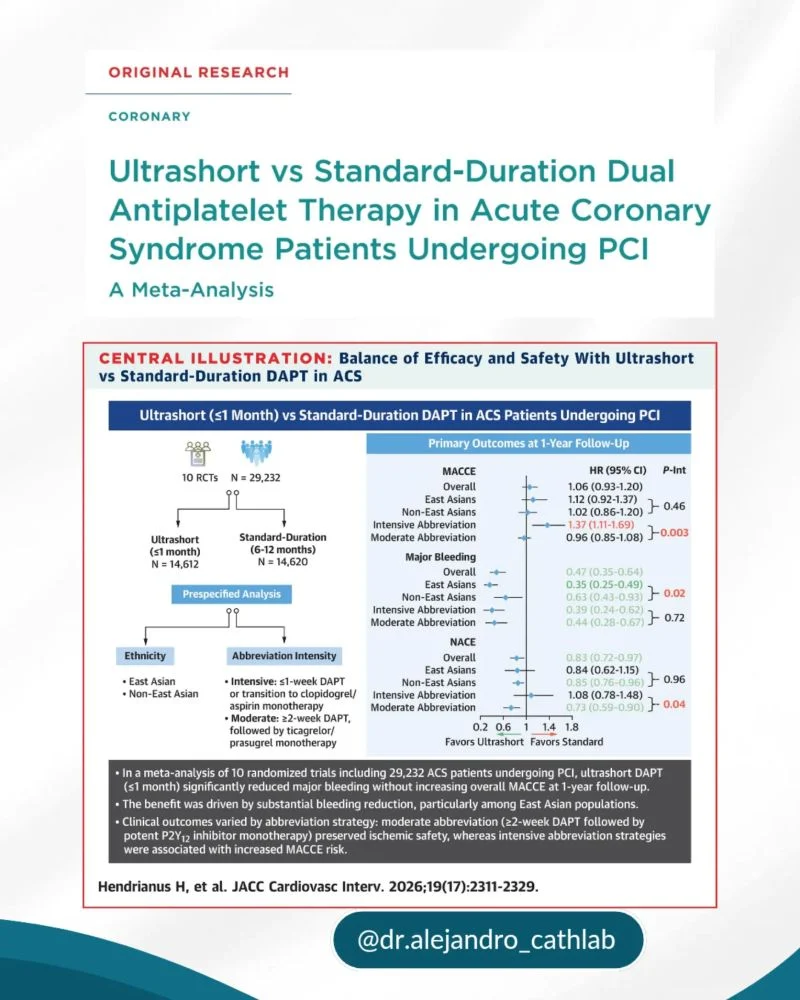
A new meta-analysis published in JACC: Cardiovascular Interventions evaluated 10 randomized trials involving 29,232 patients with ACS undergoing PCI, comparing ultrashort DAPT (1 month or less) with standard-duration DAPT (6–12 months).
The overall findings are interesting:
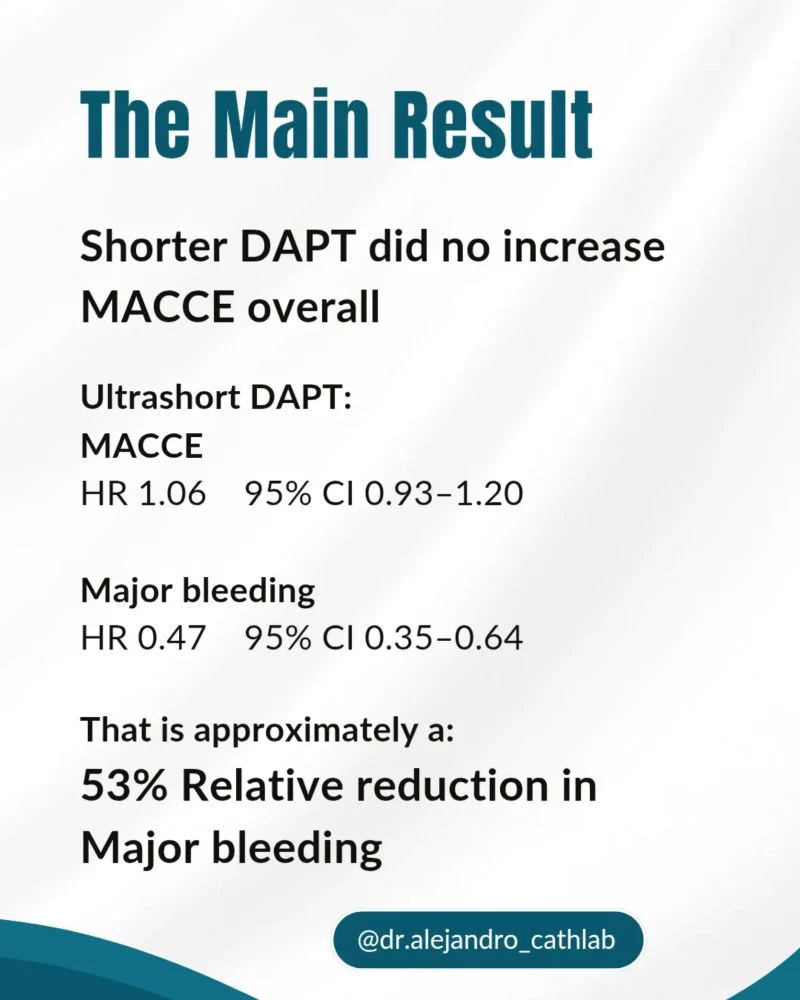
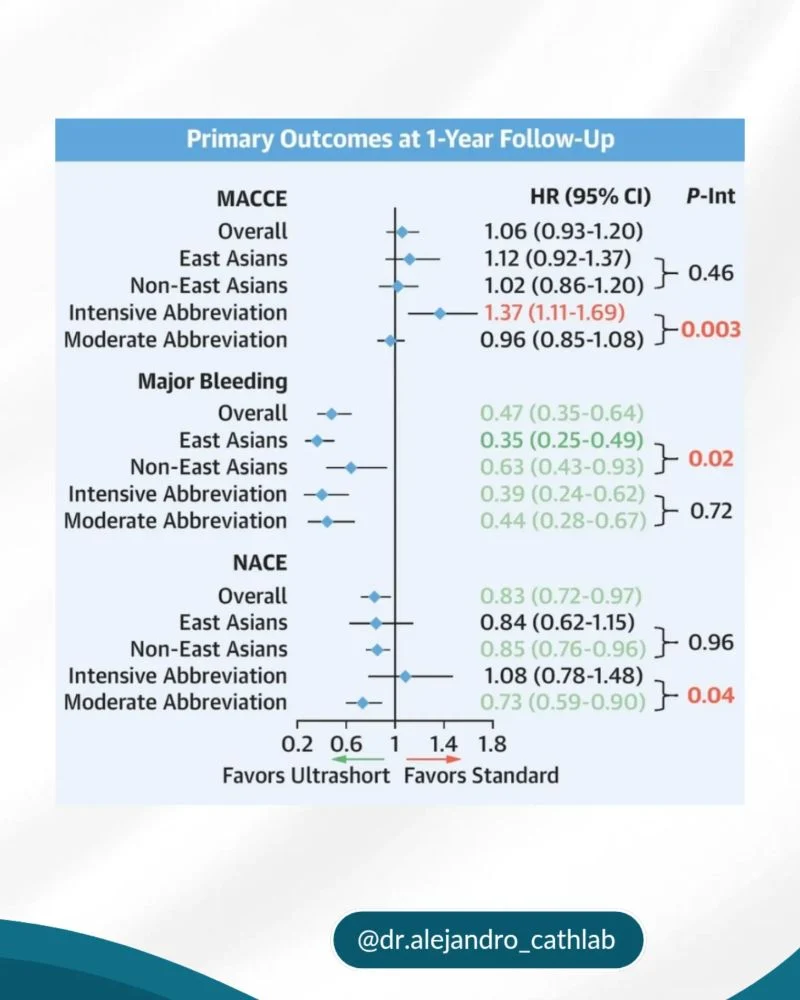
- MACCE: HR 1.06 (95% CI 0.93–1.20) — no significant difference
- Major bleeding: HR 0.47 (95% CI 0.35–0.64) — approximately 53% relative reduction
- NACE: HR 0.83 (95% CI 0.72–0.97)
But there is an important nuance:
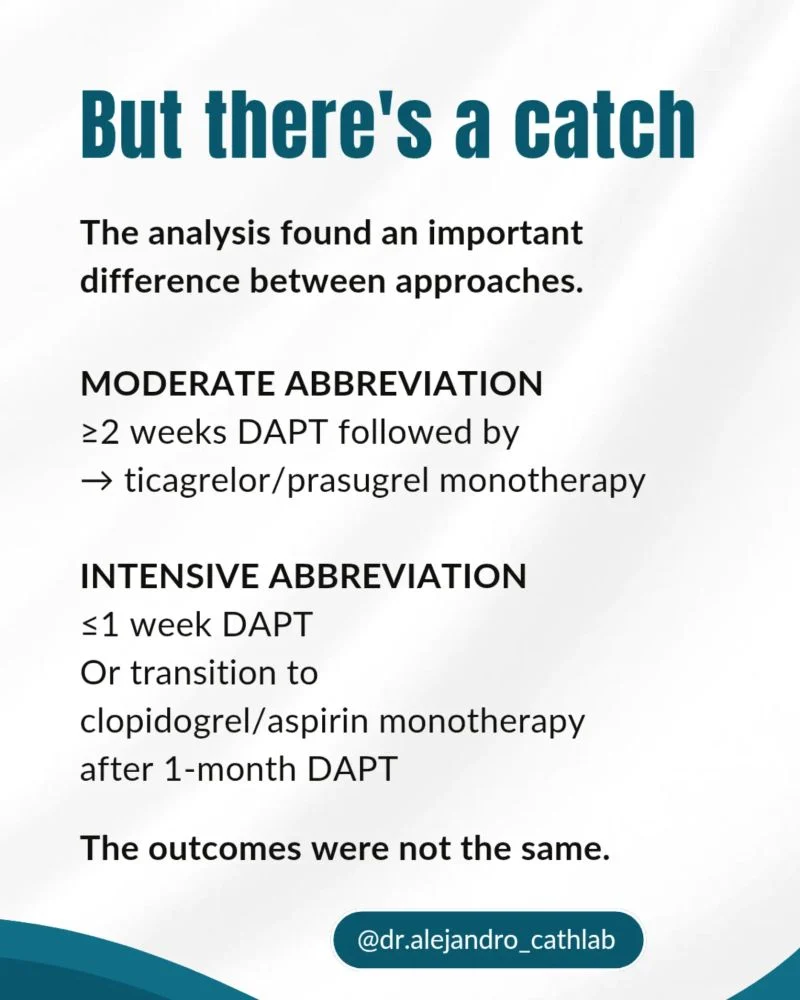
‘Ultrashort DAPT’ is not one single strategy.
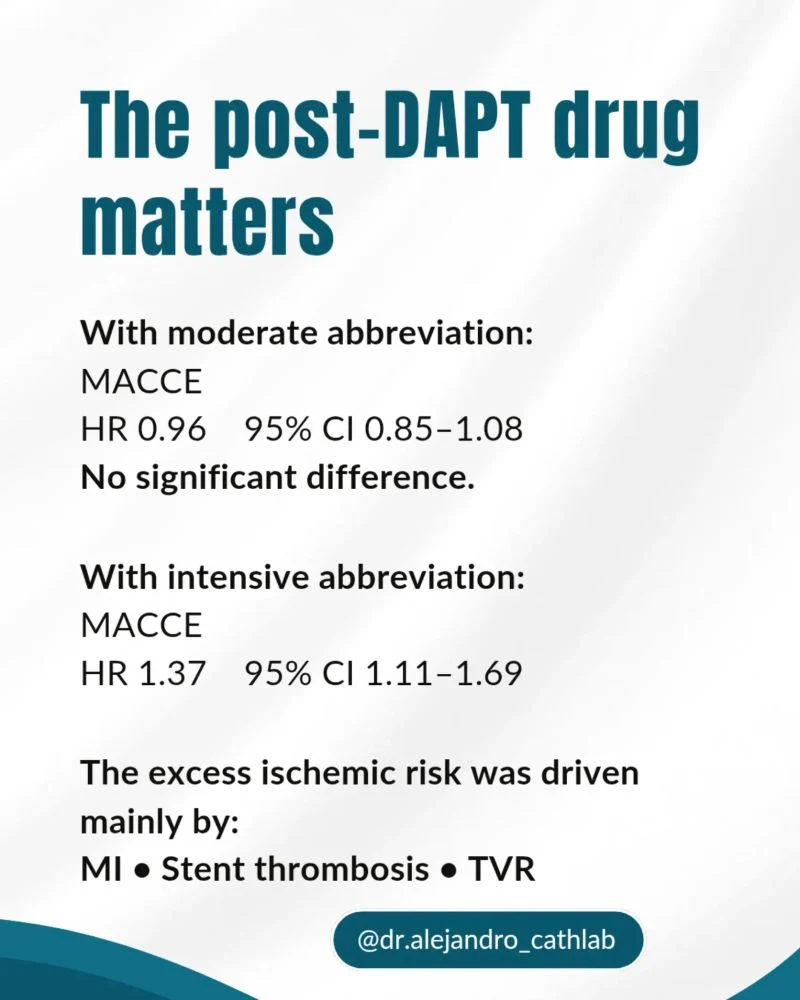
When DAPT was abbreviated moderately — generally followed by potent P2Y12 inhibitor monotherapy — MACCE was not significantly different from standard-duration DAPT.
With more intensive abbreviation — including very early discontinuation or transition to clopidogrel/aspirin monotherapy — MACCE was higher:
HR 1.37 (95% CI 1.11–1.69).
The analysis also identified a signal that deserves attention in STEMI, where MACCE was higher with ultrashort DAPT (HR 1.41), although the interaction with NSTE-ACS was not statistically significant and the authors appropriately describe this finding as hypothesis-generating.
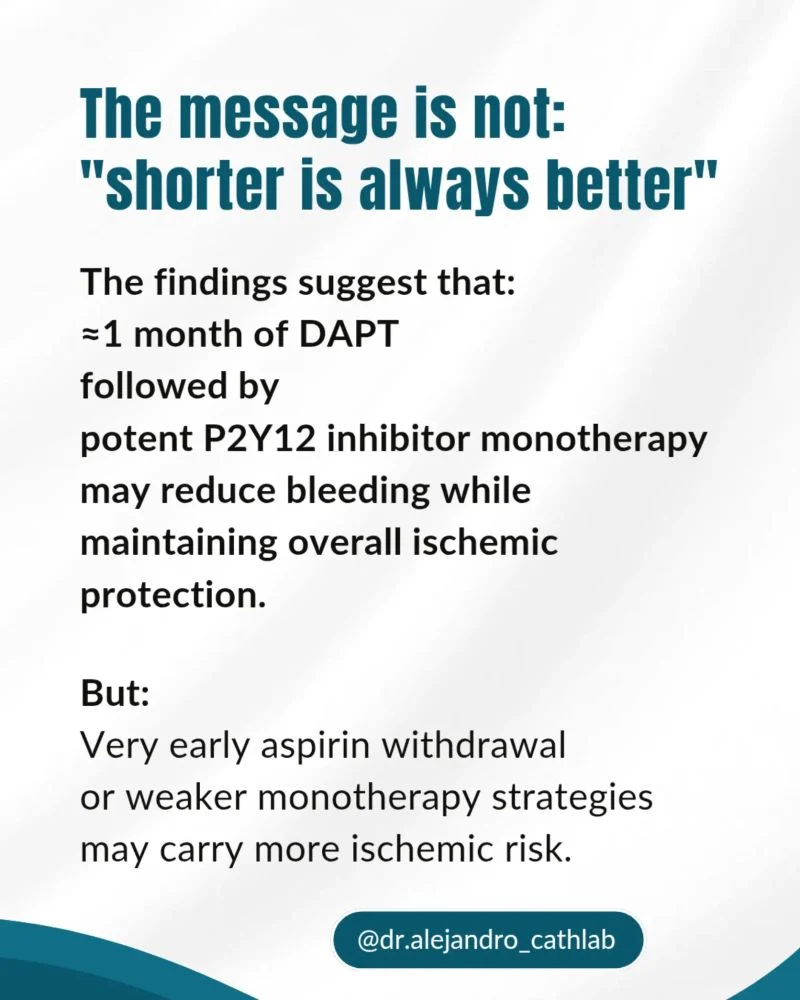
So the message is not simply:
‘Shorter DAPT is better.’
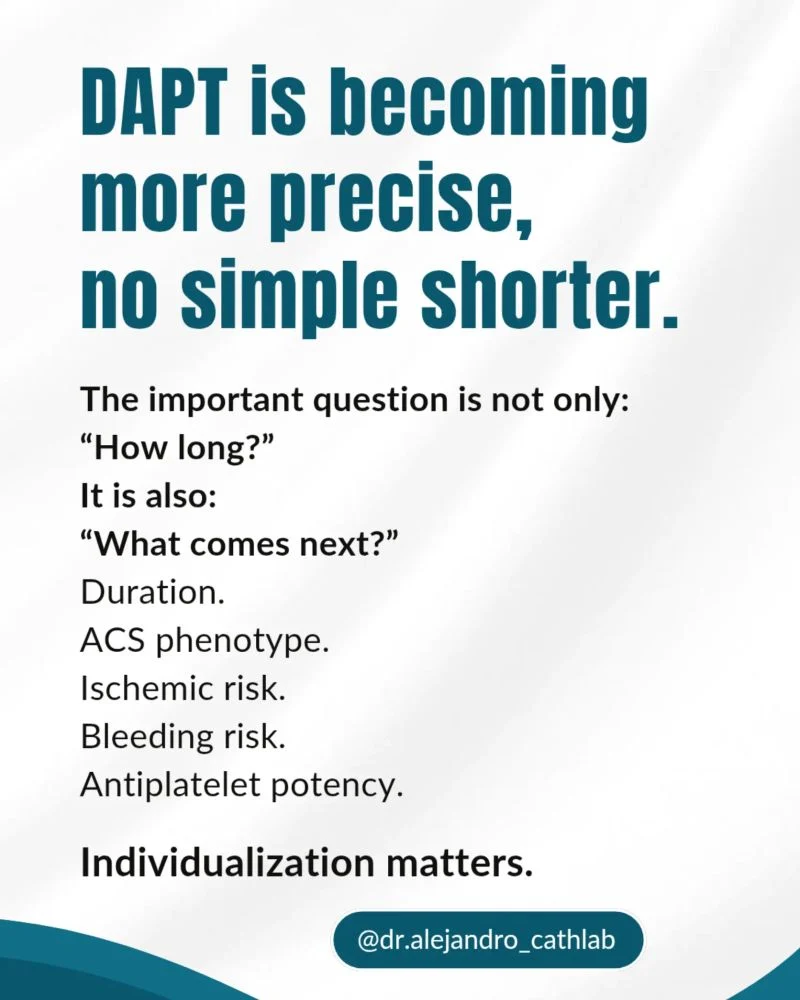
The more relevant question may be:
How short, in whom, and what comes next?
DAPT duration needs to be considered together with ischemic risk, bleeding risk, ACS phenotype, and the antiplatelet strategy used after DAPT.
The future of DAPT may be less about finding one universal duration — and more about precision and individualization.”
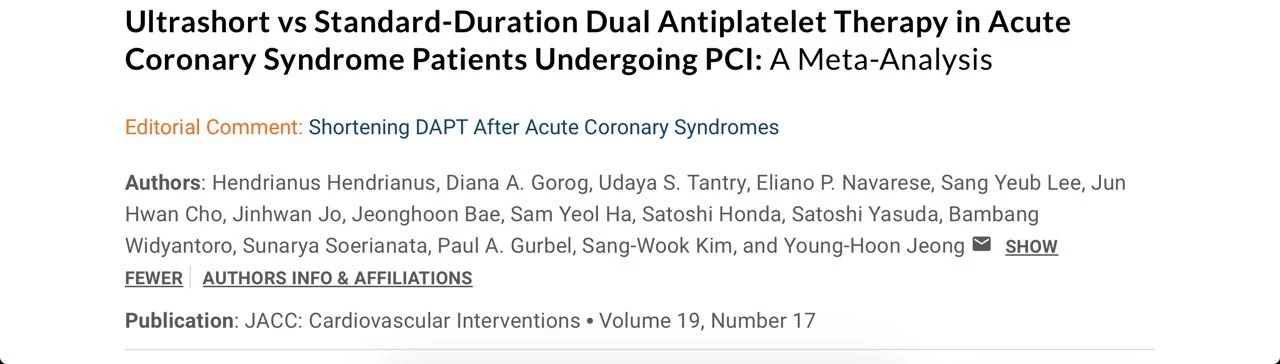
Title: Ultrashort vs Standard-Duration Dual Antiplatelet Therapy in Acute Coronary Syndrome Patients Undergoing PCI: A Meta-Analysis
Authors: Hendrianus Hendrianus, Diana A. Gorog, Udaya S. Tantry, Eliano P. Navarese, Sang Yeub Lee, Jun Hwan Cho, Jinhwan Jo, Jeonghoon Bae, Sam Yeol Ha, Satoshi Honda, Satoshi Yasuda, Bambang Widyantoro, Sunarya Soerianata, Paul A. Gurbel, Sang-Wook Kim, and Young-Hoon Jeong
Stay updated on all scientific advances with Hemostasis Today.
-
Sep 23, 2026, 13:42Melissa Hollo: Connecting Obesity and Anemia for Earlier Maternal Risk Intervention
-
Sep 23, 2026, 13:16Beverley Hunt: Advances in Haemostatic Management of Postpartum Haemorrhage
-
Sep 23, 2026, 13:13Ioanna Mela: Recruiting a Research Associate on DNA nanotechnology
-
Sep 23, 2026, 13:04Ben Samelson-Jones: Do Gene Variants Drive PK Differences in FIX-Fusion and N9-GP Therapies?
-
Sep 23, 2026, 12:57Shelly Reed: Advocating for HTCs and CDC Funding with the Hemophilia Federation of America
-
Sep 23, 2026, 12:51Domenico Girelli: How Verona Hospital Transformed ED Anemia Care with Patient Blood Management
-
Sep 23, 2026, 12:45Lina Camacho-Arteaga: ENTIS Study Uncovers Safety Data on Early Pregnancy Exposure to Direct Oral Anticoagulants
-
Sep 23, 2026, 12:34Hiteshi K.C. Chauhan: Why Mechanical Valve Thrombosis Is a Systems Failure, Not Just an Anticoagulation Error
-
Sep 23, 2026, 12:33World Thrombosis Day 2026 Puts Women’s Health in Focus – JTH