


Fonkou Steve: Overcoming Fear to Build a Lifelong Blood Donor
Fonkou Steve, Regional Representative for Africa- Global Blood Safety Working Party (Leadership board) at International Society of Blood Transfusion (ISBT), Chief Visionary Officer at Blood Track, shared a post on LinkedIn:
“She was ready to save a life.
Then she saw the needle.
Her words said, ‘I’m fine.’
But her body language told me otherwise.
I had a split second to decide: proceed with the donation or stop everything and address her fear.
I chose to stop.
What happened over the next 30 minutes taught me a lesson about blood donor recruitment and retention that no classroom had ever taught me.
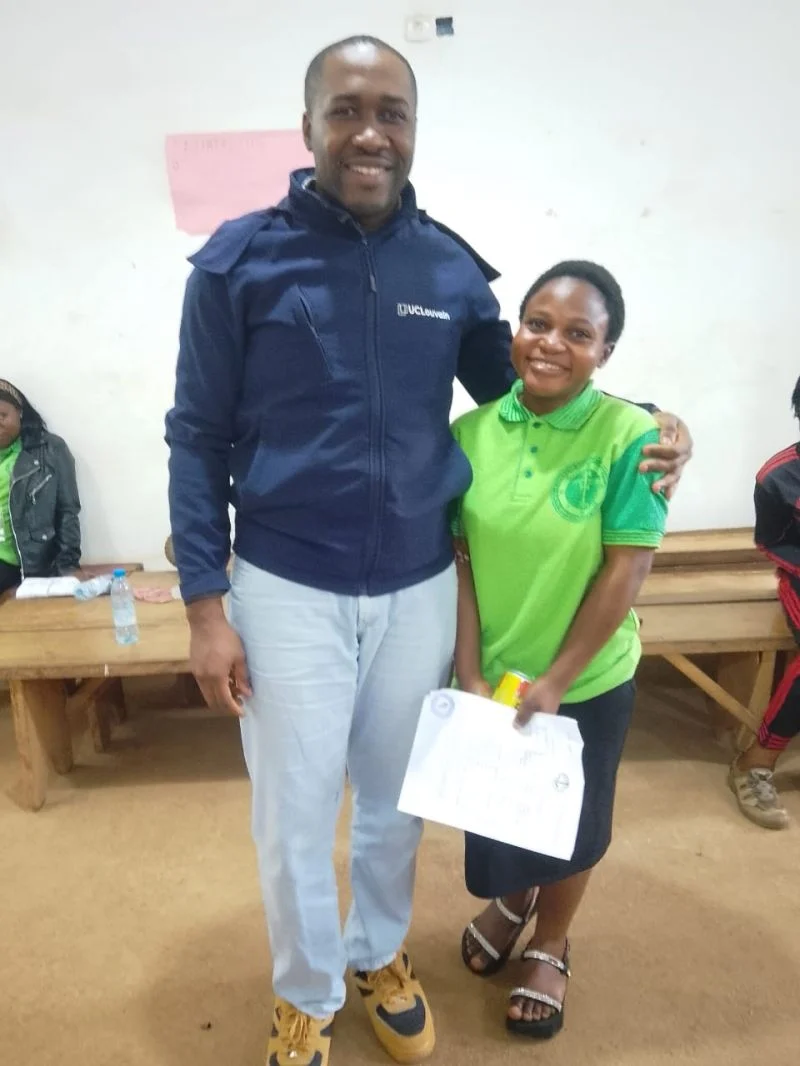
Recently, during a blood drive, a young lady stepped forward, excited to donate after learning about the importance of voluntary blood donation.
Everything went well until she saw the needle.
In my experience, fear is one of the common reasons for an unpleasant blood donation experience.
So, rather than risk turning her first donation into a negative memory, I took her aside.
We discussed practical ways to manage her fear: focusing on the person who might need her blood, closing her eyes if comfortable, and visualizing a happy memory.
We rehearsed these techniques a few times. Then, she returned to the donation chair.
Before she knew it, the donation was over!
Even better, she has since become a regular blood donor.
This experience reminded me that we are not just collecting blood; we are building relationships.
Three lessons I learned:
- Listen to what is not said.
A donor may say they are fine while their body language tells a different story. Sometimes, the most important signals are the ones we never hear. - Communication must go beyond information.
Explaining the procedure is important. Helping donors manage their fears can make the difference between a negative experience and a positive one. - Every first experience matters.
A little patience and empathy can turn an anxious first-time donor into a regular donor.
I learned this not in a classroom, but in the field.
Sometimes, saving a life begins with helping someone overcome their fear.
Over to you: How have you helped a fearful blood donor overcome their anxiety?
What strategies have worked for you?
Let’s share our experiences and learn from one another.
Every lesson could help us retain another donor!”
Stay updated with Hemostasis Today.
-
Oct 28, 2026, 03:00Joanne Marlor: NHS Blood and Transplant Opens Country’s Largest Donor Centre in Reading
-
Oct 27, 2026, 23:04Stefano Navarro: Hypertension Reprogrammes Megakaryocytes and Increases Platelet Responsiveness to Thrombin
-
Oct 27, 2026, 23:03Enrique M. San Norberto García: What Is the Best Treatment for Femoropopliteal in-Stent Restenosis
-
Oct 27, 2026, 23:01Mandy-Lyn Crispim: One Donation Can Help Save More Than One Life
-
Oct 27, 2026, 23:00Teresa Buzzoni: AABB 2026 Through the Eyes of a Newcomer to the Blood Industry
-
Oct 27, 2026, 22:59Josephine Cantu: The Incredible Science Behind Blood Clotting – A Life-Saving Process
-
Oct 27, 2026, 22:56Edward Lee Carter: First Factor XIa Inhibitor Approved Worldwide – U.S. FDA Decision Expected in November
-
Oct 27, 2026, 22:56Anne Troldborg: Preventing Thrombosis in SLE Before the First Event
-
Oct 27, 2026, 22:53Shadi Tabibian: Tazehnameh November 2026 Covers Key Developments in Hemophilia Care