

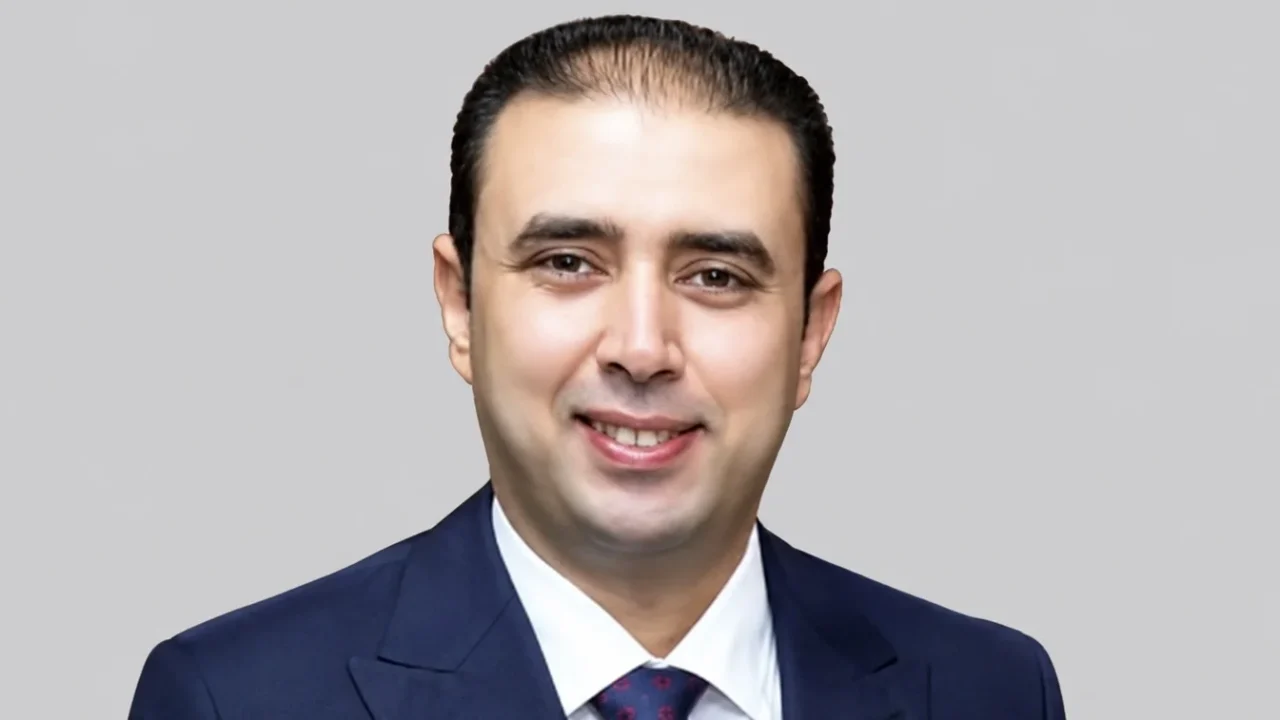
Ahmed Rizq/LinkedIn
Jul 5, 2026, 21:05
Ahmed Rizq: Would You Thrombolyse a Stable Patient?
Ahmed Rizq, Cardiologist, shared a post on LinkedIn:
“Would you thrombolyse a stable patient?
A 30-year-old male presented with acute dyspnea.
no medical history
Key findings:
- CT pulmonary angiography: Massive pulmonary embolism
- Echocardiography: Severe right ventricular dilatation and dysfunction
- Mobile right heart thrombus (thrombus in transit)
- Interestingly, the patient was hemodynamically stable at presentation (no shock).
This creates a challenging clinical scenario:
A high-risk anatomical burden (right heart thrombus with massive PE) in a clinically stable patient.
Management dilemma:
Systemic thrombolysis vs Catheter-directed therapy vs Surgical embolectomy vs Anticoagulation alone with close monitoring
Key question:
Does the presence of a thrombus in transit alone justify escalation to thrombolysis even in the absence of shock?
Would value colleagues’ approaches and experience.”
Stay updated with Hemostasis Today.
-
Oct 5, 2026, 22:55Steve Humphreys: A Big Thank You to BSHT for Providing Me With a Recent Skills Exchange Award
-
Oct 5, 2026, 22:52William McKeown: Great to Be in Istanbul for the Opening of the EHC 2026
-
Oct 5, 2026, 22:48Laura Quintas Lorenzo: A New Approach to Healthcare for von Willebrand Disease at EHC 2026
-
Oct 5, 2026, 22:46Anas Zayad: Pleased to Share Our New Review on Thrombosis in SCD and Beta Thalassemia
-
Oct 5, 2026, 22:44Cihan Ay: Honouring Eric Kandel and Eugene Braunwald at the Medical University of Vienna
-
Oct 5, 2026, 22:42Heather L. Gornik: Testing for Aortic and Arterial Thrombosis at VSS 2026
-
Oct 5, 2026, 22:34Hasan Abbas Zaheer: Honoured to Have Co-Authored One of the Four Reviews in The Lancet Thalassemia Series
-
Oct 5, 2026, 22:34Kamyar Shameli: Understanding the Coagulation Cascade – How Anticoagulants Prevent Blood Clots
-
Oct 5, 2026, 22:31Risika Samanta: Pediatric ITP in a 12-year-old – An Atypical Presentation without a Viral Prodrome