

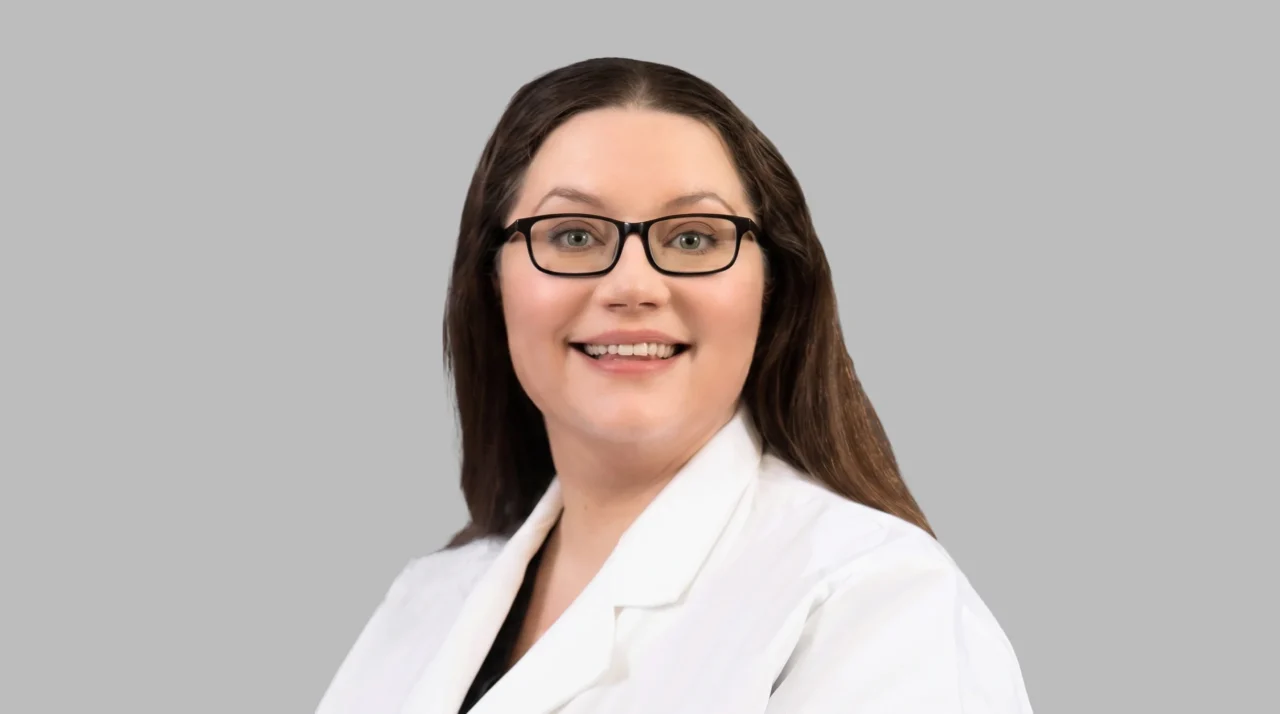
Caitlin Raymond: Your Blood Type Doesn’t Define Your Personality
Caitlin Raymond, Assistant Professor of Pathology and Transfusion Medicine at University of Wisconsin-Madison, shared a post on LinkedIn:
“We are all looking for a story about who we are.
Blood type happens to be one of the only biology facts most of us can name about ourselves, making it a convenient anchor.
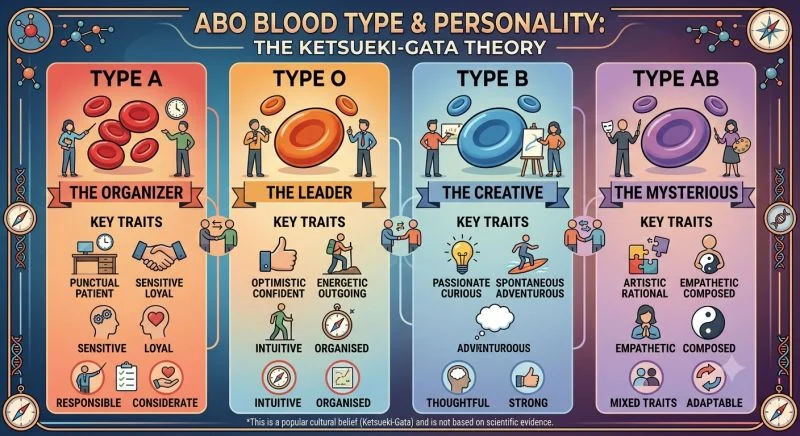
In Japan, blood type personality theory has filled that role for 50 years.
Type A is gentle and anxious.
Type B is cheerful and self-centered.
Dating profiles list it next to height.
Employers have sorted candidates by it.
- The theory has no biological mechanism. Nobody even pretends to explain how an antigen on a red blood cell would shape whether you’re anxious or gregarious.
- Large surveys using validated personality instruments, run in both Japan and the US, find no meaningful correlation between ABO type and personality traits.
- It survived a full debunking by its own originator’s peers in 1927, and got revived in 1971 by a journalist with no medical training.
- None of that mattered, because the story was never really about the mechanism.
Once you’re told your type makes you unpredictable, you notice every unpredictable thing you do and quietly forget the rest.
That’s the Barnum effect, the same trick horoscopes use.
The theory didn’t need to be true.
It needed to be legible, repeatable, and flattering (or at least explanatory) enough to stick.
Second in a two-part pair with last week’s post on the blood type diet.
Different claim, same underlying want: a tidy story about the self, built on the one piece of biology we all happen to know.
What’s a piece of pseudo-biology you grew up believing said something real about you?”
Other posts featuring Caitlin Raymond on Hemostasis Today.
-
Oct 11, 2026, 16:57Shiny K. Kajal: Japan Advances Artificial Blood via Haemoglobin Vesicles Trials
-
Oct 11, 2026, 16:45Luca Scarcia: Rescue Stenting Superior When Posterior Circulation Thrombectomy Fails
-
Oct 11, 2026, 16:27Giuseppe Bellelli: Reevaluating Anticoagulation Net Benefit in Frail Older Adults
-
Oct 11, 2026, 16:17Johnathan Whetstine: How Does MYC Go From 2 Copies to an Amplified Oncogene?
-
Oct 11, 2026, 16:03Parth Parmar: Practical Guidelines for Managing Venous Thromboembolism
-
Oct 11, 2026, 15:31Muhammad Alvi: CASPR Study Explores Treatment Response Across ESUS Phenotypes
-
Oct 11, 2026, 15:15Thalassaemia International Federation Joins ASCAT 2026 to Advance Sickle Cell and Thalassaemia Care
-
Oct 11, 2026, 15:14Challenges and Perspectives on Gene Therapy in Hemophilia A – Seminars in Thrombosis and Hemostasis
-
Oct 11, 2026, 15:07Neysa Rahardjo: Platelet Estimation Pitfalls and Discrepancy Resolution