

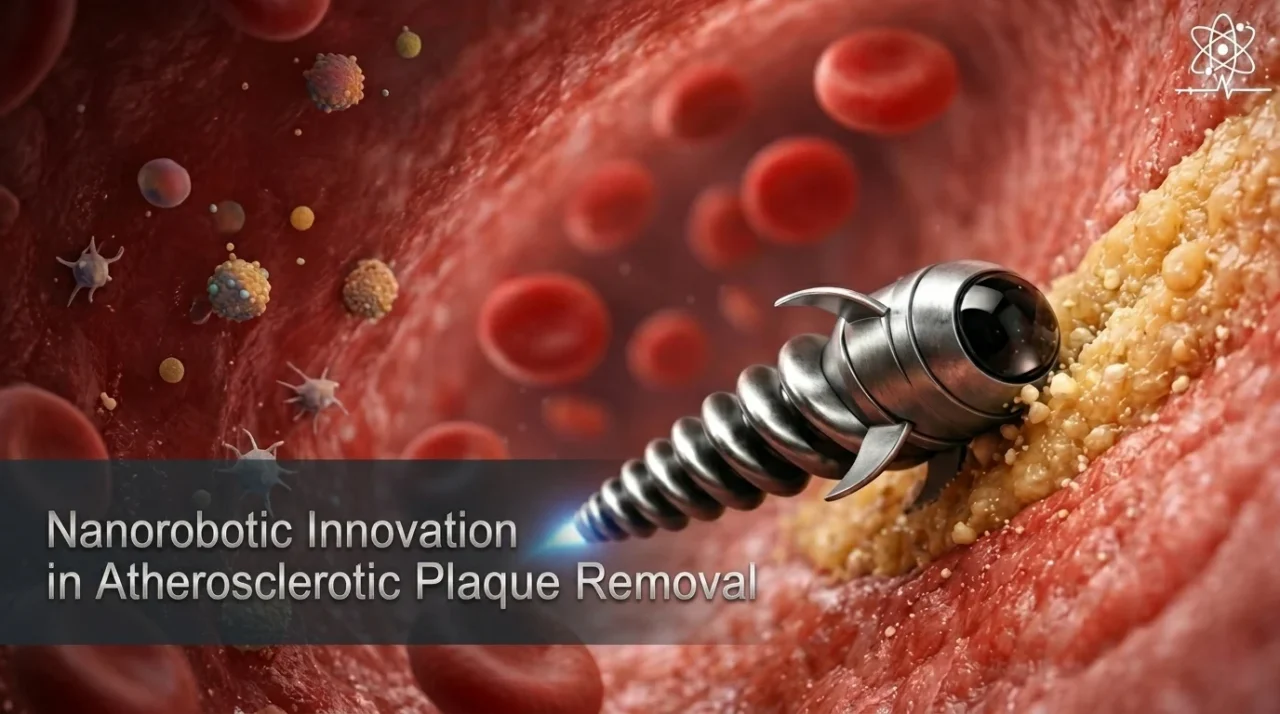
Chan Man Nok: Nanorobotic Innovation in Atherosclerotic Plaque Removal
Chan Man Nok, Assistant Nurse Clinician at Tan Tock Seng Hospital, shared Natalie Anderson‘s post on LinkedIn, adding:
“From a cardiac stent patient perspective as a nurse, this nanorobot technology appears very promising because many patients fear invasive procedures such as angioplasty, stent insertion, or bypass surgery.
Current stent treatments, although effective, still carry risks like bleeding, restenosis, thrombosis, infection, and prolonged recovery. Patients also often require long-term antiplatelet therapy and strict lifestyle changes.
If these microscopic robots can safely remove plaque without invasive surgery, it could reduce trauma, shorten hospital stay, and improve recovery and comfort. The ability to release anticoagulants may also help reduce clot-related complications.
However, as a nurse, I remain cautiously optimistic because the technology is still experimental. Human safety, embolism risk, immune reactions, long-term effects, and device control must be carefully studied first.”
Natalie Anderson, Partner and Operations Director at Harborview Rehabilitation Group, shared a post on LinkedIn:
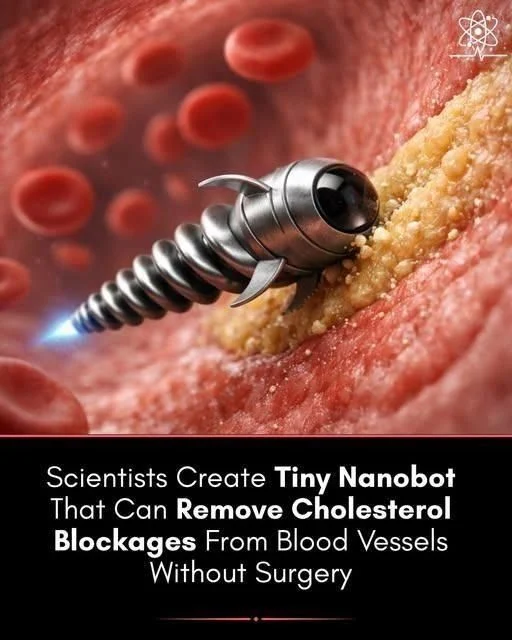
“Researchers at Drexel University in the United States have engineered a microscopic robot — about 200 nanometers wide — designed to travel through blood vessels and remove cholesterol blockages without the need for invasive surgery.
This tiny machine is built from biocompatible iron-oxide beads arranged in a spiral shape, allowing it to move through the bloodstream like a tiny corkscrew under control of external magnetic fields.
Unlike traditional procedures such as bypass surgery or stent placement, this approach is non-surgical, and the nanobot is guided remotely by magnetic fields so it can navigate even narrow or twisted arteries.
Once at the cholesterol plaque site, it can physically break down the blockage, helping restore normal blood flow. In addition to clearing plaque, the nanobot can be programmed to release anticoagulant drugs to help prevent dangerous blood clots during and after the cleaning process.
This could improve safety and reduce complications compared to traditional treatments. The technology is currently still in laboratory development and has not yet reached human clinical trials, but early research shows significant promise.
Scientists involved believe that if successfully refined for clinical use, it could reduce the need for invasive treatments, shorten recovery times, and lower procedural risks for cardiovascular patients.
This innovation combines nanotechnology, robotics, and medicine, pointing toward a future where microscopic machines may help treat major diseases from within the body with high precision and minimal patient trauma.”
Stay updated with Hemostasis Today.
-
Oct 20, 2026, 16:51Suzan Nakasendwa: A Growing Stroke Challenge in Uganda
-
Oct 20, 2026, 16:38Steve Moon: How Does Smoking Cessation Duration Affect Ischemic Stroke Risk
-
Oct 20, 2026, 16:25Cedrice Mentor: Reducing Platelet Wastage Through Cold Storage
-
Oct 20, 2026, 16:09Thirunavukkarasu Angappan: Can a Purified Fibrinogen Concentrate Replace Cryoprecipitate
-
Oct 20, 2026, 16:01Kalyan Roy: Platelet Conservation Through Evidence-Based Transfusion Practice
-
Oct 20, 2026, 15:28Stacy E. Croteau: 33 Countries, One Mission – Better Bleeding Disorder Care
-
Oct 20, 2026, 15:19Teresa Barnes: What Does a Pulmonary Embolism Mean for Jalen Hurts?
-
Oct 20, 2026, 15:04Laura S.: Could Speaking Up Prevent Maternal Deaths from Thrombosis?
-
Oct 20, 2026, 14:44Pete Stibbs: VTE in Professional Athletes – When Fitness Is Not Enough