

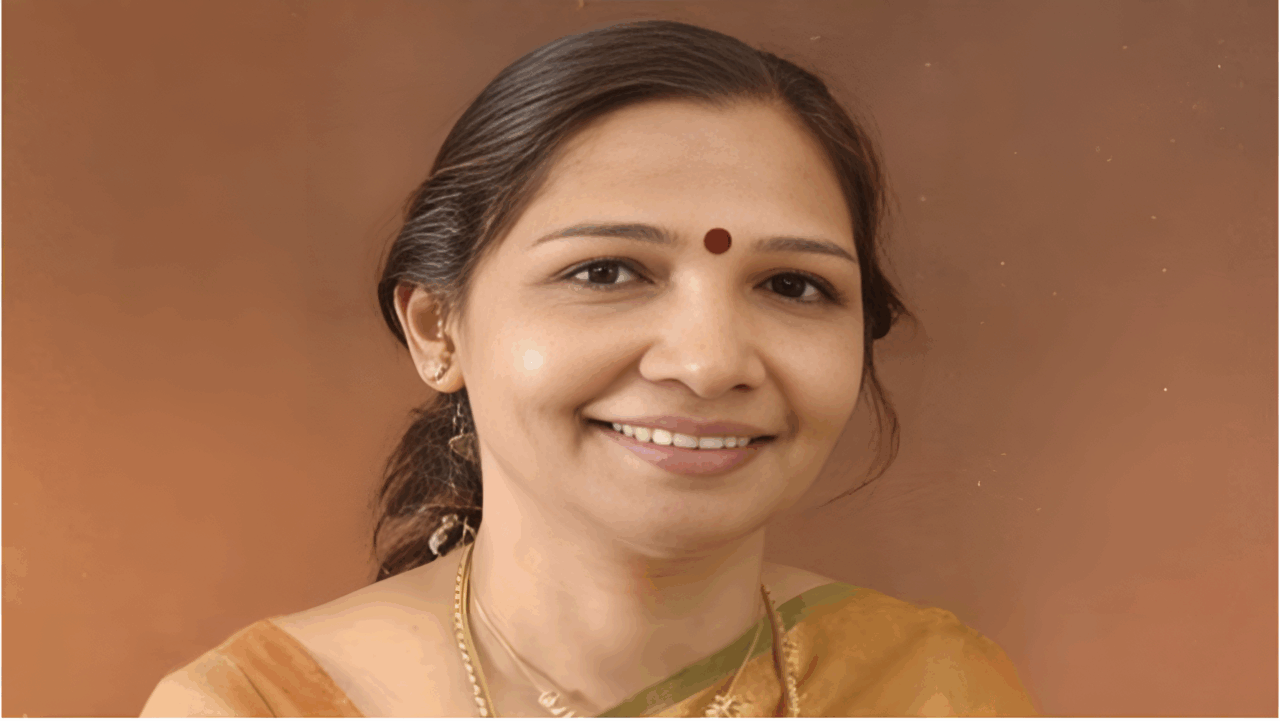
Chandra Viswanathan: Building a Stronger Blood and Plasma Ecosystem for India
Chandra Viswanathan, Consultant at PlasmaGen BioSciences, shared a post on LinkedIn:
“Over the past few months, colleagues across transfusion medicine, public health, and plasma fractionation have been discussing issues that deserve national attention.
India has achieved remarkable success in digital public infrastructure like the Aadhaar and UPI.
This gives us confidence that we can solve complex health‑system challenges with equal effectiveness.
In the blood and plasma ecosystem, several themes keep resurfacing:
- Issue with collection volumes.
- Component separation rates vary across regions.
- Quality differences between public, private, charitable and semi‑private blood banks.
- no unified national donor identity, despite India’s proven capability in large‑scale digital integration.
- Data systems that need real‑time validation.
These are not criticisms; they are opportunities for improvement in a sector that directly affects millions of patients.
What is encouraging is that all stakeholders agree on the diagnosis.
Where earlier debates existed – such as paid vs unpaid vs remunerated plasma donation – they have naturally quietened because the next step requires policy movement.
For fractionators, dependable quantity and quality of plasma is essential for producing PDMPs at scale; a national health priority.
India can take a decisive step forward by revisiting the plasma policy, bringing stakeholders together, and running pilot projects to evaluate donor models scientifically.
Many countries have done this successfully; We can do it better.
Recent strong regulatory actions for poor food quality in hotels and restaurants shows that strong oversight alone builds public trust.
The same principle applies to blood and plasma.
Strengthening governance will reinforce confidence in a system that serves the most vulnerable.
Another emerging concern – transition of some government hospitals to private medical colleges, which raises questions about equitable access to blood services.
Today, different categories of blood banks charge differently, often without uniform monitoring.
Equipment supplied by NACO years ago remains under-utilised in some centers due to staffing gaps.
This is where accountability and optimization can make a significant difference.
We have exceptional scientific talent, strong regulatory institutions, and a rapidly advancing digital ecosystem.
With the right focus, India can become a global leader in high‑quality human plasma, not just self‑reliant but an exporter too.
This needs urgent digitisation, unique donor IDs, donor scheduling, deferral tracking, real‑time transparency, etc.
These are proven systems globally.
So, adopt, adapt and speed up.
This is a public health imperative and a major innovation and business opportunity to build digital platforms, logistics systems, and quality‑assurance frameworks for India’s blood and plasma sector.
The discussions are mature.
It is time for action.
The Centre must make this a national priority; for self‑reliance, and for India’s leadership in plasma‑derived medicines.”
Stay updated with Hemostasis Today.
-
Sep 26, 2026, 13:42Dhamirah Nazihah Mohd Nasiruddin: Bridging Clinical Suspicion and Laboratory Diagnosis in TMA
-
Sep 26, 2026, 13:42Anna Dunn: Long-Term Anticoagulation After Pulmonary Embolism
-
Sep 26, 2026, 09:49Manuel Monreal: Acute VTE in Patients With Severe Renal Insufficiency
-
Sep 26, 2026, 09:38New TIF Guidelines for Emergency Care in Thalassaemia and SCD
-
Sep 26, 2026, 09:28Annette Bowyer: Rethinking Product Specific Calibrators in Haemophilia
-
Sep 26, 2026, 09:21Nisanth Menon: When Emergency Medicine Meets Transfusion Medicine
-
Sep 26, 2026, 07:50Giuseppe Andò: P2Y12 Inhibition in Diabetes – A Personalized Approach
-
Sep 26, 2026, 07:36Tiffany Hall: Honored to Be Recognized for Advancing Blood Health
-
Sep 26, 2026, 07:23Jignesh Patel: Call for Papers on Safer IV Unfractionated Heparin Use