


Charles Okyere Boadu: Blood Donation Helps Lower Your Risk of Stroke and Organ Damage
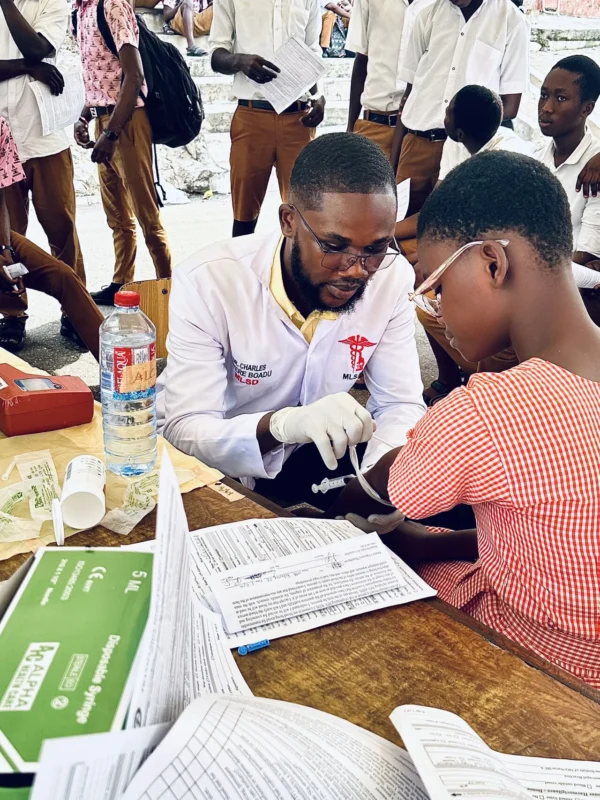
Charles Okyere Boadu, Medical Laboratory Science Student at the University for Development Studies, shared on LinkedIn:
”Donating blood may protect more than patients.
It could help lower the risk of stroke and organ damage in some donors.
We all know that donating blood saves lives for patients battling cancer, undergoing surgery, surviving trauma, or managing chronic illnesses.
But beyond saving others, blood donation can sometimes help save your own life too.
Many people rarely go for routine medical check ups unless they feel sick.
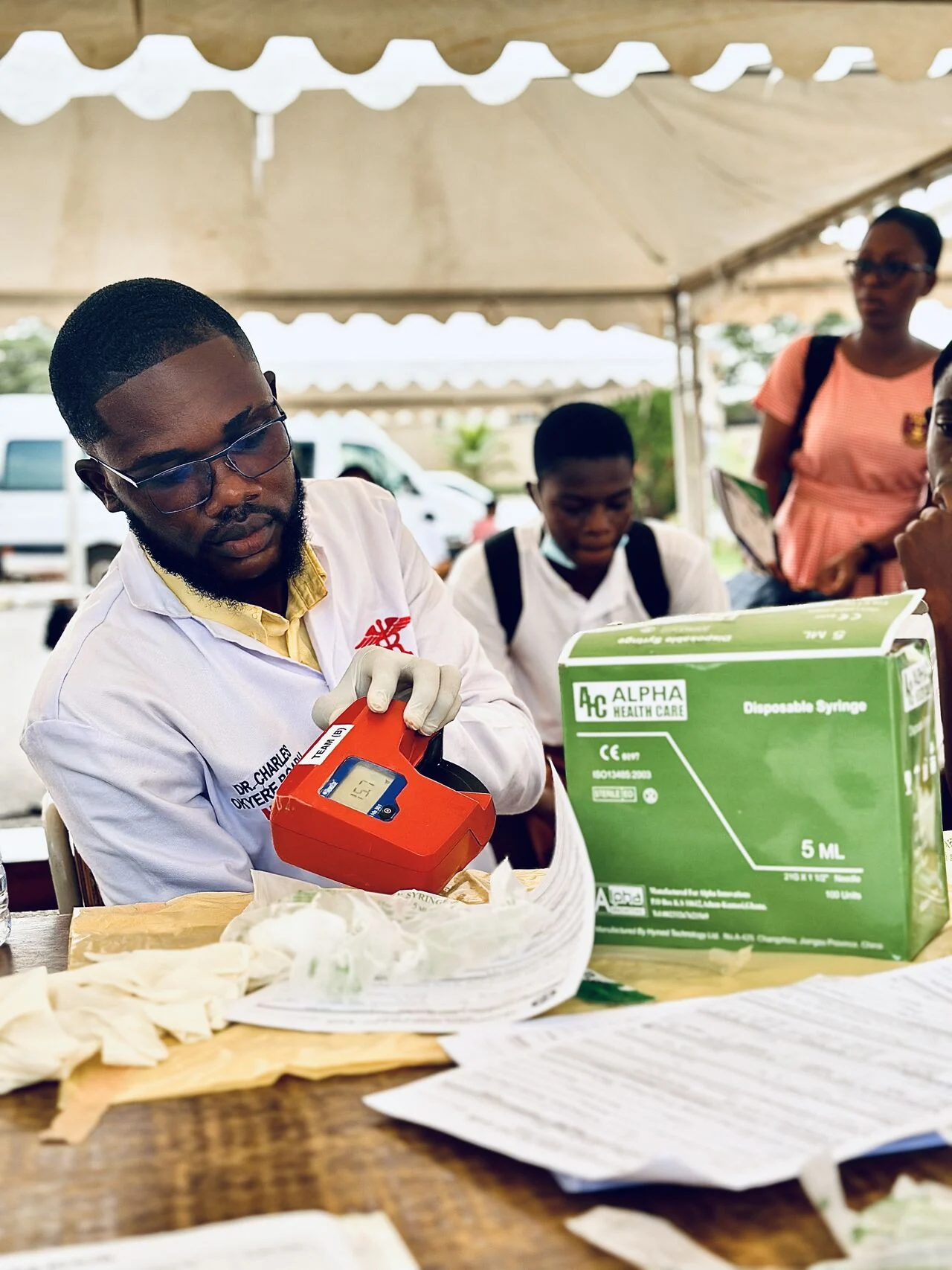
Yet every time you donate blood, you go through a mandatory screening process including a haemoglobin test.
This simple test works like a mini health check and can reveal important clues about your internal health.
For example, some people unknowingly live with Polycythemia Vera, a rare condition where the body produces too many red blood cells.
Most people with this condition has no early symptoms, so it can remain hidden for a long time.
During donor screening, an unusually high haemoglobin level can become an early warning sign.
The laboratory scientist can then prompt the donor to visit the hospital for further checks, monitoring, education, and treatment.
In people diagnosed with Polycythemia Vera, therapeutic venesection is often done to reduce the thickness of the blood and lower the risk of complications.
If this condition is not detected early, the blood can become too thick and lead to life threatening complications such as stroke, heart attack, and other cardiovascular problems.
Imagine walking in to donate blood to save a stranger and discovering a condition that was silently threatening your own future.
The lesson is simple. When you step forward to save a life through blood donation, you may also uncover hidden health conditions that help protect your own life.
Donate blood. Save lives and possibly your own too.”
Stay updated with Hemostasis Today.

-
Oct 16, 2026, 18:12Adil Nawaz: Extended Dual Antiplatelet Therapy After Coronary Stenting
-
Oct 16, 2026, 17:50Elad Asher։ STORM-PE Shows Functional Benefits of Thrombectomy
-
Oct 16, 2026, 17:32Shruthi Narayan: STORM-PE and STRIKE-PE Studies Advance Understanding of Recovery After Pulmonary Embolism
-
Oct 16, 2026, 17:22Wolfgang Miesbach։ What a Near-Perfect FISH Score Fails to See
-
Oct 16, 2026, 17:06Troels Wienecke: Connecting Myeloproliferative Disease and Ischemic Stroke
-
Oct 16, 2026, 17:03Only 5 Days Left to Submit Your Research for EAHAD 2027
-
Oct 16, 2026, 16:48Abdul Rahman: Reticulocyte Count and Bone Marrow Activity
-
Oct 16, 2026, 16:44DOAC Adherence in Stroke Patients With Atrial Fibrillation – International Journal of Stroke
-
Oct 16, 2026, 16:22Shannon Farmer: Driving Patient Blood Management Forward in Australia and New Zealand