


Federica Fedele: From One-Size-Fits-All to Personalized Care
Federica Fedele, Founder and President – Patient Advocate at Vincere la Trombosi Federica Ambassador, shared Heghine Khachatryan‘s post on LinkedIn:
“In recent years, medicine has been taking a fundamental step: moving from ‘one-size-fits-all’ recommendations to increasingly personalized decisions, based on the characteristics of the individual patient and scientific evidence.
This is why I found particularly interesting this contribution presented at the last International Society on Thrombosis and Haemostasis (ISTH) congress, The theme is that of the relationship between estrogen therapy, anticoagulant therapy and the risk of thromboembolic recurrence:
A complex topic, which for many years has been approached with great caution and on which today more and more encouraging data are finally emerging.
It does not mean that there is a one-size-fits-all answer. It means, however, that research continues to provide tools to assess risks and benefits in an increasingly conscious and personalized way, through an informed dialogue between doctor and patient.
In my journey as a representative of the voice of patients, I have learned that the questions that arise from people’s experience are not just needs to be listened to: they can become the starting point for research.
When patients, clinicians and researchers work together, it is possible to transform long-unanswered questions into new knowledge and, hopefully, into a better quality of care.
This, in my opinion, is the greatest value of international research: to continue to generate evidence that helps doctors and patients to make increasingly informed, shared and personalized decisions.”
Heghine Khachatryan, Editor-in-Chief of Hemostasis Today, Head of Hemophilia and Thrombosis Center at Yeolyan Hematology and Oncology Center, shared a post on LinkedIn:
“ISTH 2026 | Final Day Highlights
Estrogen-associated venous thromboembolism: Is less anticoagulation enough?
One of the most thought-provoking presentations on the final day of ISTH 2026 addressed a clinically important but often under-discussed question:
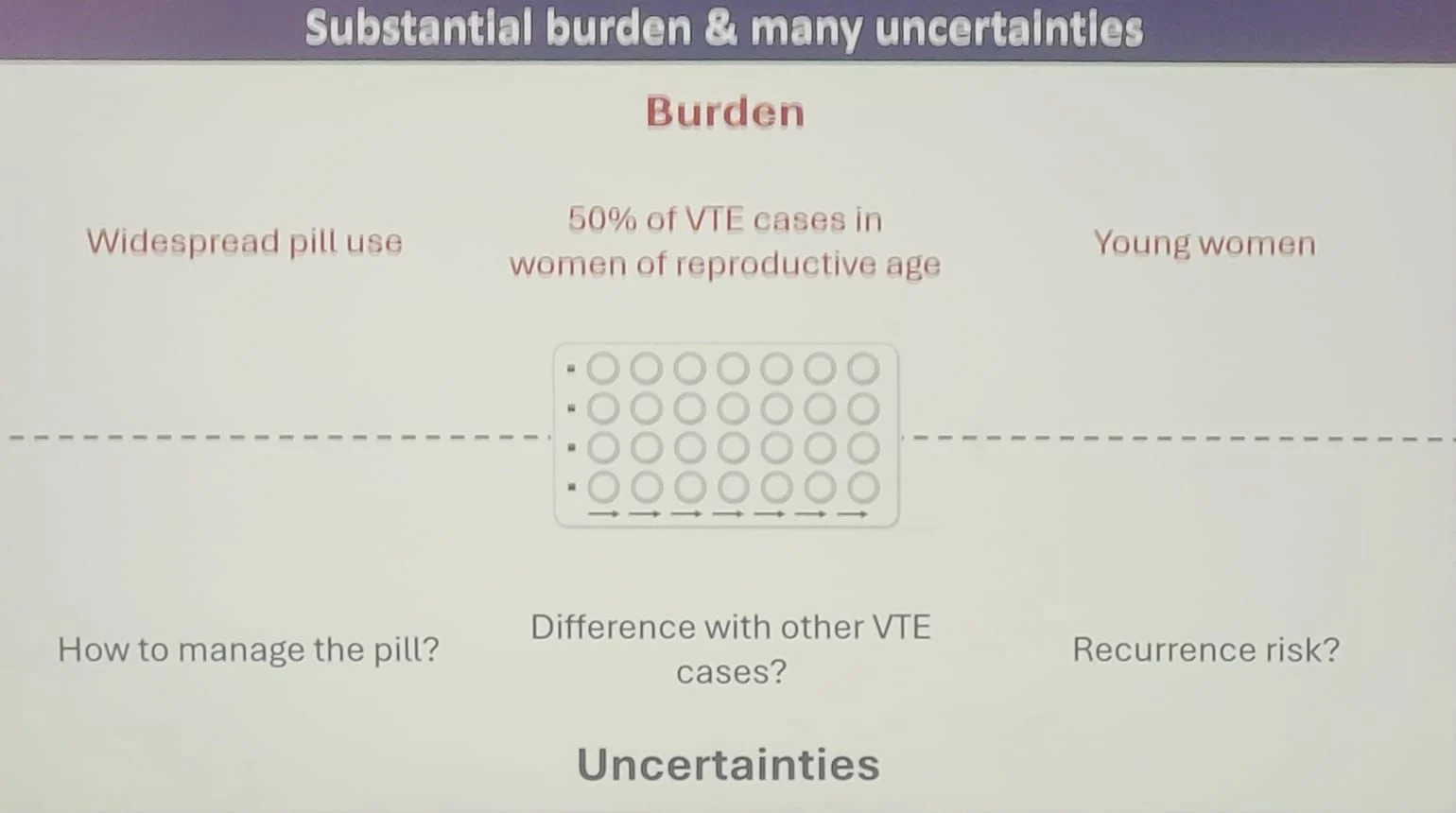
Should estrogen-associated venous thromboembolism (VTE) be managed differently from other provoked VTE events?
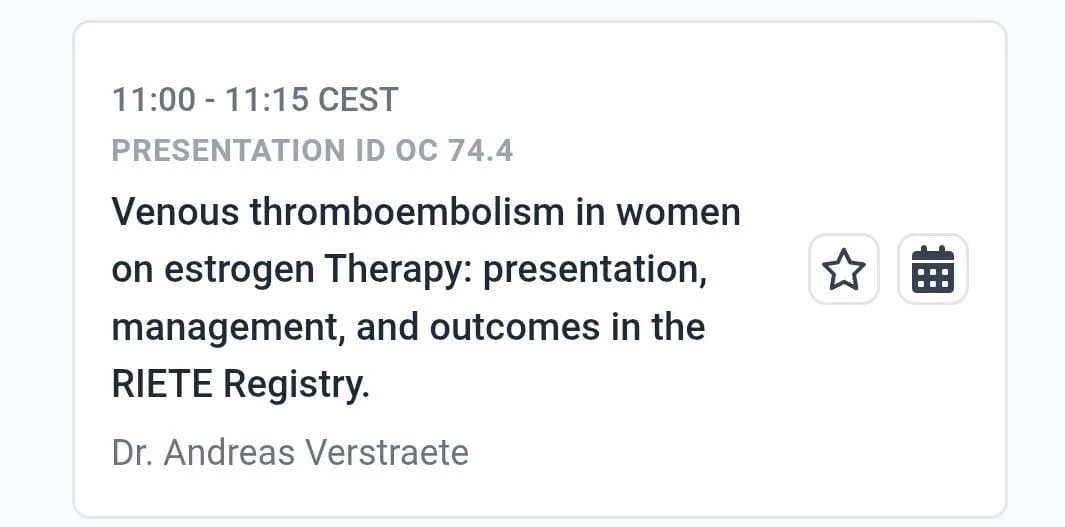
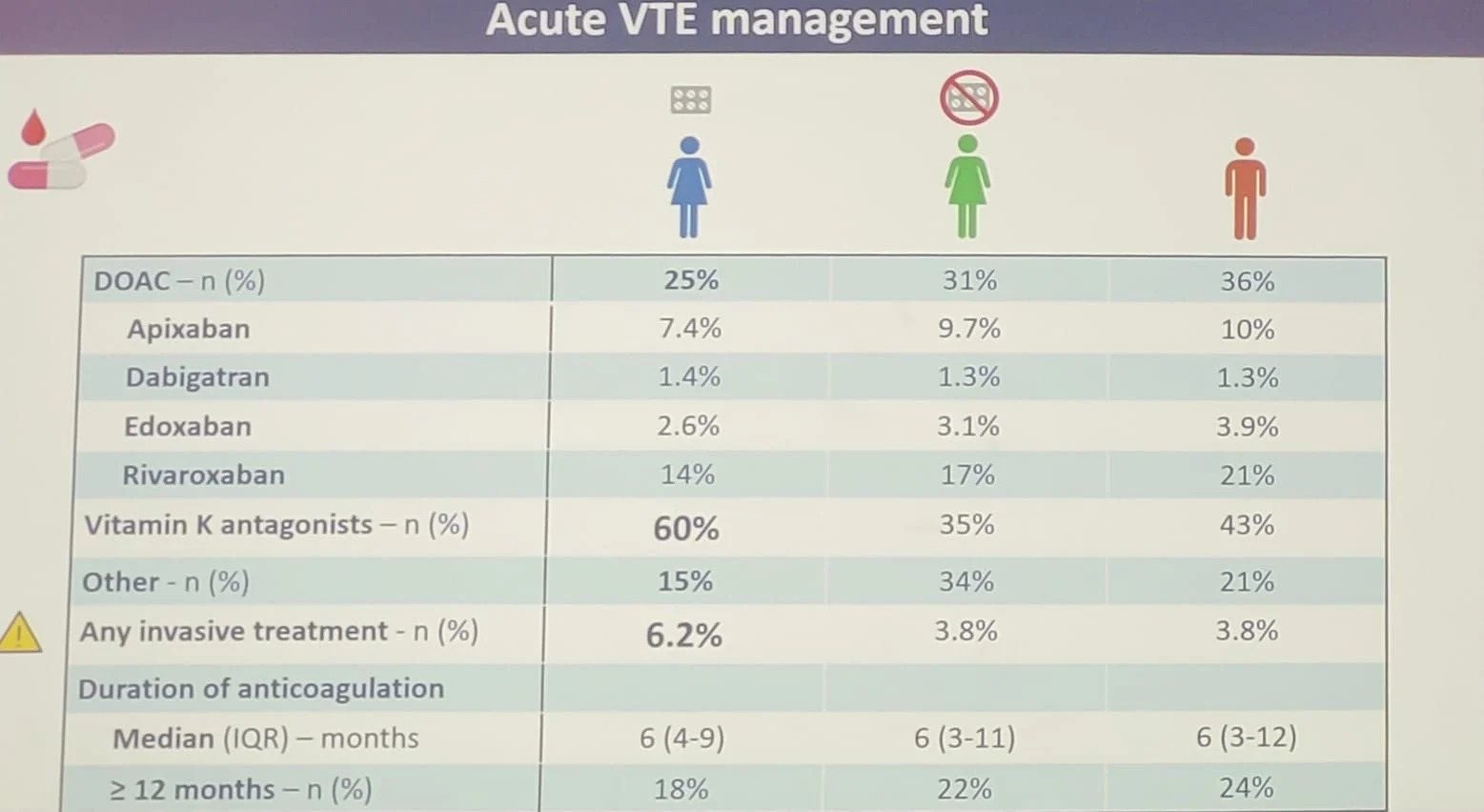
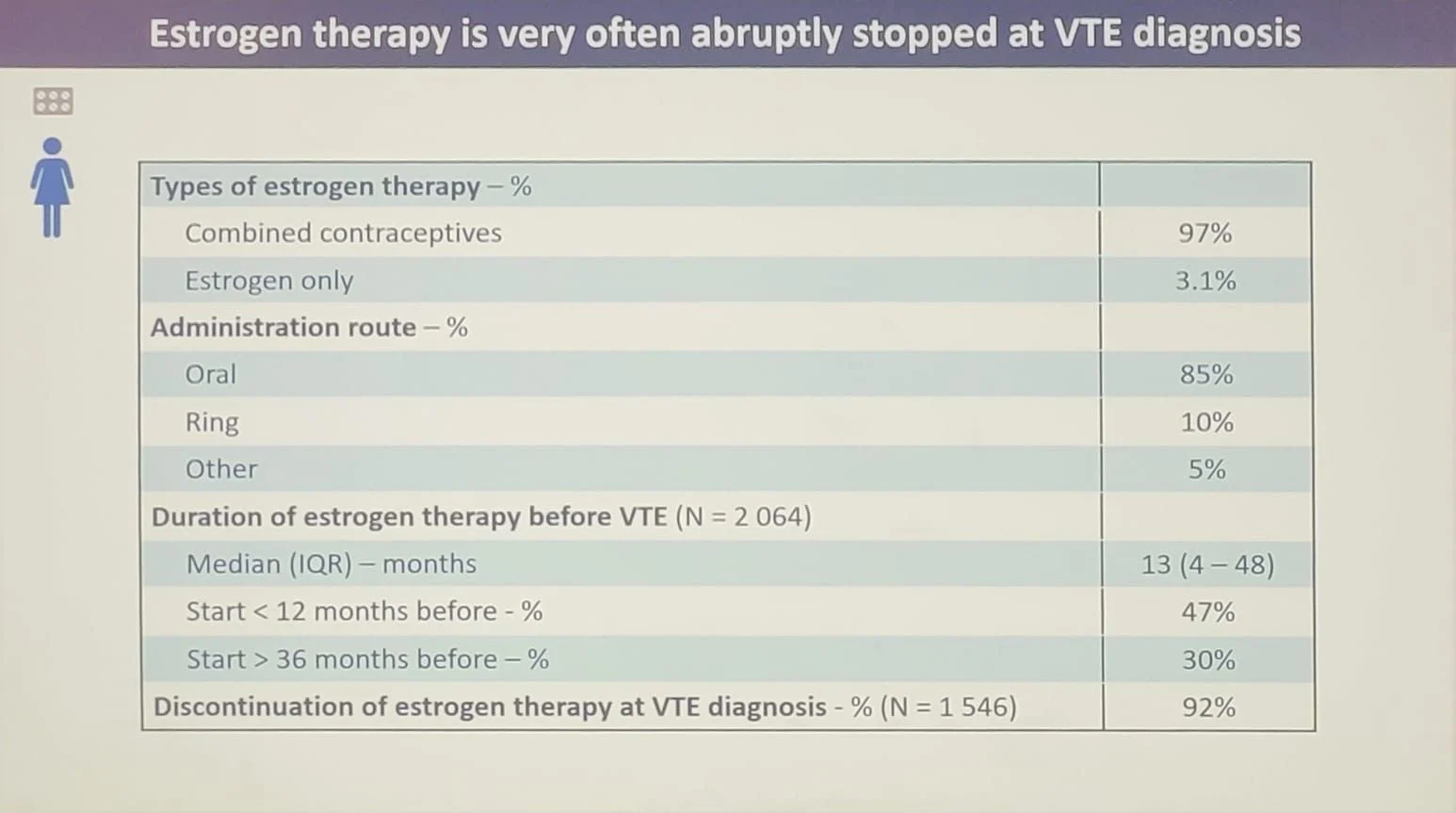
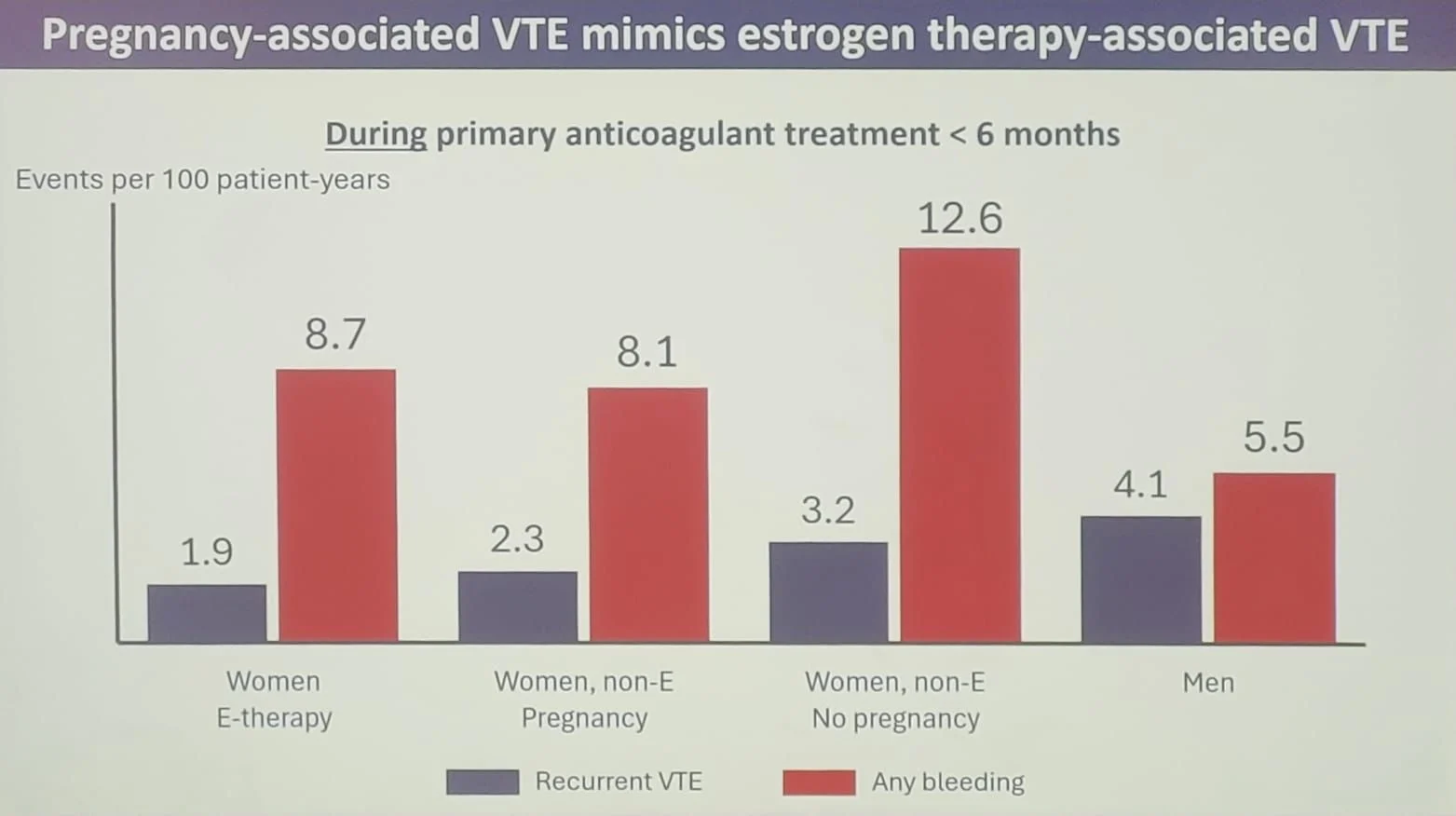
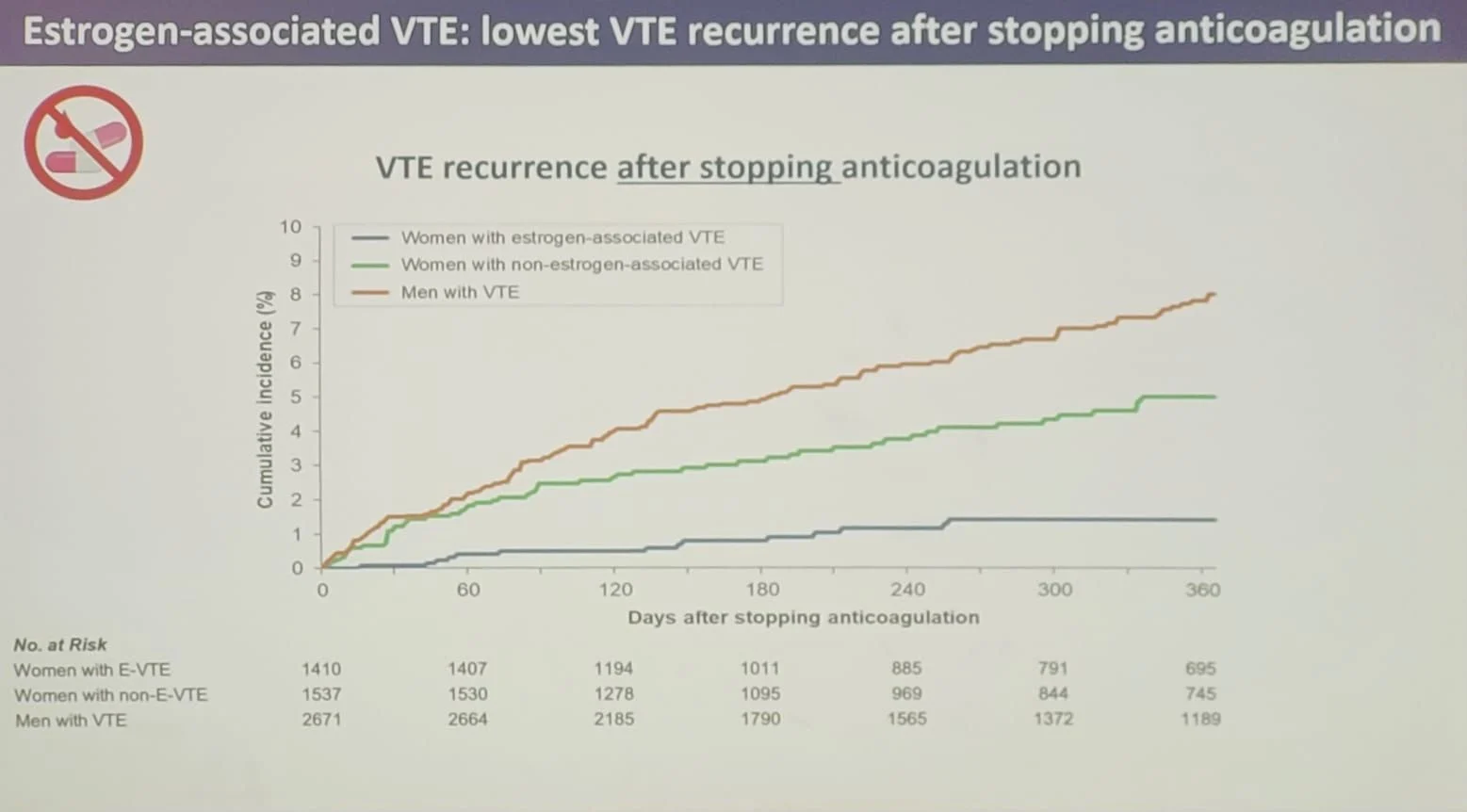
Dr. Andreas Verstraete presented data from the RIETE Registry, one of the world’s largest prospective VTE registries, evaluating the presentation, treatment, bleeding risk, and recurrence patterns in women with estrogen-associated thrombosis.
Study population
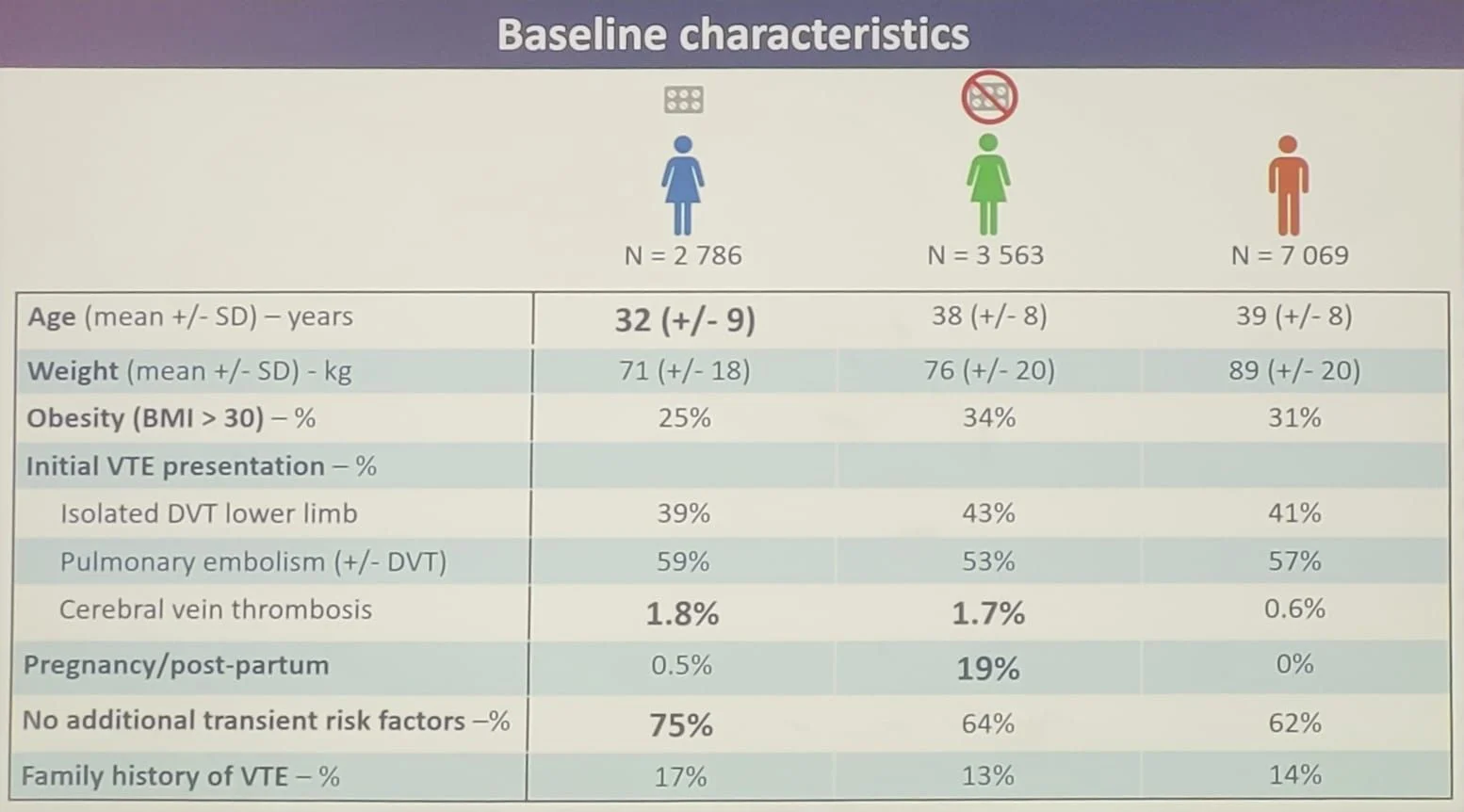
The analysis included 13,418 patients aged 10–49 years diagnosed with lower-extremity DVT, pulmonary embolism (PE), cerebral venous thrombosis (CVT), or superficial vein thrombosis (SVT):
- 2,786 women with estrogen-associated VTE
- 3,563 women with non-estrogen-associated VTE
- 7,069 men with VTE
Patients with active cancer, older age, and other uncommon thrombosis sites were excluded, allowing a focused comparison of hormonally provoked thrombosis.
Key baseline observations
Women with estrogen-associated VTE represented a distinct clinical phenotype:
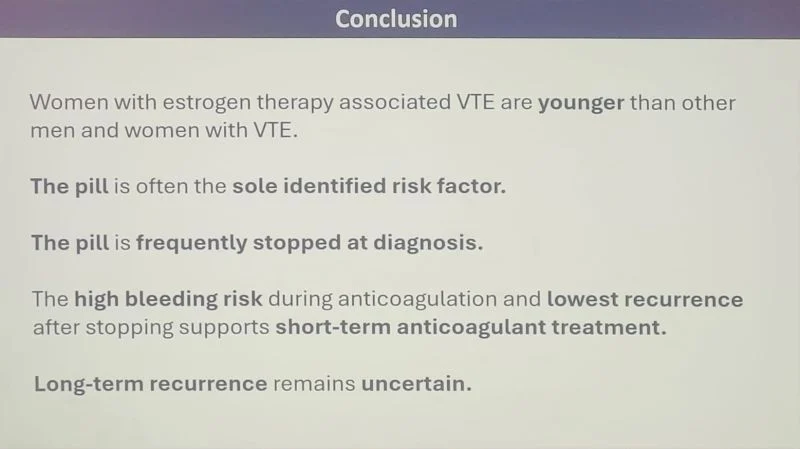
- They were substantially younger (mean age 32 years) than women without estrogen exposure (38 years) and men (39 years).
- Nearly three-quarters (75%) had no additional transient provoking factor, suggesting that estrogen exposure itself was frequently the only identifiable trigger.
- Pulmonary embolism
The RIETE data reinforce an increasingly accepted concept:
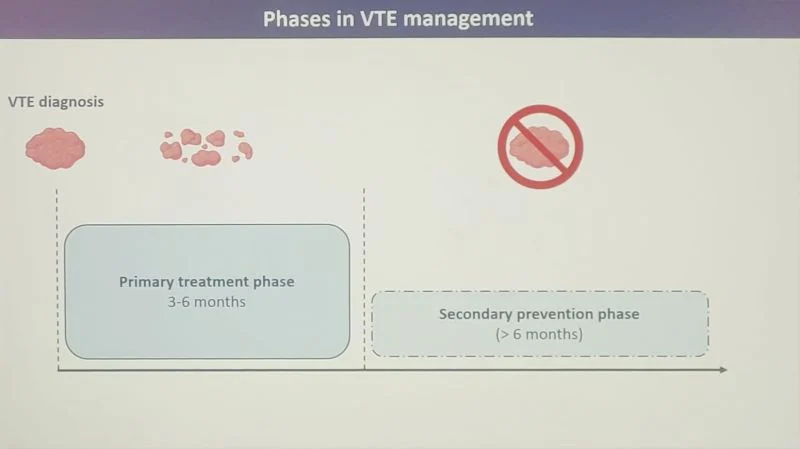
For women whose VTE is clearly provoked by estrogen exposure, and in whom the provoking factor has been discontinued, extended anticoagulation beyond the initial treatment phase is unlikely to provide substantial additional benefit for most patients.
Instead, the decision should balance:
- the very low recurrence risk after stopping therapy,
- the measurable bleeding risk while continuing anticoagulation,
- patient preferences,
- future pregnancy plans,
- inherited thrombophilia,
- and persistent risk factors.
Importantly, the authors emphasized that long-term recurrence remains insufficiently characterized, highlighting the need for extended follow-up studies before definitive recommendations can be made.
Take-home message
This presentation provides robust real-world evidence that estrogen-associated VTE represents a unique clinical entity rather than simply another provoked thrombotic event.
Women with estrogen-associated thrombosis are younger, usually have estrogen exposure as the only identifiable provoking factor, experience the lowest recurrence rates after treatment discontinuation, and may derive limited benefit from prolonged anticoagulation.”
Stay Updated with the Latest ISTH 2026 Updates on Hemostasis Today.
-
Oct 16, 2026, 14:55Alex Borstein and the Bleeding Phenotype of Hemophilia A Carriers
-
Oct 16, 2026, 13:59Aya Akmal Amin: Antiphospholipid Syndrome Management and Risk Stratification
-
Oct 16, 2026, 13:10Emanuel Sueldo: CAHT 2026 Celebrates Scientific Progress and Team Achievements
-
Oct 16, 2026, 13:05Maha Othman: Queen’s Health Sciences Advances CAT Risk Models and Pediatric ISTH-BAT Cut-Offs
-
Oct 16, 2026, 13:03Thrombosis Awareness Must Lead to Timely Action – Roche
-
Oct 16, 2026, 12:49Wolfgang Miesbach: 5-Year CBDR Data Confirms Emicizumab Safety and Efficacy in Hemophilia A
-
Oct 16, 2026, 12:40Edward Lee Carter: How Factor XI Inhibition Could Transform Anticoagulation Therapy
-
Oct 16, 2026, 12:40Marc Carrier: Looking Ahead to ISTH 2027 in Vancouver
-
Oct 16, 2026, 12:30Bob Lempke: How One Blood Donation Can Save Up to Three Lives