

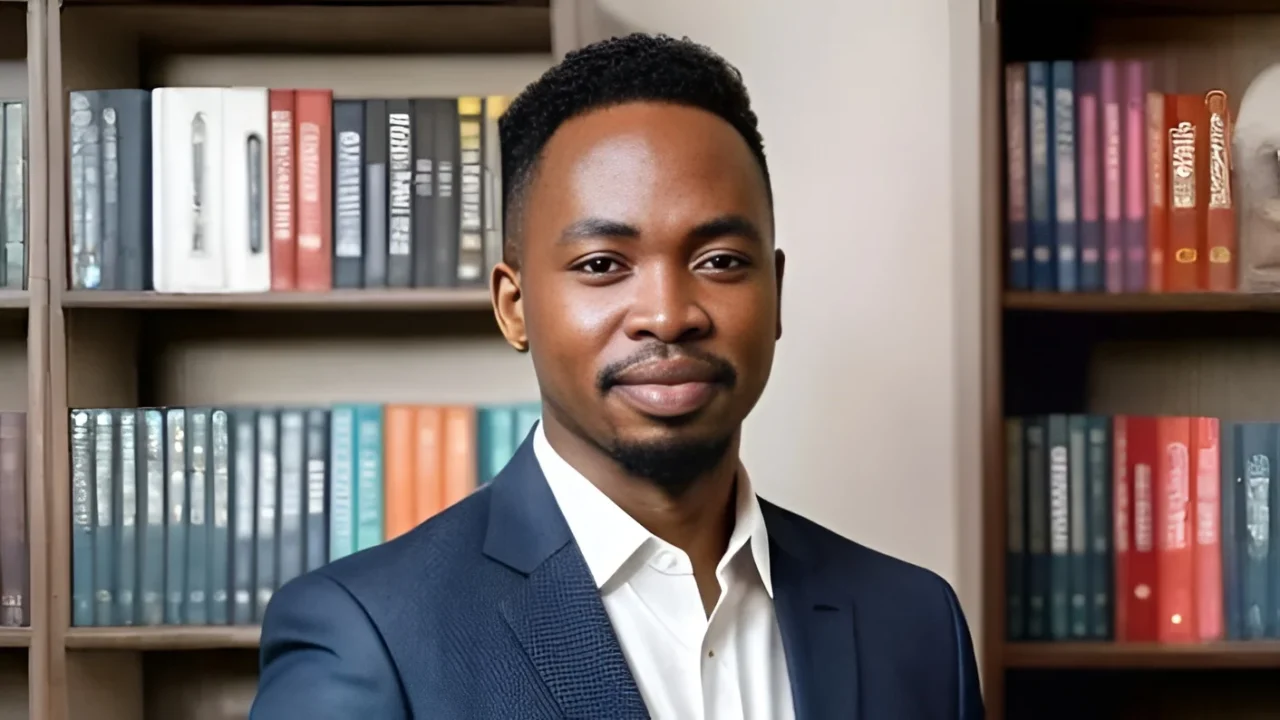
Folusho Adeosun: Your 30-Minute Plan for SCD Emergencies
Folusho Adeosun, Founder and CEO at Mo’sho Adeosun Health Initiative and Creative Director at The Trove Educational Services Limited, shared a post on LinkedIn:
“If you have 30 minutes to save an SCD warrior … Would you know what you do?
A True Story
It was a Sunday evening.
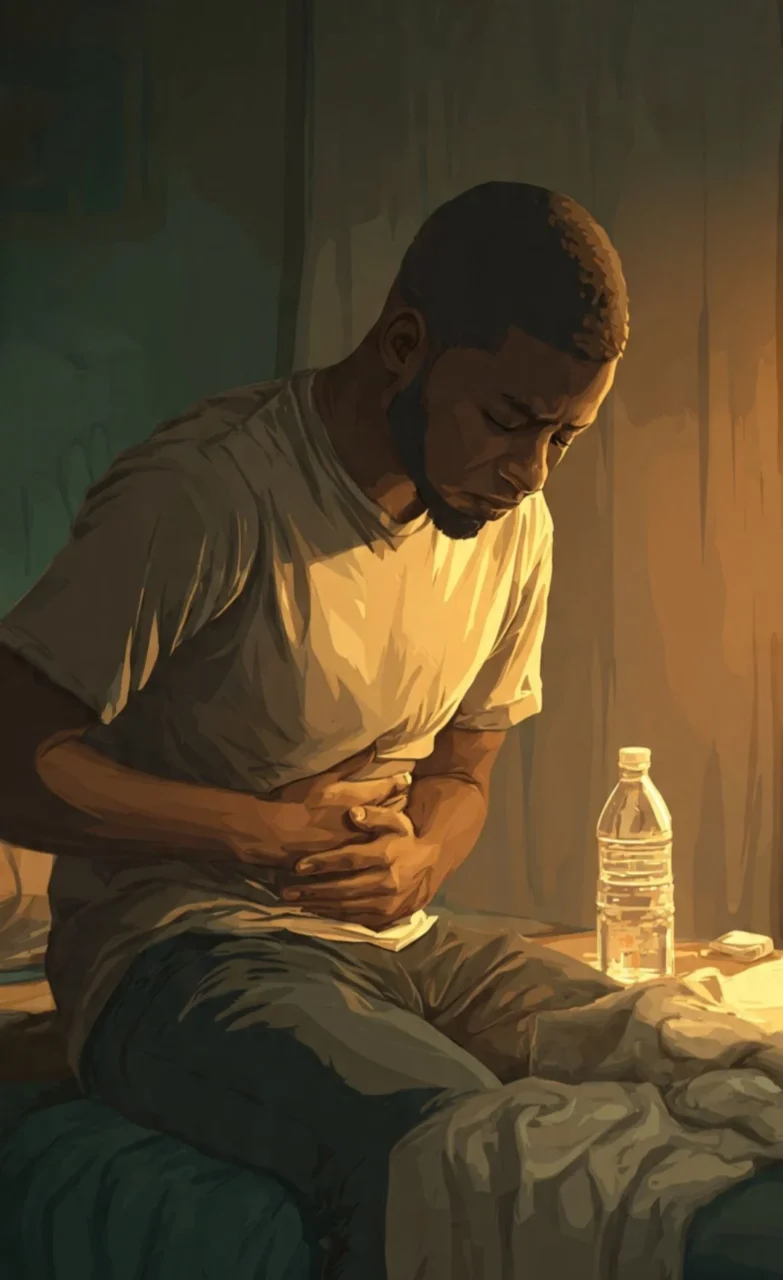
A young man named Tade-mid-twenties, quiet, known in his building for always greeting people by name, collapsed in the hallway of a Lagos apartment block after spending several hours alone in his room.
His flatmate, panicked, ran to the neighbours for help.
Nobody moved fast enough.
Not because they didn’t care.
But because nobody knew what they were looking at.
Tade had Sickle Cell Disease.
He was in a vaso-occlusive crisis, the most common and most misunderstood emergency in SCD.
Every minute that passed without the right response made the pain harder to reverse.
Every minute of delay narrowed the window between crisis and catastrophe.
Tade survived but only because one person in that building had attended a community health session the month before.
One person.
That was the difference between life and loss.
This is not a rare story.
It plays out every single day in homes, schools, offices, and streets across Nigeria.
Over 150,000 babies are born with SCD in Nigeria every year.
Most people know someone living with it but very few know how to help when it matters most.
150K+ SCD births yearly in Nigeria
30 min Critical response window
1 in 4 Nigerians carry the sickle cell trait
What those 30 minutes should look like:
- Stay calm and speak gently. Panic escalates the pain. Your composure is already helping.
- Hydrate them immediately. Water helps, slowly because dehydration is a major crisis trigger.
- Apply warmth, not cold. Cold constricts blood vessels and worsens sickling. Warm compress to the pain site helps a great deal.
- Get them to a hospital, don’t wait to see if it passes. SCD crises escalate silently.
- Tell the medical team it is SCD. Say it clearly. It changes the entire treatment pathway.
SCD warriors are not fragile.
They are some of the most resilient people you will ever meet.
But resilience is not the same as not needing support.
- We need communities that understand us.
- We need people who won’t panic.
- We need you to know what to do before the moment arrives.
Share this post.
Not because it’s interesting.
But because the next person who reads it might be standing in that hallway.
At MAHI,Mo-sho Adeosun Health Initiative, we work every day to close this gap between awareness and action.
One community at a time.
One warrior at a time.”
Stay updated with Hemostasis Today.
-
Oct 17, 2026, 17:27John Strouse: Building Standards for Whole-Person Sickle Cell Care Through Collaboration
-
Oct 17, 2026, 17:20Jean-Jacques Kiladjian: Exploring the Future of Polycythemia Vera Treatment at MPN Horizons 2026
-
Oct 17, 2026, 17:10Habib Bennaceur: Strengthening Collaboration in Haemophilia, Sickle Cell Disease and Thalassaemia in India
-
Oct 17, 2026, 16:58Danny Hsu: Building Connections at the AUSNBled Collaborative Dinner in Auckland
-
Oct 17, 2026, 16:48Kalyan Roy: Enhancing Patient Experience Through Learning and Collaboration
-
Oct 17, 2026, 16:43Wilfried Dinh: Antiplatelet Therapy in 2026: Duration is Becoming a Dynamic Decision
-
Oct 17, 2026, 16:37Ian Setchfield: Dr. Evans Presents on Safe Anticoagulation Prescribing at East Kent Hospitals
-
Oct 17, 2026, 16:33Lewis Thomas: Connecting Through Shared Experiences at ASCAT 2026
-
Oct 17, 2026, 16:29Nilesh Jethwa: Yasmin Adverse Event Reports Exceed 23,000 Over Two-Year Period