

Heghine Khachatryan: Key Takeaways from Day 1 – WFH 2026 World Congress
Heghine Khachatryan, Editor-in-Chief of Hemostasis Today and Head of the Hemophilia and Thrombosis Center at the Yeolyan Hematology and Oncology Center, shared posts on LinkedIn about key insights from Day 1 of the World Federation of Hemophilia (WFH) 2026 Congress:
“WFH 2026 – Day 1 Insights
Prof. Glenn Pierce | Vice President, WFH
Today’s opening session set a powerful tone for the future of global hemostasis care – grounded in equity, innovation, and system-level transformation.
A few critical takeaways from Prof. Glenn Pierce’s presentation:
1. The true cost of innovation vs. access gap
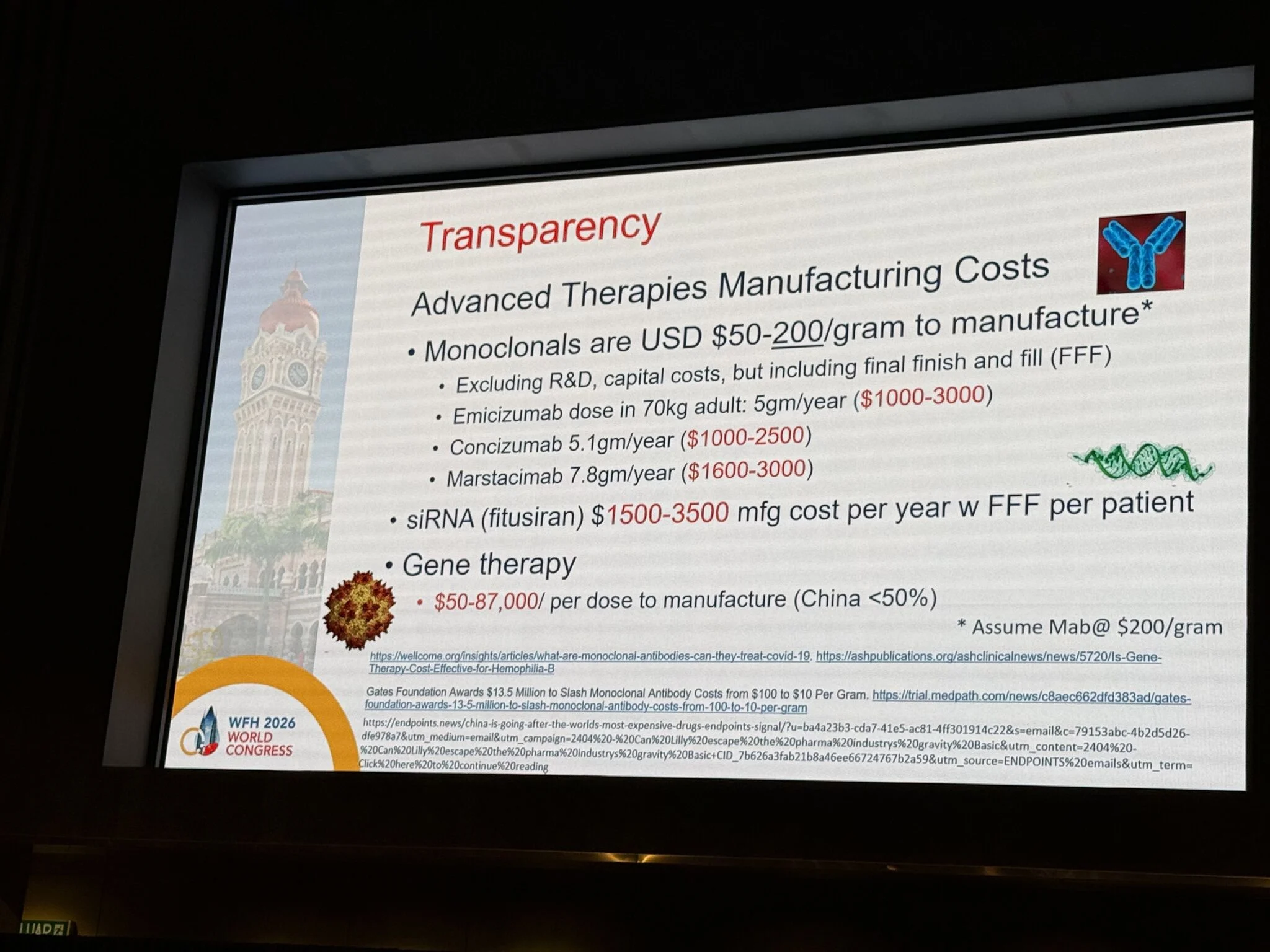
Advanced therapies—including monoclonal antibodies, siRNA (fitusiran), and gene therapy—are not inherently unaffordable to manufacture.
- Production costs for monoclonals: ~$50–200/gram
- siRNA annual manufacturing: ~$1,500–3,500 per patient
- Gene therapy: ~$50,000–87,000 per dose
The paradox is clear:
Cost of production does not equal cost of access.
2. Equity remains the central challenge
Despite scientific breakthroughs, global access is still uneven.
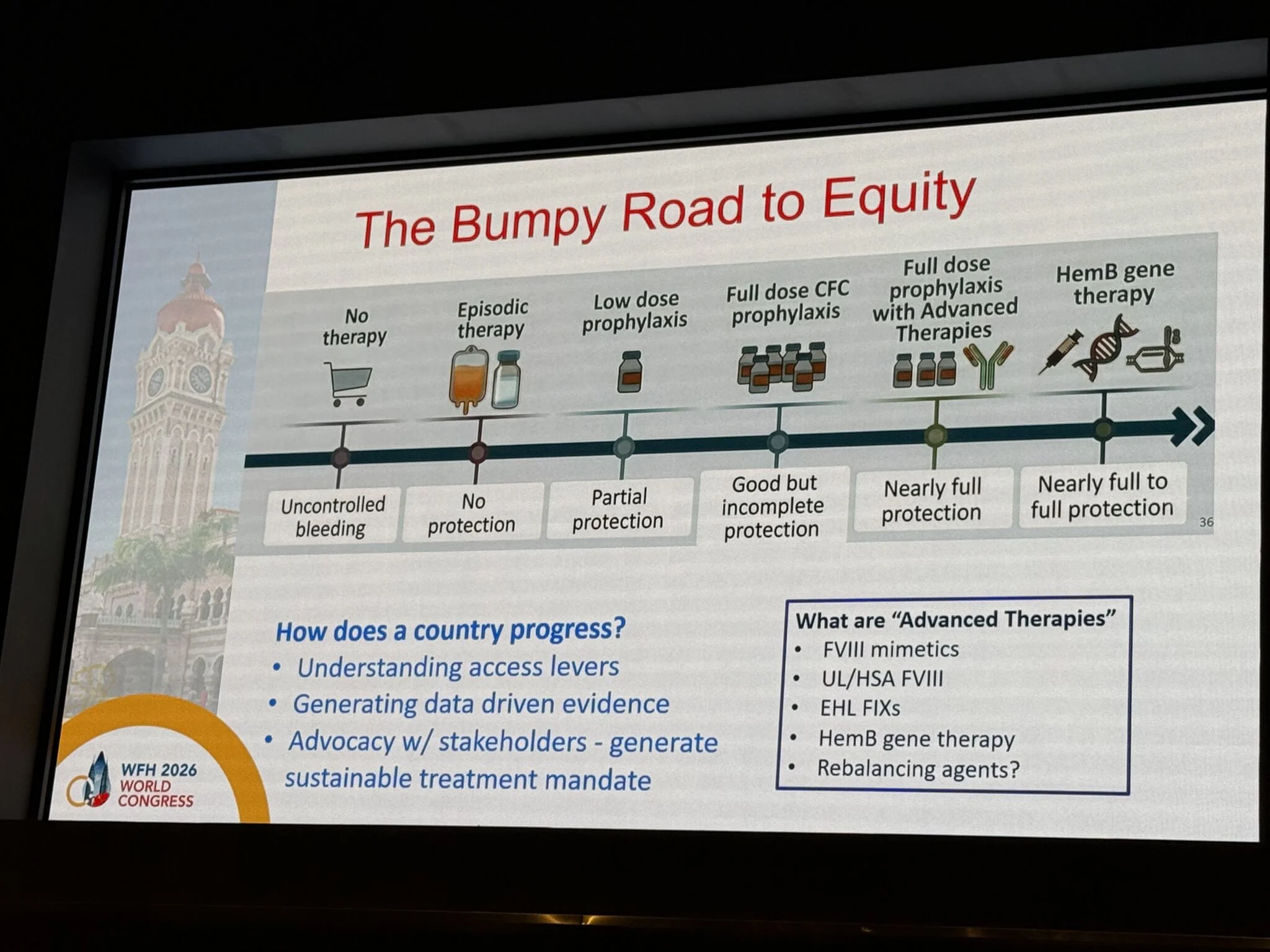
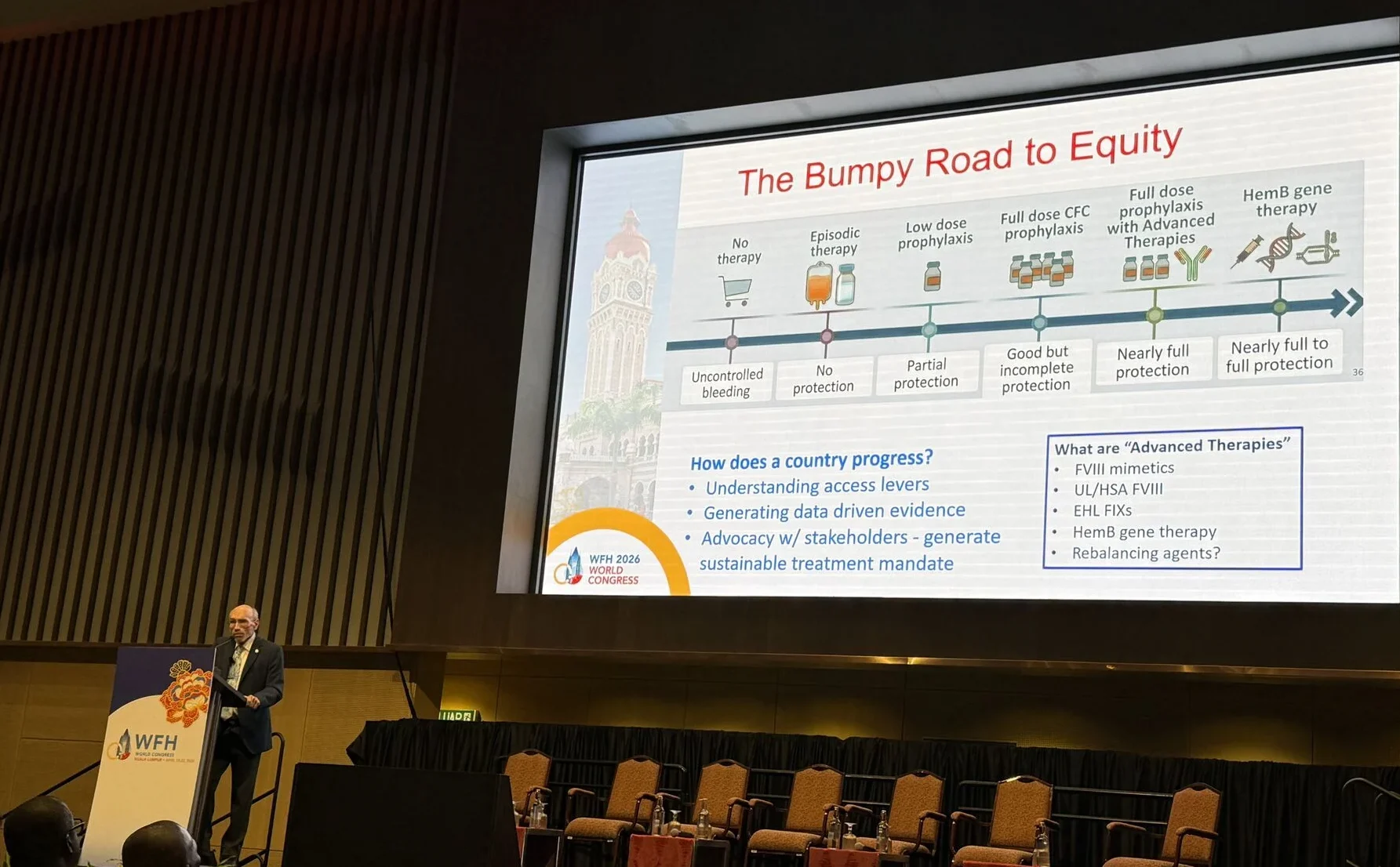
The ‘Bumpy Road to Equity’ clearly illustrates:
Many patients remain at:
- No therapy
- Episodic treatment
- Suboptimal prophylaxis
While others are approaching:
- Advanced therapies
- Gene therapy
- Near-complete protection
This is not a scientific problem anymore – it is a policy and systems problem.
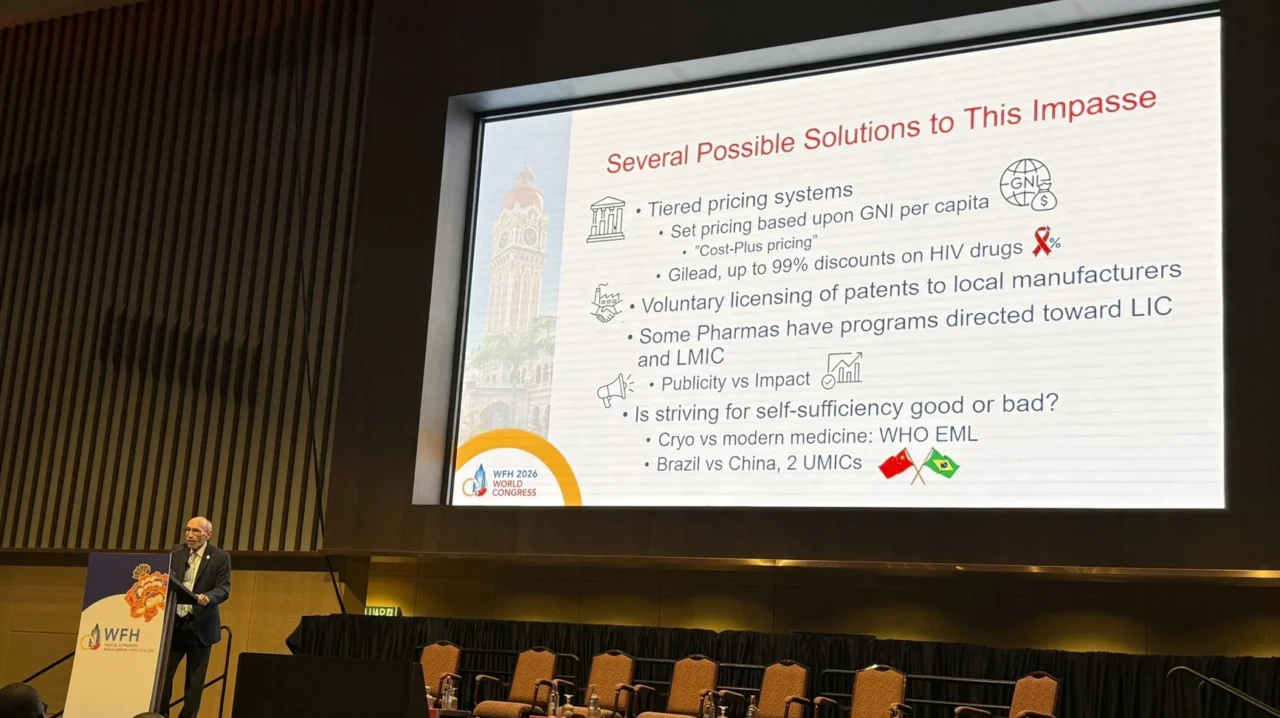
3. Real solutions are known—but underutilized
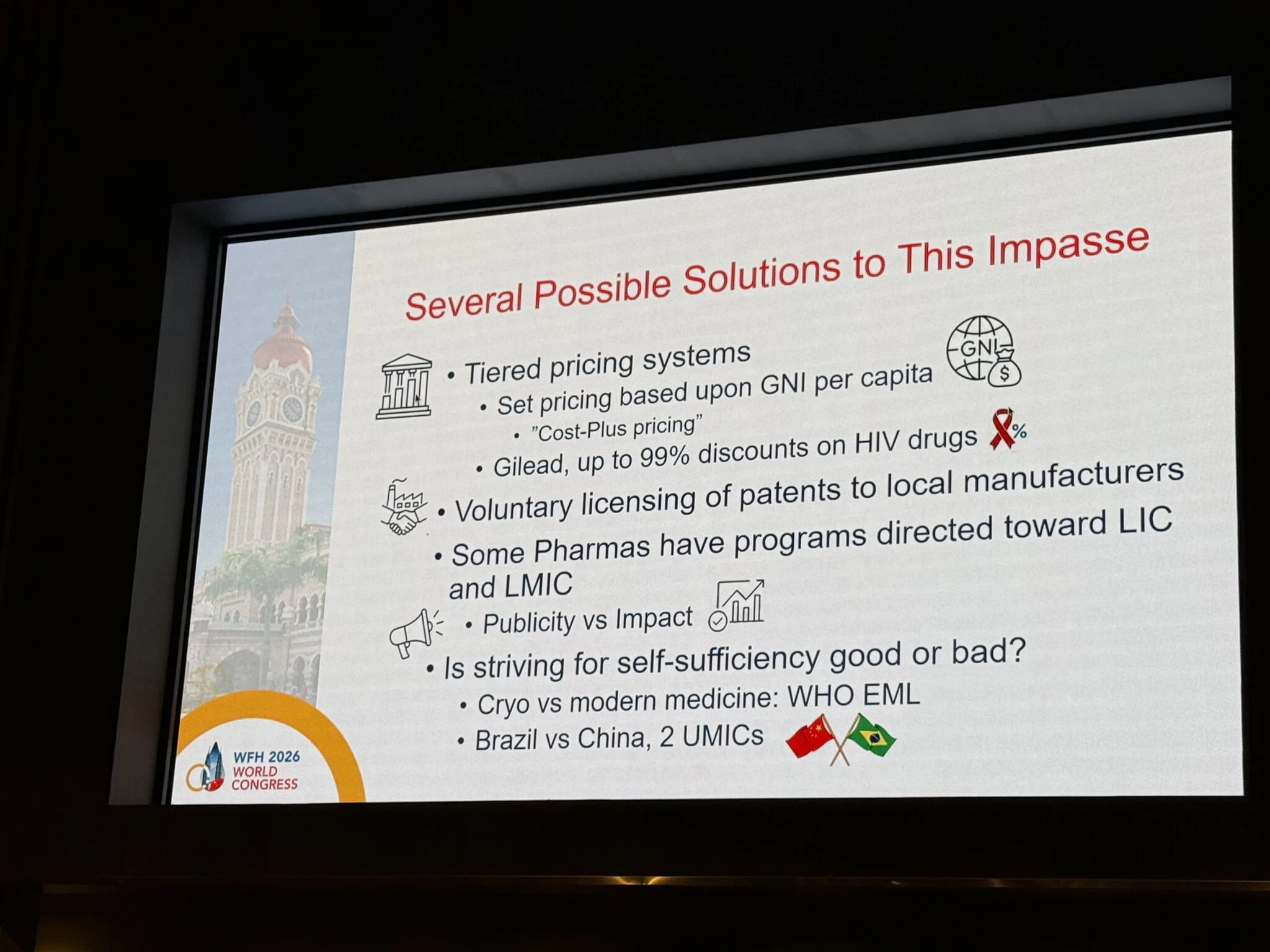
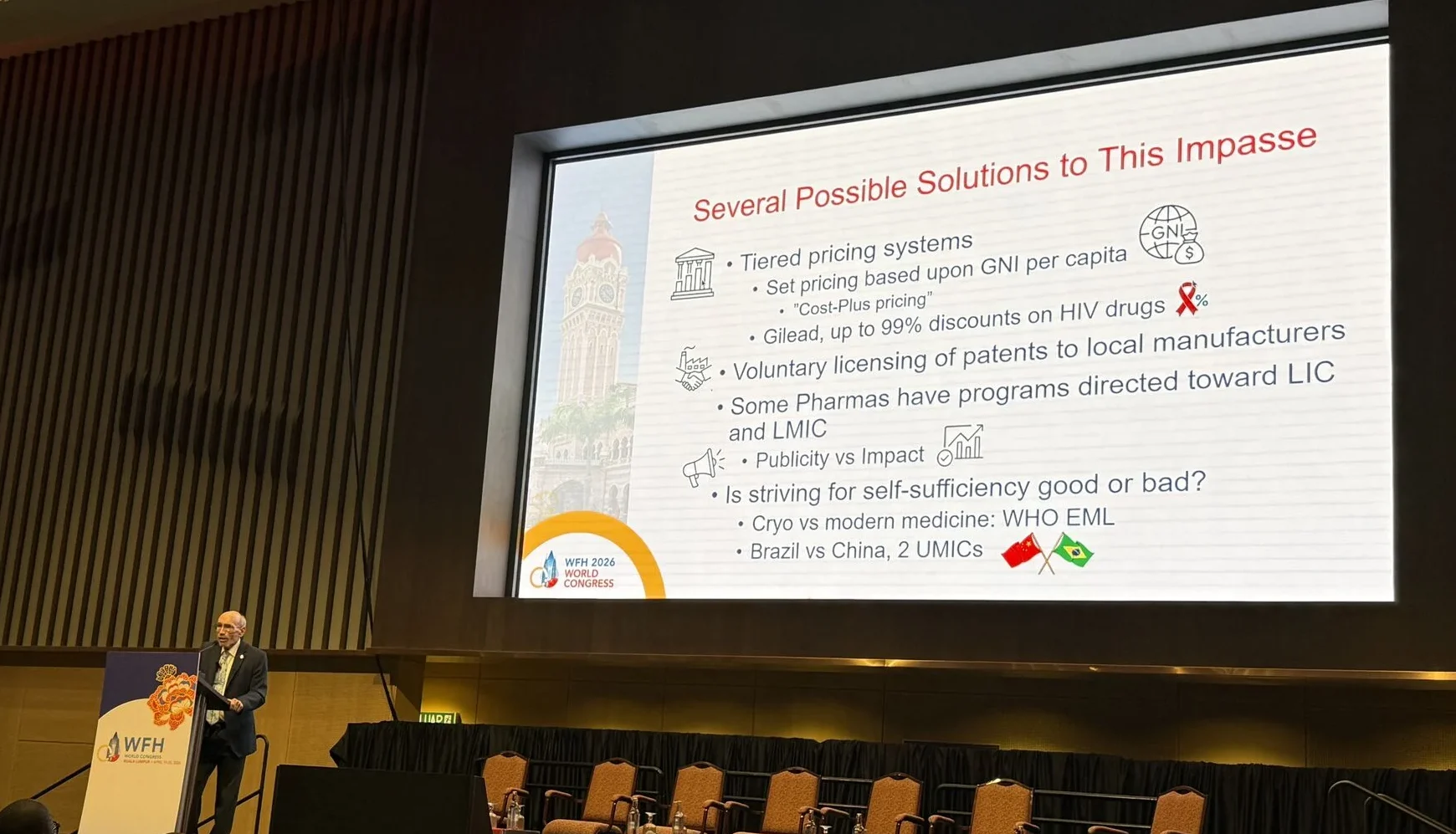
Key strategies highlighted:
- Tiered pricing based on national income (GNI)
- Voluntary licensing to enable local manufacturing
- Strategic partnerships with LMICs
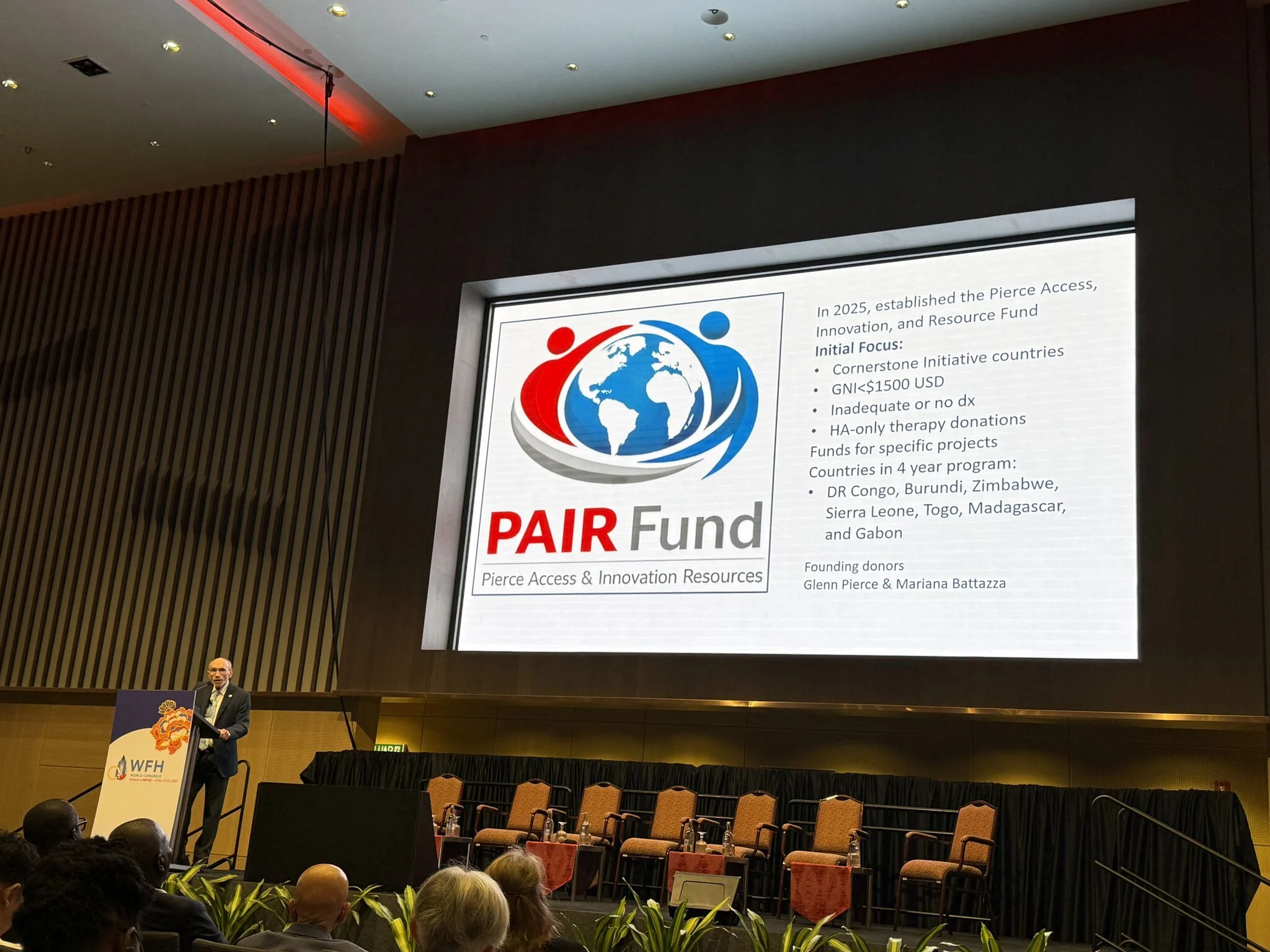
- Transition from donation models to sustainable systems
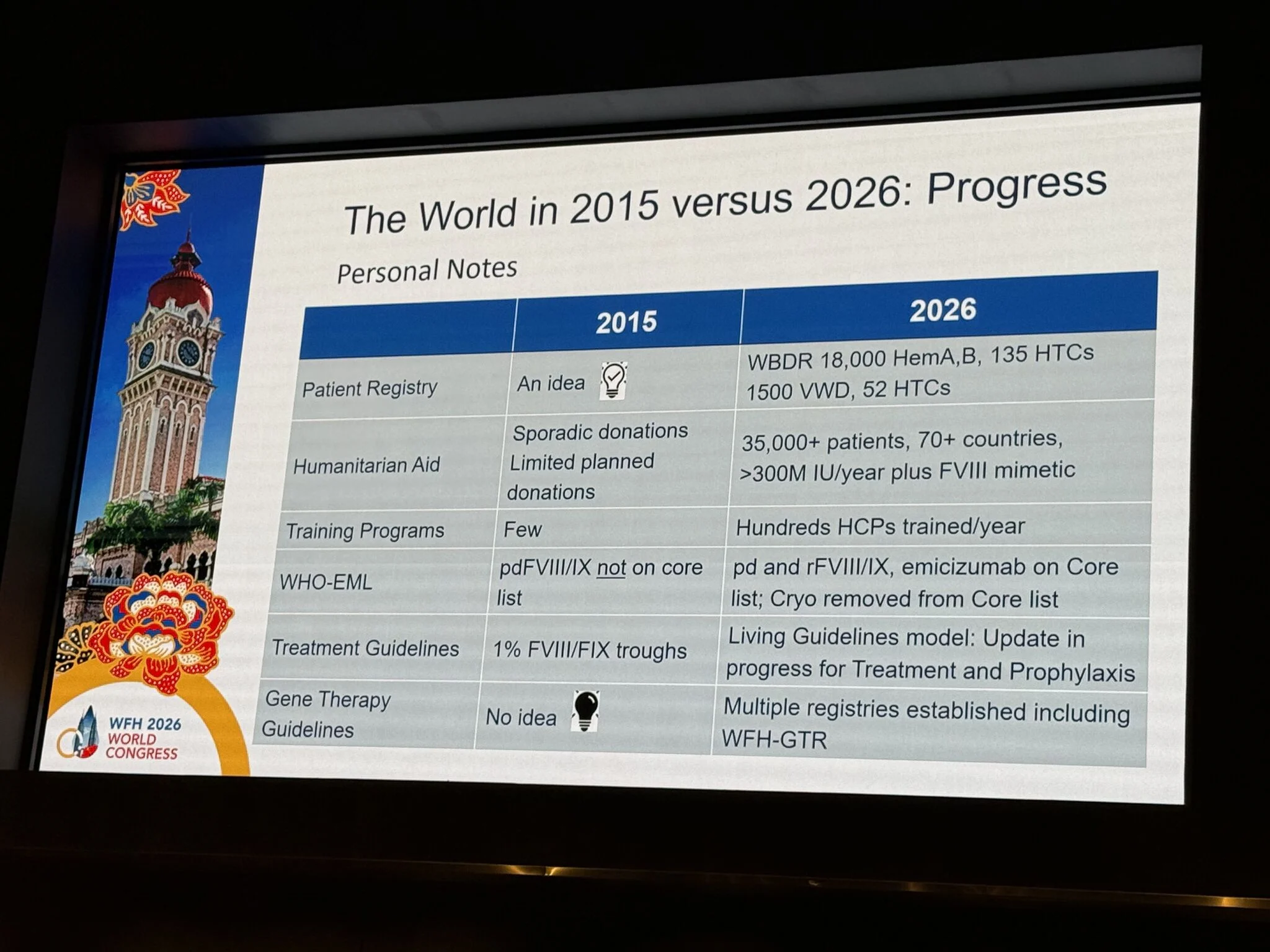
4. Lessons from global progress (2015 – 2026)
The transformation is undeniable:
- Patient registries evolved from ‘concept’ to global databases
- >35,000 patients supported through humanitarian programs
- Inclusion of emicizumab and factor concentrates in WHO EML
- Expansion of training and global treatment guidelines
Yet, equity still lags behind innovation
5. Strategic shift: self-sufficiency and local production
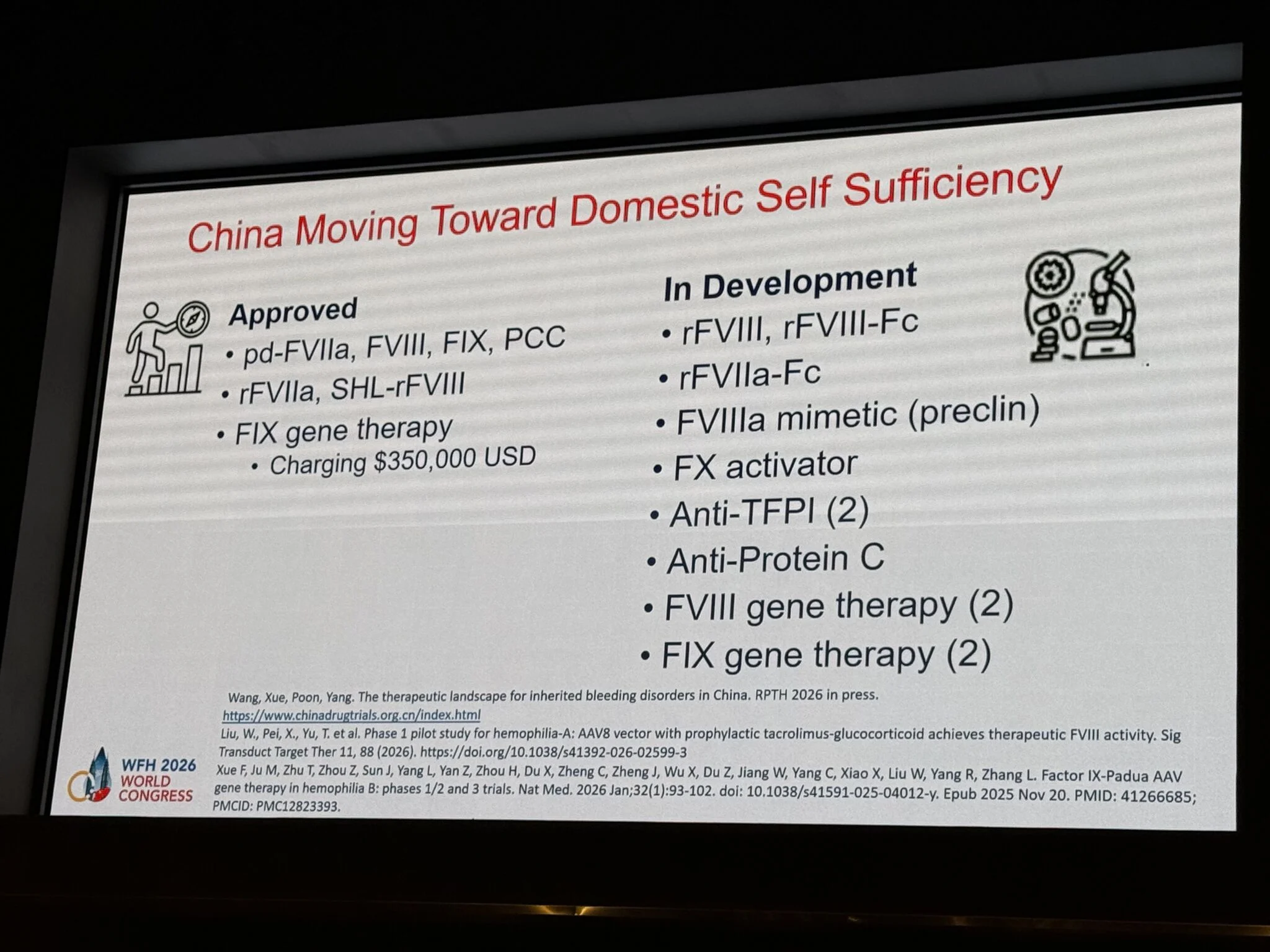
China’s model highlights a key future direction:
- Domestic production of coagulation factors
- Active pipeline: FVIII mimetics, anti-TFPI, gene therapies
- Reduced dependency on external supply chains
Raises an important question:
Should countries move toward therapeutic independence
Final message
This session reinforced a crucial paradigm:
- We are no longer limited by science.
- We are limited by implementation, policy, and global coordination.
The next decade in hemophilia care will not be defined by new molecules alone – but by our ability to translate innovation into equitable access.”
See more in the gallery.
“Prof. Philippe de Moerloose | ‘Bleeding Disorder Care in a World of Crises’
Today’s session delivered a powerful and uncomfortable truth:
Hemostasis care cannot be separated from global instability anymore.
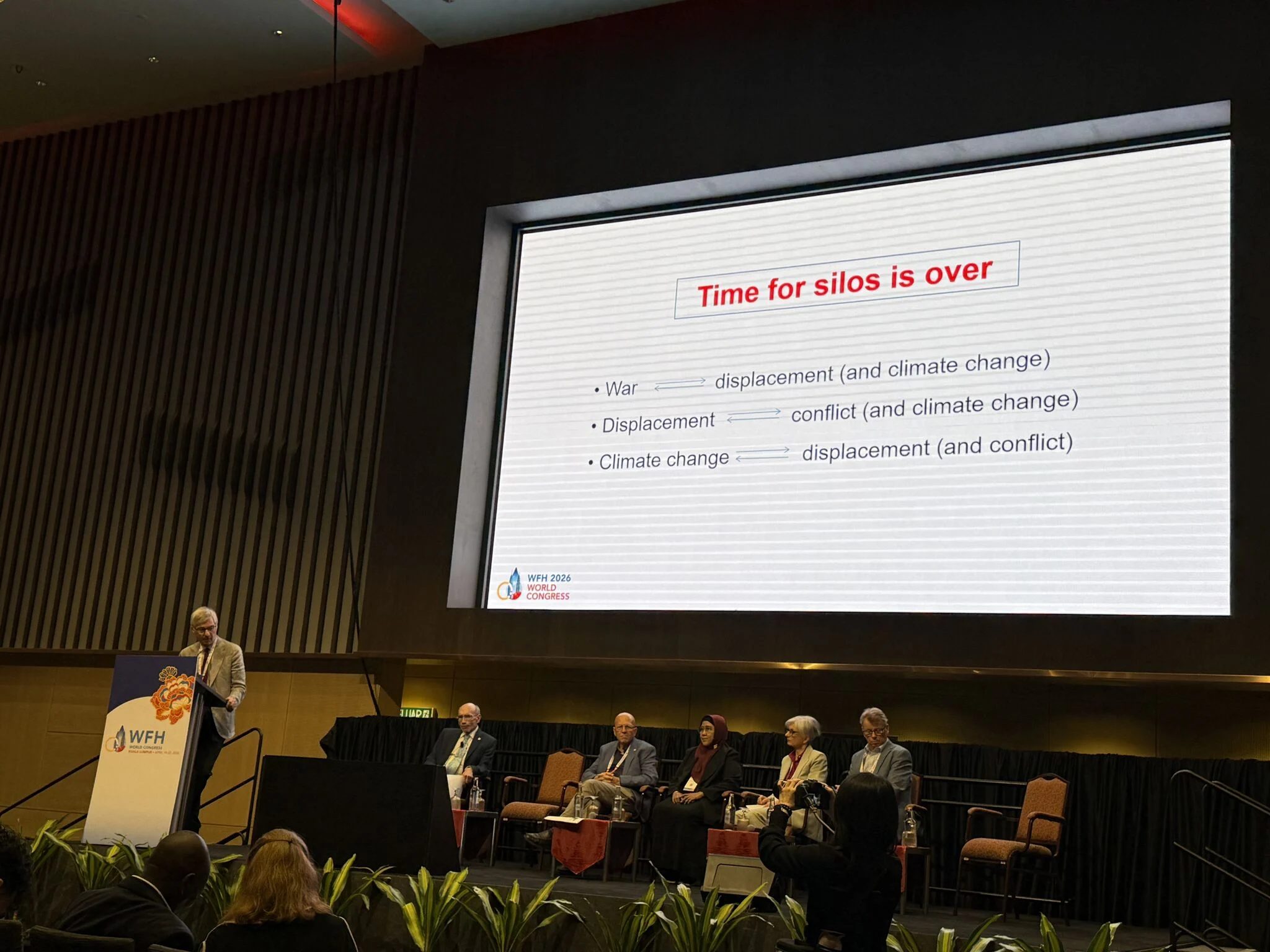
‘The time for silos is over.’
1. The new reality: interconnected crises
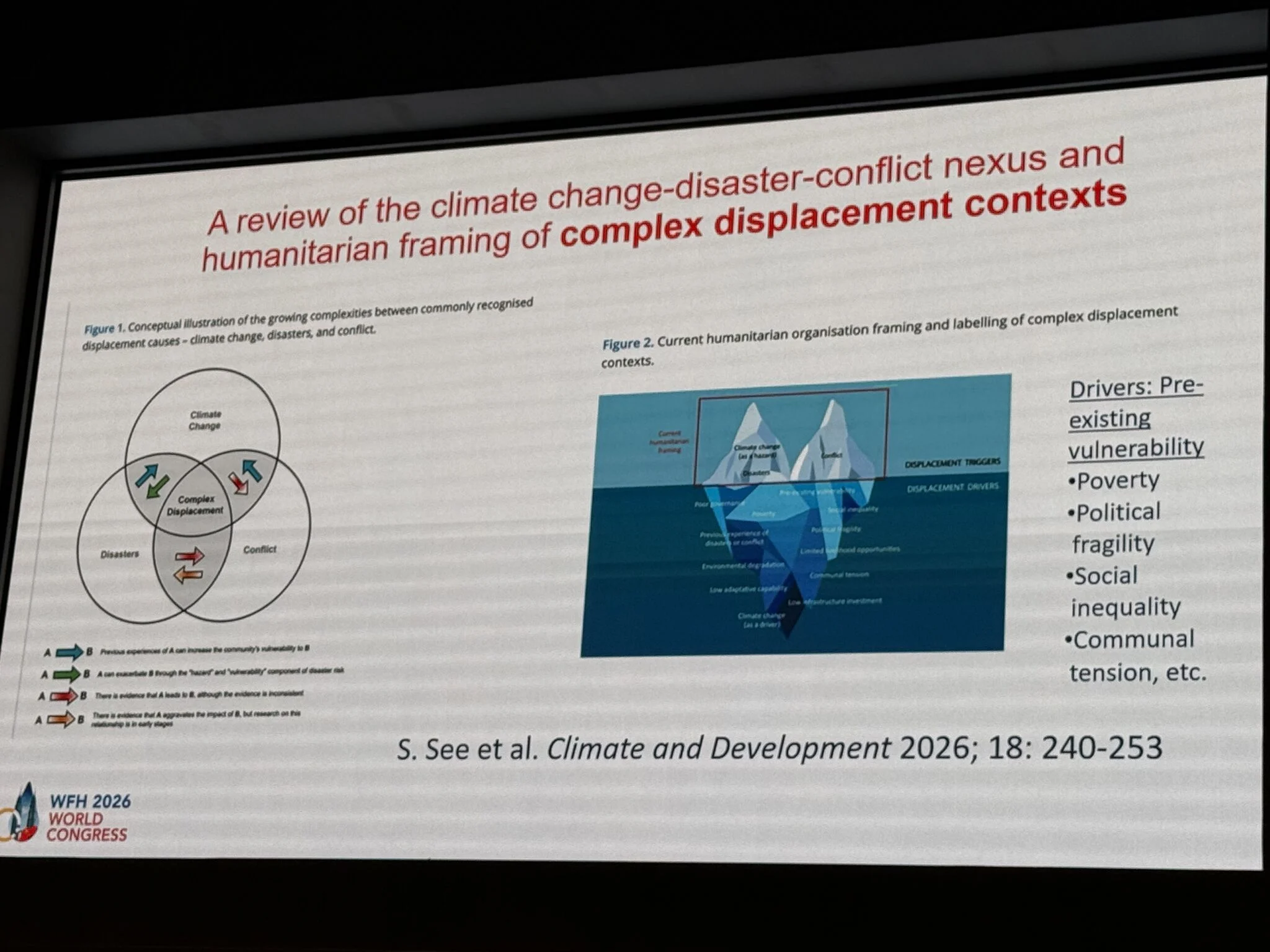
War, displacement, and climate change are no longer independent variables – they are a self-amplifying system:
- War leads to displacement leads to further conflict
- Climate change leads to displacement leads to instability
- Displacement leads to fragility leads to health system collapse
This creates what we now define as complex displacement contexts
2. Scale of the crisis is unprecedented
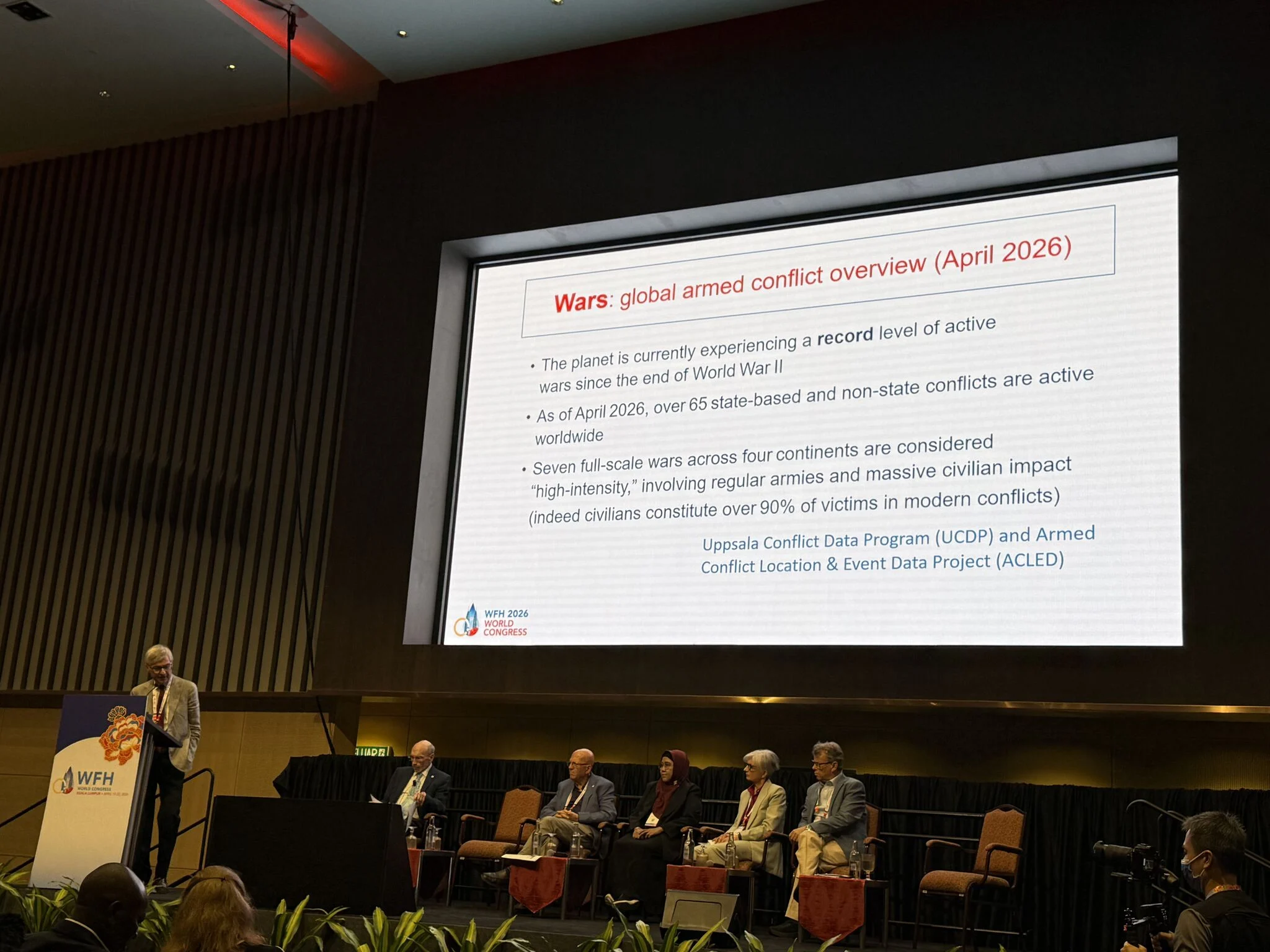
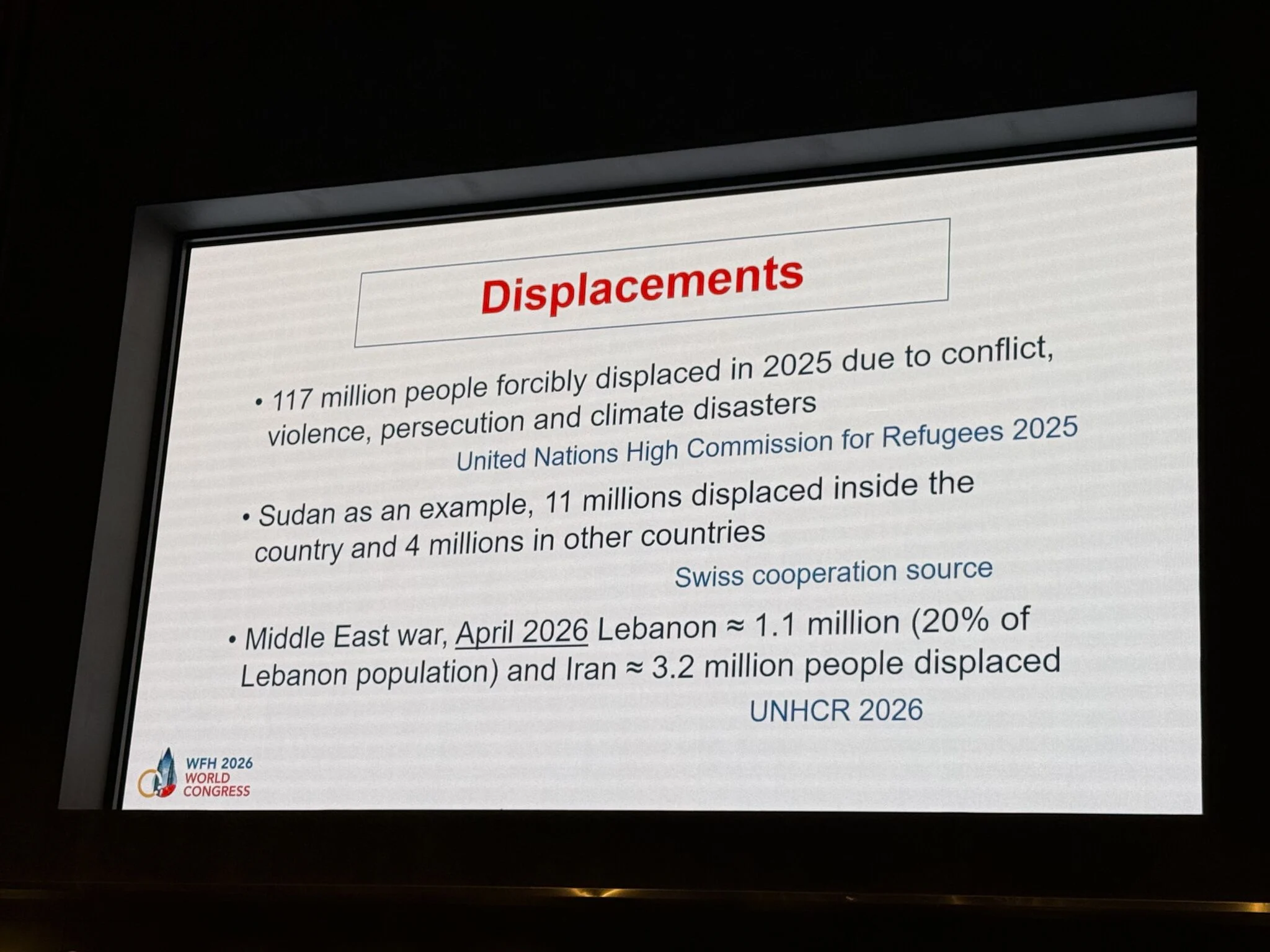
- 117 million people forcibly displaced globally (2025)
- 65 active conflicts worldwide
- Civilians represent >90% of victims in modern wars
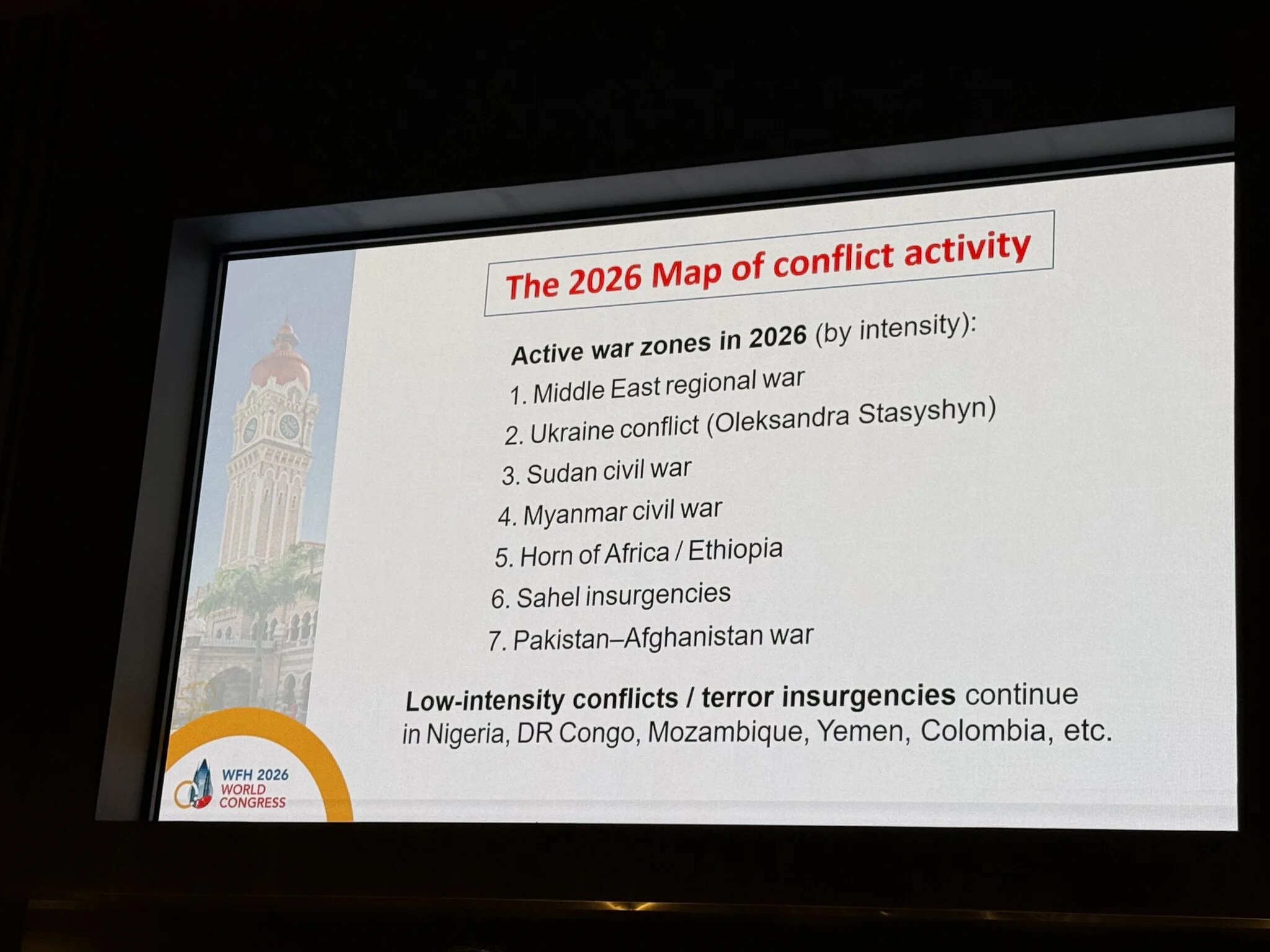
High-intensity zones include:
Middle East, Ukraine, Sudan, Myanmar, Horn of Africa, Sahel, Afghanistan–Pakistan
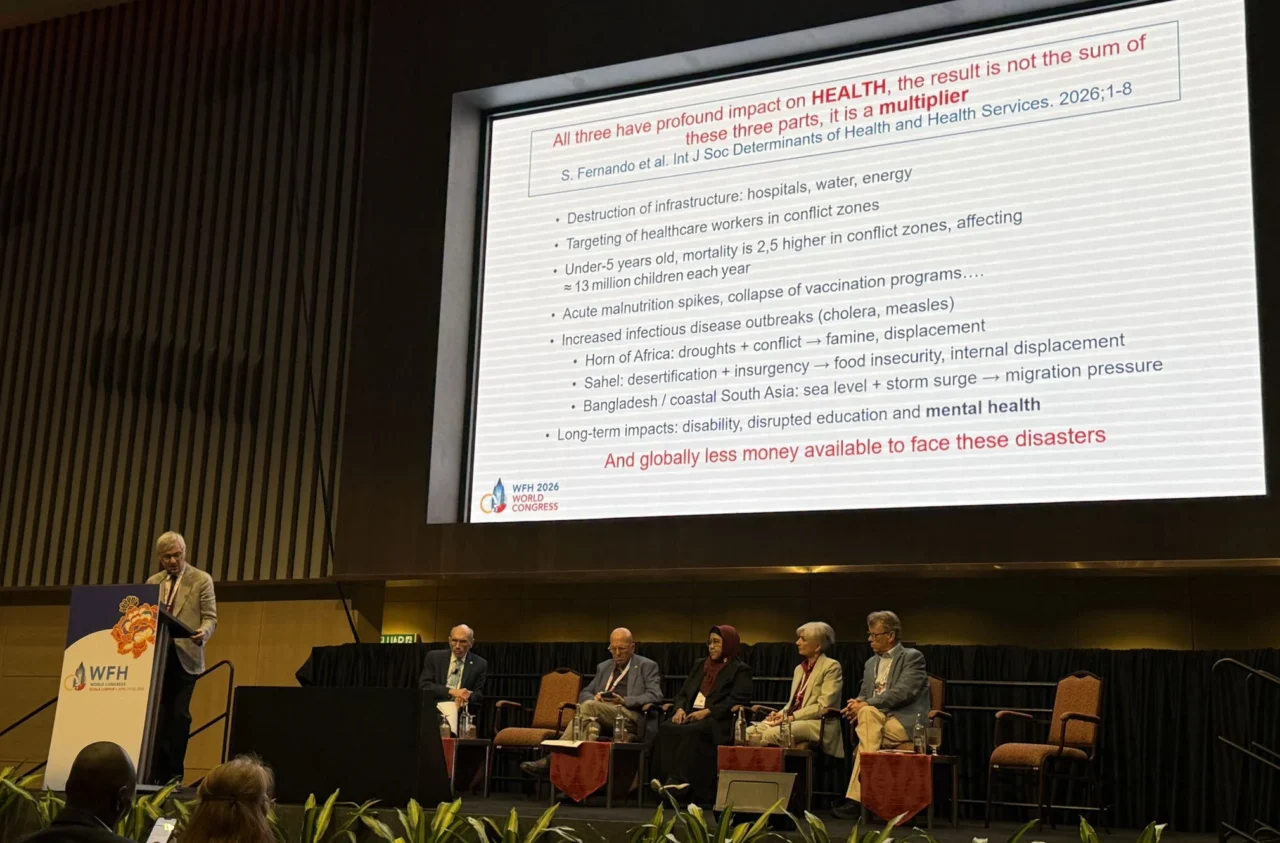
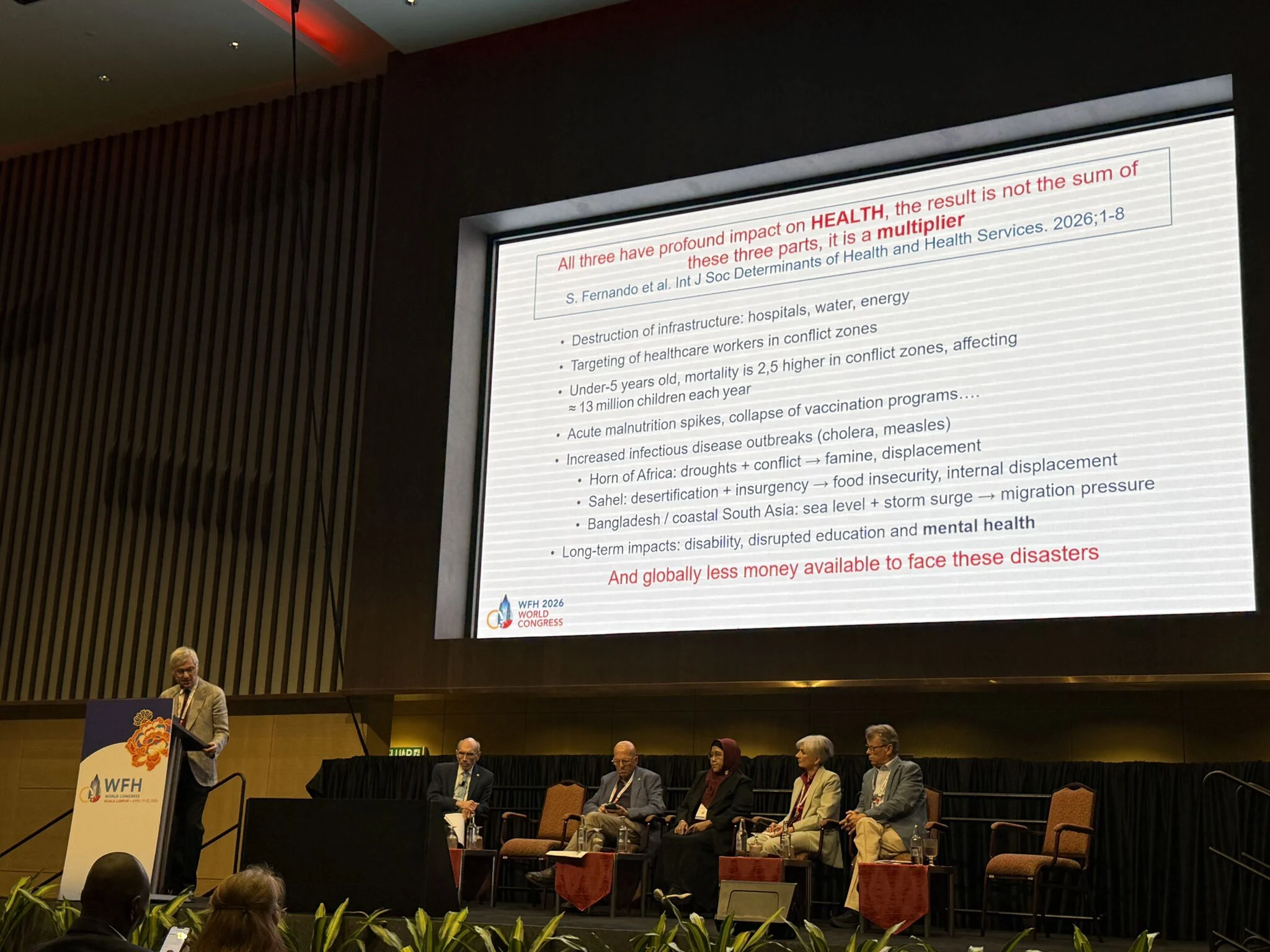
3. Direct impact on health and hemostasis care
These crises are not abstract—they directly disrupt care systems:
- Destruction of hospitals, labs, supply chains
- Targeting of healthcare workers
- Collapse of vaccination programs
- Rise of infectious diseases (cholera, measles)
- Severe malnutrition and pediatric mortality
Key insight:
Impact on health is not additive – it is multiplicative
4. Hemophilia: the hidden inequality in crises
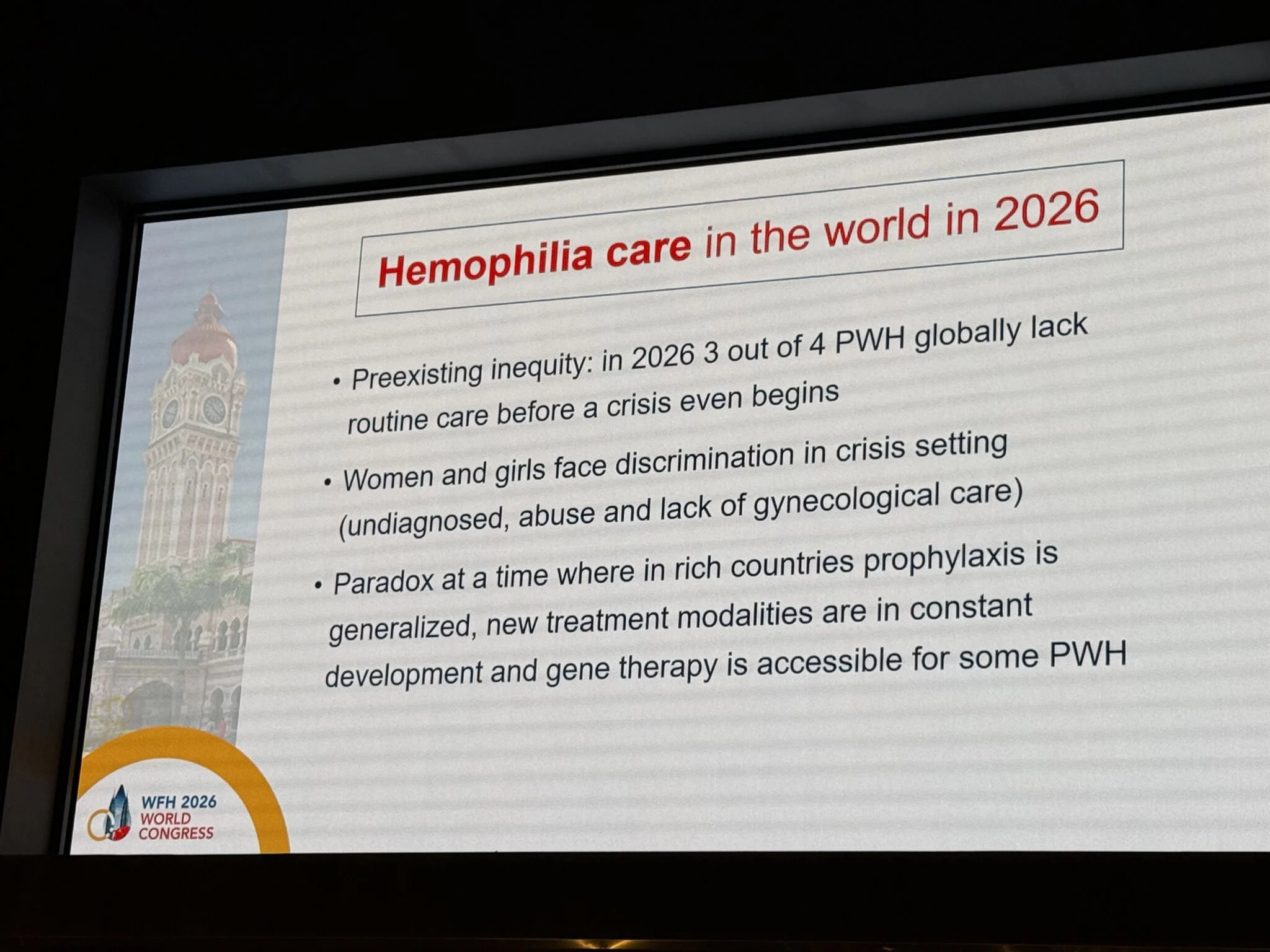
- In 2026, 3 out of 4 people with hemophilia lack routine care even before crises
- Women and girls remain underdiagnosed and underserved
- Advanced therapies exist – but access remains deeply unequal
A paradox of modern medicine: Innovation is accelerating, but equity is not
5. The overlooked humanitarian dimension
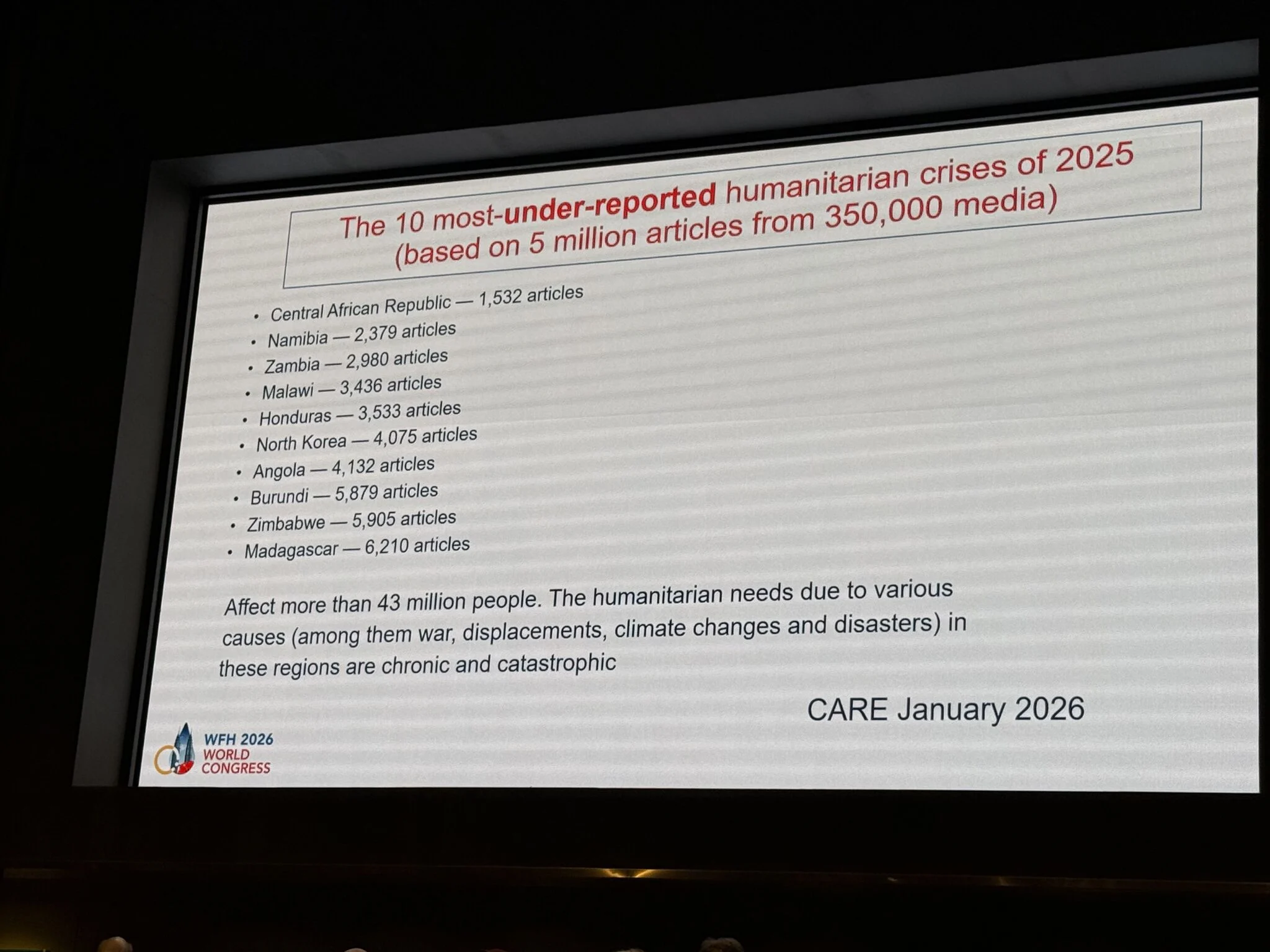
Many of the most severe crises are under-reported despite affecting >40 million people.
Drivers of vulnerability include:
- Poverty
- Political fragility
- Social inequality
- Pre-existing health system weaknesses
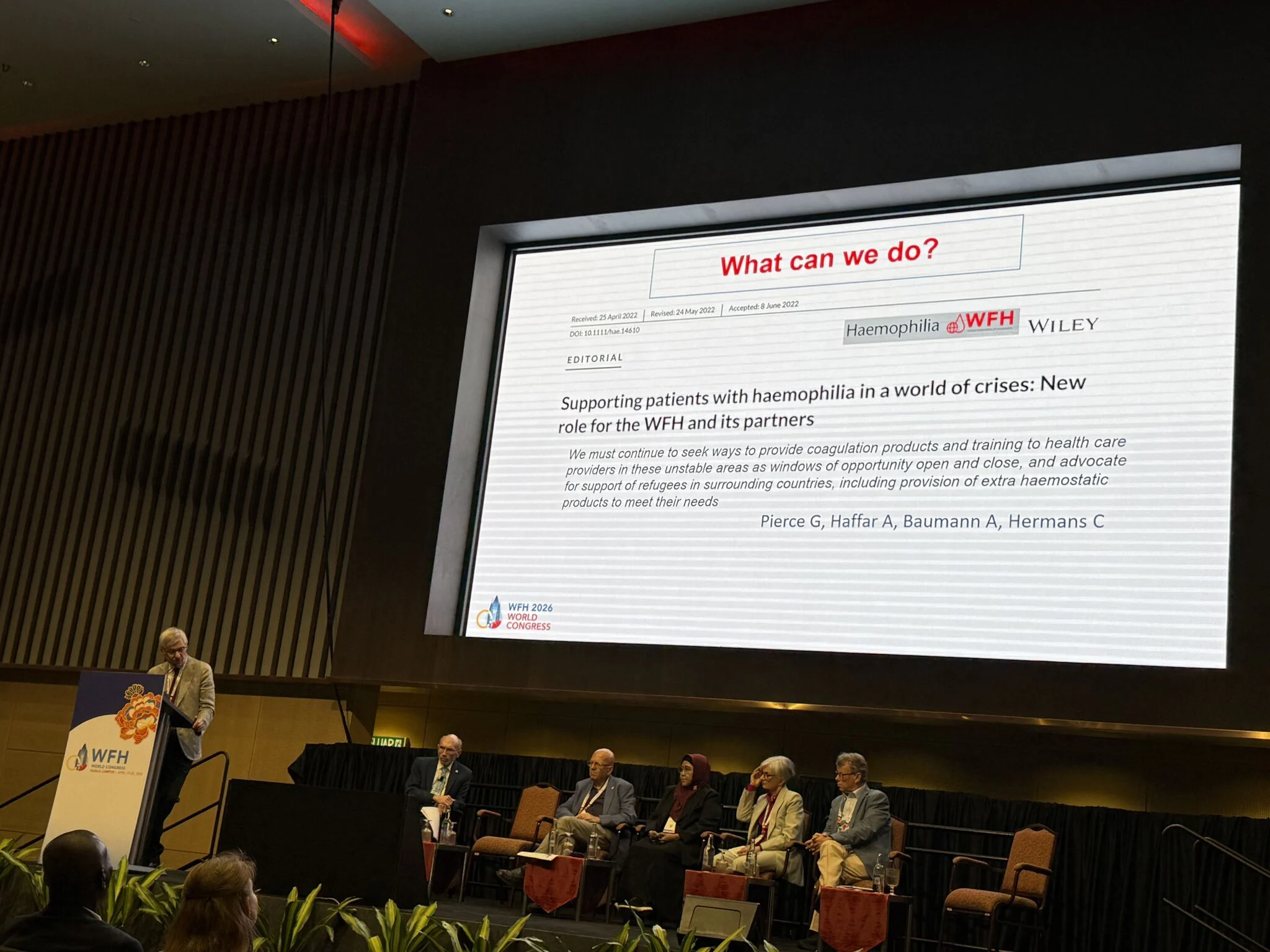
6. What must change? (WFH perspective)
- Integrate hemophilia care into humanitarian response systems
- Strengthen cross-border collaboration and supply continuity
- Invest in training local healthcare providers in unstable regions
- Ensure access to coagulation products during crises – not after
Final reflection
This session reframes our role as hematologists:
- We are not only clinicians
- We are part of a global health resilience system
The future of bleeding disorder care will depend on how well we respond not only to disease – but to displacement, conflict, and climate realities.”
See more in the gallery.
“WFH 2026 – Day 1
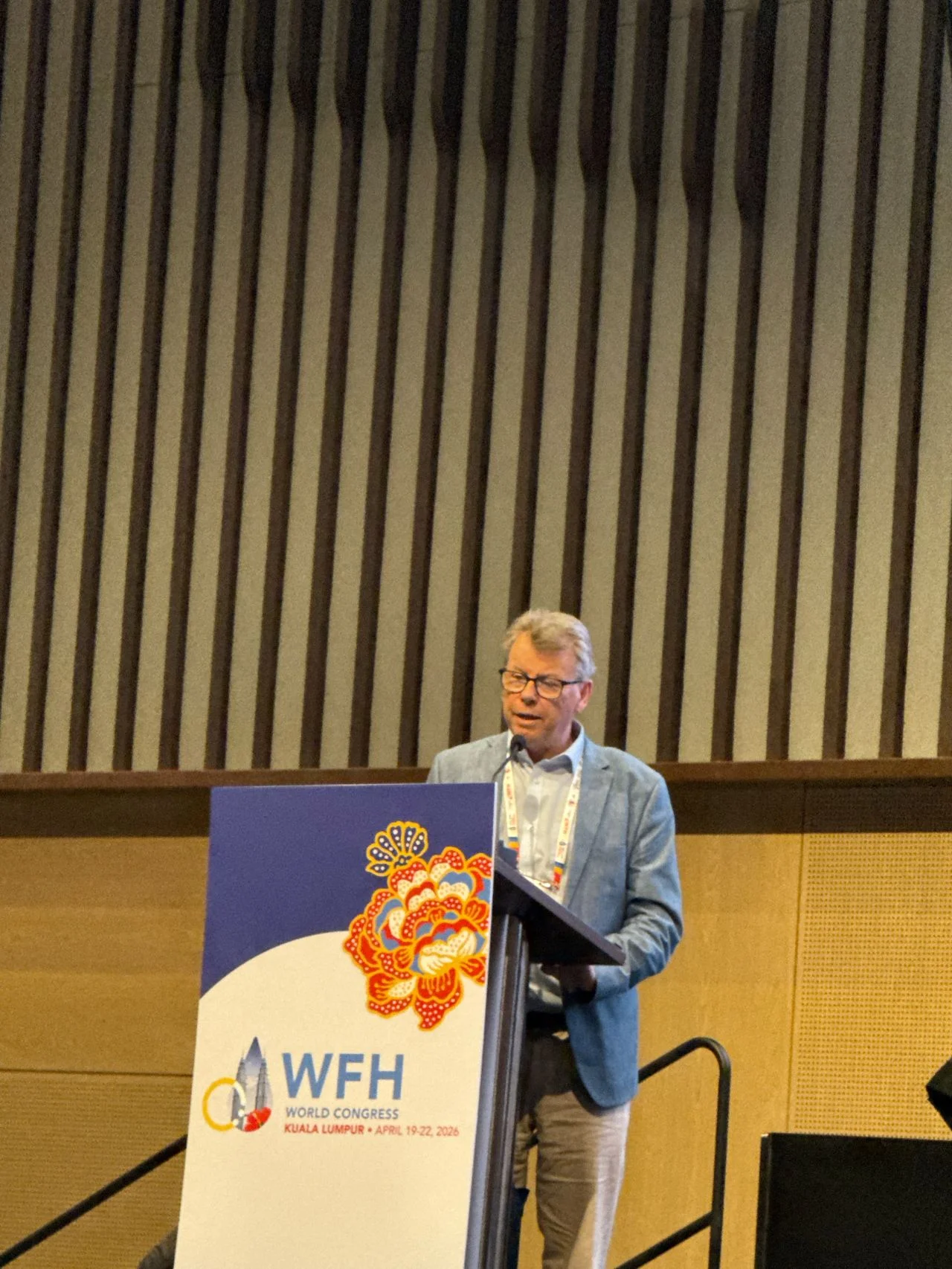
Prof. Brian O’Mahony | Access, Affordability, and Advocacy in a Fragmented World
Today’s session delivered a rigorous and data-driven perspective on one of the most critical determinants of hemophilia care globally:
Access is not only unequal – it is structurally imbalanced
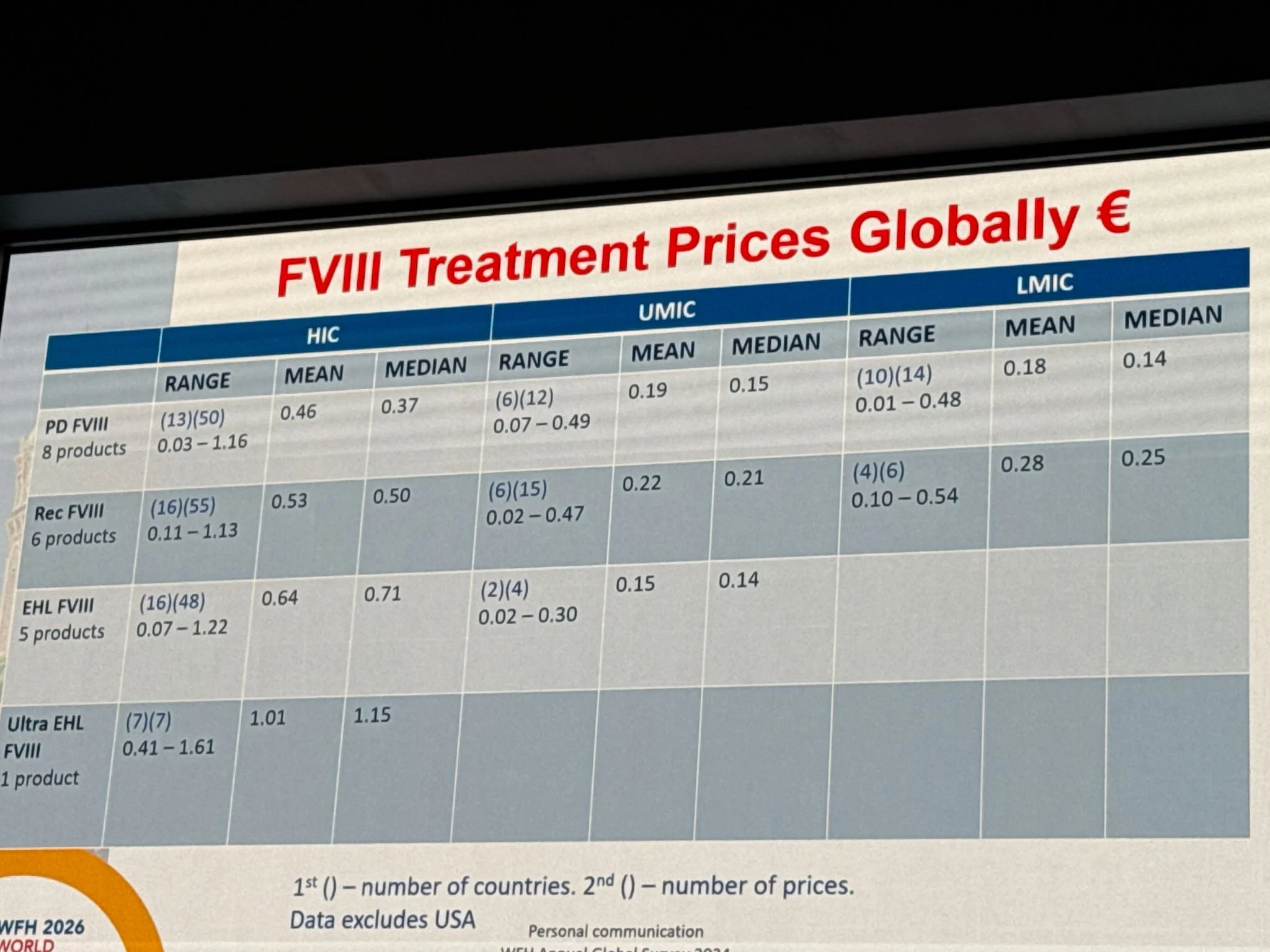
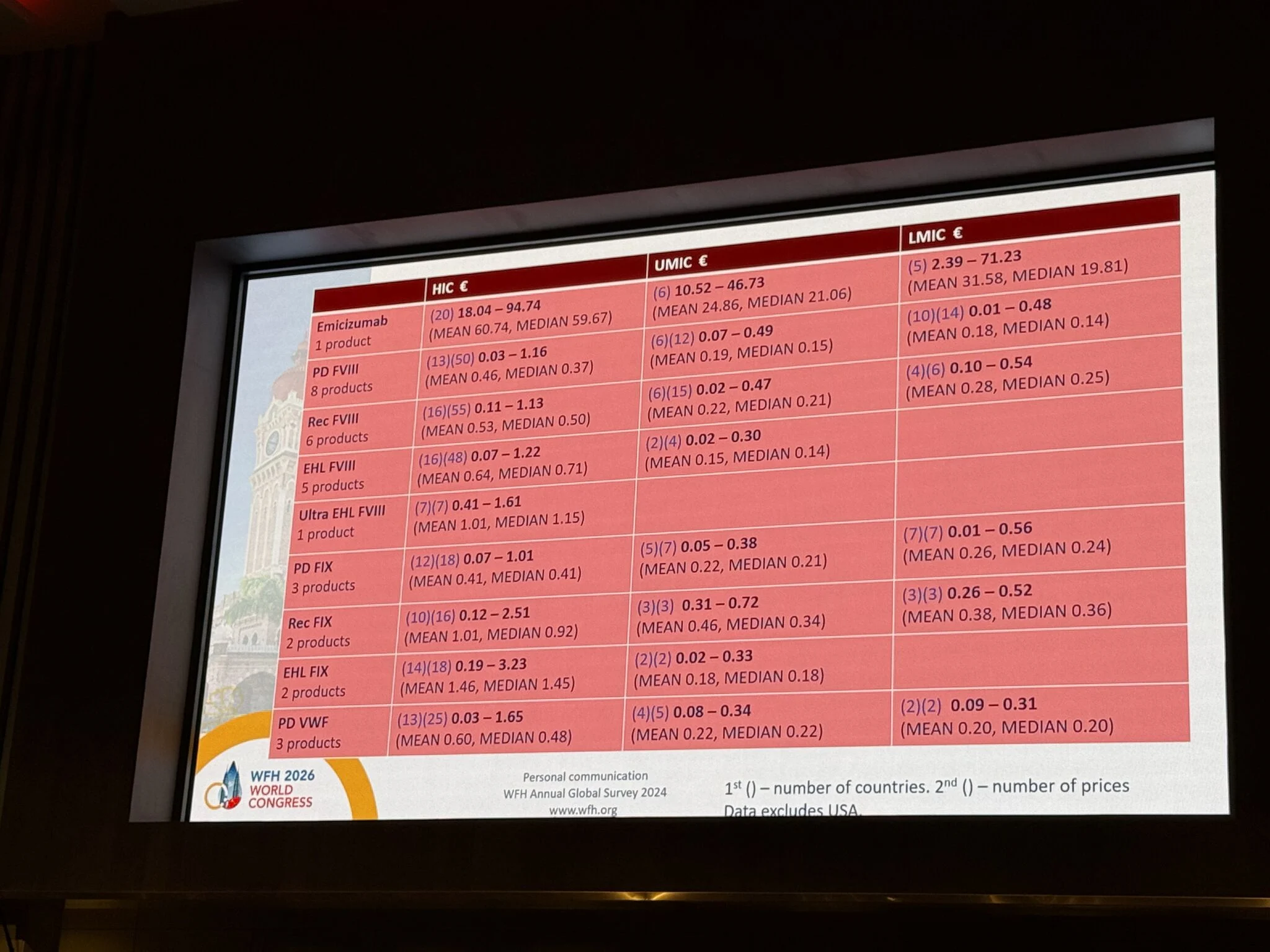
1. The economics of inequality in FVIII access
Global pricing data reveal a paradox:
- High-income countries (HICs):
Higher absolute prices, but sustainable access and coverage
- Upper-middle (UMIC) and lower-middle income countries (LMIC):
Lower nominal prices, yet limited availability and inconsistent supply
Key insight:
Lower price does not translate into better access
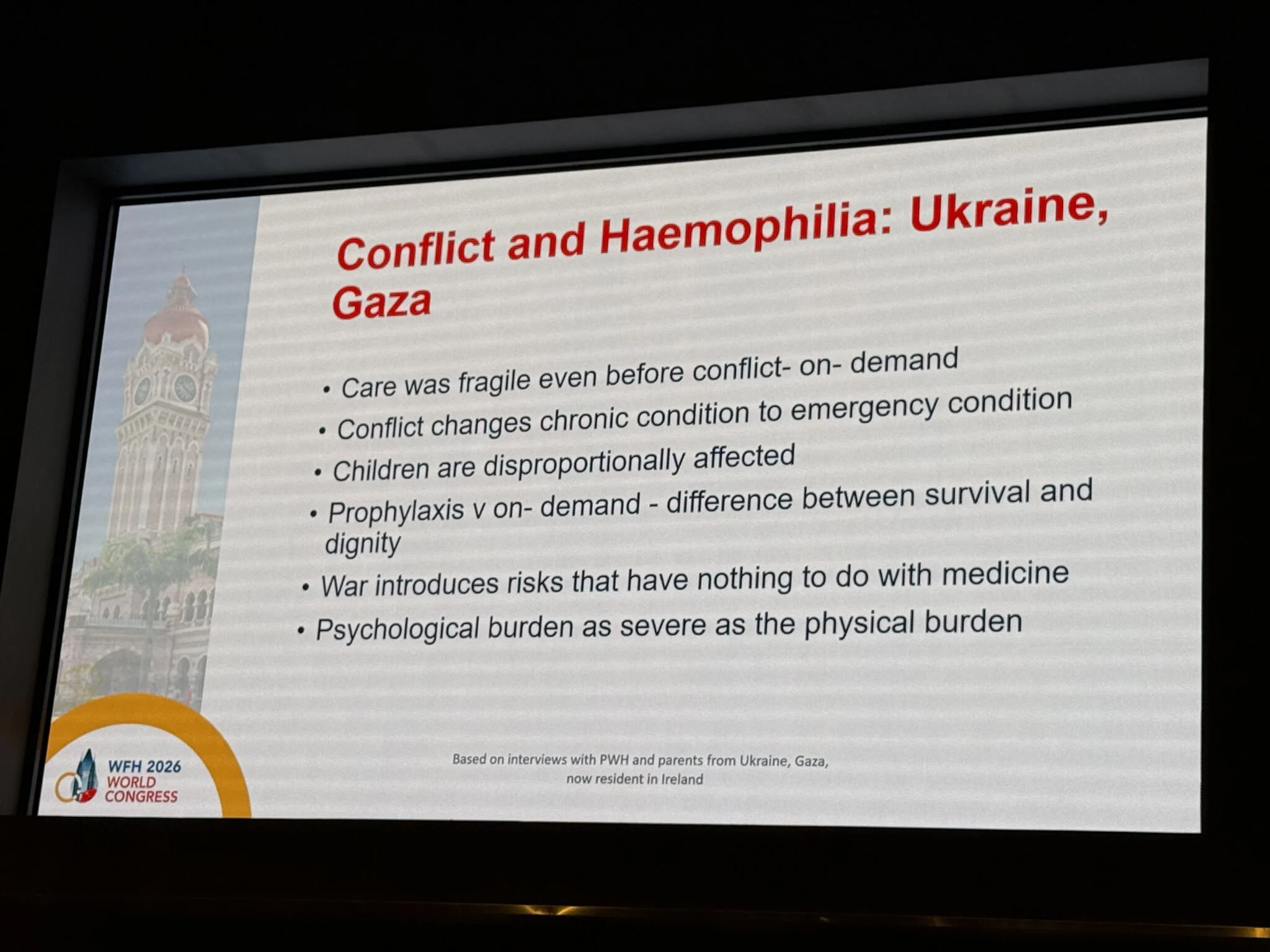
2. Conflict reshapes disease into emergency
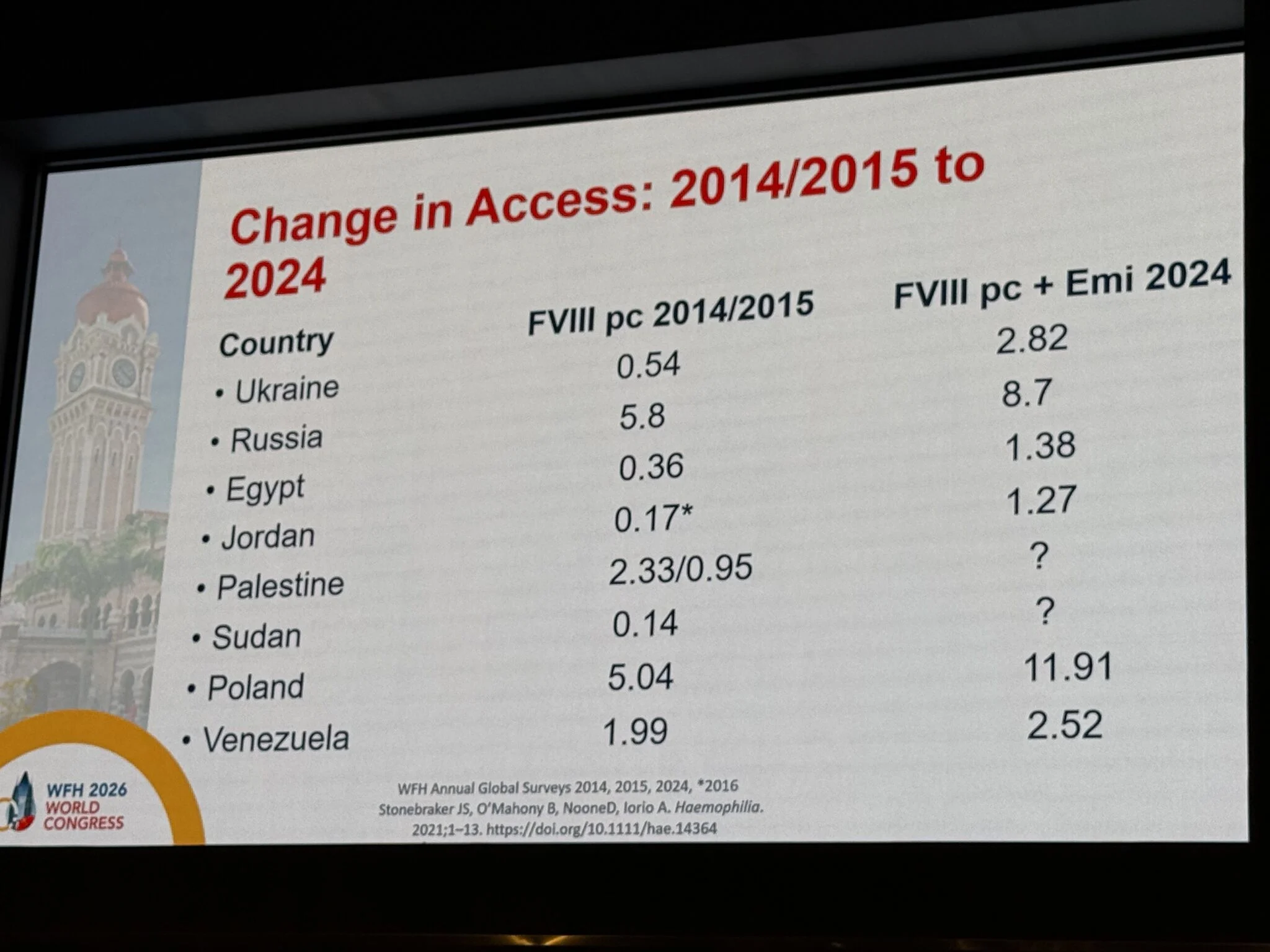
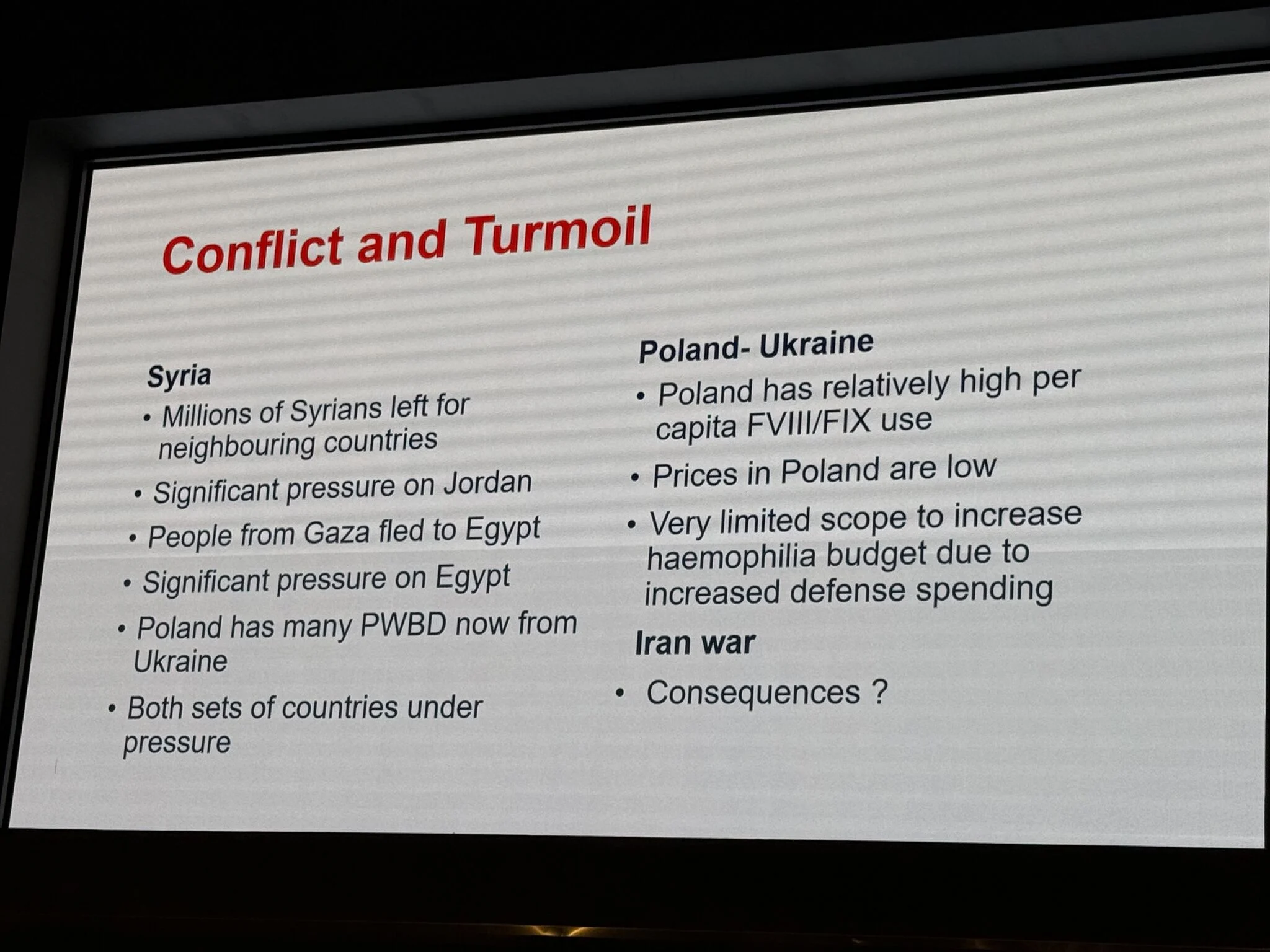
In fragile settings such as Ukraine and Gaza:
- Chronic conditions become acute survival threats
- Prophylaxis vs. on-demand care becomes a determinant of survival and dignity
- Children are disproportionately affected
- Psychological burden equals the physical burden
War introduces risks beyond medicine
3. System pressure across regions
- Migration flows reshape national healthcare systems
- Countries like Poland face increased patient load with constrained budgets
- Neighboring countries absorb both humanitarian and medical burden
Result:
Dual pressure on both origin and host countries
4. Progress exists – but remains uneven
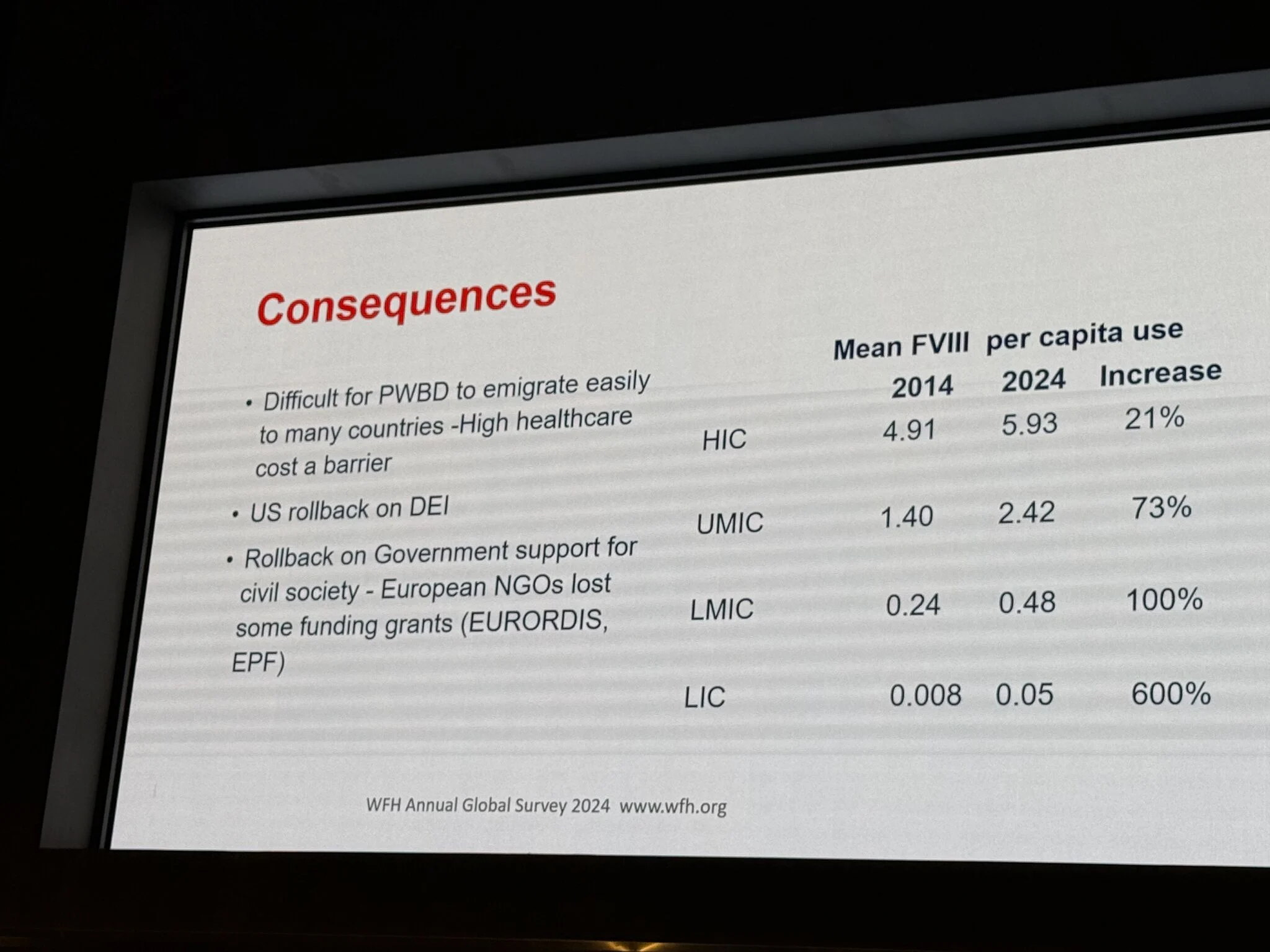
Data from 2014 – 2024 show:
- HIC: 21% increase in FVIII use
- UMIC: 73% increase
- LMIC: 100% increase
- LIC: 600% increase (from extremely low baseline)
Interpretation:
Growth is real – but baseline inequity remains profound
5. Structural barriers beyond medicine
- High healthcare costs limit migration options for patients
- Reduced funding for NGOs and civil society
- Policy shifts (e.g., rollback of DEI frameworks) affect advocacy ecosystems
Access is shaped by politics, economics, and governance—not science alone
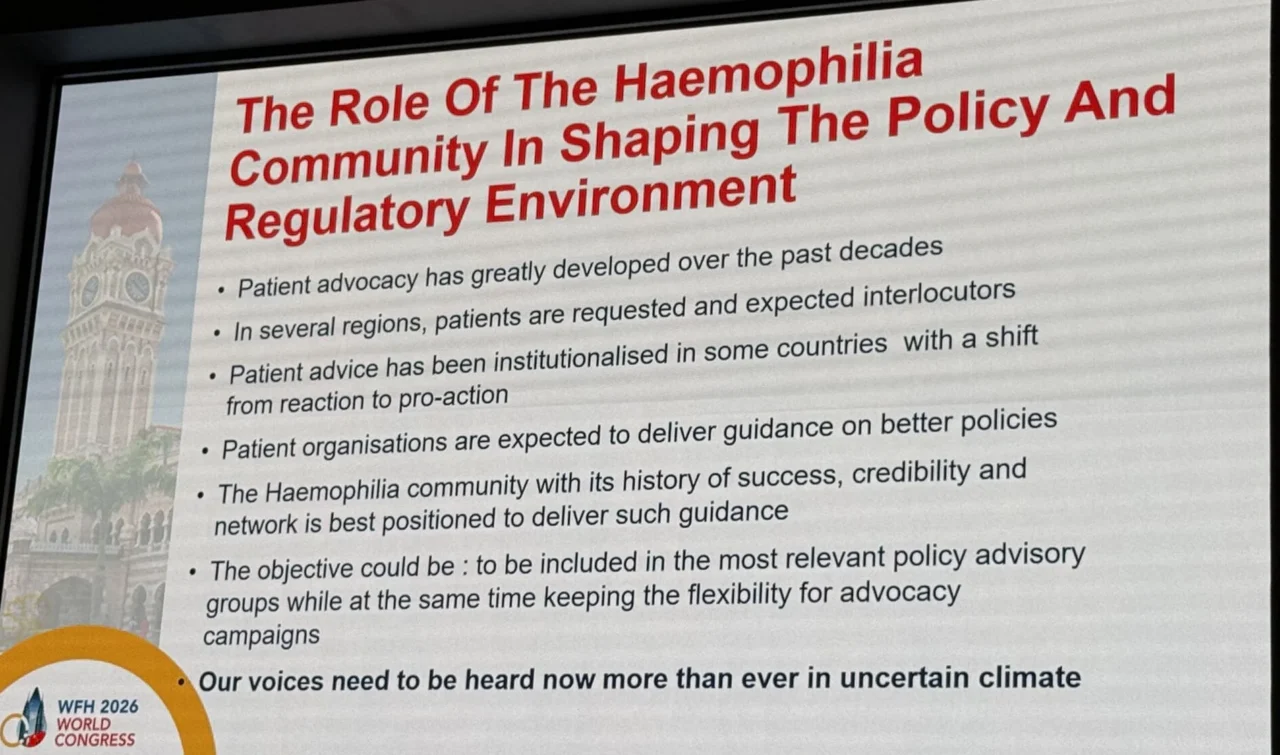
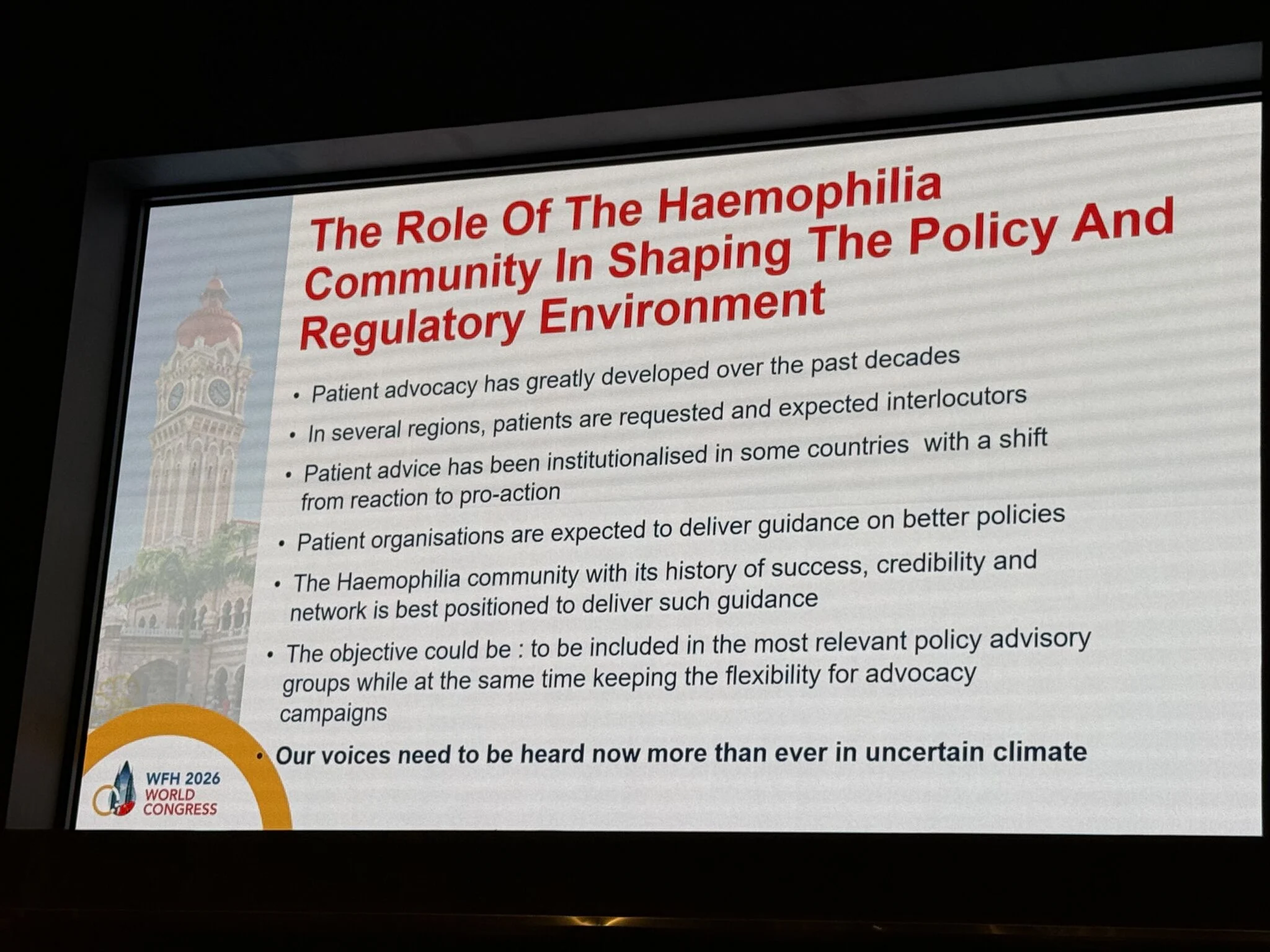
6. The evolving role of the hemophilia community
A major paradigm shift:
- Patients are no longer passive recipients
- Advocacy is institutionalized
- Patient organizations influence policy and regulatory frameworks
The hemophilia community is now:
- A policy actor, not just a clinical stakeholder
Final message
This session underscores a fundamental truth:
- Scientific progress is accelerating
- But equitable distribution is lagging behind
The future of hemophilia care will depend on:
- Policy engagement
- Sustainable financing models
- Strong patient advocacy
- Global cooperation under instability
Our voices need to be heard now more than ever in an uncertain world.’ ”
See more in the gallery.
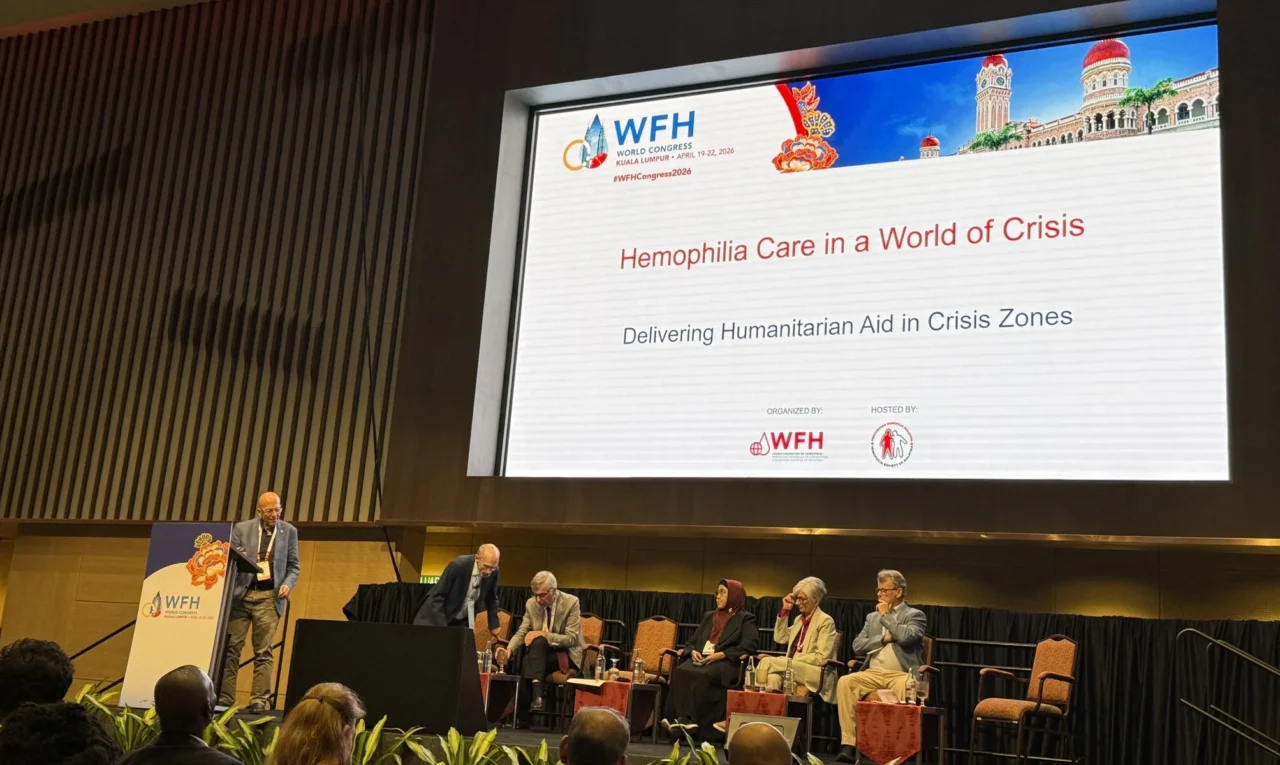
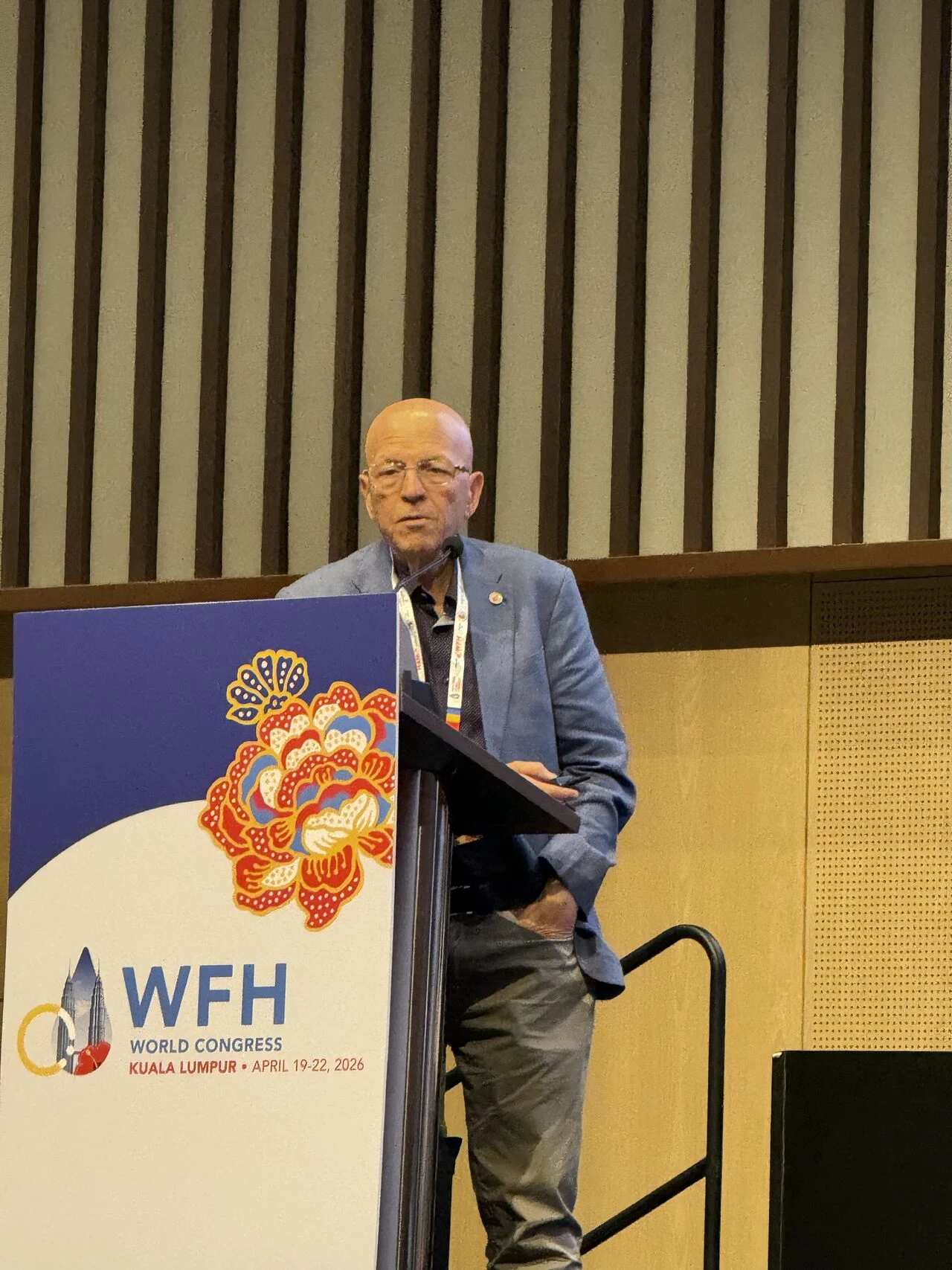
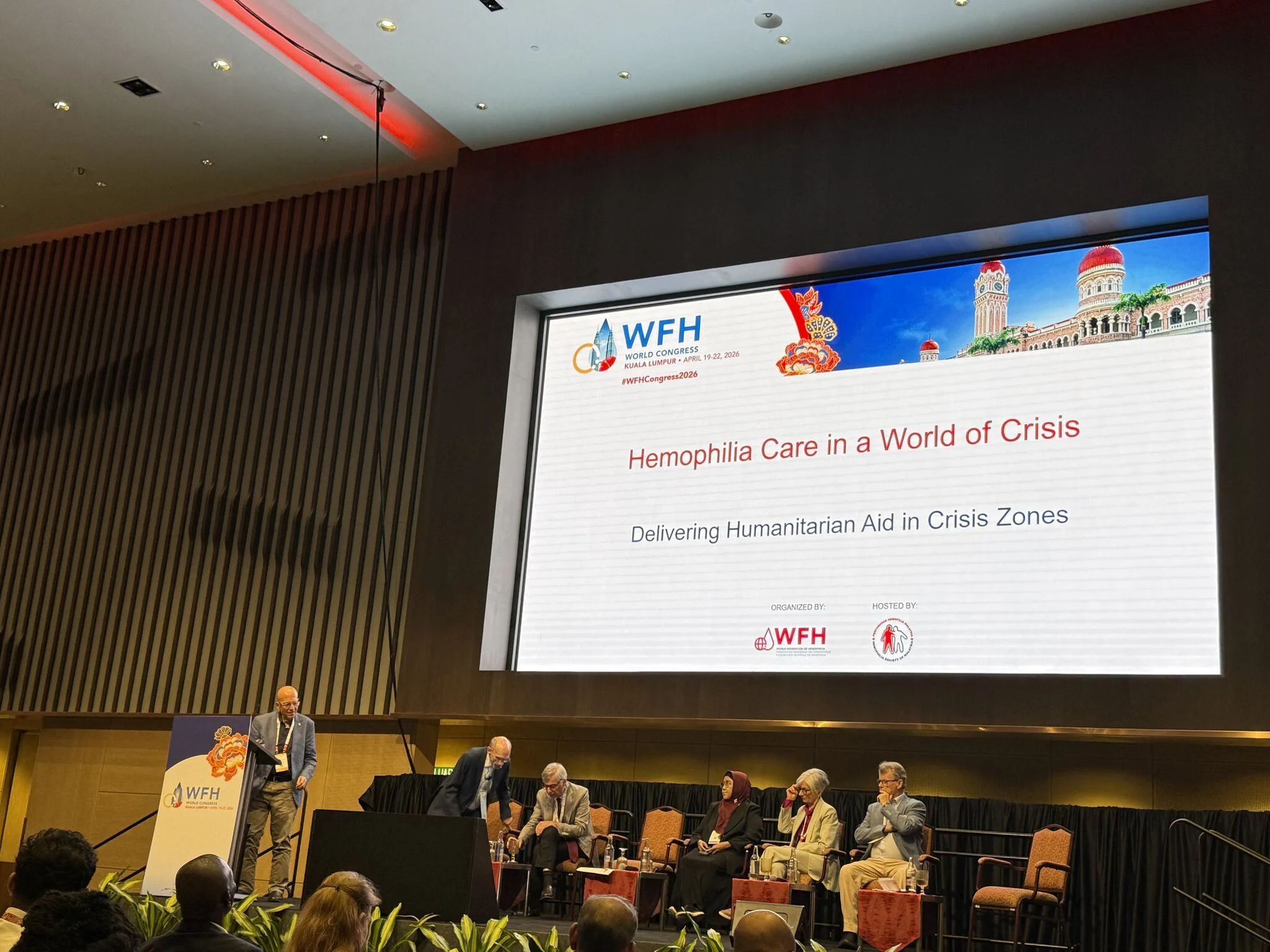
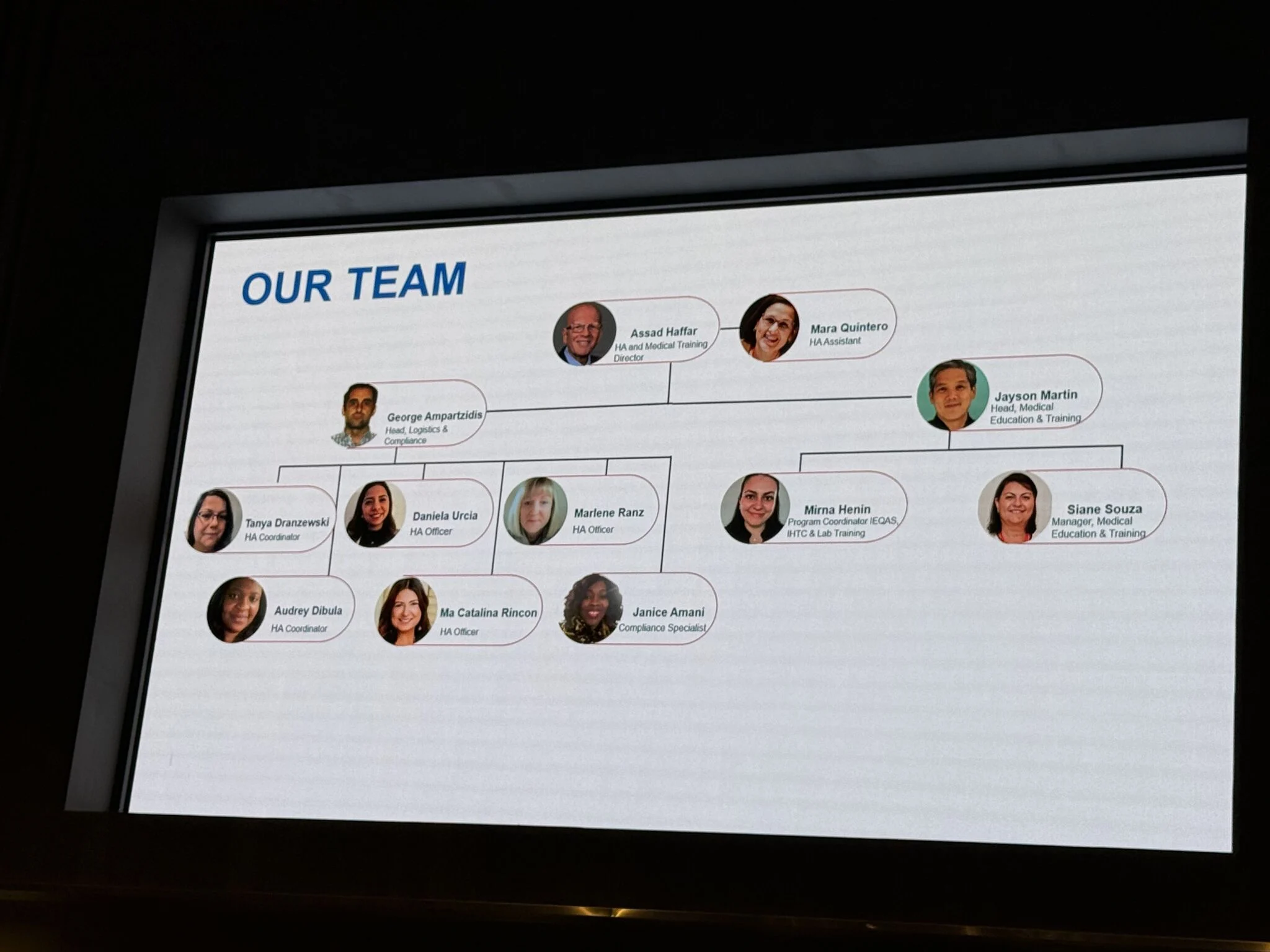
“WFH 2026 | Humanitarian Hemostasis in Crisis Settings
Insights from Dr. Assad Haffar, Director of Humanitarian Aid
In a world increasingly defined by instability – conflict, natural disasters, and forced displacement – hemophilia care is no longer a purely clinical challenge. It is a logistical, humanitarian, and ethical imperative.
Dr. Assad Haffar’s presentation highlighted how the World Federation of Hemophilia (WFH) has transformed humanitarian aid into a structured global health intervention.
From Donation to System-Level Impact
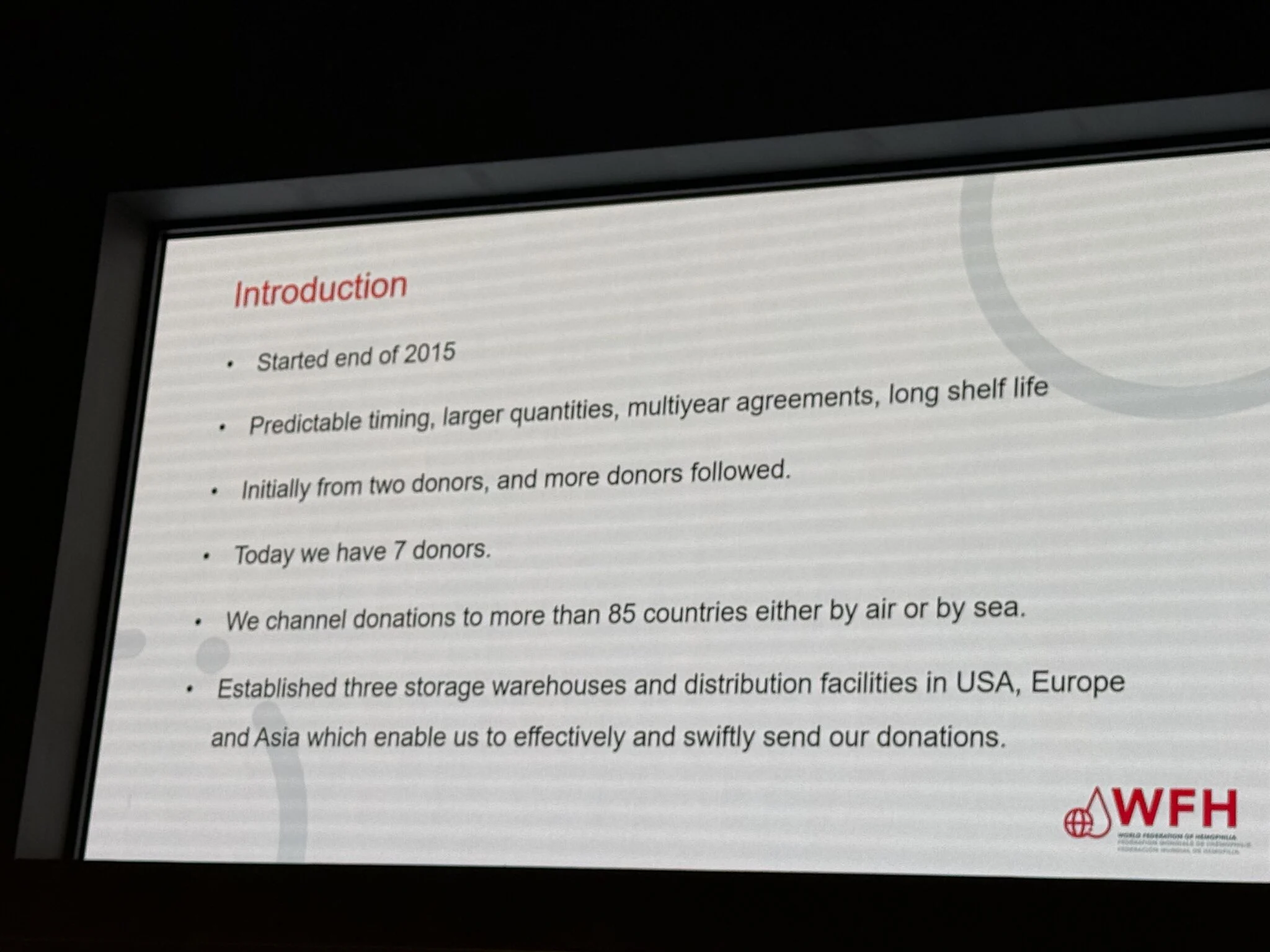
Since its launch in 2015, the WFH Humanitarian Aid Program has evolved into a highly coordinated system:
- Supporting over 85 countries worldwide
- Backed by multiple global donors and multiyear agreements
- Enabled by strategically located warehouses (USA, Europe, Asia)
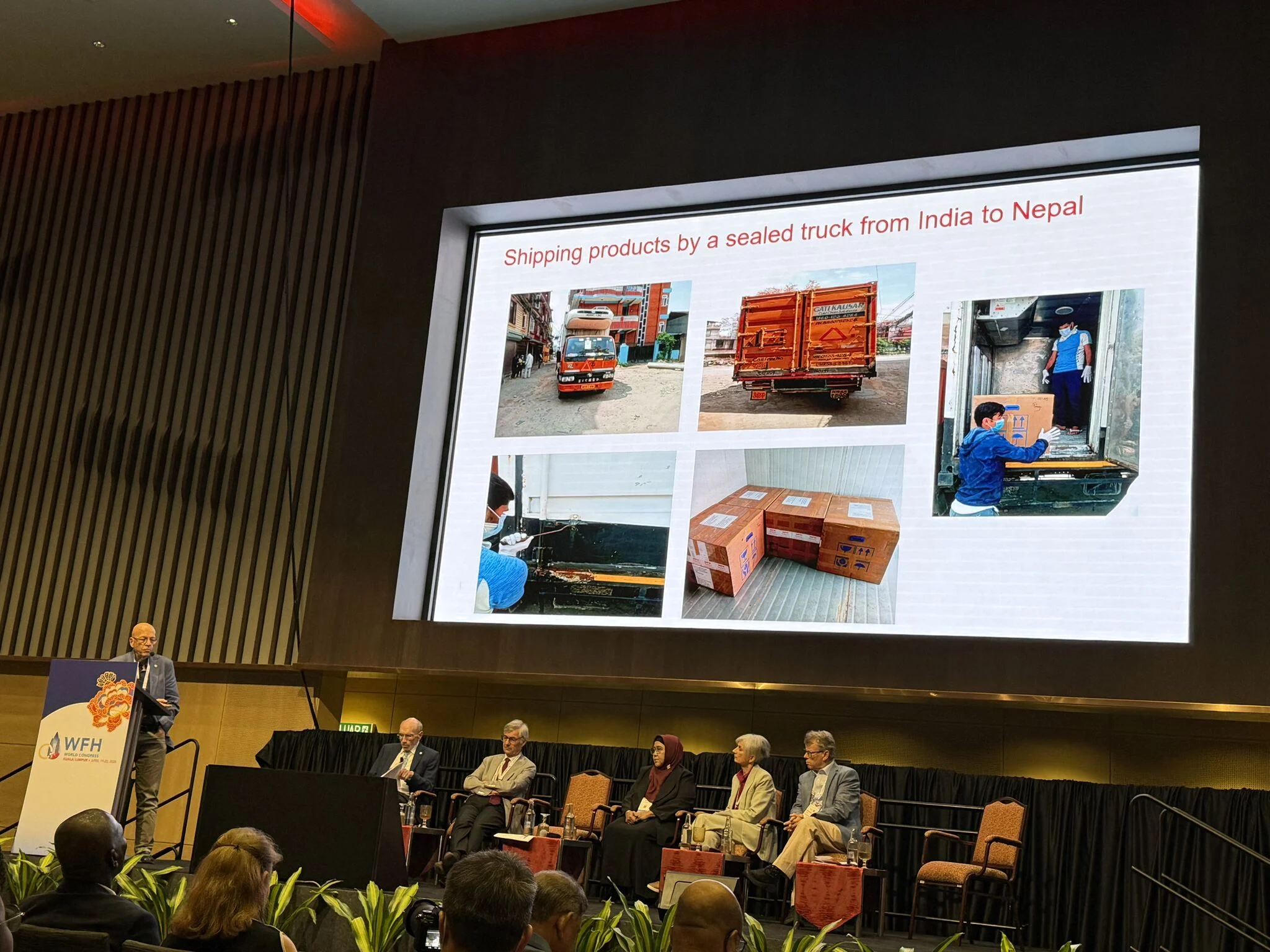
- Delivering treatment via air and sea under time-critical conditions
This is no longer ‘donation’ – it is precision logistics in medicine.
Crisis Reality: When Time Equals Life
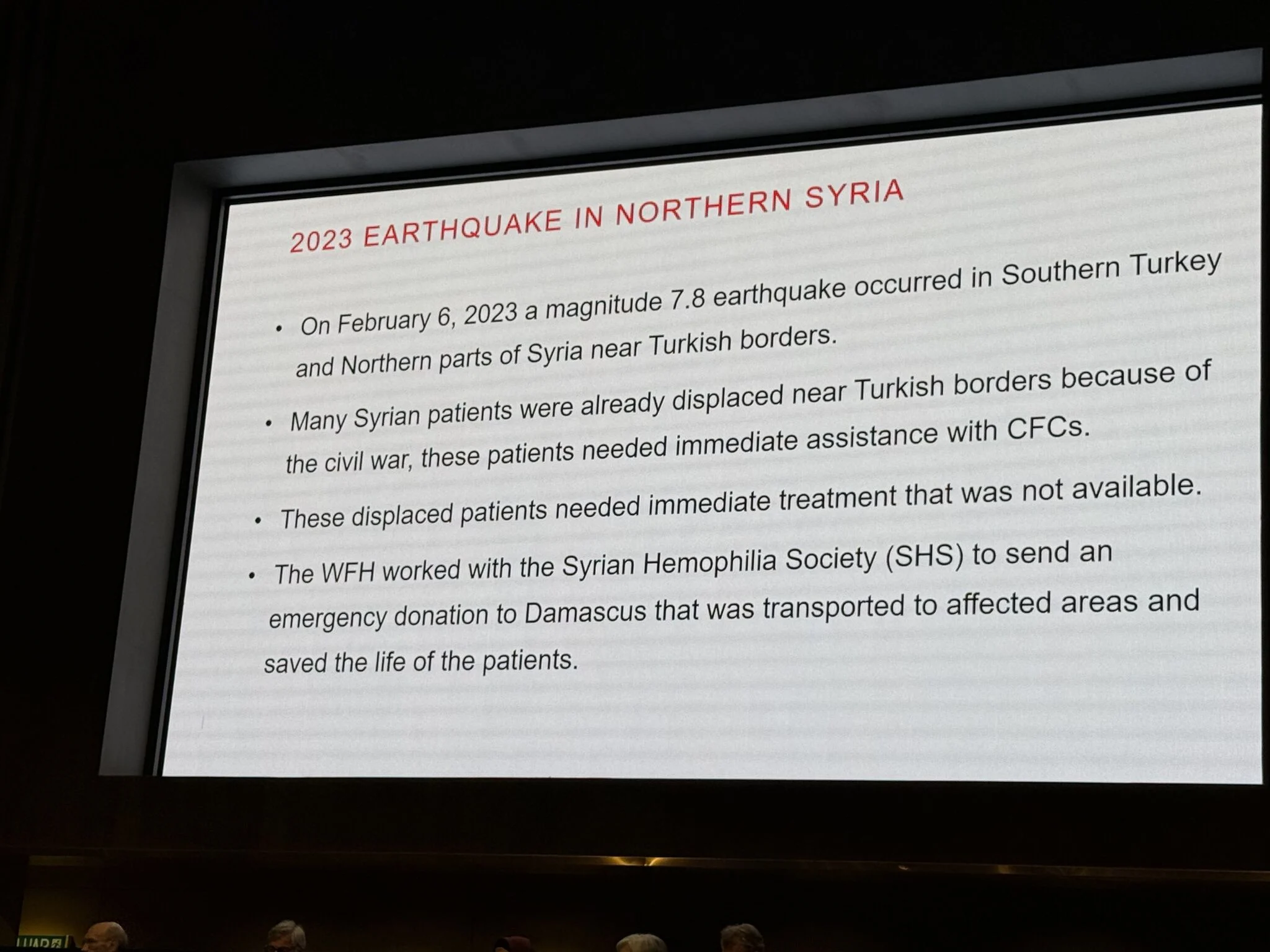
Case studies, including the 2023 Syria earthquake, demonstrated a critical truth:
- Patients with bleeding disorders cannot survive delays.
- Absence of clotting factor: immediate life-threatening risk.
In such settings, rapid deployment of factor concentrates (CFCs) becomes equivalent to emergency medicine.
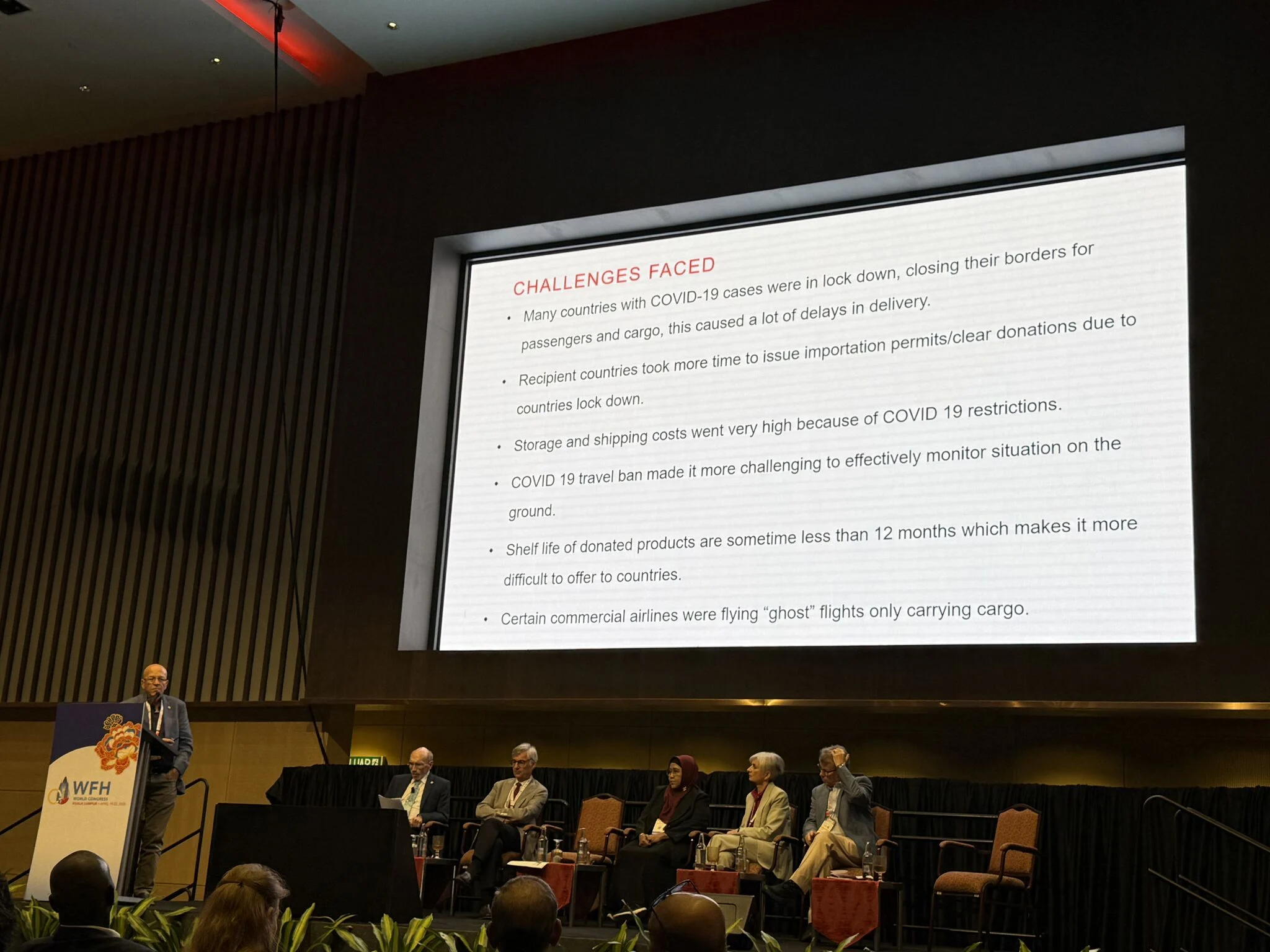
Operational Barriers in Global Crises
The program has navigated substantial challenges:
- Border closures and disrupted supply chains (COVID-19 era)
- Delays in import authorization
- Escalating shipping and storage costs
- Limited shelf-life of biological products
- Restricted field monitoring due to travel limitations
Yet, despite these constraints, life-saving delivery continues.
Key Strategic Insight
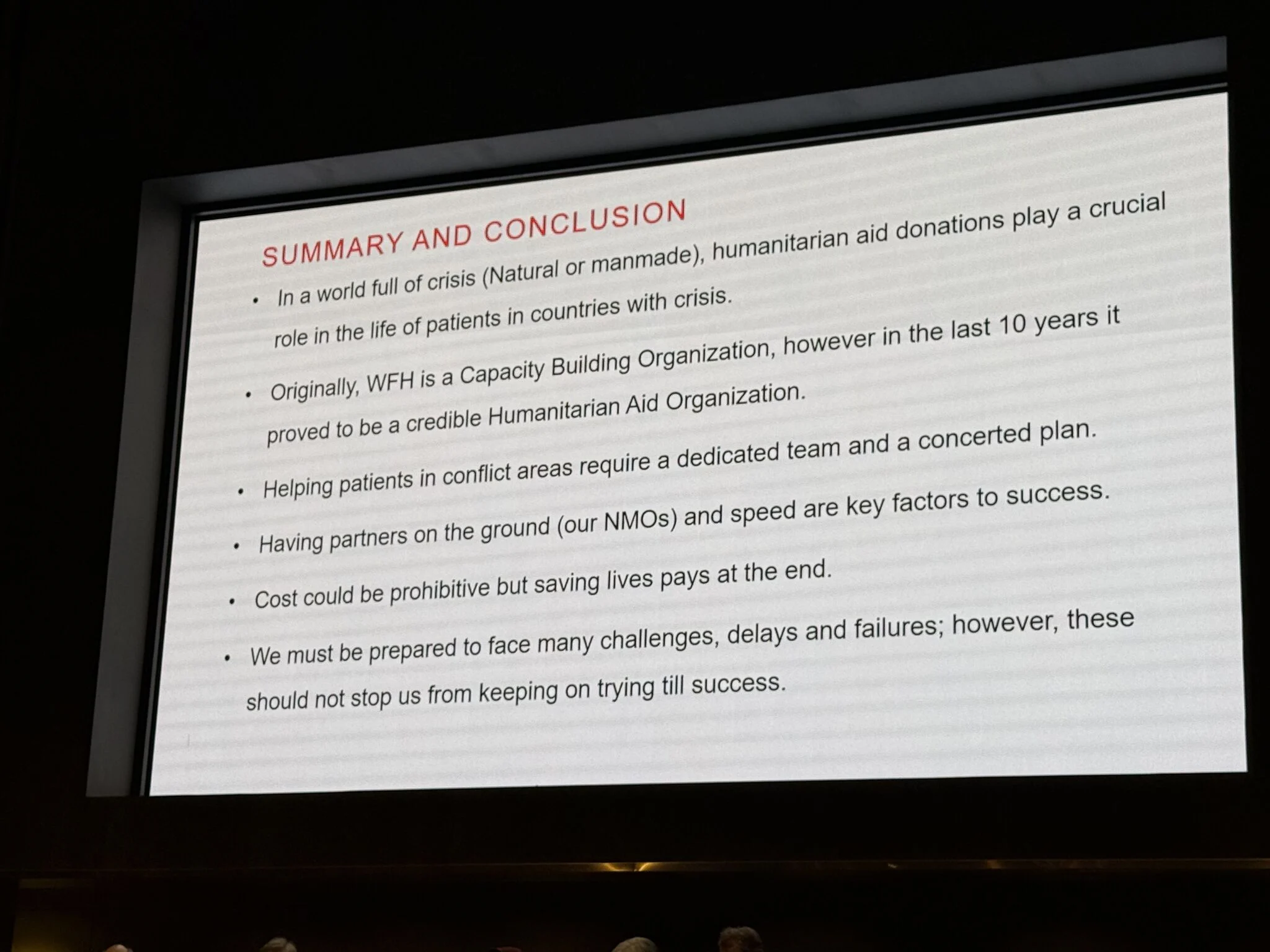
Effective humanitarian care in hemophilia depends on:
- Local partnerships (NMOs)
- Coordinated global infrastructure
- Speed of response
- Multidisciplinary execution
This is systems medicine at a global scale
Conclusion
WFH has redefined its role – from a capacity-building organization to a credible humanitarian actor delivering real-time clinical impact.
In crisis settings, innovation alone is not enough.
Access, logistics, and global coordination determine survival.
Saving lives is not a cost – it is the outcome.”
See more in the gallery.
Stay up-to-date with the latest advancements in hematology through Hemostasis Today.
-
Oct 19, 2026, 19:44Where You Live Should not Determine Whether You Receive Care – World Federation of Hemophilia
-
Oct 19, 2026, 19:42Belen Bianco: Prevention, Early Suspicion and an Interdisciplinary Approach Save Lives
-
Oct 19, 2026, 19:40Christina Chrysohoou: Catheter-Based LAAC vs OAC for Stroke Prevention in Atrial Fibrillation
-
Oct 19, 2026, 19:38Matthew Flick: A Two-Day Research Meeting on Fibrinogen, Hemostasis and Thrombosis
-
Oct 19, 2026, 19:37Hayat Saeed: Excited to Share Our Publication on the FGL1–Hepcidin Axis in Iron Homeostasis and Disease
-
Oct 19, 2026, 19:08IPAW 2026 Comes to a Close, but the Work Continues – PPTA
-
Oct 19, 2026, 17:44Paul Riley: Moderating a Webinar on Anticoagulation Monitoring
-
Oct 19, 2026, 16:36Christopher Pittman: Blood Clot Prevention Cannot End at Hospital Discharge
-
Oct 19, 2026, 16:13Javier M. Floren: When Immune Cells Move With Their Environment