


Heghine Khachatryan: ISTH 2026 – Final Day Highlights
Heghine Khachatryan, Editor-in-Chief of Hemostasis Today, Head of Hemophilia and Thrombosis Center at Yeolyan Hematology and Oncology Center, shared a post on LinkedIn:
“ISTH 2026 | Final Day Highlights
Estrogen-associated venous thromboembolism: Is less anticoagulation enough?
One of the most thought-provoking presentations on the final day of ISTH 2026 addressed a clinically important but often under-discussed question:
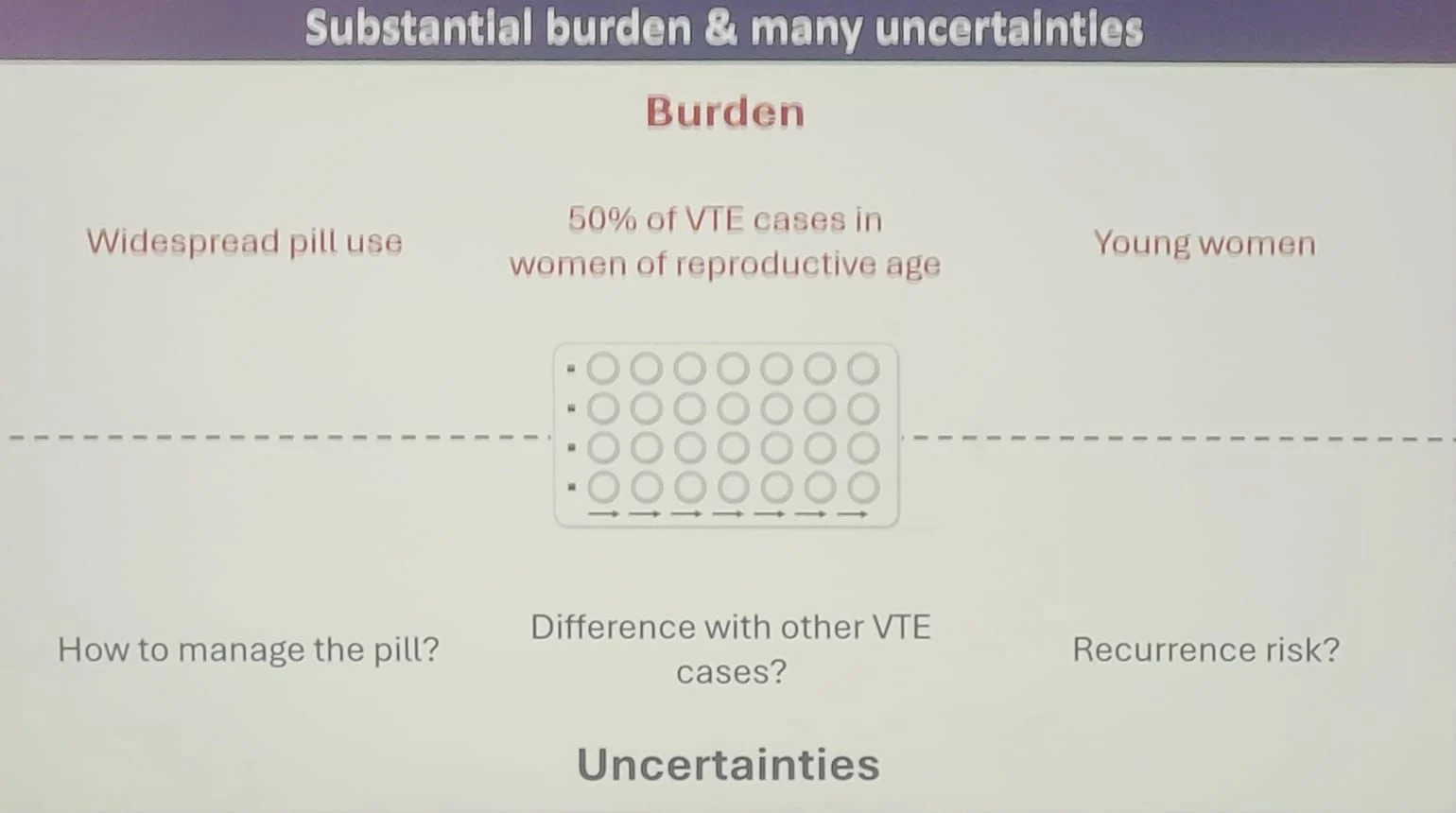
Should estrogen-associated venous thromboembolism (VTE) be managed differently from other provoked VTE events?
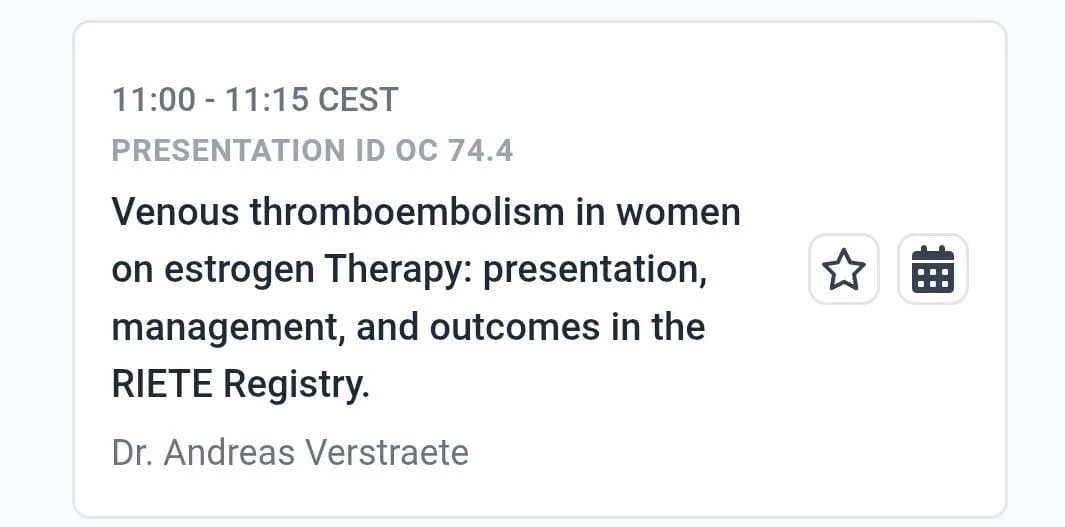
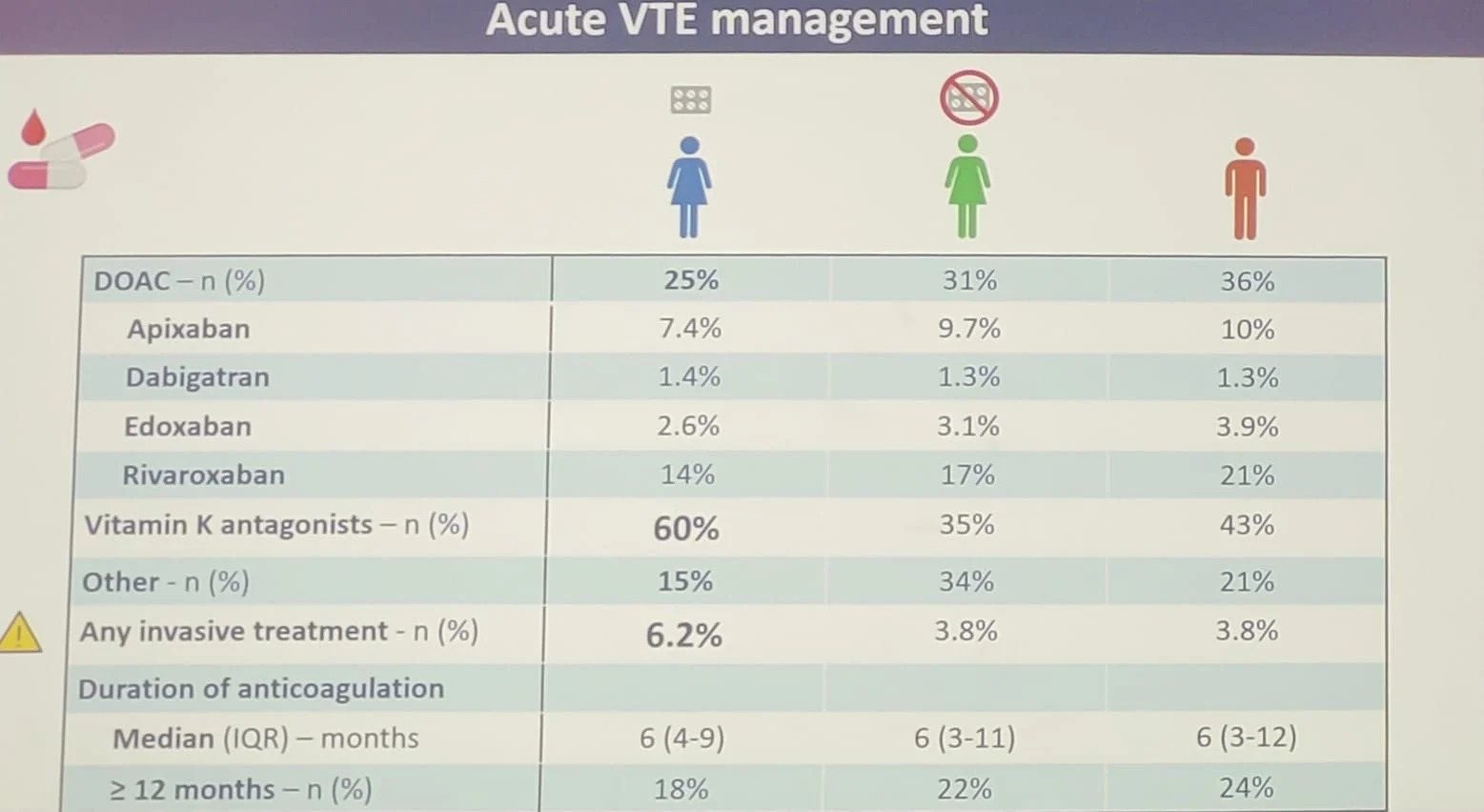
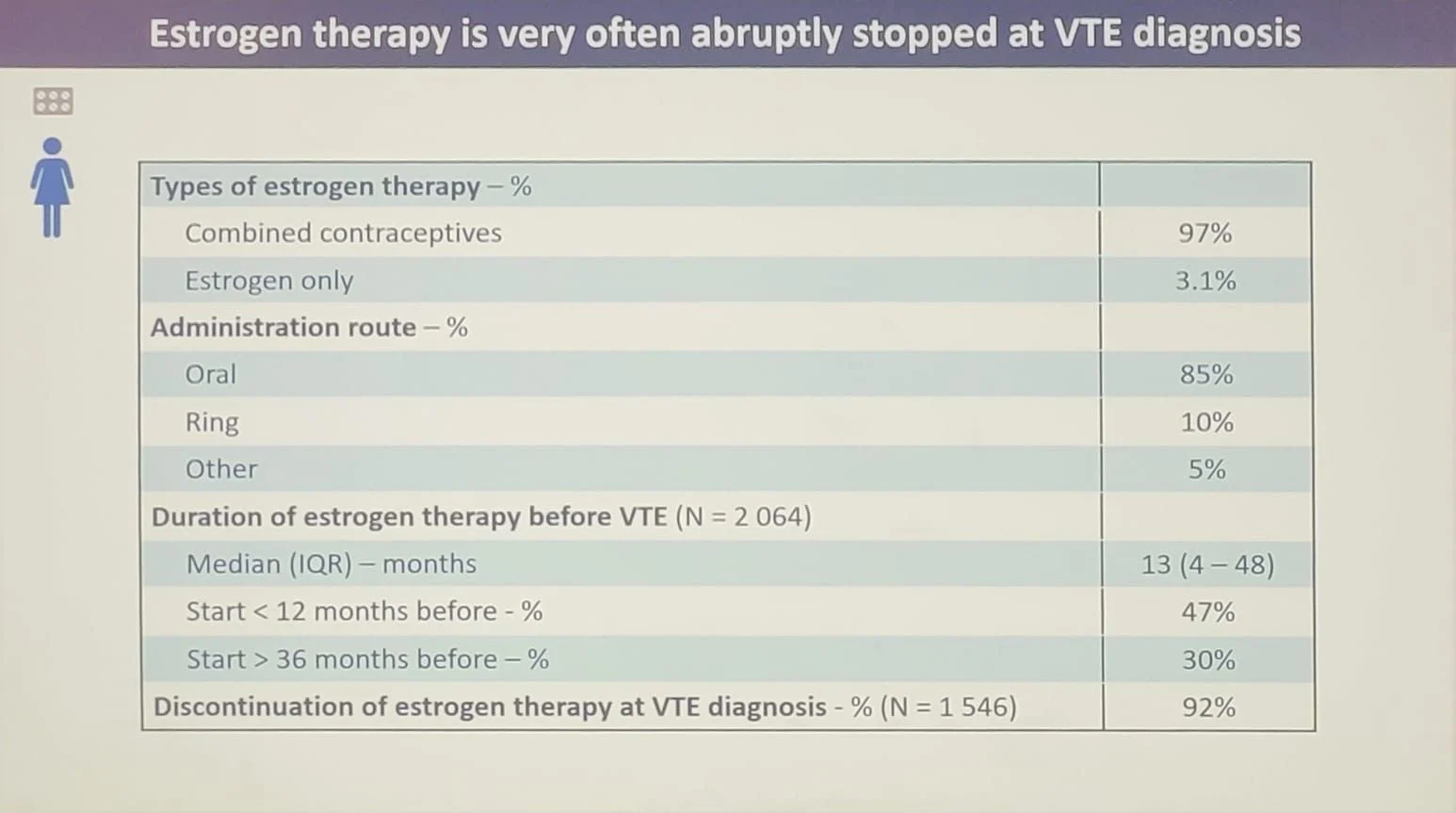
Dr. Andreas Verstraete presented data from the RIETE Registry, one of the world’s largest prospective VTE registries, evaluating the presentation, treatment, bleeding risk, and recurrence patterns in women with estrogen-associated thrombosis.
Study population
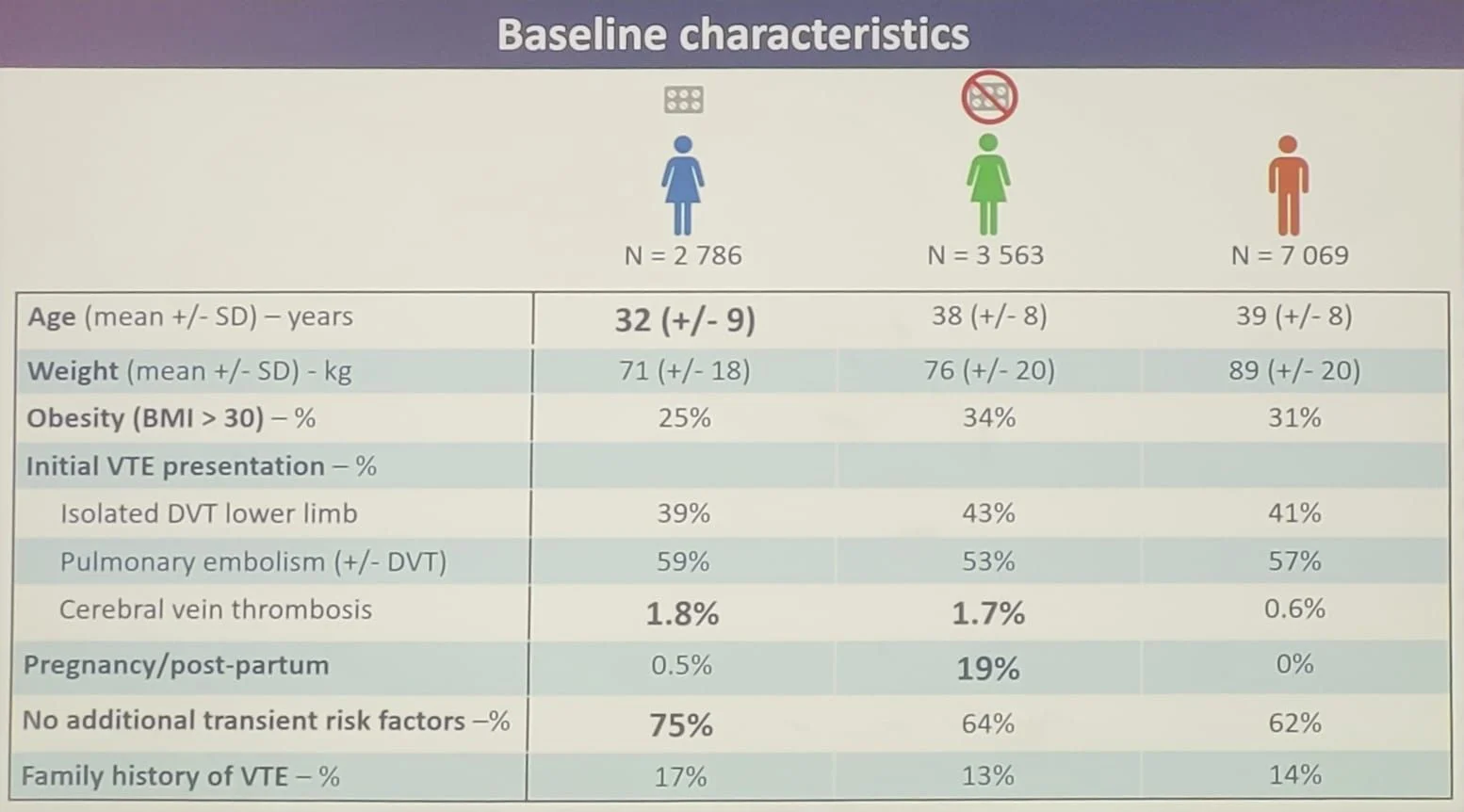
The analysis included 13,418 patients aged 10–49 years diagnosed with lower-extremity DVT, pulmonary embolism (PE), cerebral venous thrombosis (CVT), or superficial vein thrombosis (SVT):
- 2,786 women with estrogen-associated VTE
- 3,563 women with non-estrogen-associated VTE
- 7,069 men with VTE
Patients with active cancer, older age, and other uncommon thrombosis sites were excluded, allowing a focused comparison of hormonally provoked thrombosis.
Key baseline observations
Women with estrogen-associated VTE represented a distinct clinical phenotype:
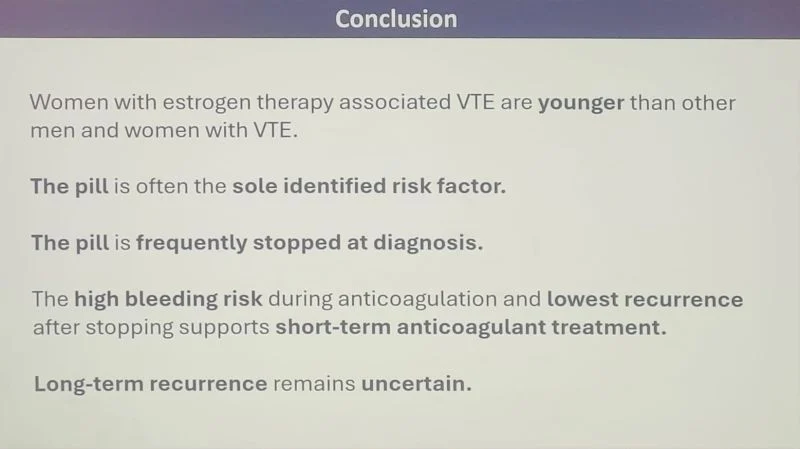
- They were substantially younger (mean age 32 years) than women without estrogen exposure (38 years) and men (39 years).
- Nearly three-quarters (75%) had no additional transient provoking factor, suggesting that estrogen exposure itself was frequently the only identifiable trigger.
- Pulmonary embolism
The RIETE data reinforce an increasingly accepted concept:
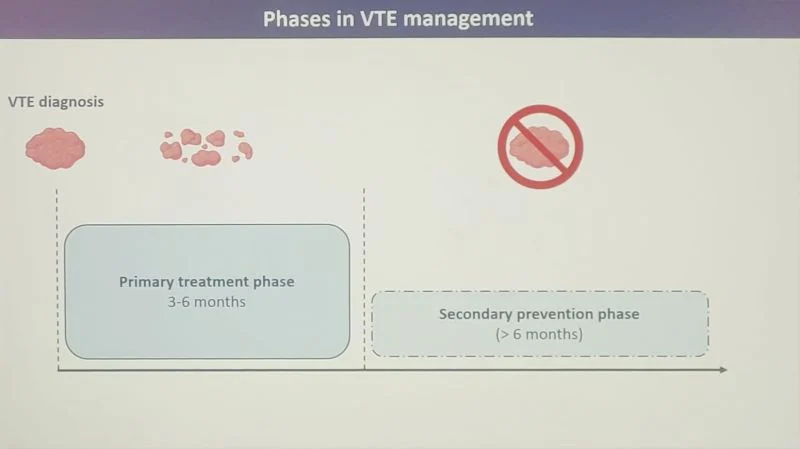
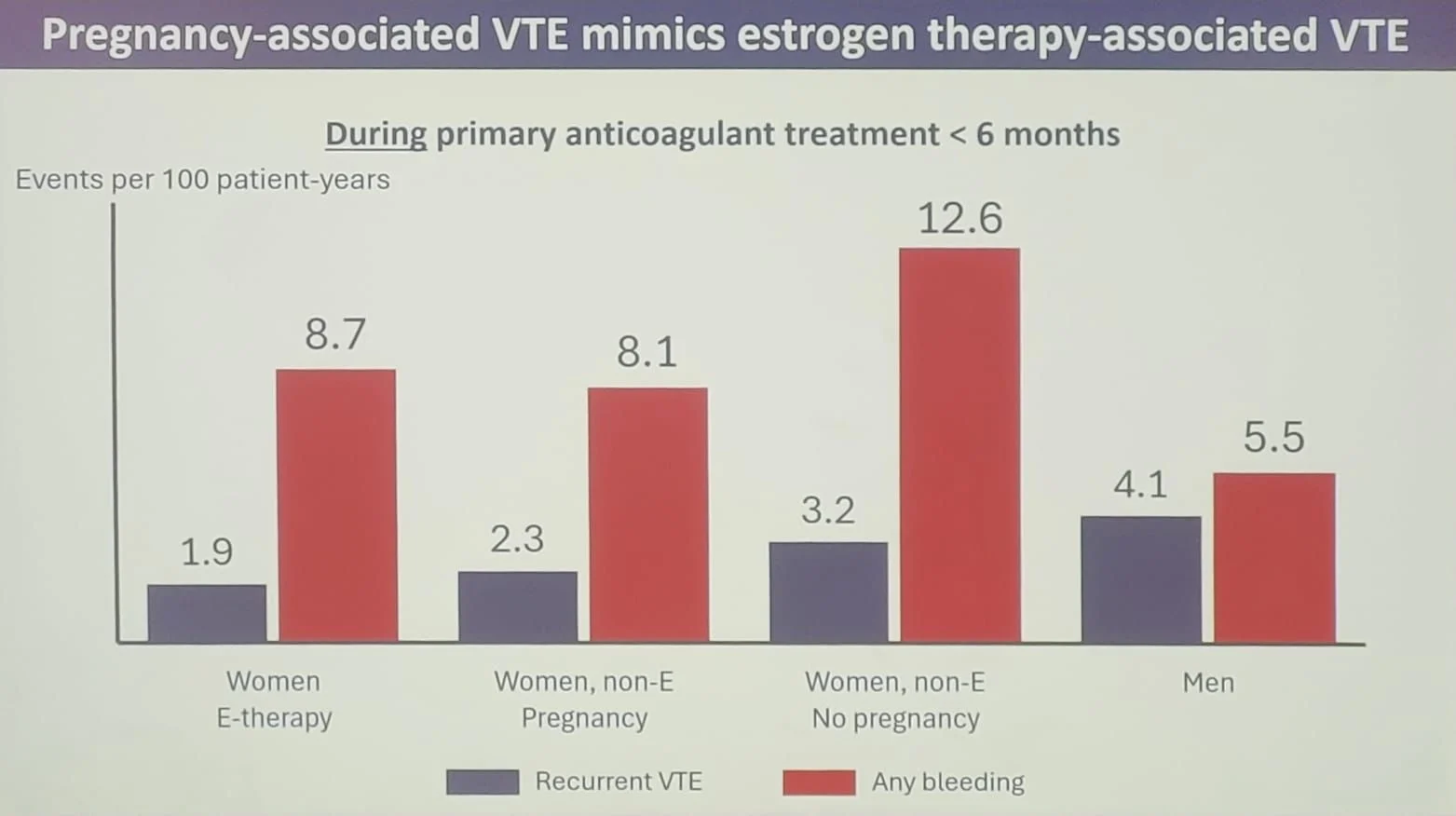
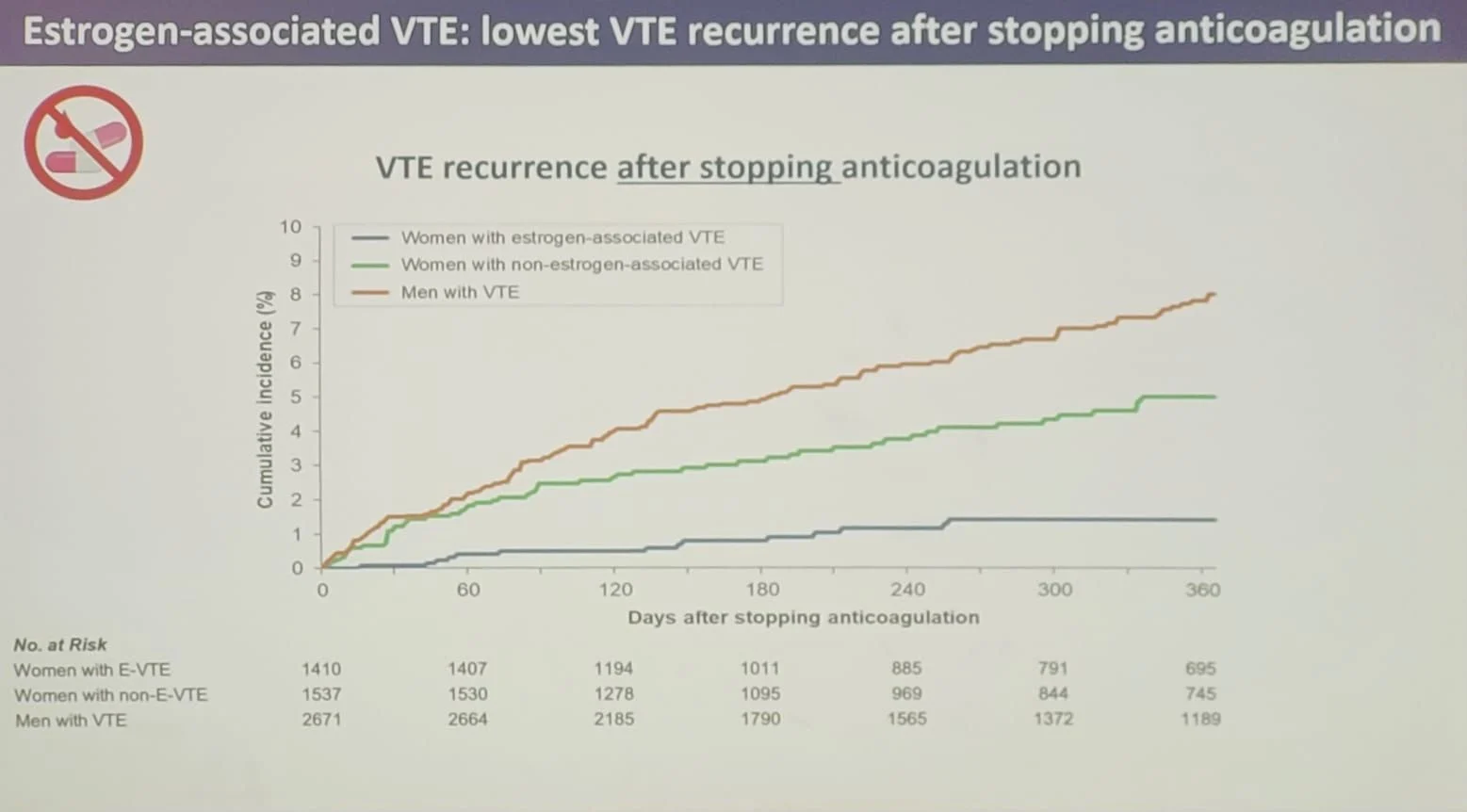
For women whose VTE is clearly provoked by estrogen exposure, and in whom the provoking factor has been discontinued, extended anticoagulation beyond the initial treatment phase is unlikely to provide substantial additional benefit for most patients.
Instead, the decision should balance:
- the very low recurrence risk after stopping therapy,
- the measurable bleeding risk while continuing anticoagulation,
- patient preferences,
- future pregnancy plans,
- inherited thrombophilia,
- and persistent risk factors.
Importantly, the authors emphasized that long-term recurrence remains insufficiently characterized, highlighting the need for extended follow-up studies before definitive recommendations can be made.
Take-home message
This presentation provides robust real-world evidence that estrogen-associated VTE represents a unique clinical entity rather than simply another provoked thrombotic event.
Women with estrogen-associated thrombosis are younger, usually have estrogen exposure as the only identifiable provoking factor, experience the lowest recurrence rates after treatment discontinuation, and may derive limited benefit from prolonged anticoagulation.”
Stay Updated with the Latest ISTH 2026 Updates on Hemostasis Today.
-
Oct 17, 2026, 09:33Robert Lookstein: Mechanical Thrombectomy Shows Functional Benefits in Intermediate-High-Risk PE
-
Oct 17, 2026, 09:18Sarra Hmidi: Tunisia Highlights Thrombosis Prevention on World Thrombosis Day
-
Oct 17, 2026, 09:05Addressing the Hidden Burden of Bleeding Disorders in Women – Hemophilia Society Mumbai Chapter
-
Oct 17, 2026, 08:49Maria Magnusson: Karolinska Experts Explore Gene Therapy in Sickle Cell Disease and Hemophilia
-
Oct 17, 2026, 04:07Weihao Li: Global HEPATIC Registry Findings on Post-Transplant Arterial Thrombosis
-
Oct 17, 2026, 03:56Ghaith Abu-Zeinah: ASH Publishes 2026 Guidelines for Myelofibrosis Management in Blood Advances
-
Oct 17, 2026, 03:48Tristan Siokos: Why Vascular Occlusion Is More Than Just Clots – Breakdown of the 8 Pathways
-
Oct 17, 2026, 02:36Archil Jaliashvili: Oxygen Transport in Capillaries
-
Oct 17, 2026, 02:35Carly Newton: Understanding Access to Red Blood Cell Exchange for People Living With SCD