

Which Thrombophilia Tests Really Matter? – ICHCC
Iranian Comprehensive Hemophilia Care Center (ICHCC) shared a post on LinkedIn:
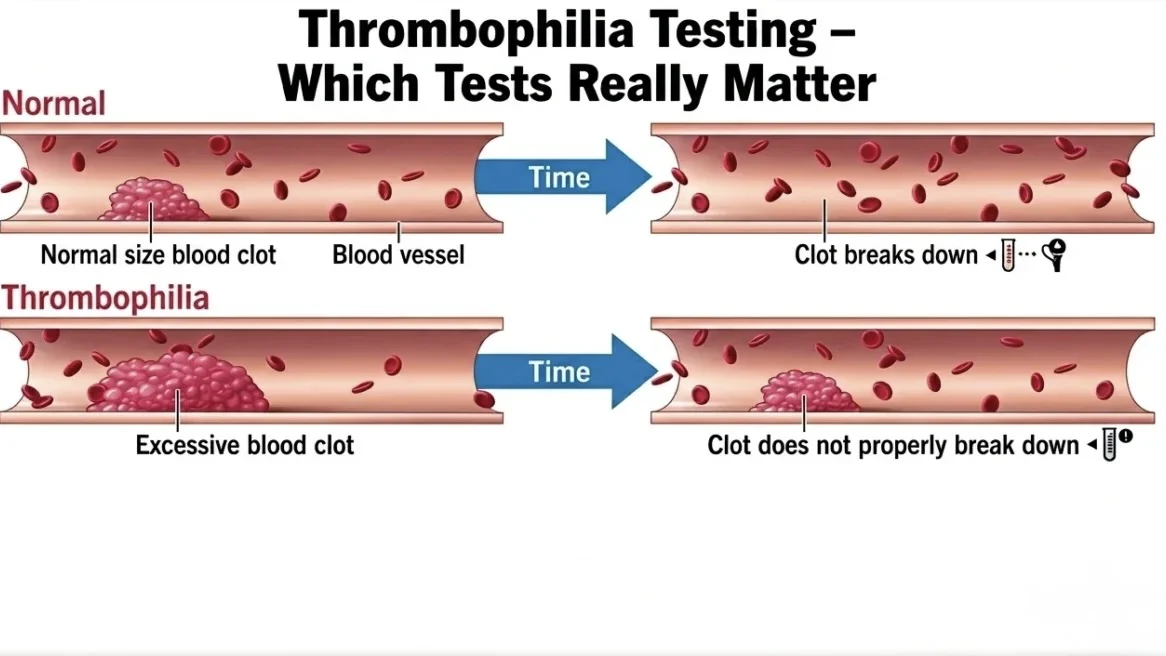
“Thrombophilia Testing: Which Tests Really Matter?
Although thrombophilia panels are frequently requested, not all tests provide the same clinical value. Current guidelines emphasize identifying thrombophilic conditions with proven impact on patient management.
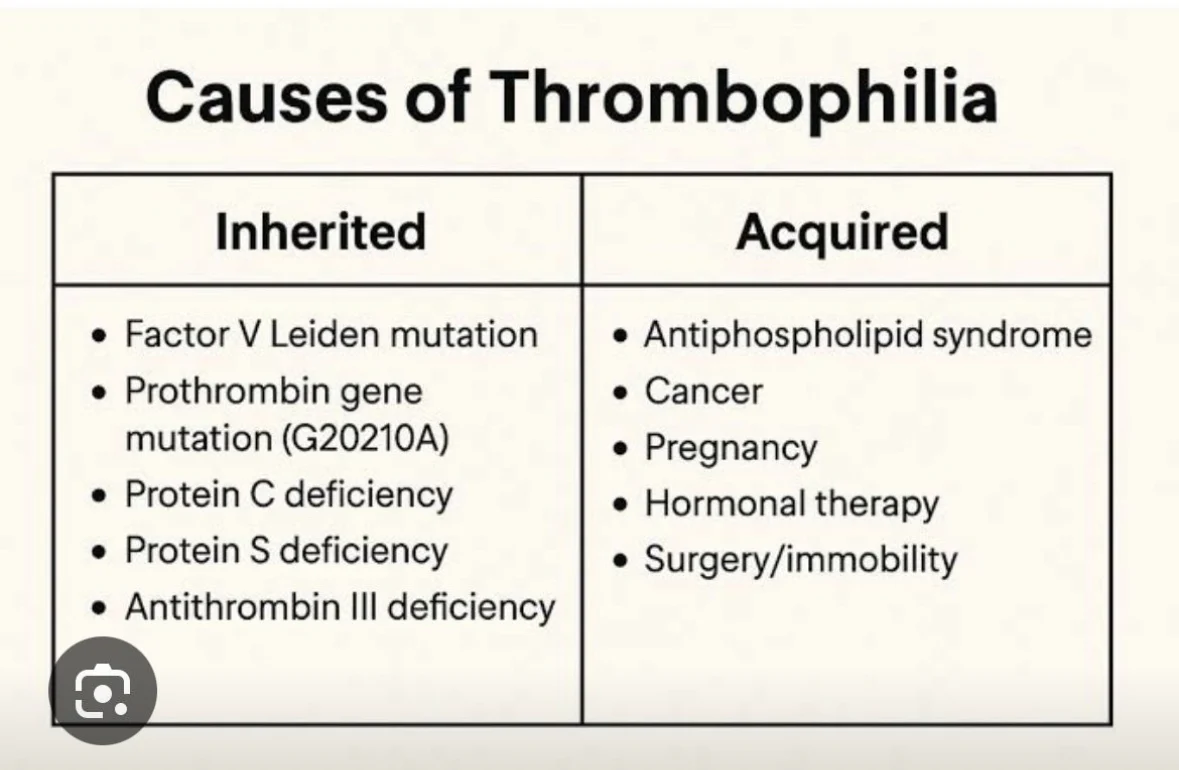
Key Tests for Inherited Thrombophilia
- Factor V Leiden Mutation
The most common inherited thrombophilia in many populations.
- Prothrombin G20210A Mutation
The second most common inherited genetic risk factor for venous thrombosis.
- Protein C Activity
Deficiency is associated with an increased risk of venous thromboembolism (VTE).
- Protein S Activity
Both inherited and acquired deficiencies may predispose to thrombosis.
- Antithrombin Activity
One of the highest-risk inherited thrombophilic disorders.
Key Tests for Acquired Thrombophilia
- Lupus Anticoagulant (LA)
- Anticardiolipin Antibodies (aCL IgG/IgM)
- Anti-β2 Glycoprotein I Antibodies
These three tests form the cornerstone of diagnosing Antiphospholipid Syndrome (APS).
Which Tests Are Less Useful Today?
- MTHFR mutation testing
- Homocysteine levels (in most patients)
- PAI-1 4G/5G polymorphism
- Various low-impact genetic polymorphisms
In most cases, these tests do not alter clinical management.
When Should Testing Be Performed?
- During an acute thrombotic event
- While receiving warfarin, heparin, or DOAC therapy
These situations may lead to inaccurate results.
Ideally, testing should be performed several weeks after the acute event and, when feasible, after anticoagulation has been discontinued.
Clinical Pearl
For most patients, a focused thrombophilia workup including:
- Factor V Leiden
- Prothrombin G20210A
- Antithrombin
- Protein C
- Protein S
- APS Panel
Provides far more clinically meaningful information than broad, expensive thrombophilia panels.”
Stay updated with Hemostasis Today.
-
Nov 8, 2026, 18:28Raghavendra Rao: A Narrative Review on Chronic Venous Disease during Pregnancy
-
Nov 8, 2026, 17:57Dhiren Patel: PLD1-Derived Phospholipids Regulate NAD Kinase and ROS Production in Neutrophils
-
Nov 8, 2026, 17:48Andra T.: What Causes Antiphospholipid Syndrome? – Four Steps, not One Cause
-
Nov 8, 2026, 17:38Nasrin Samadi: Can a Normal Clotting Test Be Misleading?
-
Nov 8, 2026, 17:36Paschalis Evangelidis: The Multifactorial Nature of Cardiovascular Risk in People With Hemophilia
-
Nov 8, 2026, 17:32Evangelos Panagiotopoulos: Apixaban Reduces Stroke and Major Bleeding Risk in Secondary Stroke Prevention
-
Nov 8, 2026, 17:27Danny Gaskin: Applications Open for the BBTS Specialist Certificate in Clinical Transfusion Practice
-
Nov 8, 2026, 16:54James P. Crowley: DOAC Testing Under 50 ng/mL Safely Expedites Urgent Hip Fracture Surgery
-
Nov 8, 2026, 16:21Alessandra Bosch: Women and Girls With Bleeding Disorders and the DACH Registries at HHS 2026