

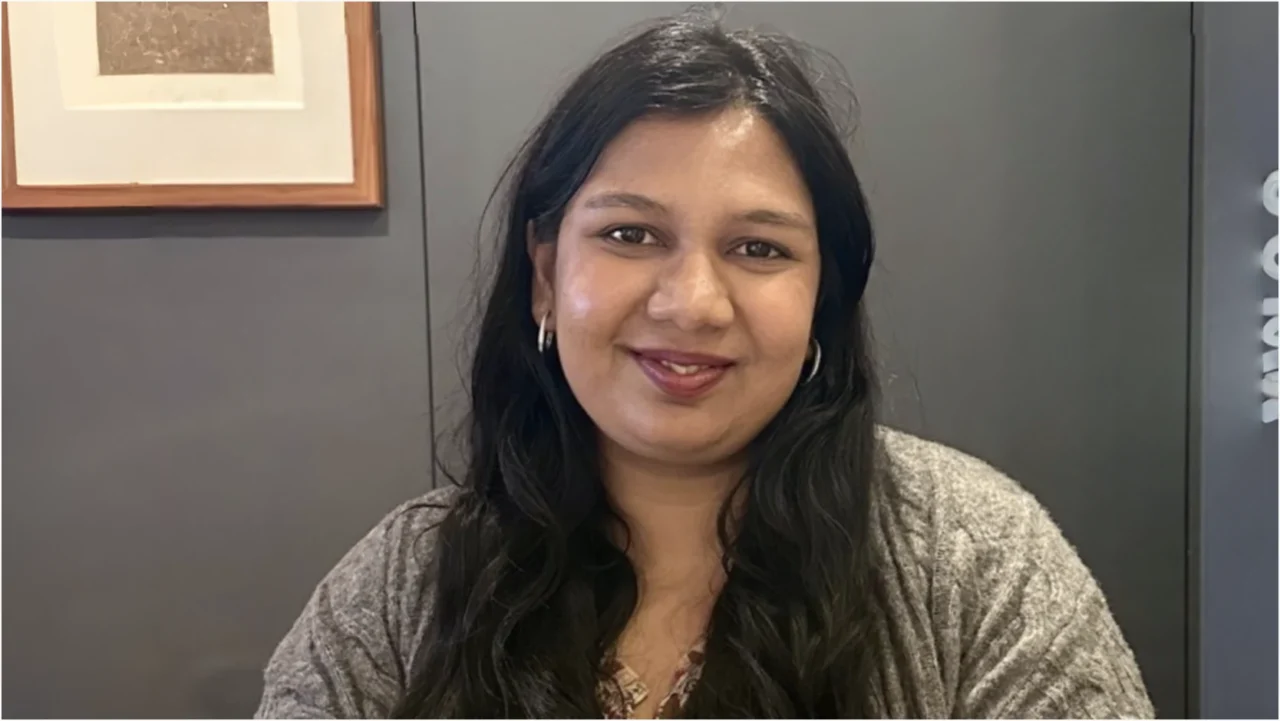
Kuhu K.: We Need to Break the Silence on Mental Health After Stroke
Kuhu K., Counselling Psychology and CST Counsellor, shared Charumati Raghavan‘s post on LinkedIn:
”Stroke doesn’t just affect the body.
It affects memory, mood, confidence, and identity, yet these invisible effects often go completely unaddressed.
I co-authored this article because I believe we need to talk more honestly about stroke recovery, dementia and mental health in ways that people can actually use in everyday life.
The numbers speak for themselves: 87-90% face these difficulties, only 7% get help. 88% didn’t even know the service existed.
Let’s change that. Please read and share if this resonates with you.
Grateful for this opportunity thanks to Charumati Raghavan ma’am and Stroke Support India – Stroke Support Group.”
Charumati Raghavan, Neuropsychologist at Poona Hospital and Research Centre, shared on LinkedIn:
”The hardest parts of stroke recovery are often invisible.
Memory lapses. Personality shifts. Apathy. Mood changes.
Cognitive deficits are barriers to recovering functions, frequently associated with depression, dementia and long term disability.
In our survey via Stroke Support India, incidence of cognitive and psychological difficulties were high (87-90%) and comparable to those with physical and speech related impairments (87-93%). Yet while 93% of patients availed of physiotherapy, only 7% availed of neuropsychological services.
When asked why, 88% of patients and caregivers said that they were not aware that such a service was available!
We need to do more by initiating these conversations, because we are treating a person, not just their physical and visible impairments.
The article below co-authored with my psychologist colleague Kuhu K. is our attempt to start building this conversation.
In academic and clinical circles, we often talk about executive functions, apathy and other terms that do not always explain the implications of these in real world terms to families.
Hopefully this article and a subsequent talk that is in preparation can help bridge that gap in a small way.
If you or someone you know could benefit from this article and attending the talk, please share the post and register your interest in the talk by filling the link at the end of the article.
Your support matters.”
Stay updated with Hemostasis Today.
-
Sep 23, 2026, 13:42Melissa Hollo: Connecting Obesity and Anemia for Earlier Maternal Risk Intervention
-
Sep 23, 2026, 13:16Beverley Hunt: Advances in Haemostatic Management of Postpartum Haemorrhage
-
Sep 23, 2026, 13:13Ioanna Mela: Recruiting a Research Associate on DNA nanotechnology
-
Sep 23, 2026, 13:04Ben Samelson-Jones: Do Gene Variants Drive PK Differences in FIX-Fusion and N9-GP Therapies?
-
Sep 23, 2026, 12:57Shelly Reed: Advocating for HTCs and CDC Funding with the Hemophilia Federation of America
-
Sep 23, 2026, 12:51Domenico Girelli: How Verona Hospital Transformed ED Anemia Care with Patient Blood Management
-
Sep 23, 2026, 12:45Lina Camacho-Arteaga: ENTIS Study Uncovers Safety Data on Early Pregnancy Exposure to Direct Oral Anticoagulants
-
Sep 23, 2026, 12:34Hiteshi K.C. Chauhan: Why Mechanical Valve Thrombosis Is a Systems Failure, Not Just an Anticoagulation Error
-
Sep 23, 2026, 12:33World Thrombosis Day 2026 Puts Women’s Health in Focus – JTH