

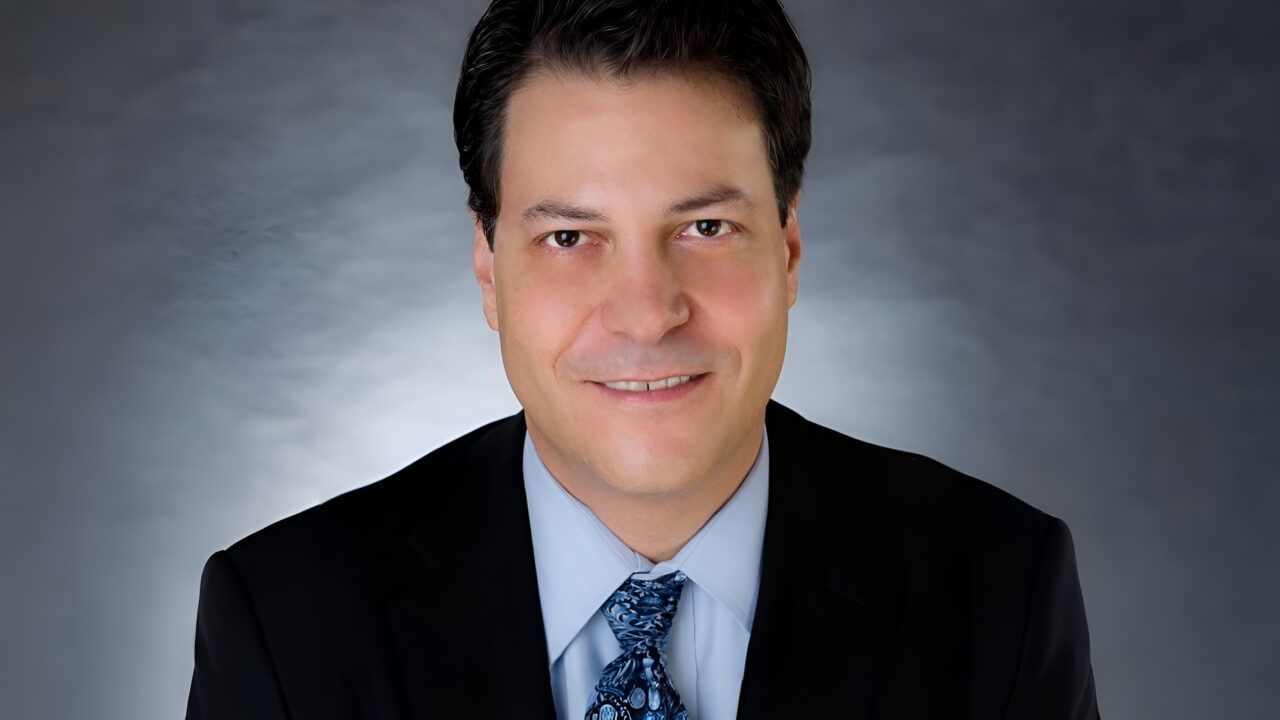
Mitchell Elkind: Why Is The American Heart Association Holding a Brain Health Symposium?
Mitchell Elkind, Chief Science Officer, Brain Health and Stroke, American Heart Association, shared on LinkedIn:
”Why Is The American Heart Association Holding a Brain Health Symposium?
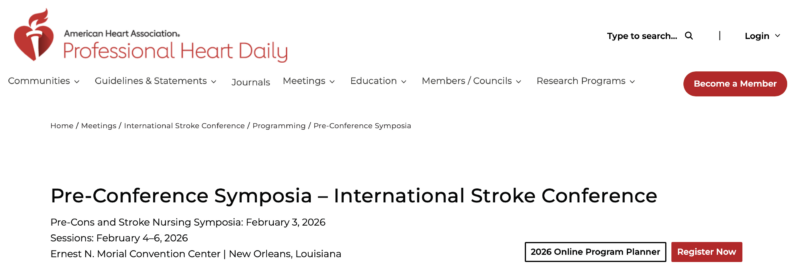
The American Heart Association and American Stroke Association will hold the first-ever Brain Health Symposium, an all-day scientific event to be held on February 3, 2026, in New Orleans, Louisiana, on the day before the International Stroke Conference.
This symposium will bring together leading scientists, clinicians, and advocates to explore the vital connection between heart health and brain health, and to highlight the Association’s initiatives aimed at improving brain health through cardiovascular prevention and advocacy.
Emerging science continues to reveal that the health of our hearts is closely linked to the health of our brains.
Conditions such as high blood pressure, atrial fibrillation, and stroke have profound effects on cognitive function and overall brain wellness.
Recognizing the growing public health challenge of cognitive decline and dementia, the American Heart Association has several ongoing initiatives focused on brain health—emphasizing that preventing heart disease is also key to maintaining brain function throughout life.
This Brain Health Pre-Conference Symposium is designed to advance scientific understanding, foster collaboration, and inspire innovation in the prevention and management of brain-related conditions.
Attendees will have the opportunity to engage with world-renowned experts, participate in dynamic discussions, and discover the latest breakthroughs at the intersection of heart and brain health. And hear a little music too!
Session Highlights include:
· The Heart-Brain Connection: This session will explore how cardiovascular health impacts cognition, with presentations on mechanisms linking heart disease to brain outcomes. Experts will discuss new findings on cardiac and brain amyloid, blood flow, inflammation, and risk factors.
· Post-Stroke Cognitive and Mental Health Problems: Stroke survivors often face challenges with memory, attention, and mental health. This session will address the latest approaches to recognizing, treating, and supporting cognitive and emotional recovery after stroke.
· Changing the Course of Cognitive Decline and Dementia: Leading scientists will share innovative prevention strategies, including lifestyle interventions, medical therapies, and community-based programs aimed at reducing the risk and impact of dementia.
· The Brain in Society: This session considers the societal implications of brain health, including creativity, architecture, the arts, music (we will be in NOLA after all!), and policy to improve brain health. Moderators will facilitate dialogue on how communities can support brain wellness from childhood through aging.
We hope you’ll join us!”
Find more here.
Stay updated with Hemostasis Today.
-
Oct 19, 2026, 16:36Christopher Pittman: Blood Clot Prevention Cannot End at Hospital Discharge
-
Oct 19, 2026, 16:13Javier M. Floren: When Immune Cells Move With Their Environment
-
Oct 19, 2026, 16:04Hussnain Javaid: New EHA Guidelines for HbSC Disease Management
-
Oct 19, 2026, 15:50Deep Madkaiker: A New Academic Opportunity in Transfusion Medicine at ACTREC
-
Oct 19, 2026, 15:19Why Hematologists Should Care About Diminished Ovarian Reserve in SCD – ASH Education
-
Oct 19, 2026, 14:16Hyperfibrinolysis as an Underrecognized Cause of Bleeding
-
Oct 19, 2026, 13:36Shobhna Ladva: Aspen Pharma EME Raises Awareness of Blood Clot Risks During Hormonal Transitions
-
Oct 19, 2026, 13:11Giulia Furnari: Connecting With Global Hematology Experts at IACH 2026
-
Oct 19, 2026, 12:46Andrew Choong: Recognizing Thrombosis Before It Becomes Life-Threatening