


Mohammud Ibraheem: Pregnancy Associated Stroke and the Hypercoagulable State
Mohammud Ibraheem, Neuropsychiatrist at Ministry of Health and Population, shared a post on LinkedIn:
“Stroke in Pregnancy
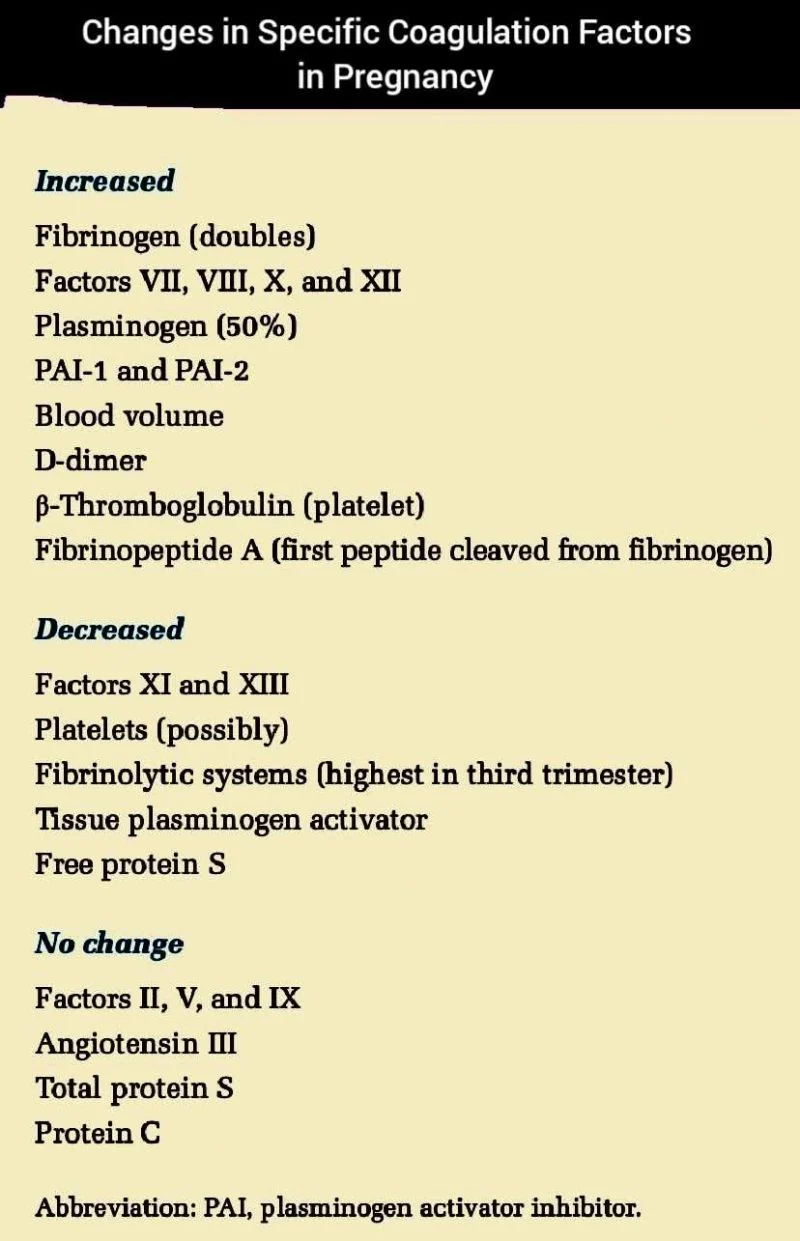
Pregnancy is a special situation in which the body is preparing for an event that requires rapid coagulation at the time of birth. A number of changes occur during pregnancy and the puerperium.
Typically, changes begin in the 1st trimester and continue into late pregnancy.
The RBCs mass increases at about 10 weeks and continues to increase progressively until term. The plasma volume begins to increase also at about 10 weeks’ gestation, continues to increase progressively until 30 to 34 weeks, and then plateaus.
The mean increase in plasma volume by 30 to 34 weeks is 50%. Because volume increases by 50% and the RBC mass increases by only 18% to 30%, the hematocrit decreases to its nadir at 30 to 34 weeks, resulting in anemia.
When the placenta separates, maternal blood flow (700 mL/min) is reduced by myometrial compression and thrombotic occlusion of the vessels. Coagulation is activated, and fibrinogen increases while coagulation inhibitors decrease.
The coagulation and fibrinolytic systems are important in controlling fibrin deposition in the uteroplacental circulation while preventing fibrin deposition in the rest of the vascular system.
Cerebrovascular complications during pregnancy and the postpartum state include:
- Subarachnoid hemorrhage
- Intraparenchymal hemorrhage
- Venous thrombosis
- Pituitary apoplexy
- Ischemic stroke
- Reversible vasoconstriction syndrome”
Stay updated with Hemostasis Today.
-
Oct 9, 2026, 16:23David Boone: Distinguishing Stroke Prevention from Rhythm Control in Atrial Fibrillation
-
Oct 9, 2026, 15:27Mohamed Hegazi: Geostatistical Modelling Maps Global β-Thalassaemia Carrier Prevalence
-
Oct 9, 2026, 15:15Maha Othman: Uncovering the Consensus on TXA in TBI – Call for Collaboration on a Landmark Umbrella Review
-
Oct 9, 2026, 15:07Daniel D. Han: How Inhalation Product Exposure Impairs Cardiac and Platelet Recovery After MI
-
Oct 9, 2026, 14:58William Toole: How Ultrasound-Guided PRP Therapy Relieves Joint and Tendon Pain
-
Oct 9, 2026, 14:50Shayan Mohammadmoradi: In Corpus Christi for the 20th Midwest Platelet Conference
-
Oct 9, 2026, 14:37Tariq Tramboo: High Platelet Concentrate for Osteoarthritis Knee – Recent Meta-Analyses
-
Oct 9, 2026, 14:26Yousma Khan: Hematology Series – Beyond RBCs, WBCs and Platelets
-
Oct 9, 2026, 14:13Jesus Ardila Novoa: Why the WHO’s Historic Essential Medicines List Decision Is Just the Beginning