


Omar Adwan: Understanding Clinical Significance and Diagnostic Implications of Acanthocytes
Omar Adwan, Medical Laboratory Technologist at Modawah Lab Center, shared a post on LinkedIn:
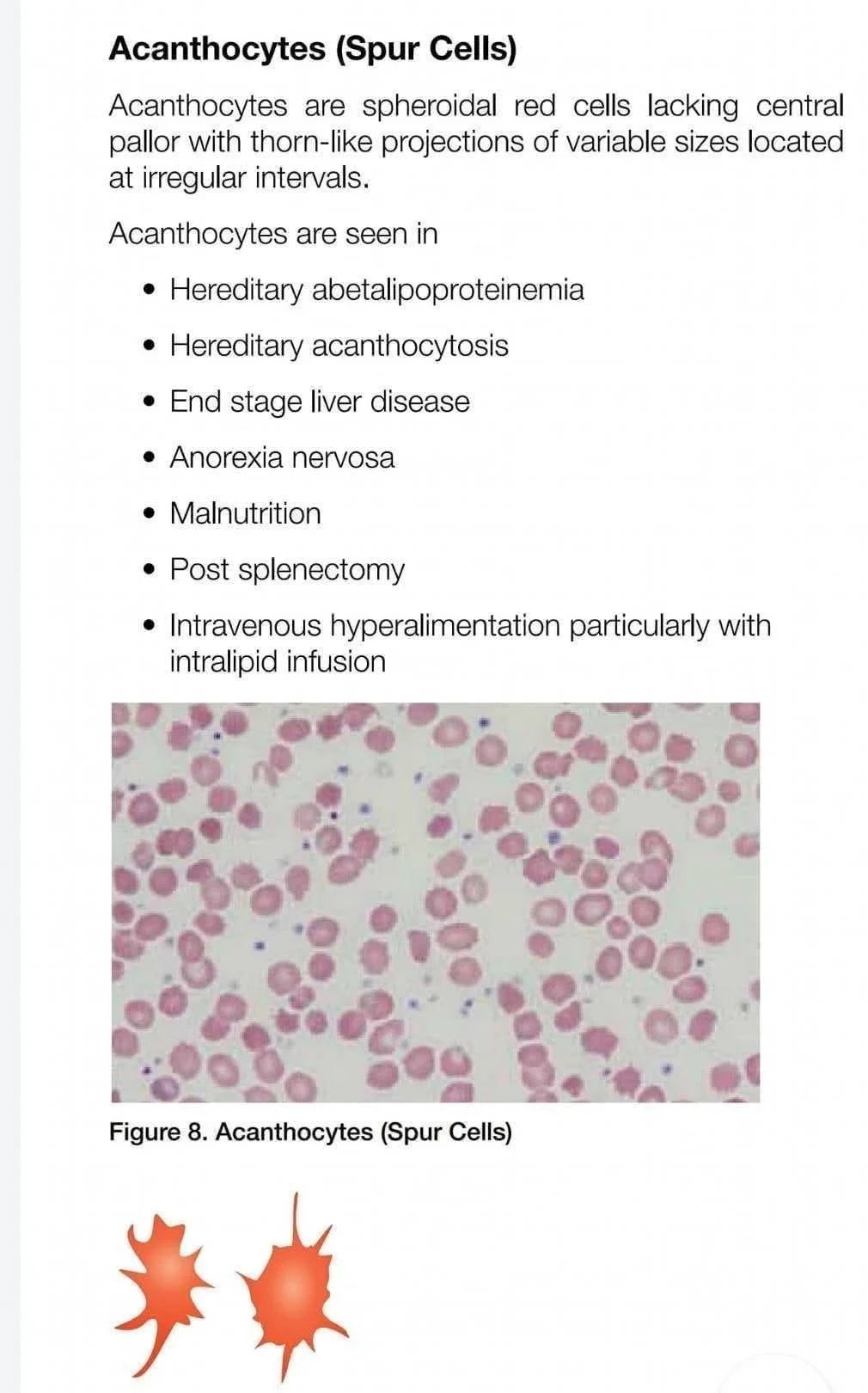
“Acanthocyte
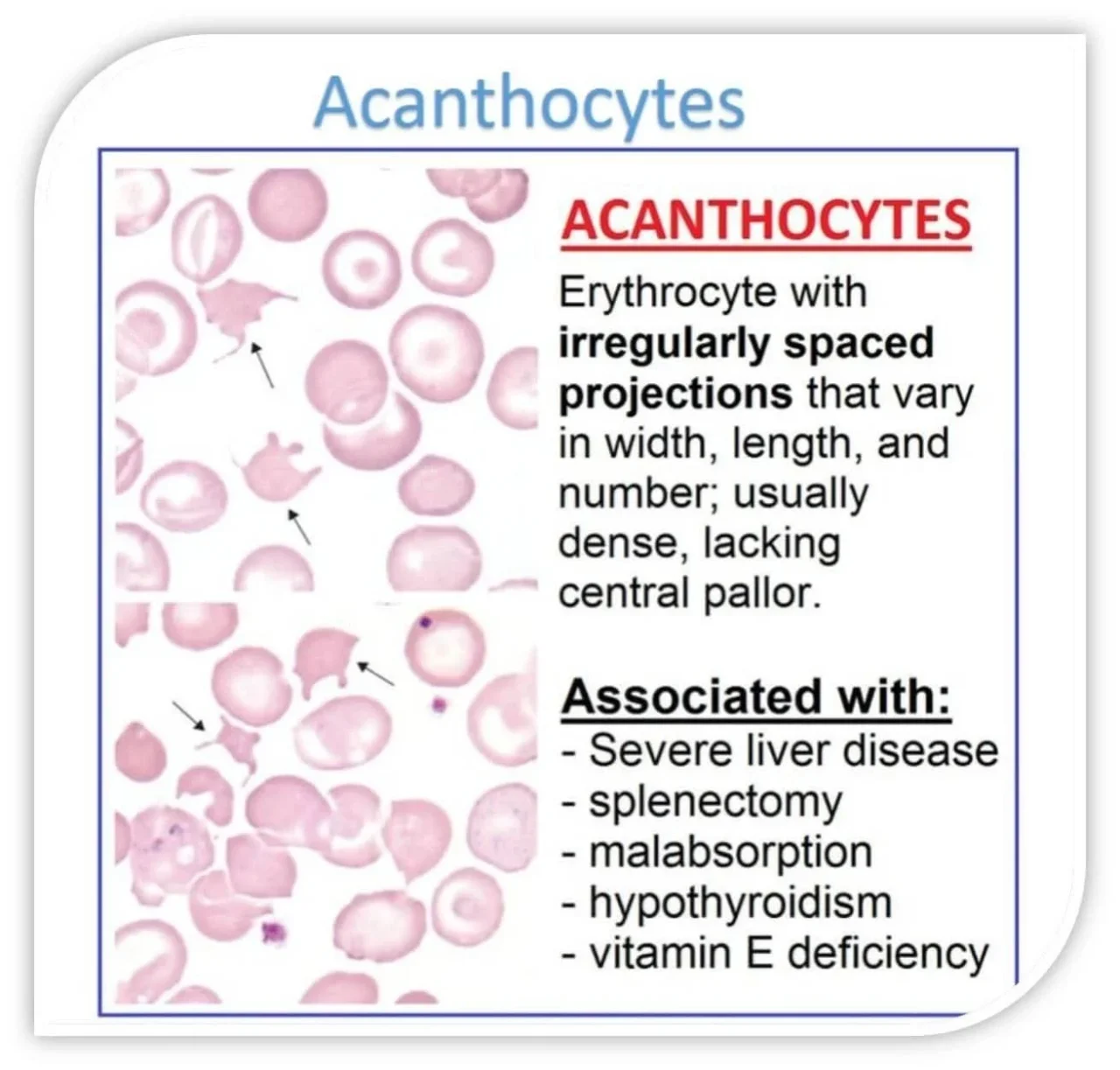
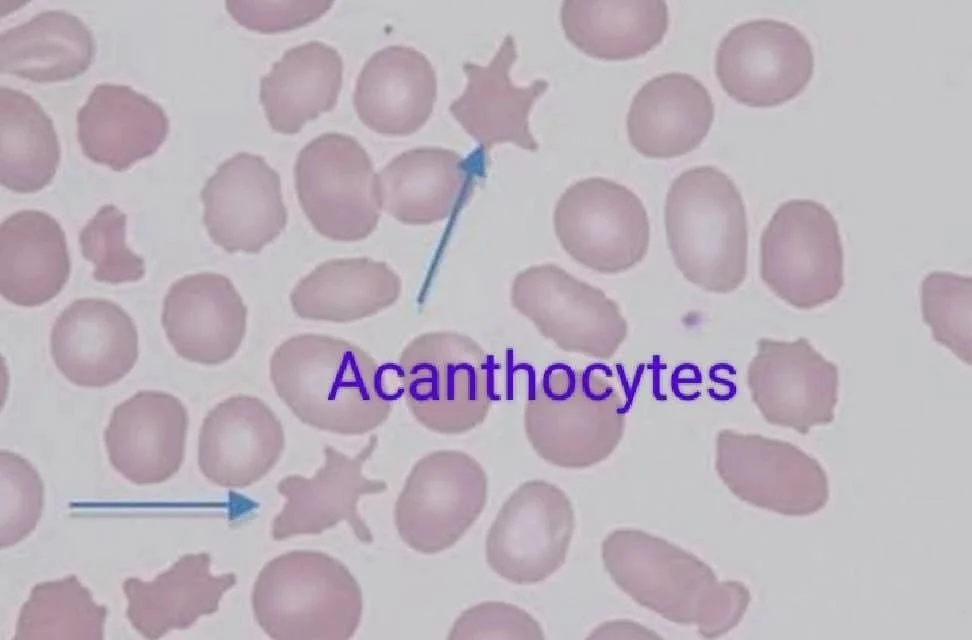
Red Blood Cells with spiky projections of varying size, length, and distribution, giving it an irregular shape.
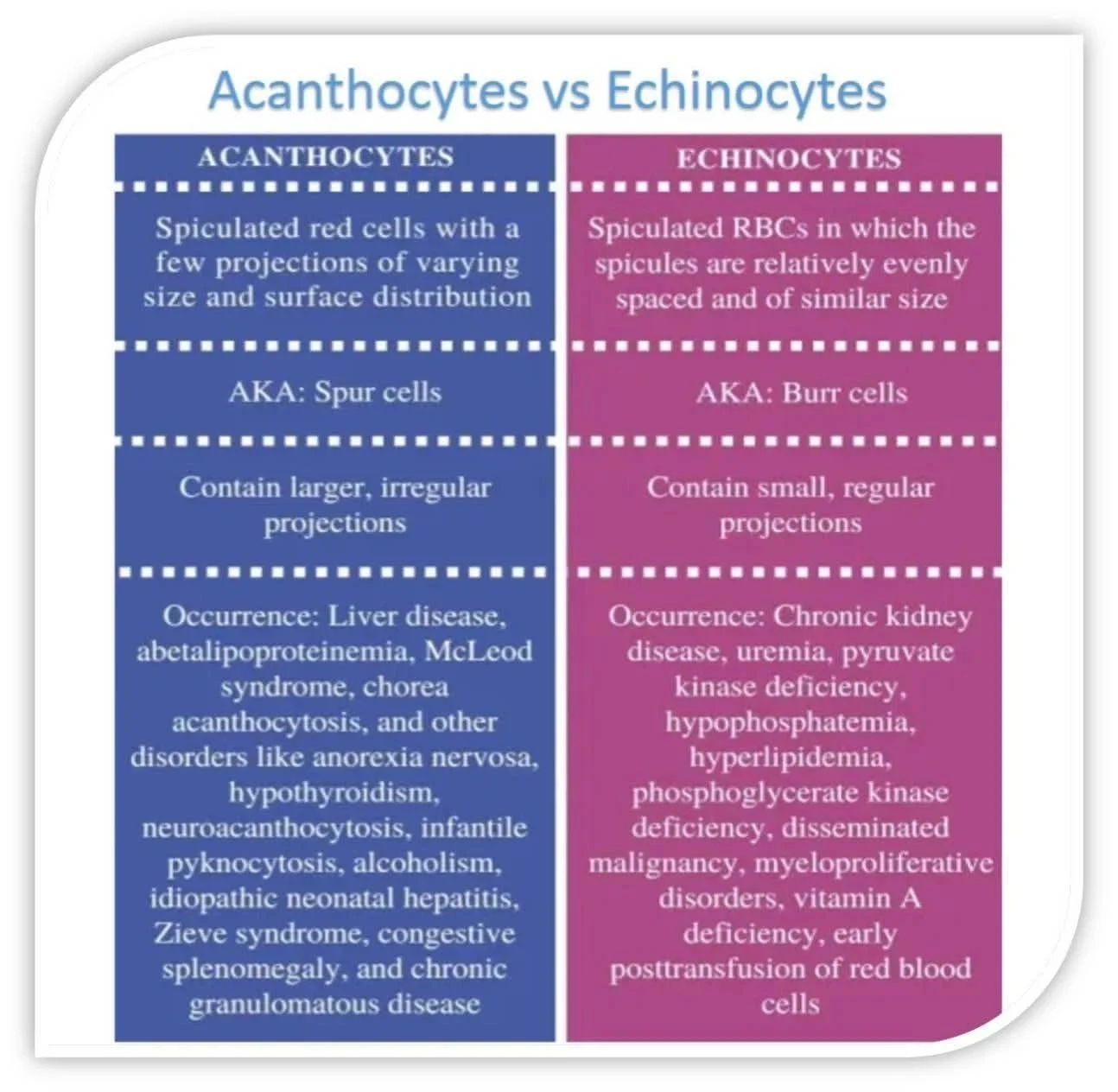
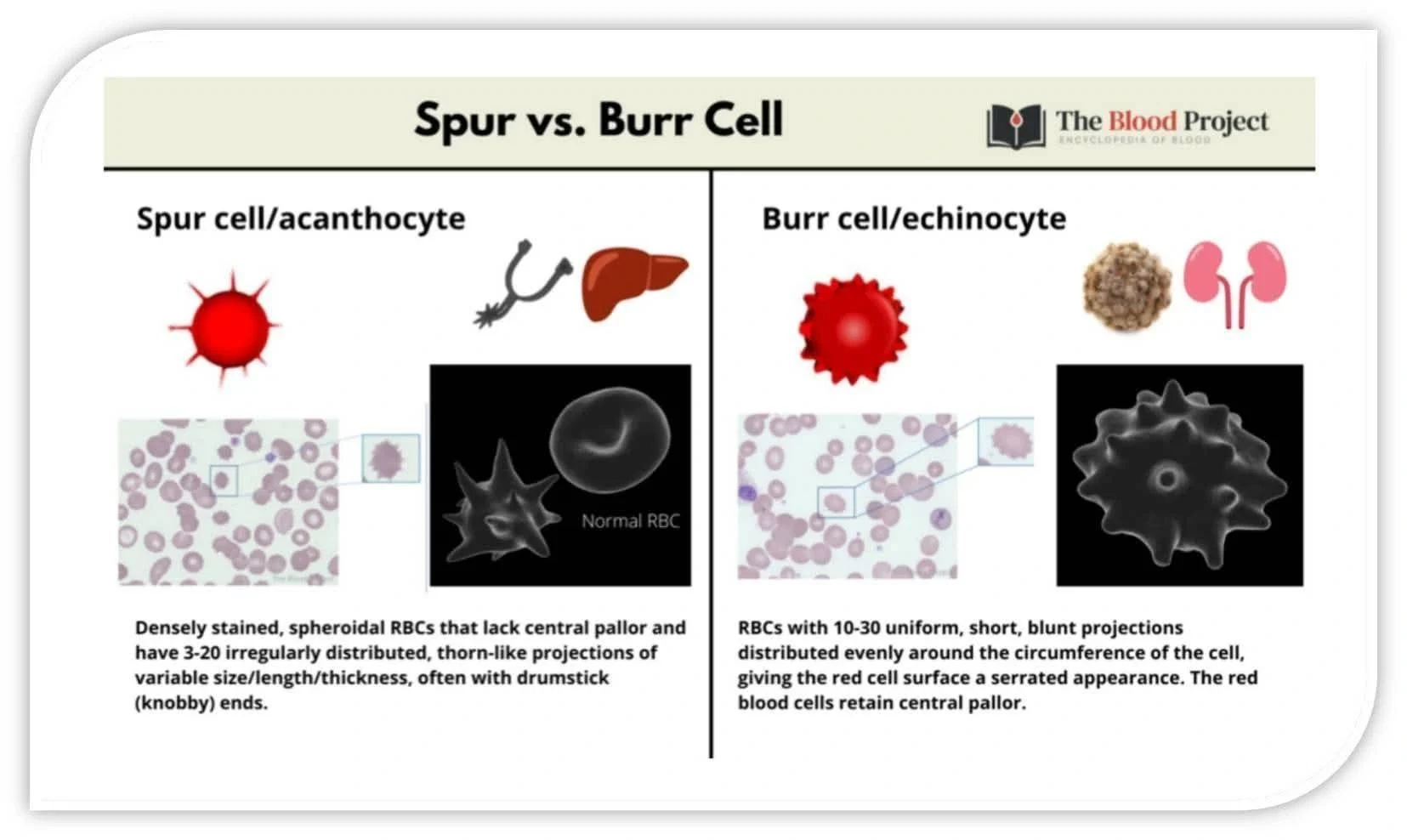
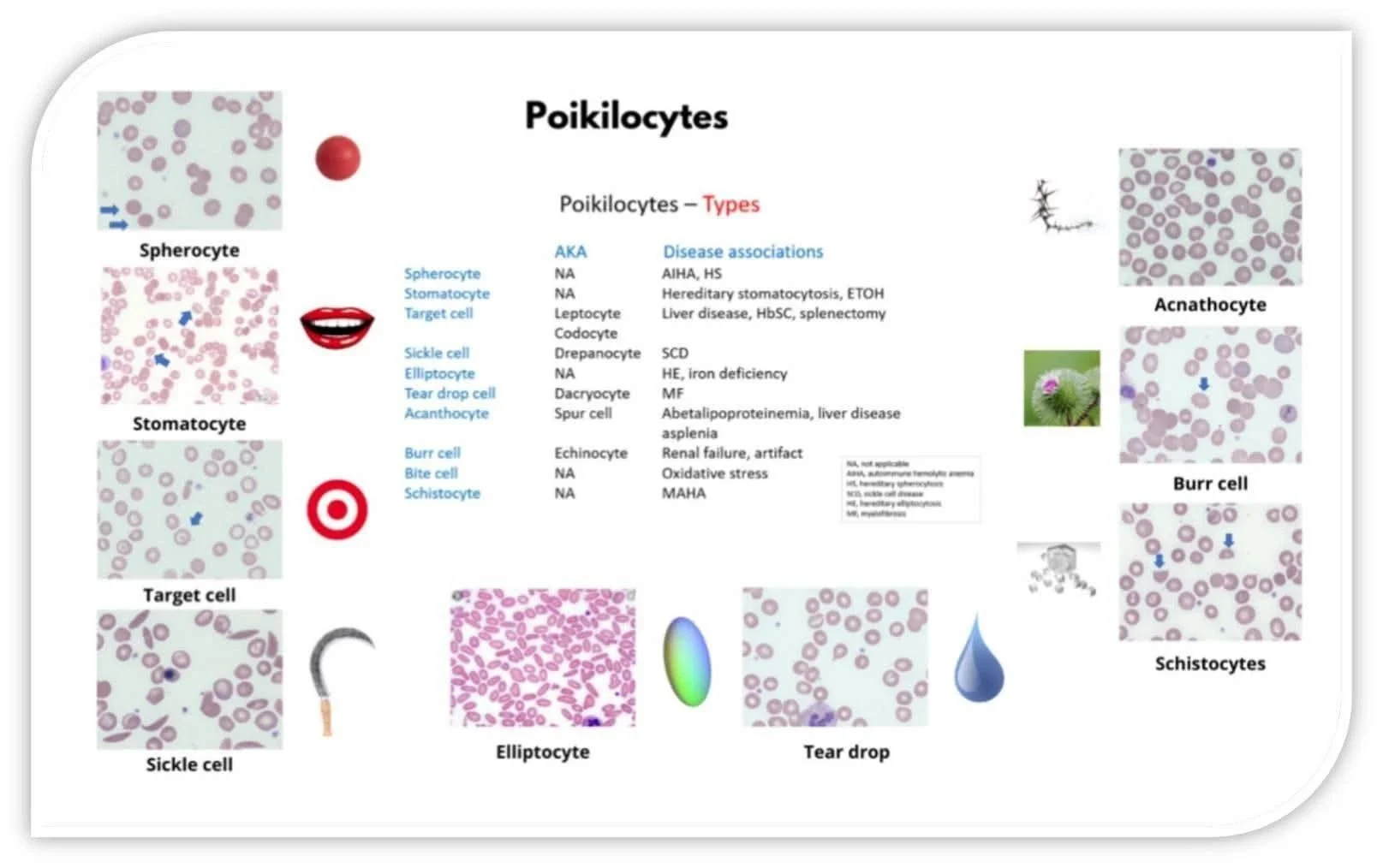
This differs from echinocyte, which has short, evenly spaced projections around the cell surface.
Conditions commonly associated with Acanthocytes
- Severe liver disease / Spur-cell anemia
Seen in advanced cirrhosis, where plasma lipid alterations lead to acanthocyte formation and severe hemolytic anemia.
- Abetalipoproteinemia (hereditary)
A genetic lipid disorder caused by defective MTP, leading to absence of apolipoprotein-B–containing lipoproteins, acanthocytosis, and fat-soluble vitamin deficiencies (e.g., vitamin E) with neurological manifestations.
- Neuroacanthocytosis syndromes
A group of neurological disorders associated with acanthocytosis, such as chorea- acanthocytosis (VPS13A) and McLeod syndrome (XK gene), often presenting with chorea, dystonia, neuropathy, etc.
- Others:
Post- splenectomy, malnutrition/anorexia, certain renal or metabolic disorders (clinical relevance varies).
Clinical significance
- Numerous acanthocytes – suggest severe disease, especially spur-cell anemia due to cirrhosis.
- Neurological symptoms – consider neuroacanthocytosis.
- Children with malabsorption – consider abetalipoproteinemia.”
See more in the gallery.
Stay updated with Hemostasis Today.
-
Oct 5, 2026, 22:48Laura Quintas Lorenzo: A New Approach to Healthcare for von Willebrand Disease at EHC 2026
-
Oct 5, 2026, 22:46Anas Zayad: Pleased to Share Our New Review on Thrombosis in SCD and Beta Thalassemia
-
Oct 5, 2026, 22:44Cihan Ay: Honouring Eric Kandel and Eugene Braunwald at the Medical University of Vienna
-
Oct 5, 2026, 22:42Heather L. Gornik: Testing for Aortic and Arterial Thrombosis at VSS 2026
-
Oct 5, 2026, 22:34Hasan Abbas Zaheer: Honoured to Have Co-Authored One of the Four Reviews in The Lancet Thalassemia Series
-
Oct 5, 2026, 22:34Kamyar Shameli: Understanding the Coagulation Cascade – How Anticoagulants Prevent Blood Clots
-
Oct 5, 2026, 22:31Risika Samanta: Pediatric ITP in a 12-year-old – An Atypical Presentation without a Viral Prodrome
-
Oct 5, 2026, 22:25Allie Boutin: Raising Awareness and Supporting the Community During ITP Awareness Month
-
Oct 5, 2026, 15:31Irma Bagdoniene: Multidisciplinary Management of High-Risk Familial Hypercholesterolaemia and CAD