

Why Resilience Matters for Plasma-Derived Medicinal Products – PPTA Europe
PPTA Europe shared a post on LinkedIn:
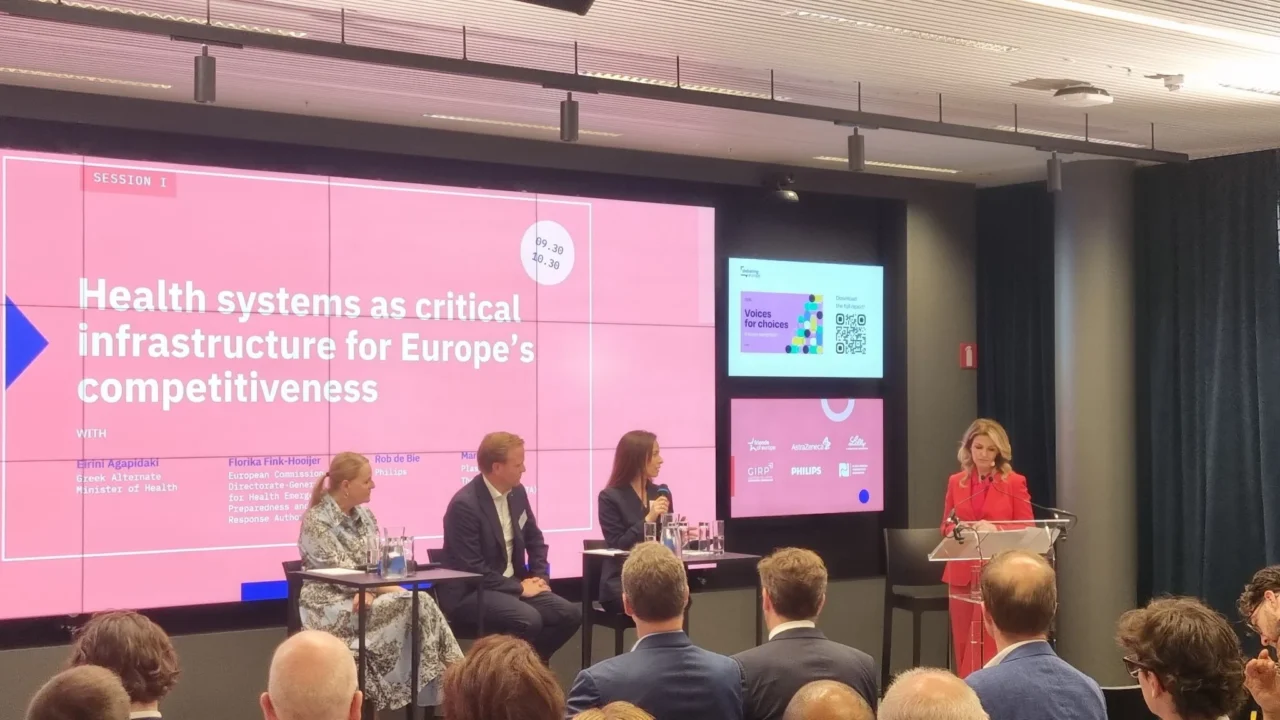
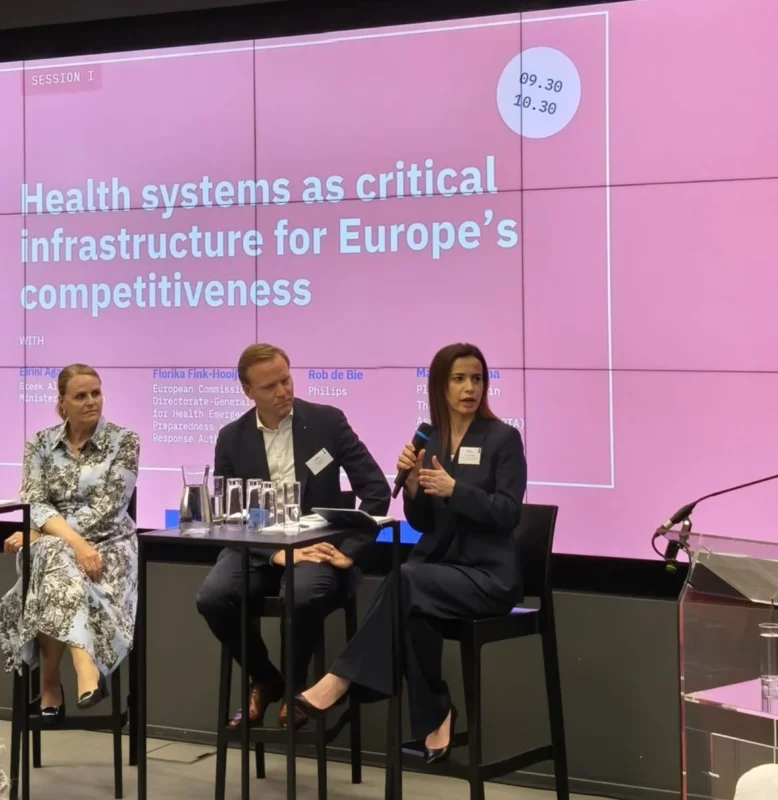
”At today’s Friends of Europe panel on reimagining Europe’s health systems, the discussion focused on why health must be treated as strategic infrastructure for Europe’s economy, resilience and preparedness.
For plasma-derived medicinal products, resilience depends on recognising how these therapies are made – and getting the details right as the EU implements the general pharmaceutical legislation, the Critical Medicines Act and the Biotech Act.
PDMPs rely on healthy plasma donors, specialised infrastructure, complex supply chains, and manufacturing timelines that cannot be shortened overnight.
- One-size-fits-all solutions will not work for all critical medicines
- Health must be integrated into debates on preparedness, strategic autonomy and long-term investment
- Prevention, equity and practical implementation must guide how Europe plans for the future
Europe cannot reduce vulnerabilities in a single decision.
But realistic policy choices can help strengthen supply, support innovation and keep treatment available for the patients who depend on it.
Stay updated with Hemostasis Today.
-
Oct 29, 2026, 16:39A Scholarship Creating Opportunities for Women with Bleeding Disorders – WFH
-
Oct 29, 2026, 16:30Wendy Disbro: AABB Highlights the People and Experience Behind Transfusion Medicine
-
Oct 29, 2026, 16:23Reza Shojaei: Artificial Intelligence in Blood Donation
-
Oct 29, 2026, 16:20Sherif Hamdy: NBTS Scientific Day Highlights Collaboration in Blood Transfusion Services and Laboratory Medicine
-
Oct 29, 2026, 16:20Ronak Mistry: Strengthening the Future of Hematology Through Mentorship
-
Oct 29, 2026, 16:16Clinical Insights and Patient Perspectives in the Upcoming ERIN Webinar – EHC
-
Oct 29, 2026, 16:14Nisha Zahid: Study Links Preeclampsia to Impaired Mesenchymal Stem Cell Function
-
Oct 29, 2026, 16:06Bruno Pougault: Evidence-Based Guidance for Perioperative Bleeding Management
-
Oct 29, 2026, 15:54Negar Saleh: Integrating Interpretability Into AI-Based Pulmonary Embolism Prediction