

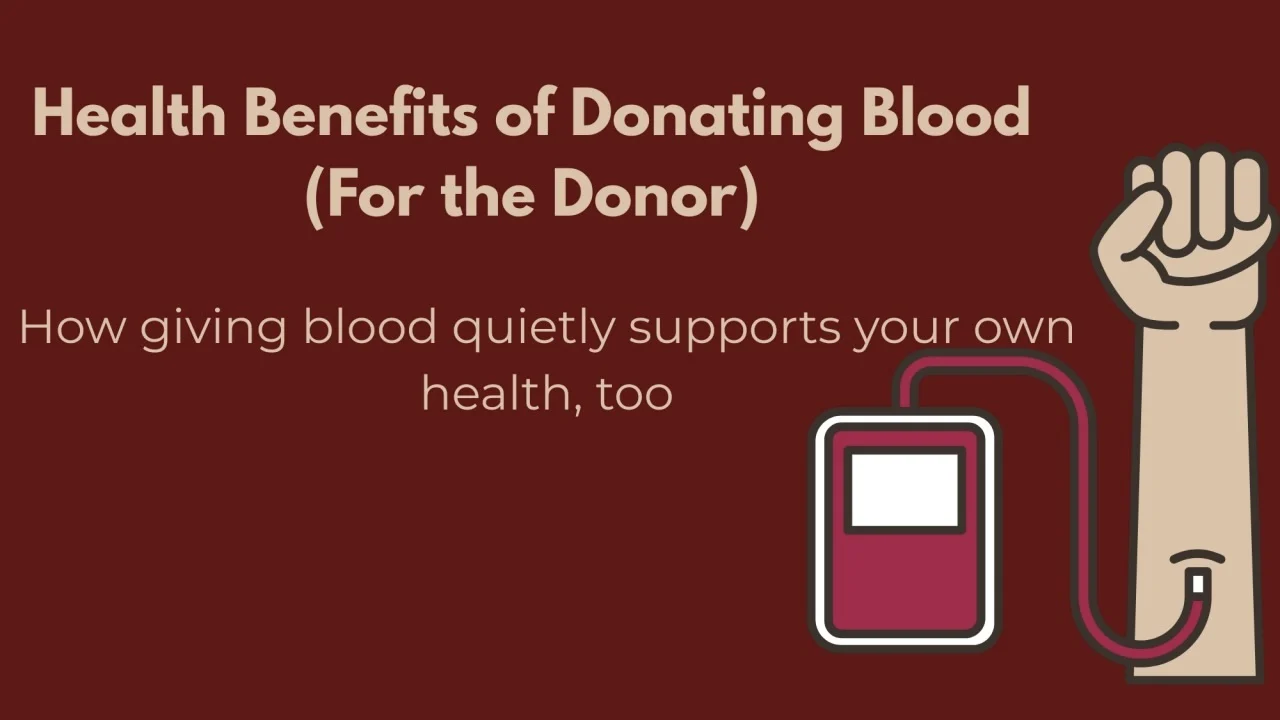
Srishti Goyal: Blood Donation – The Health Benefits No One Talks About
Srishti Goyal, Medical Laboratory Technologist, shared a post on LinkedIn .
“When we talk about blood donation, the focus is always on the patient who receives it. The accident victim. The surgical patient. The child with thalassemia. And that’s important. That’s the whole point.
But here’s what rarely gets discussed: donating blood can also have meaningful health benefits for you, the donor.
I’m not talking about feel-good slogans or motivational posters. I’m talking about real, documented physiological effects that researchers have been studying for years.
So if you’ve ever wondered whether donation does anything for your own health, let me walk you through what actually happens.
1. It Helps Regulate Iron Levels in Your Body
Let’s start with iron. Iron is essential for life. But excess iron? That’s not harmless.
High iron stores in the body are linked with oxidative stress, a process that damages blood vessels and plays a role in atherosclerosis and cardiovascular disease.
Regular blood donation naturally reduces excess iron stores, especially in men and post-menopausal women, helping maintain a healthier balance.
2. It Reduces Blood Viscosity (How Thick Your Blood Is)
Here’s one of the more fascinating effects discussed in research: donating blood temporarily reduces blood viscosity.
Thicker blood flows more slowly, increasing the risk of clot formation. After donation, blood becomes less viscous for a period of time, improving circulation and reducing strain on the heart and vessels.
This improved flow is one of the reasons regular donors are studied for better cardiovascular profiles.
3. It Supports Your Heart and Vascular Health
So what does all this mean for your heart? By reducing iron-induced oxidative stress and improving blood flow, regular blood donation is associated with:
- Better vascular function
- Reduced risk factors linked with heart disease
- Improved blood pressure in some individuals
- Healthier lipid profiles, including lower LDL cholesterol
- While donation is not a treatment, evidence suggests it can contribute positively to cardiovascular health over time.
4. It Stimulates Fresh Blood Cell Production
Here’s something your body does immediately after you donate: It begins replacing the lost blood volume and red blood cells.
This activates your bone marrow and stimulates hematopoiesis, the production of new blood cells.
This regenerative response:
- Encourages production of fresh red blood cells
- Keeps the bone marrow function active
- Supports healthy blood renewal over time
5. You Get a Free Health Screening Every Time
This is one of the most practical benefits, and a lot of people don’t realize it. Every time you donate blood, you get a mini health assessment:
- Hemoglobin check
- Blood pressure and pulse
- Screening for transfusion-transmitted infections
- Many donors discover anemia, hypertension, or infections early because of this routine screening. I’ve seen people catch health issues they had no idea about, just because they came in to donate. This is preventive health monitoring, at no cost.
6. It’s Helpful for Iron Overload and High Hematocrit
If you’ve heard of therapeutic phlebotomy, this might sound familiar. It’s a medical treatment for conditions like iron overload and polycythemia, where reducing blood volume and iron is necessary.
Regular blood donation works on a similar physiological principle, helping maintain balanced iron levels and healthy blood consistency.
7. There’s Real Emotional and Psychological Satisfaction
Okay, this one might sound soft. But it’s backed by science. There’s a well-documented emotional effect called the “helper’s high.”
Donors frequently report:
- A sense of purpose
- Reduced stress
- Emotional satisfaction
- Stronger social connection
- Helping an unknown person survive creates a deep psychological reward that few other actions provide.
I’m not saying you should donate blood just for the health benefits. That’s not the point.
But here’s what I want you to know:
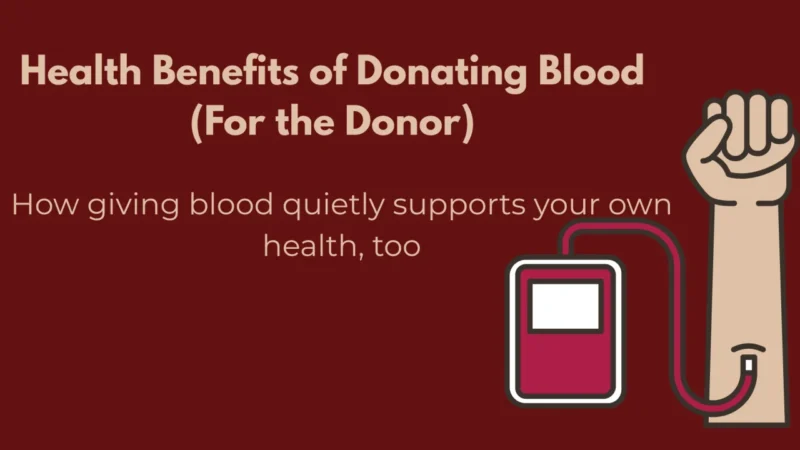
Blood donation is one of the rare acts where you help someone else while quietly supporting your own health, too.
It’s not a medicine. It’s not a therapy. But the evidence shows it’s a meaningful, healthy practice for both the person who receives your blood and for you.
And honestly? That’s what makes it so powerful.
So if you’re healthy and eligible, consider donating. Someone out there is waiting for it.”
Explore more posts for deeper insights into hemostasis with Hemostasis Today.
-
Sep 29, 2026, 19:00Caitlin Raymond: Can Artificial Blood Solve Blood Supply Shortages?
-
Sep 29, 2026, 18:51Chaza Alaji: Dyslipidemia, Thrombosis and the DIC Diagnostic Trap
-
Sep 29, 2026, 17:31Rajnikant Patel: Bridging Ayurvedic Concepts and Modern Toxin-Mediated Disease
-
Sep 29, 2026, 17:13Nicholas Lang։ A Meaningful Case of Immune Thrombocytopenia
-
Sep 29, 2026, 16:55Ayatullah Gamal Wahab: When the CBC Lies
-
Sep 29, 2026, 16:35Jonathan Douxfils: Navigating the VTE Risk Continuum in Reproductive Medicine
-
Sep 29, 2026, 16:35Chaima Rajeh: Types of Anemia and Their Laboratory Features
-
Sep 29, 2026, 16:27Scott Isaacs: How GLP-1 RAs Target Systemic Inflammation to Drive Cardio, Autoimmune, and Gut Health
-
Sep 29, 2026, 16:21Yitshak Kreiss: From Treating Patients to Defining the Standard of Knowledge