

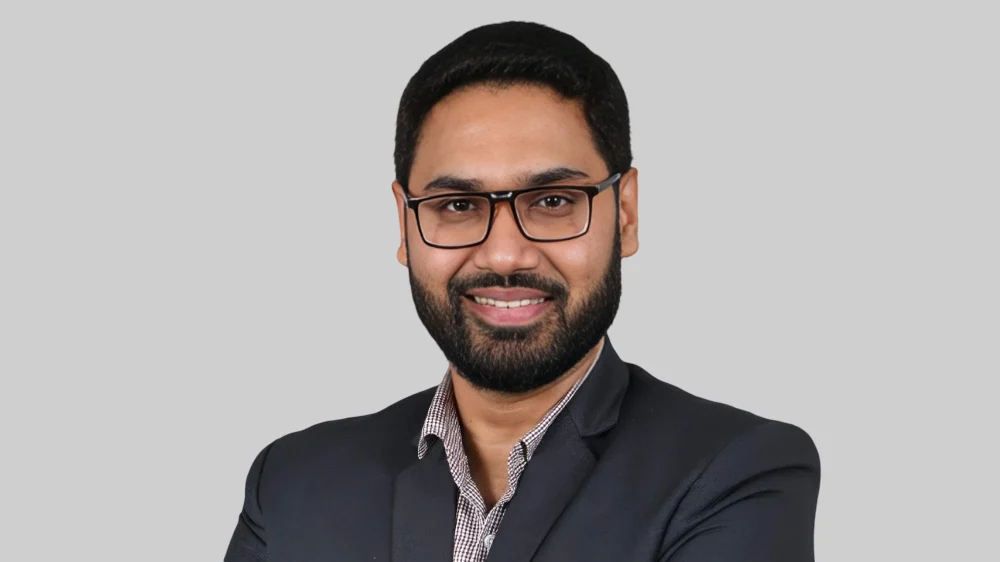
Syed Ibrahim Bukhari: From Conventional Therapy to Gene-Based Approaches in Hemophilia Care
Syed Ibrahim Bukhari, Clinical Fellow at The Hospital for Sick Children, shared a post on LinkedIn:
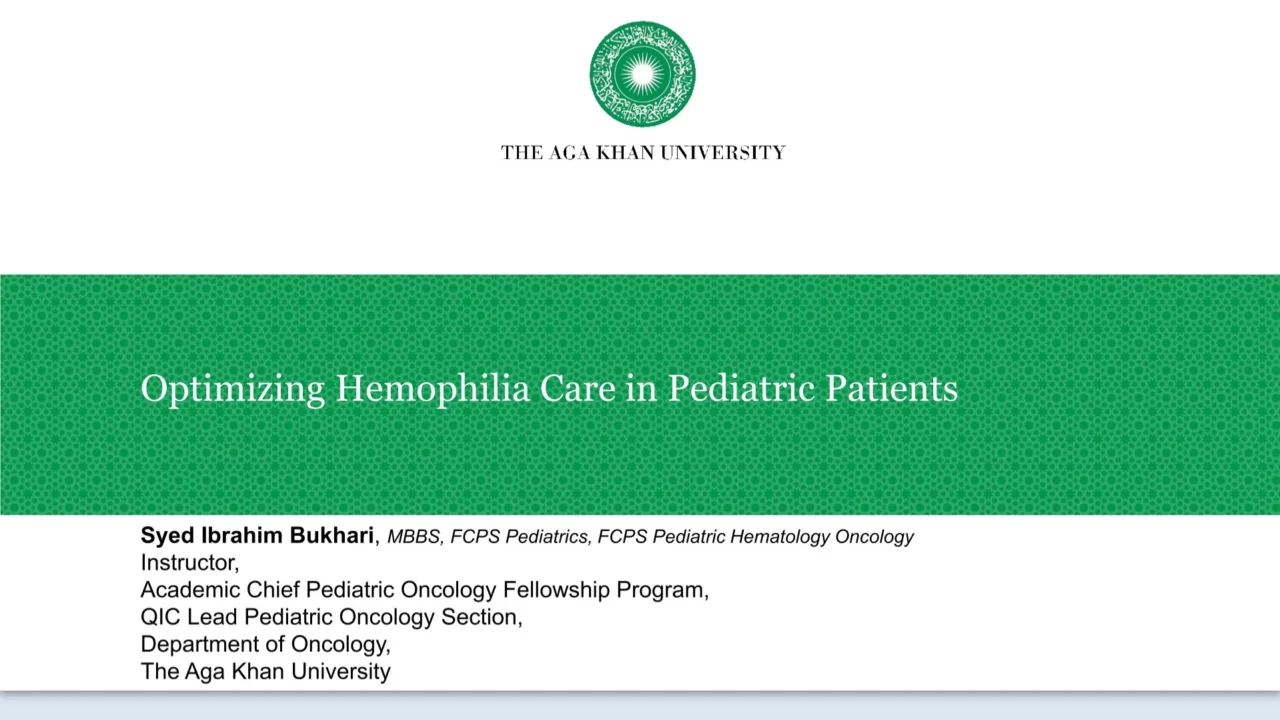
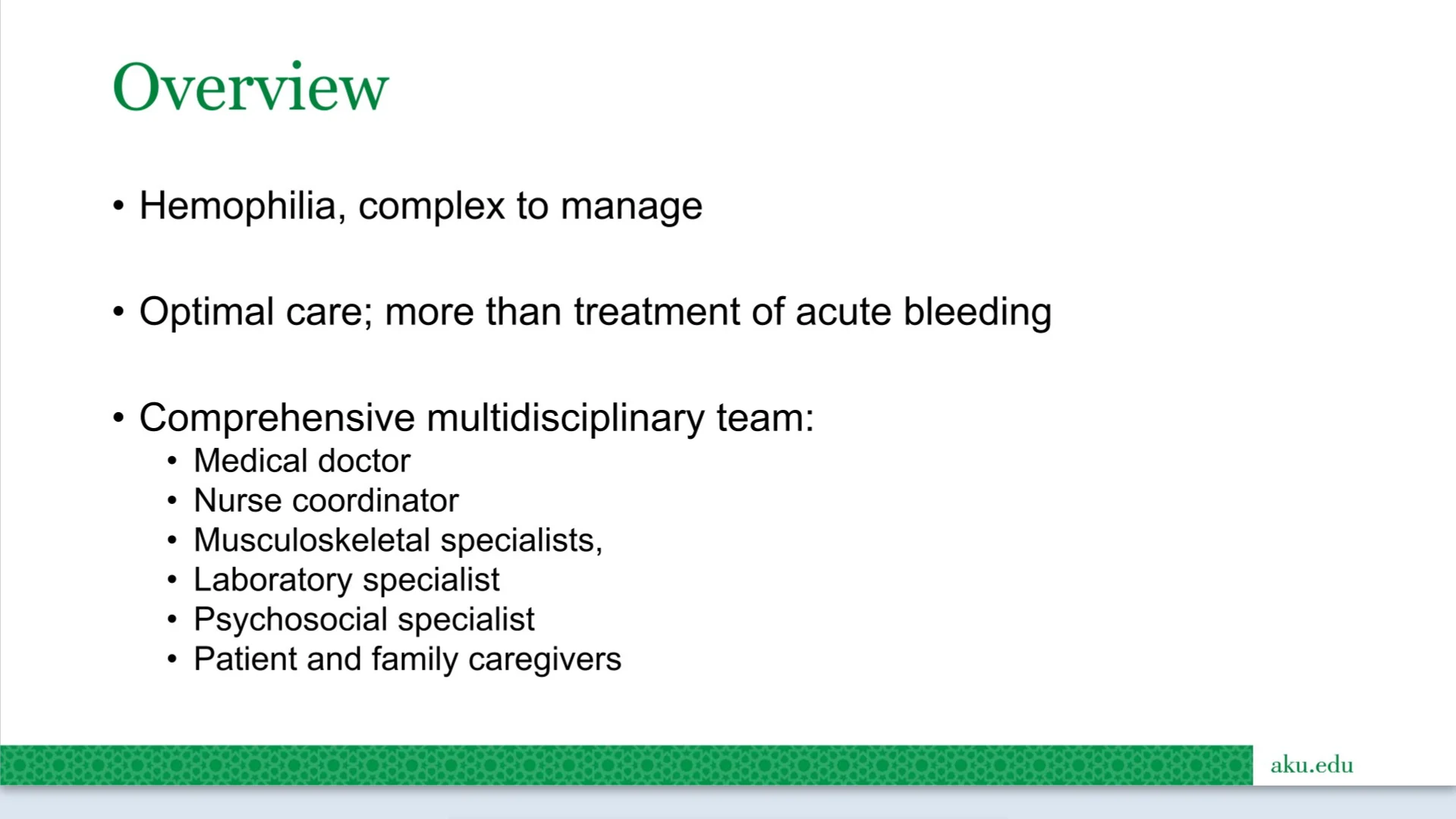
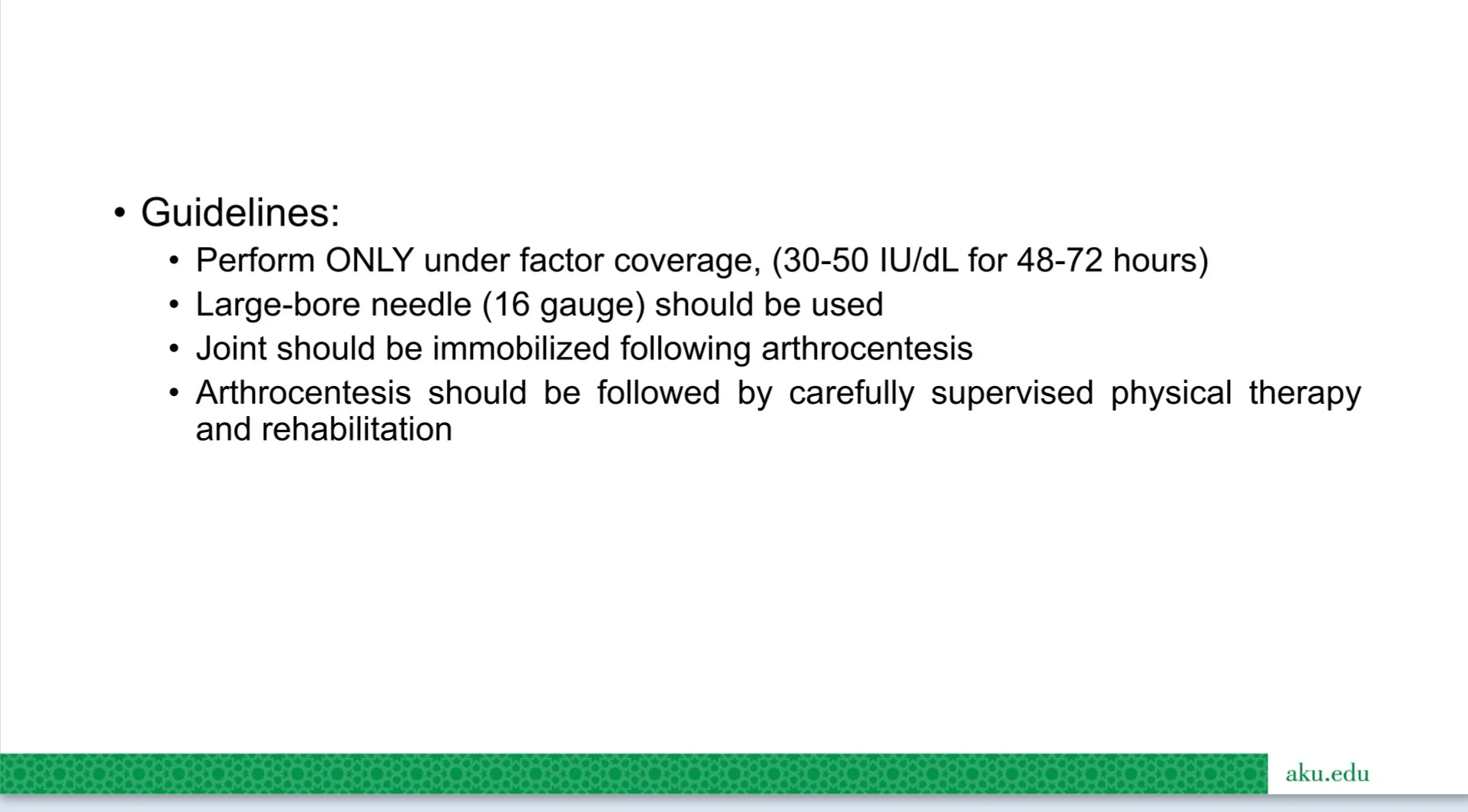
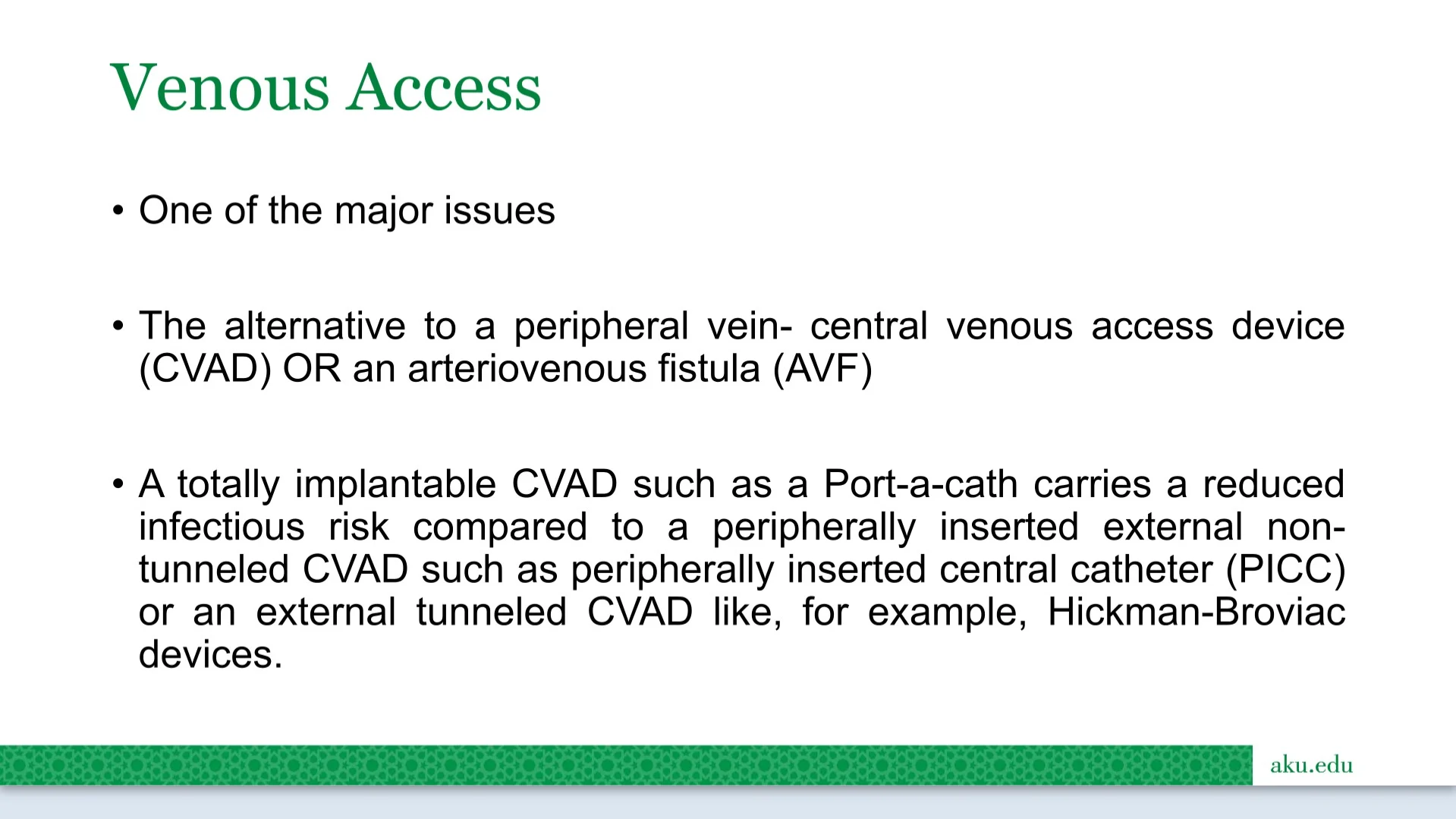
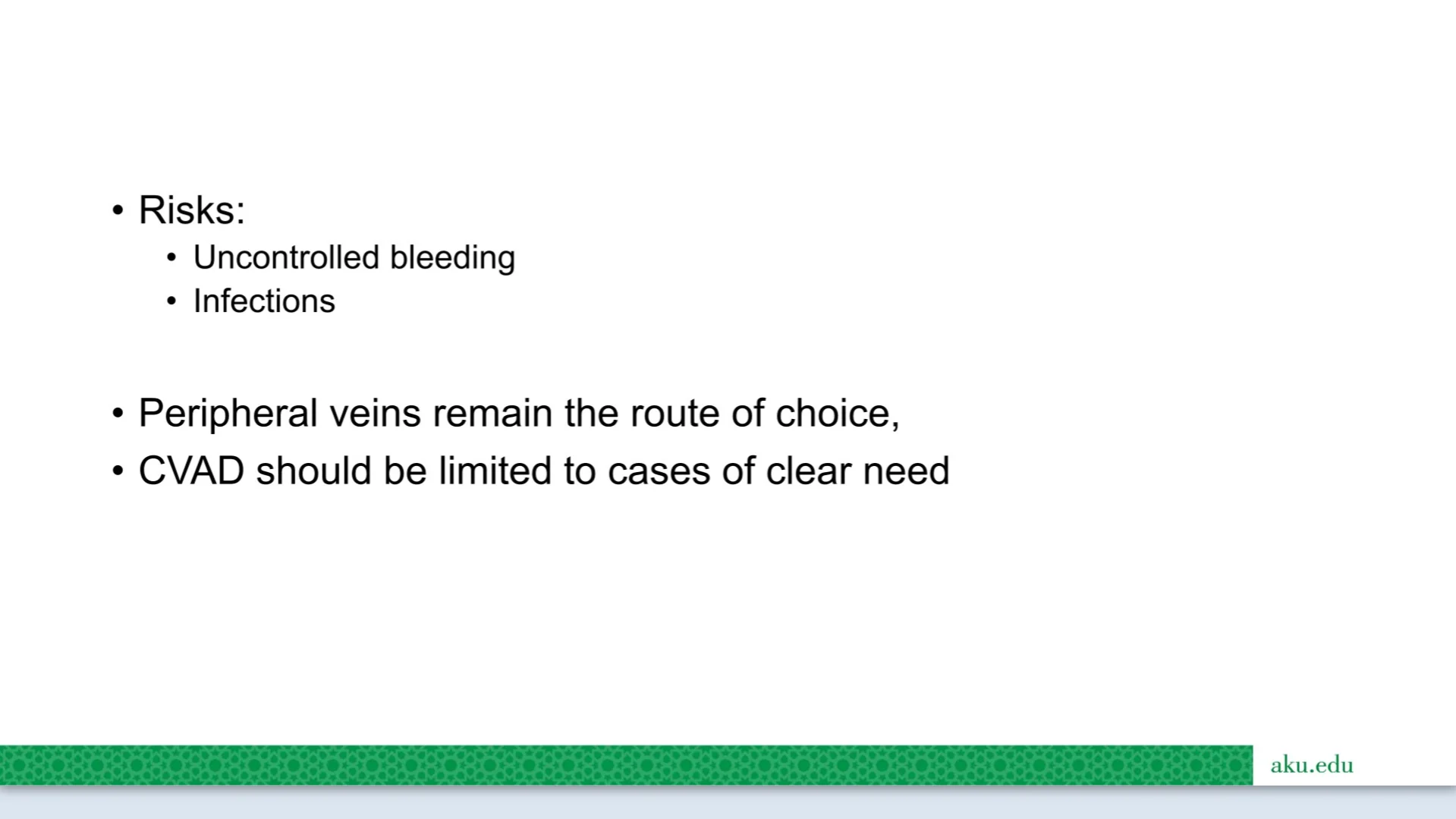
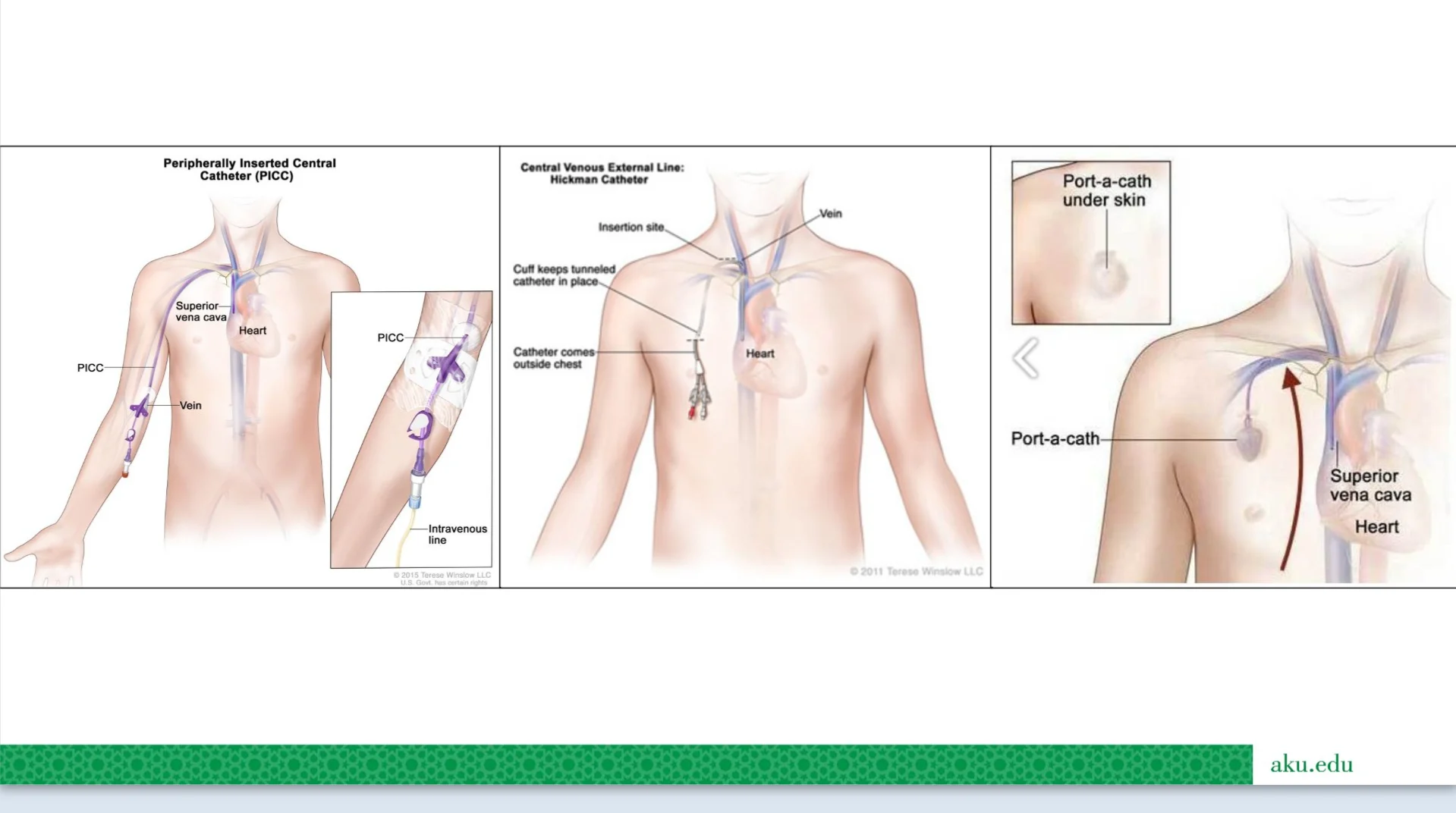
“In honor of World Hemophilia Day 2025, I had the privilege of presenting on ‘Hemophilia Management: Current Standards and Emerging Frontiers’ at the National Institute of Child Health (NICH) in Karachi.
The session focused on the critical importance of specialized care for pediatric patients and the evolving landscape of treatment.
Key Highlights from the Presentation:
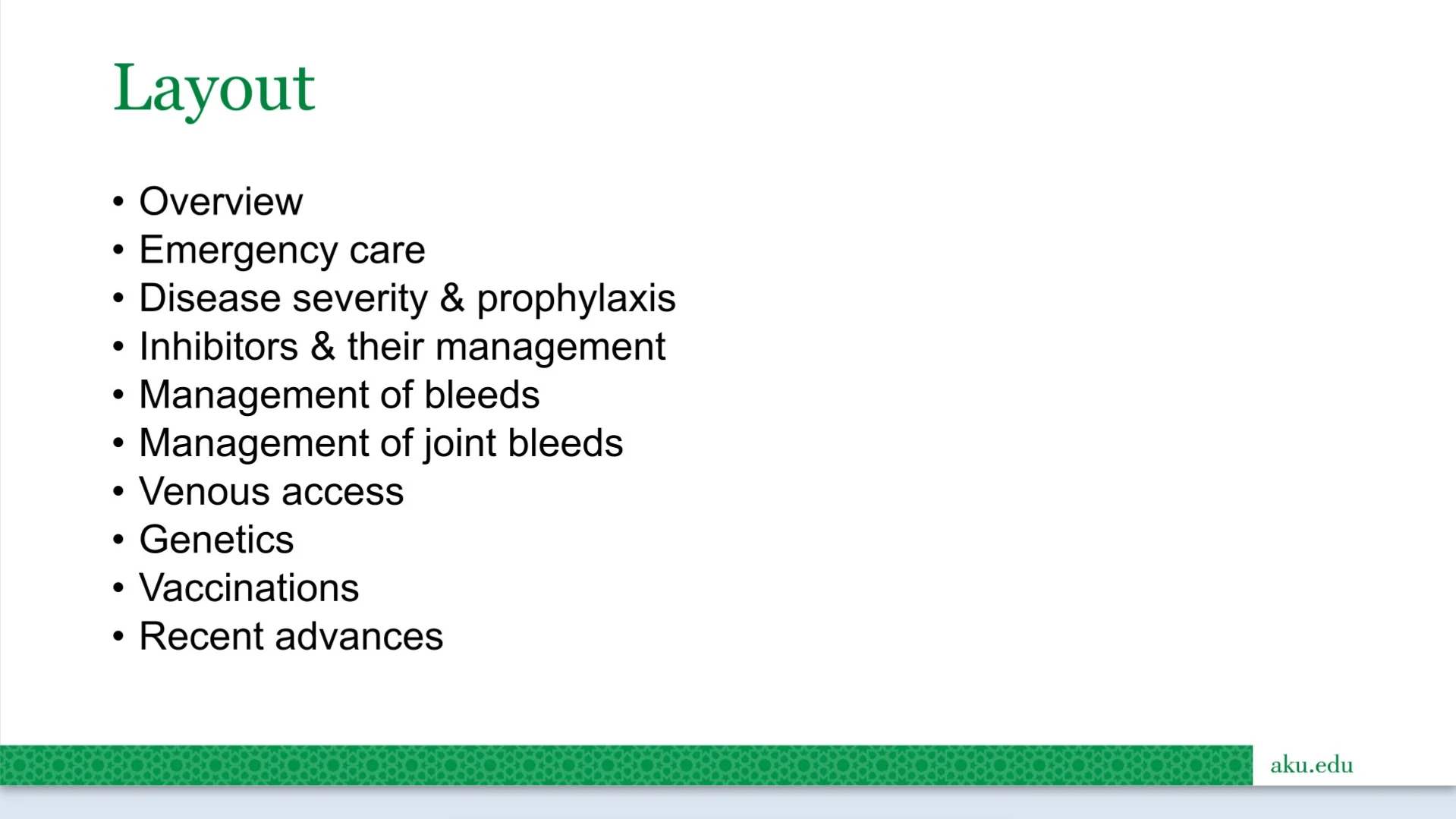
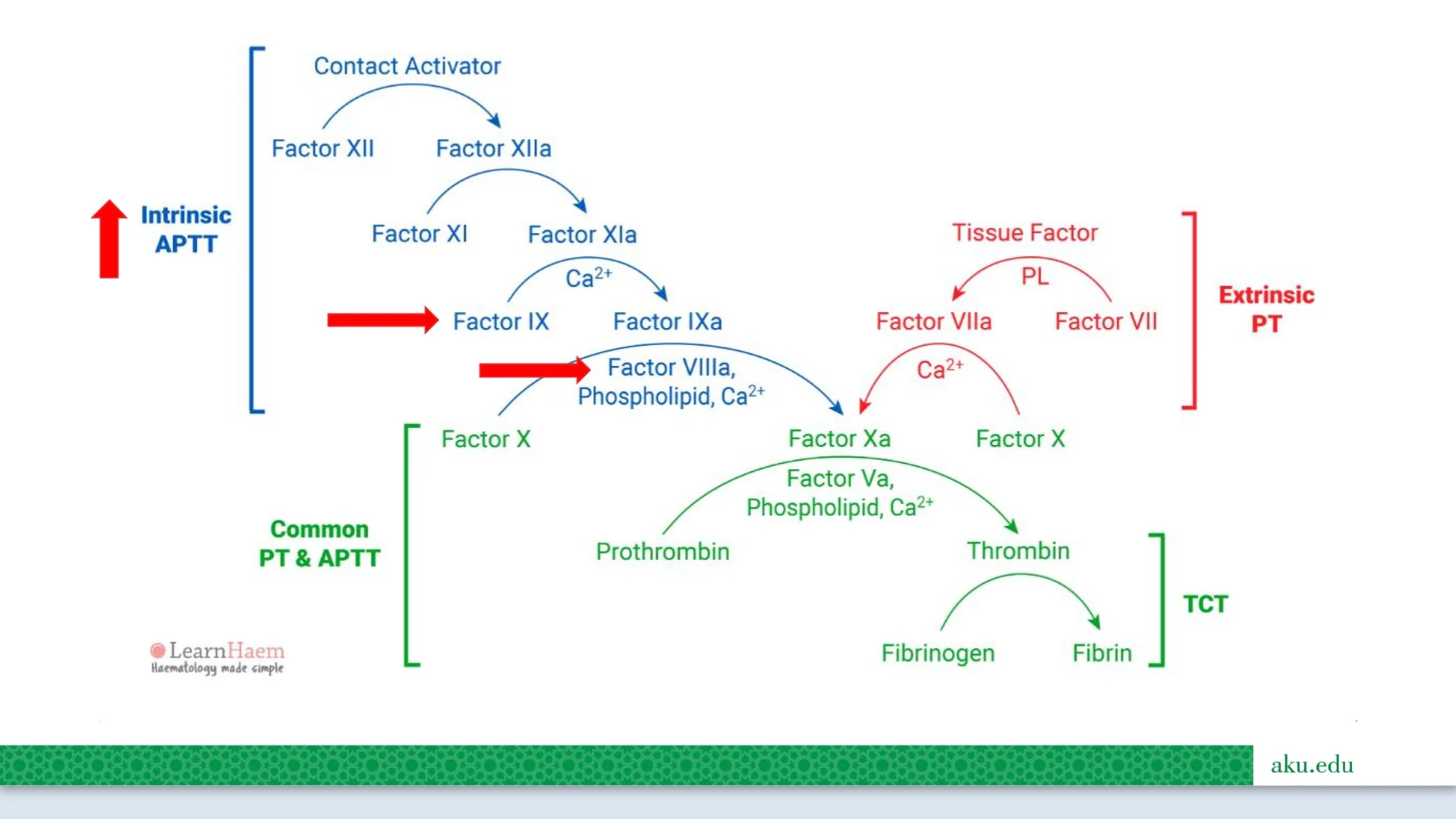
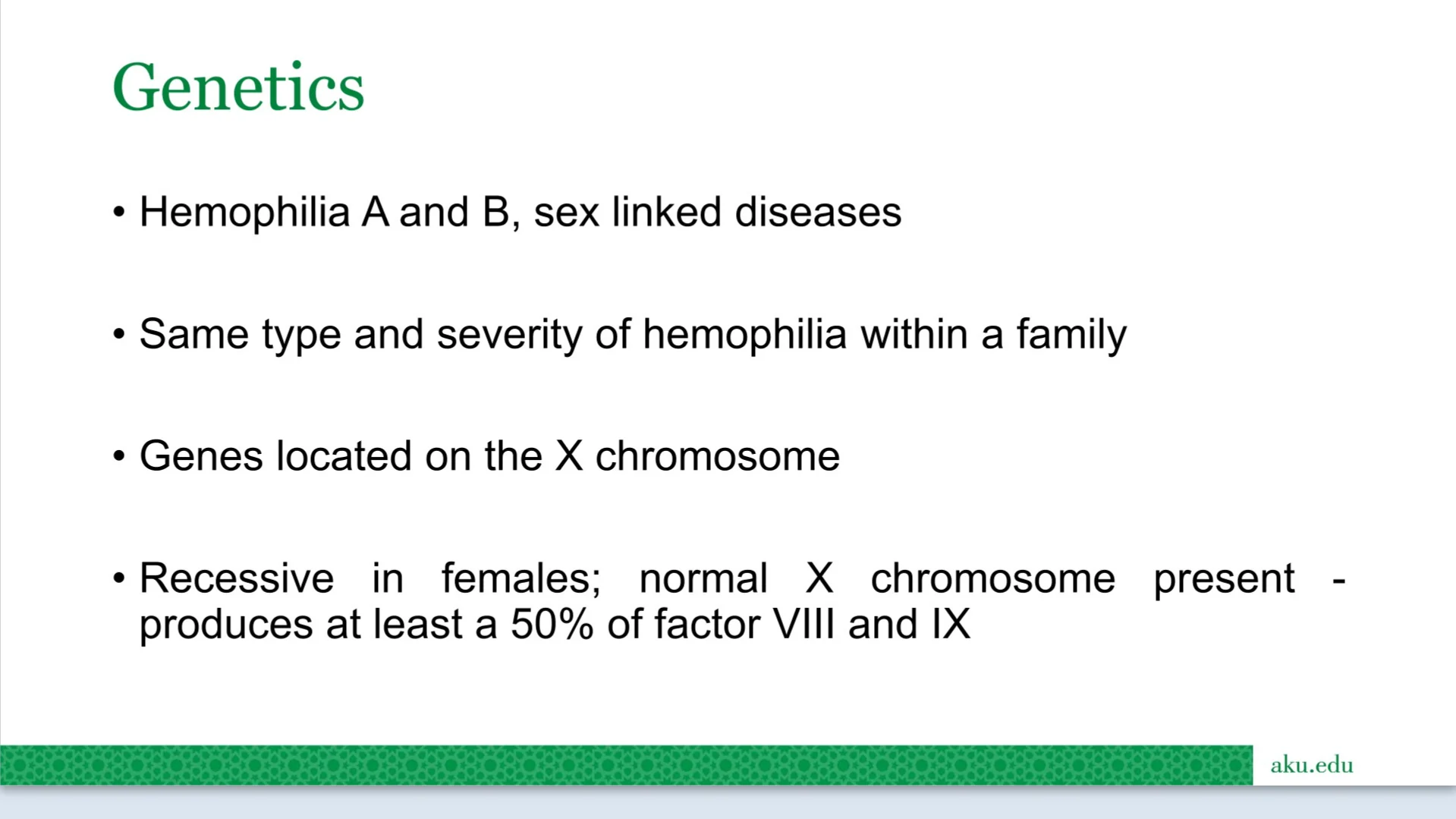
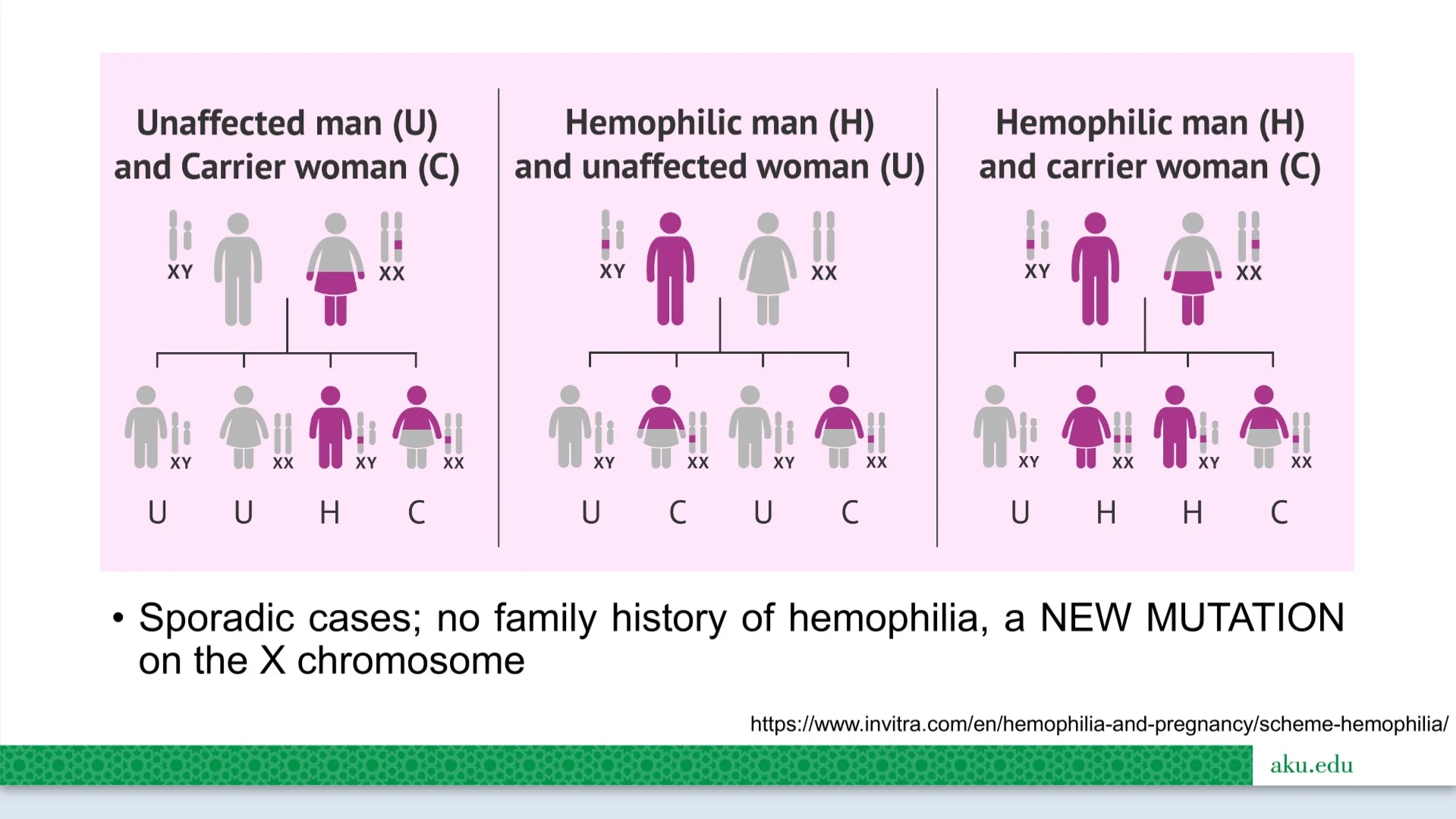
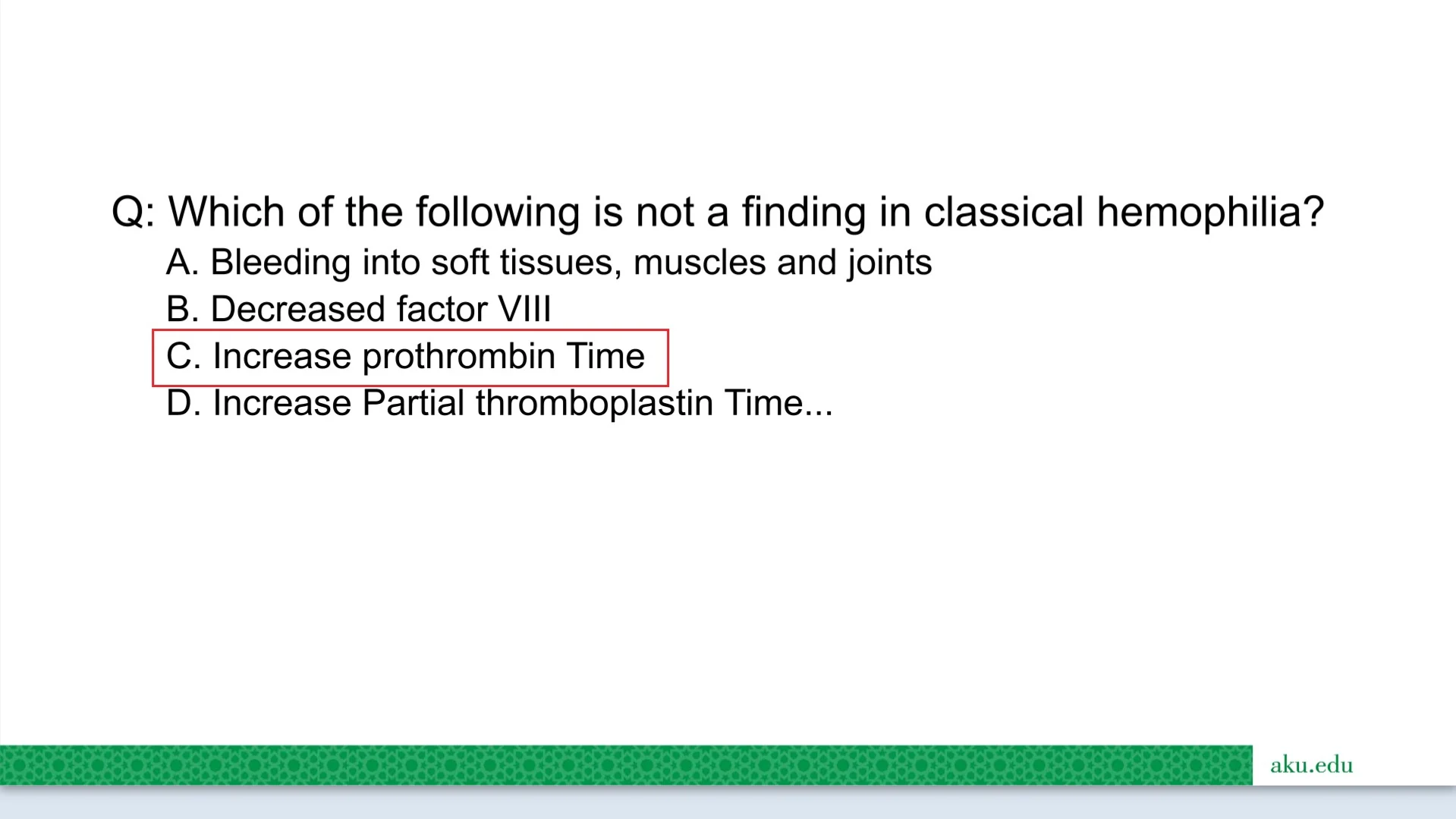
The Core Challenge: Hemophilia A and B are X-linked recessive disorders characterized by deficiencies in clotting factors VIII and IX, respectively, leading to prolonged bleeding and potential joint damage.
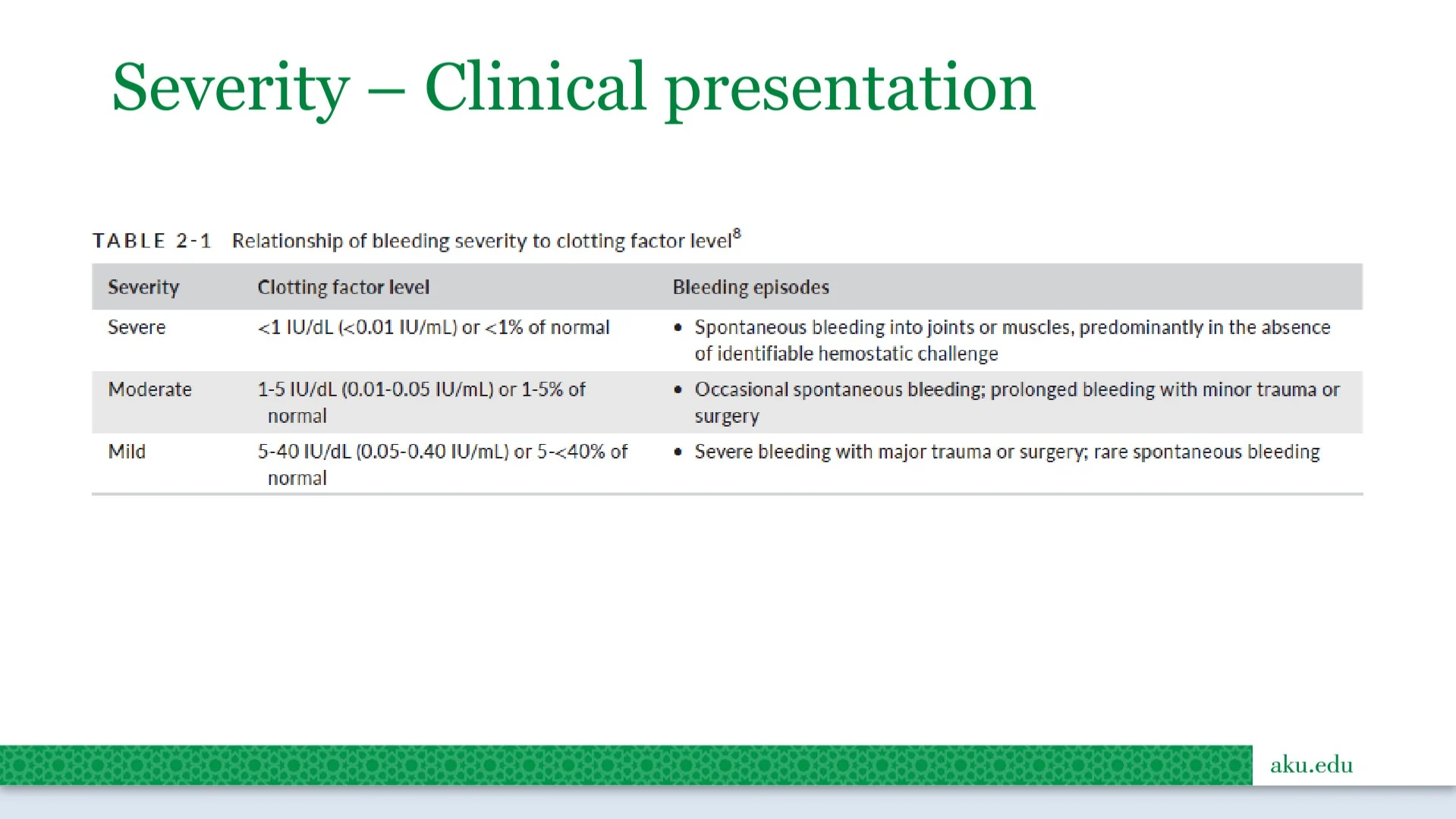
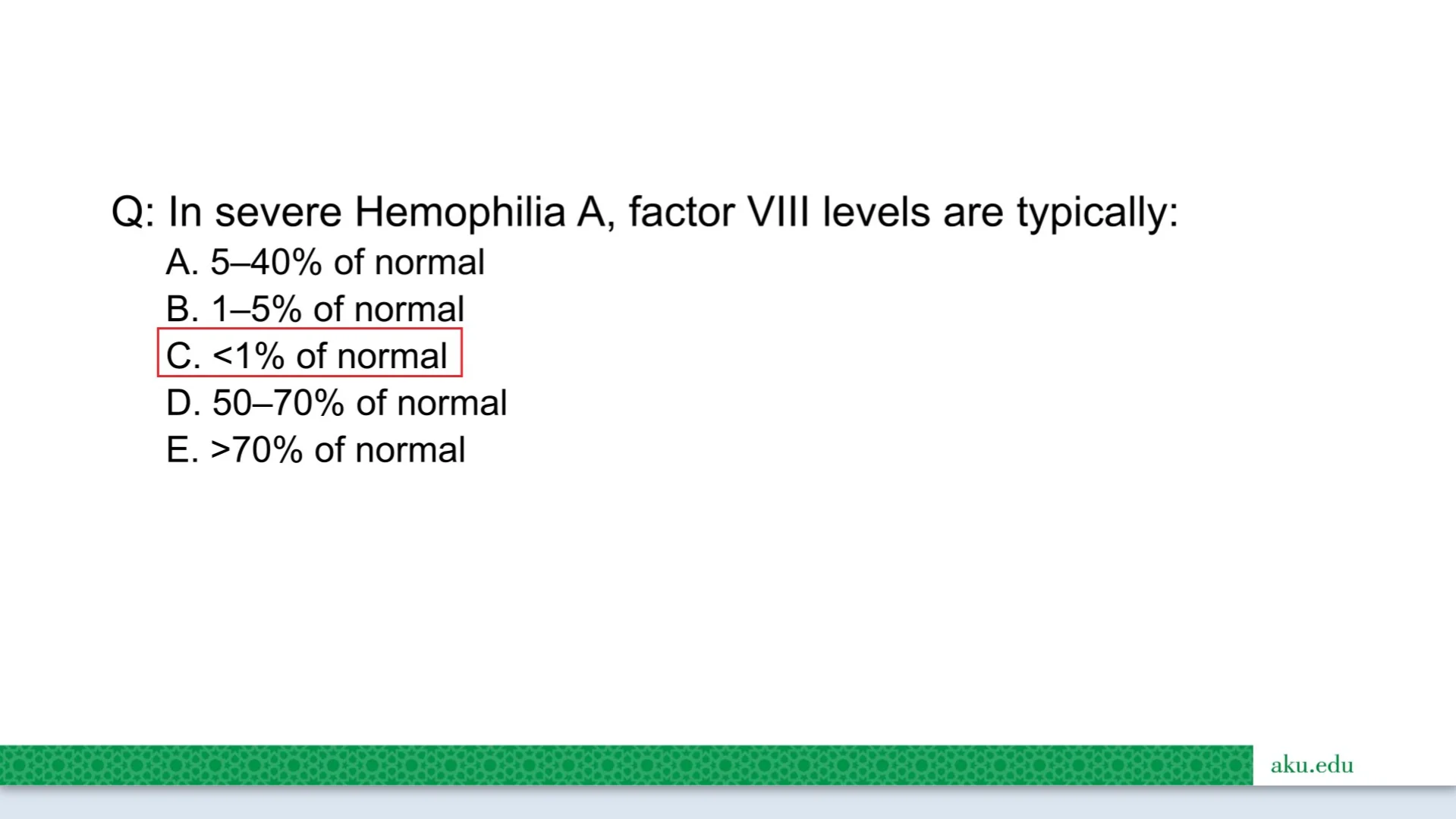
Diagnosis and Severity: We discussed the importance of classifying severity based on factor levels—Severe (<1 percent), Moderate (1-5 percent), and Mild (5-40 percent)—to tailor treatment effectively.
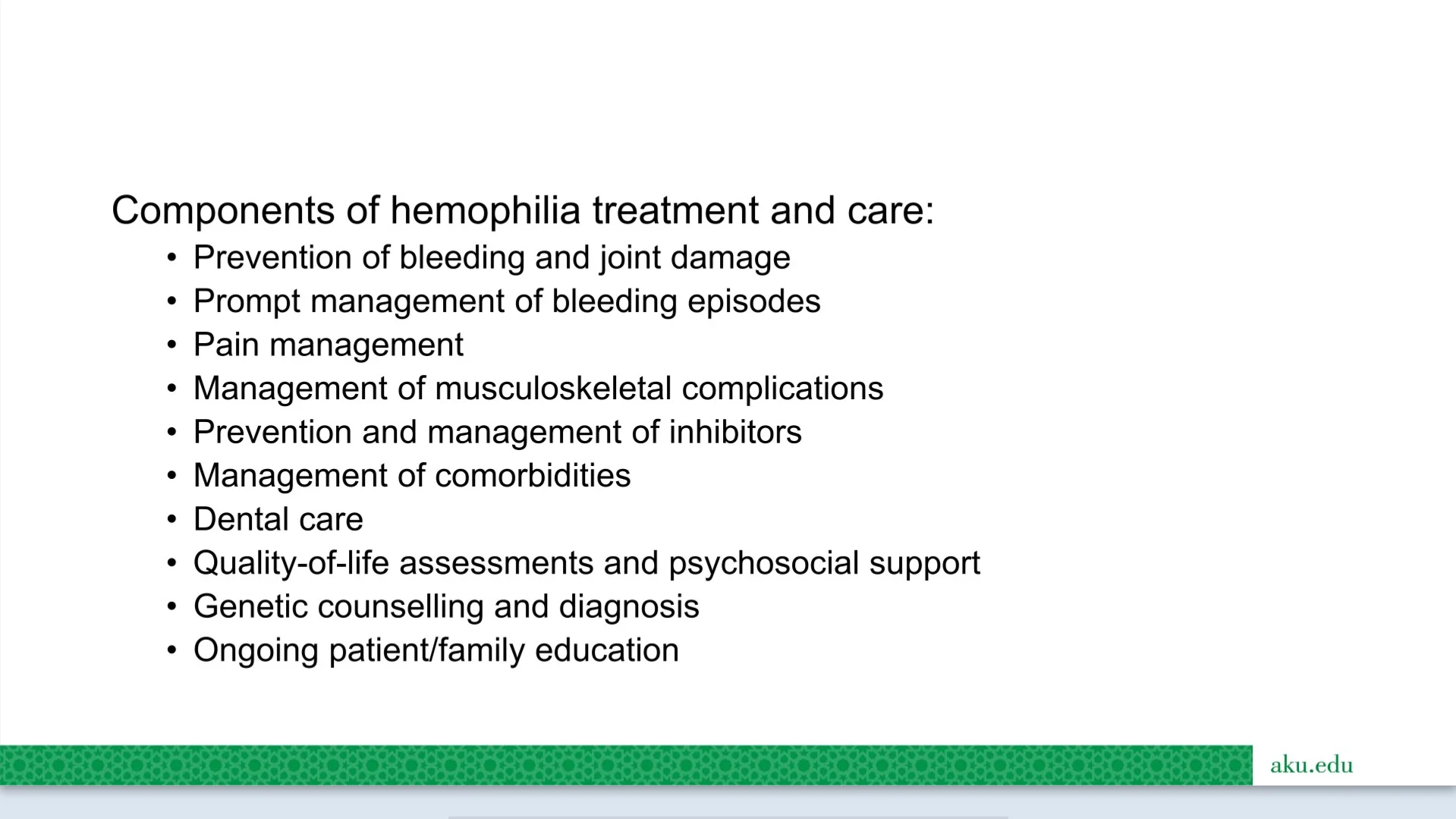
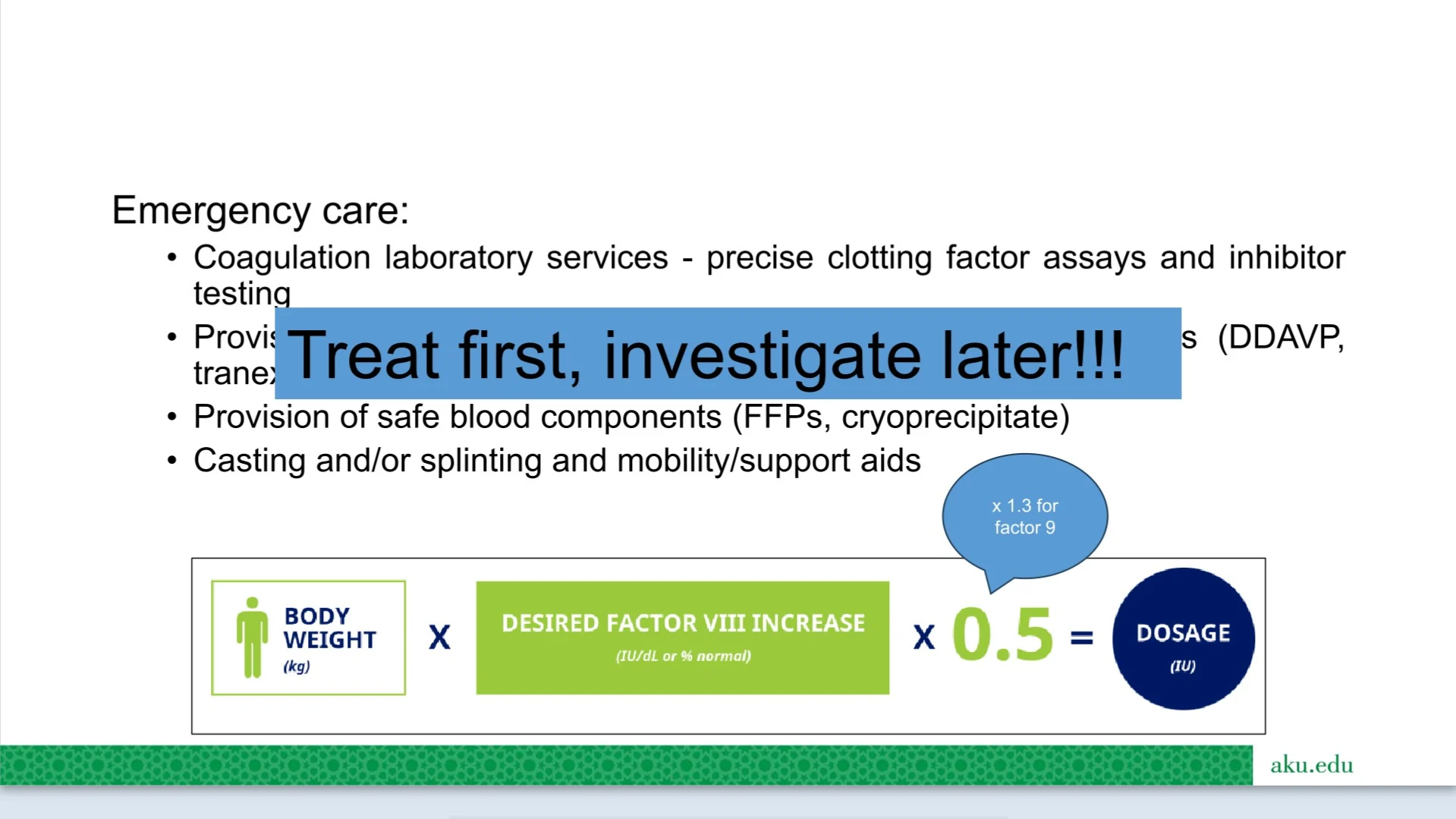
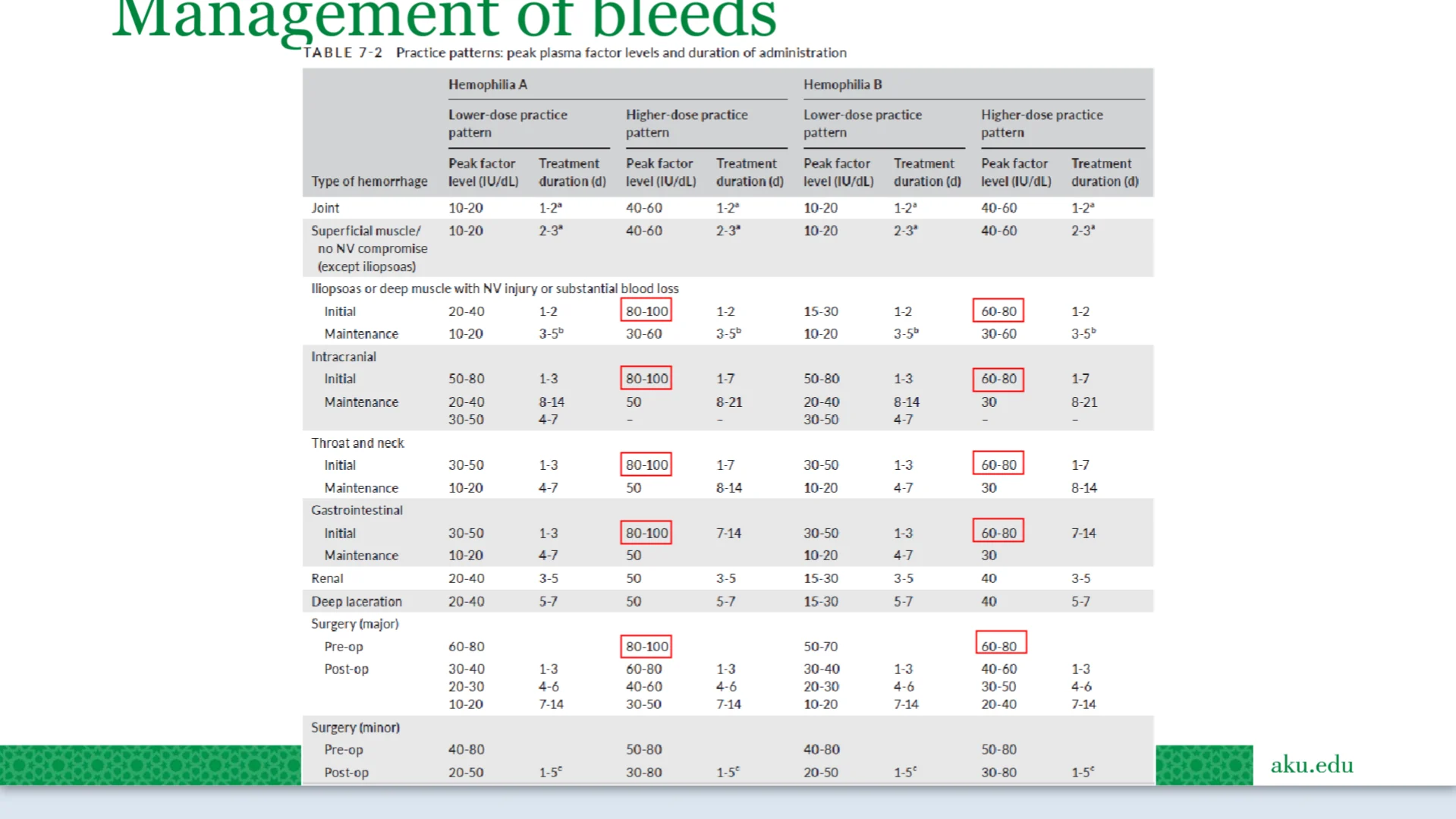
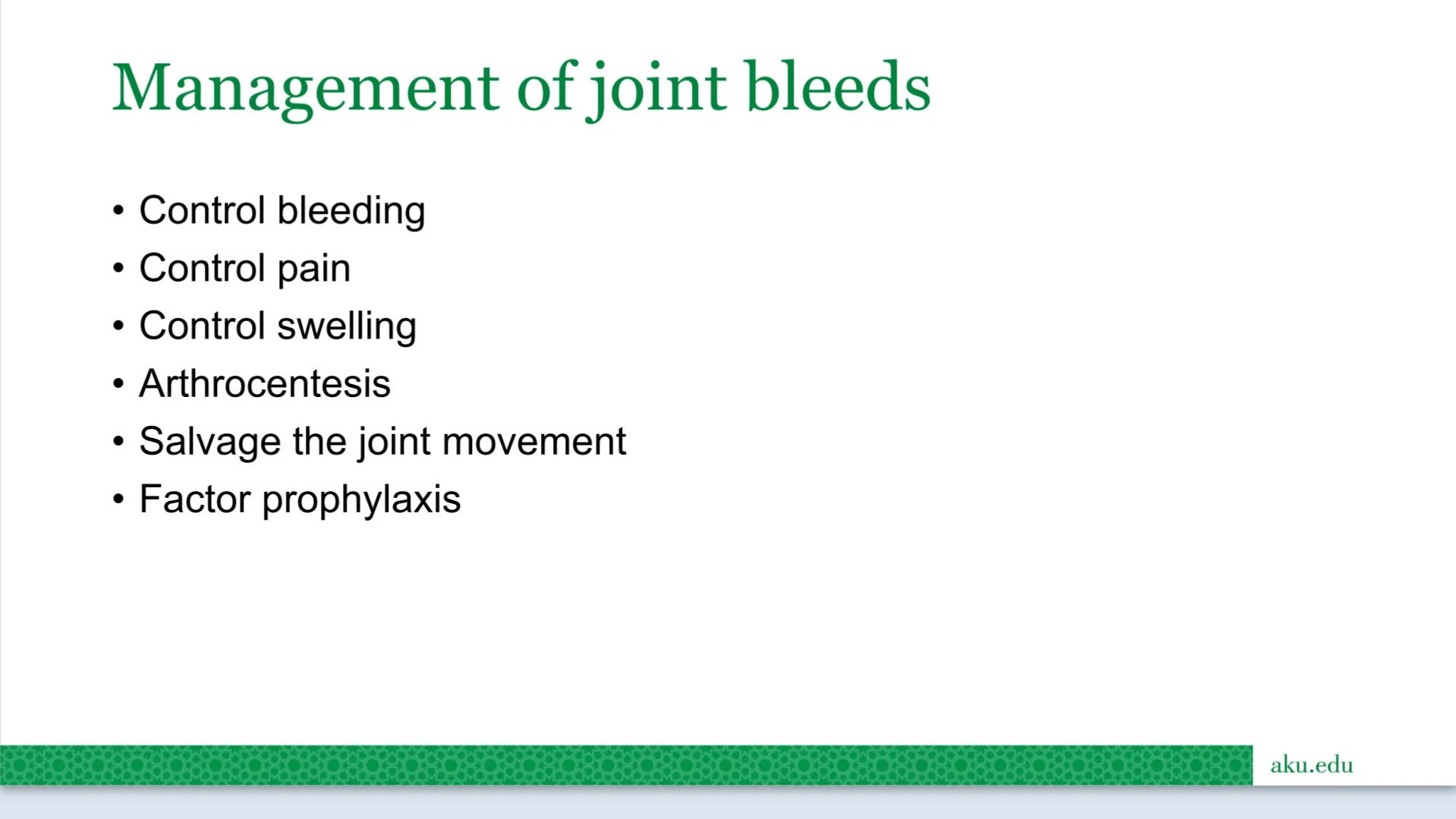
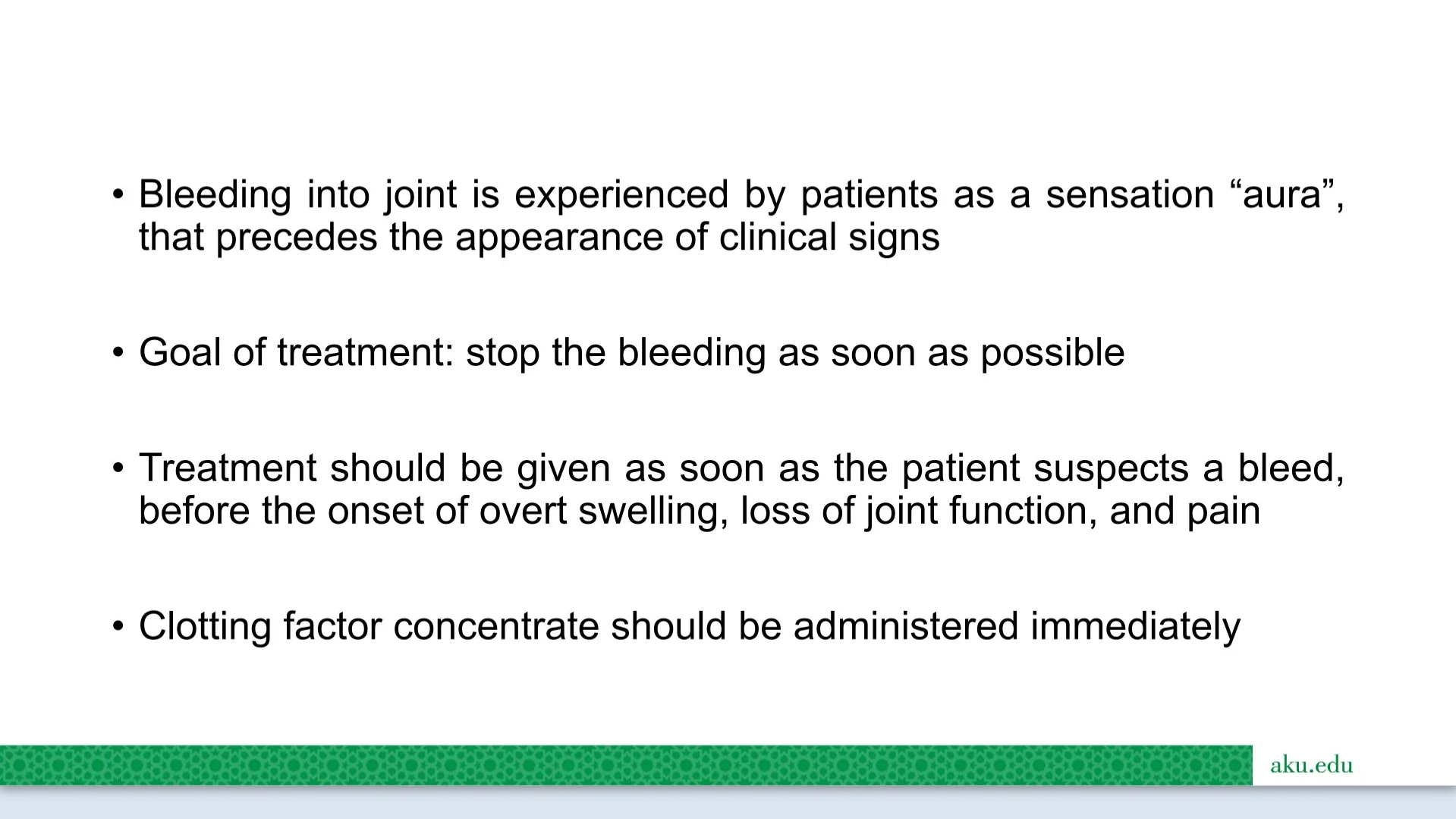
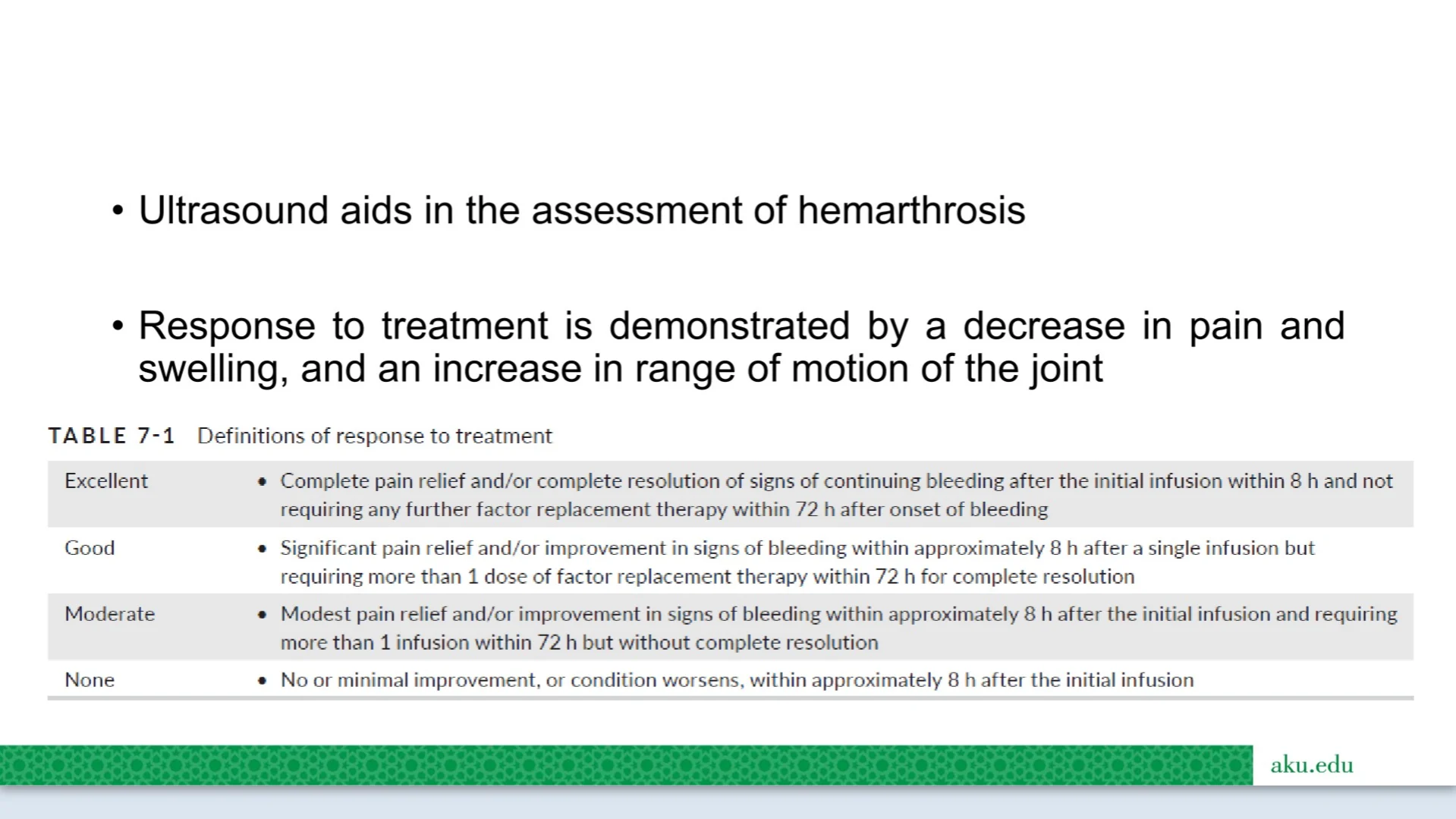
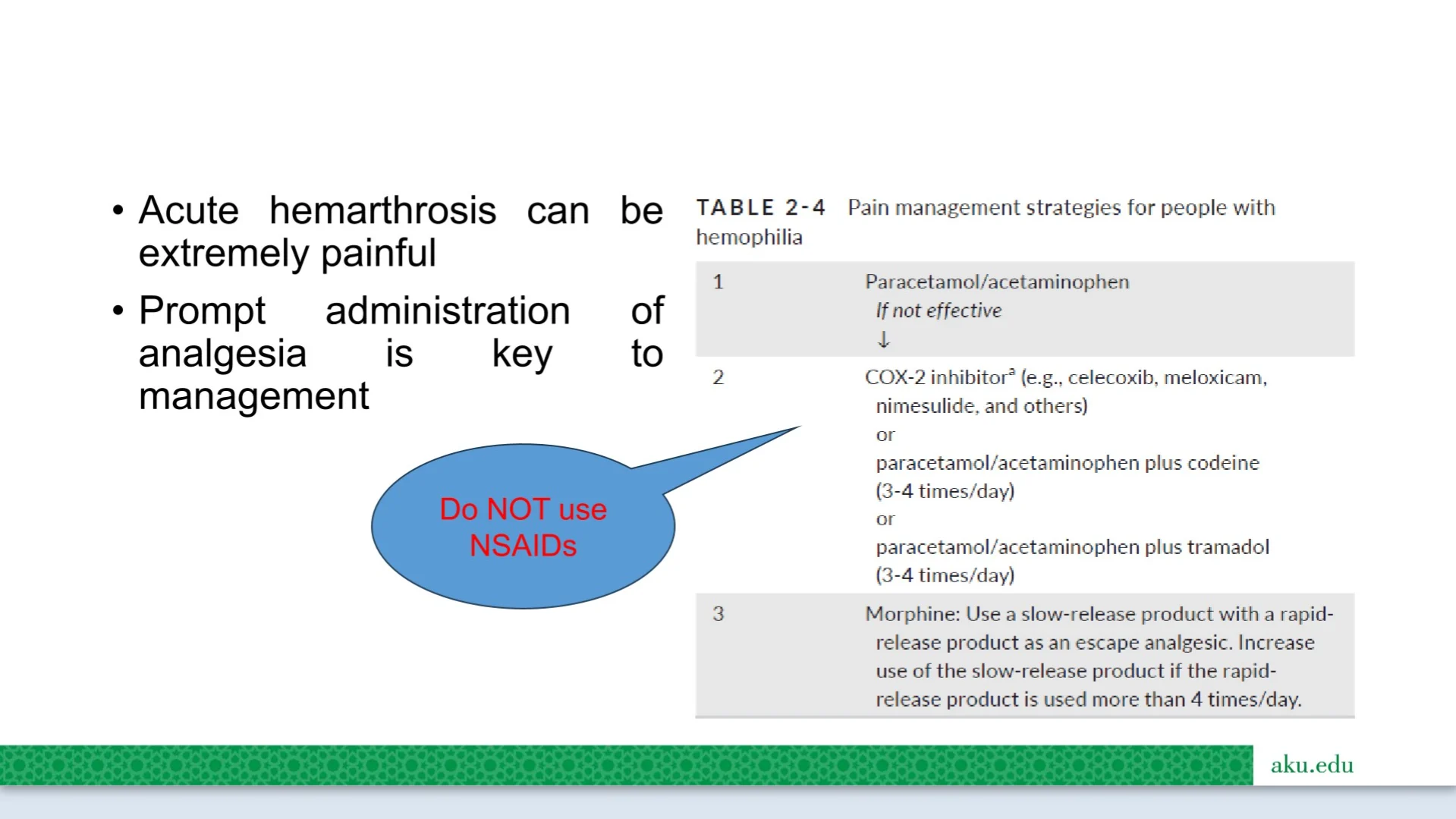
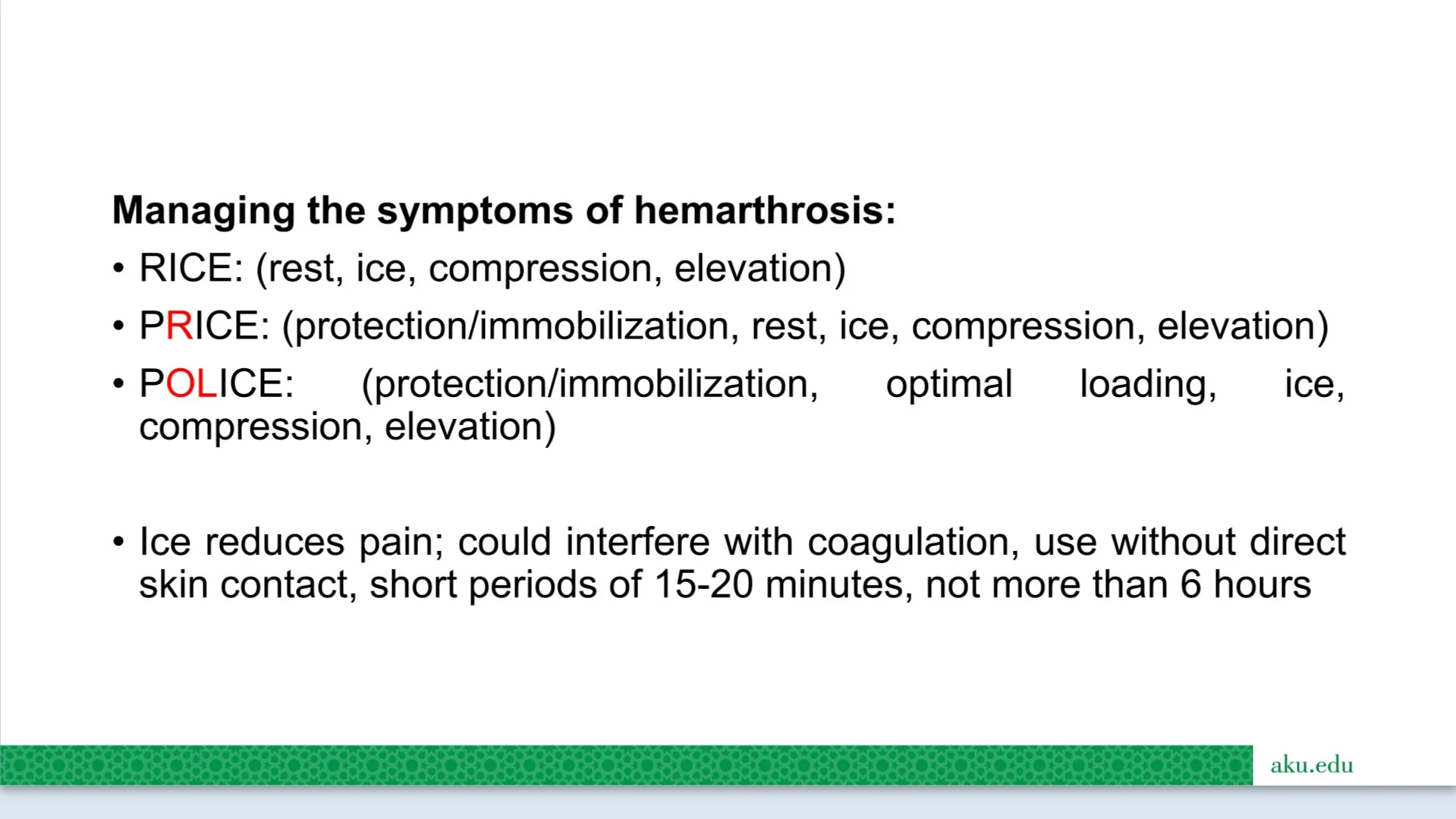
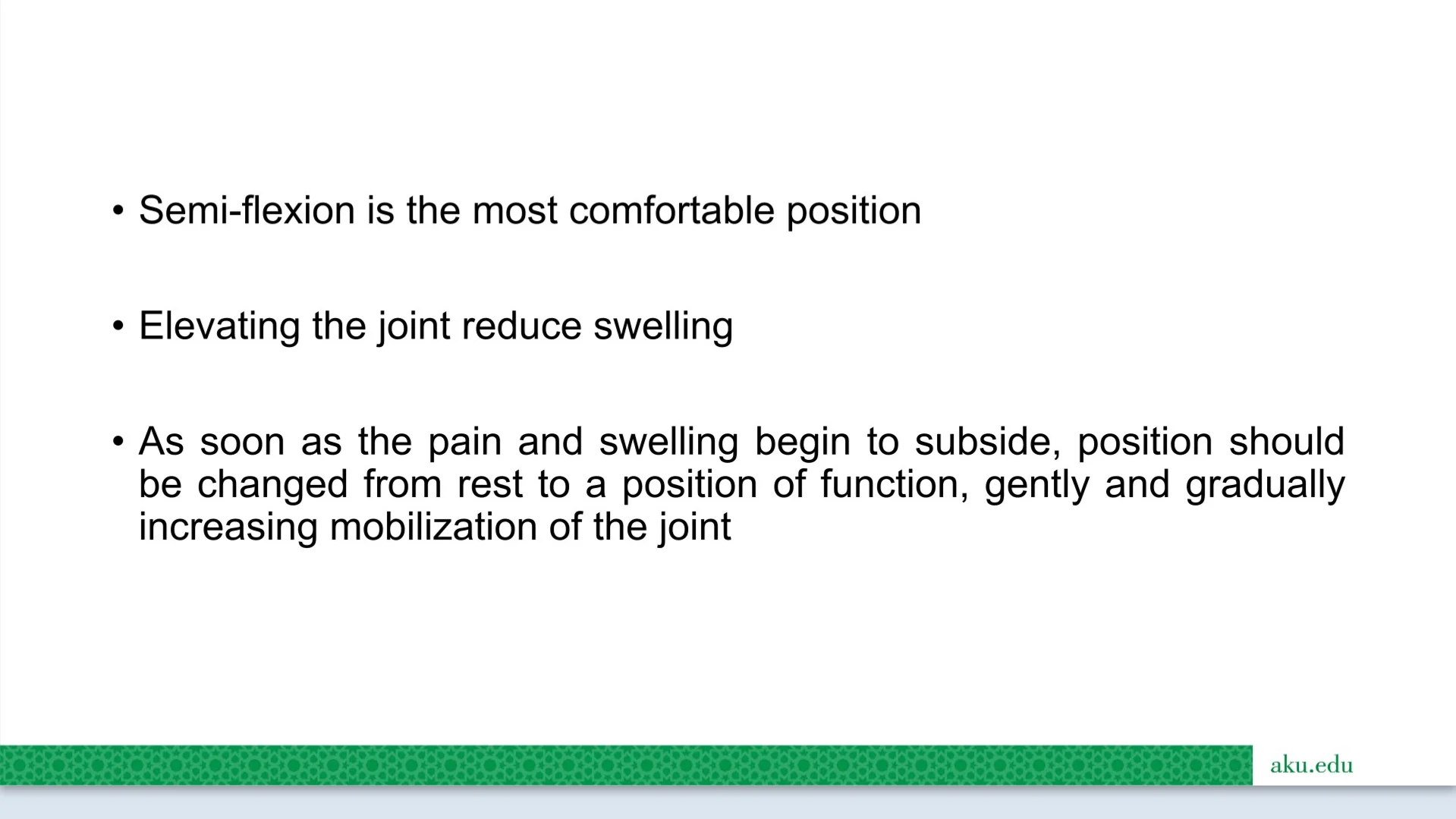
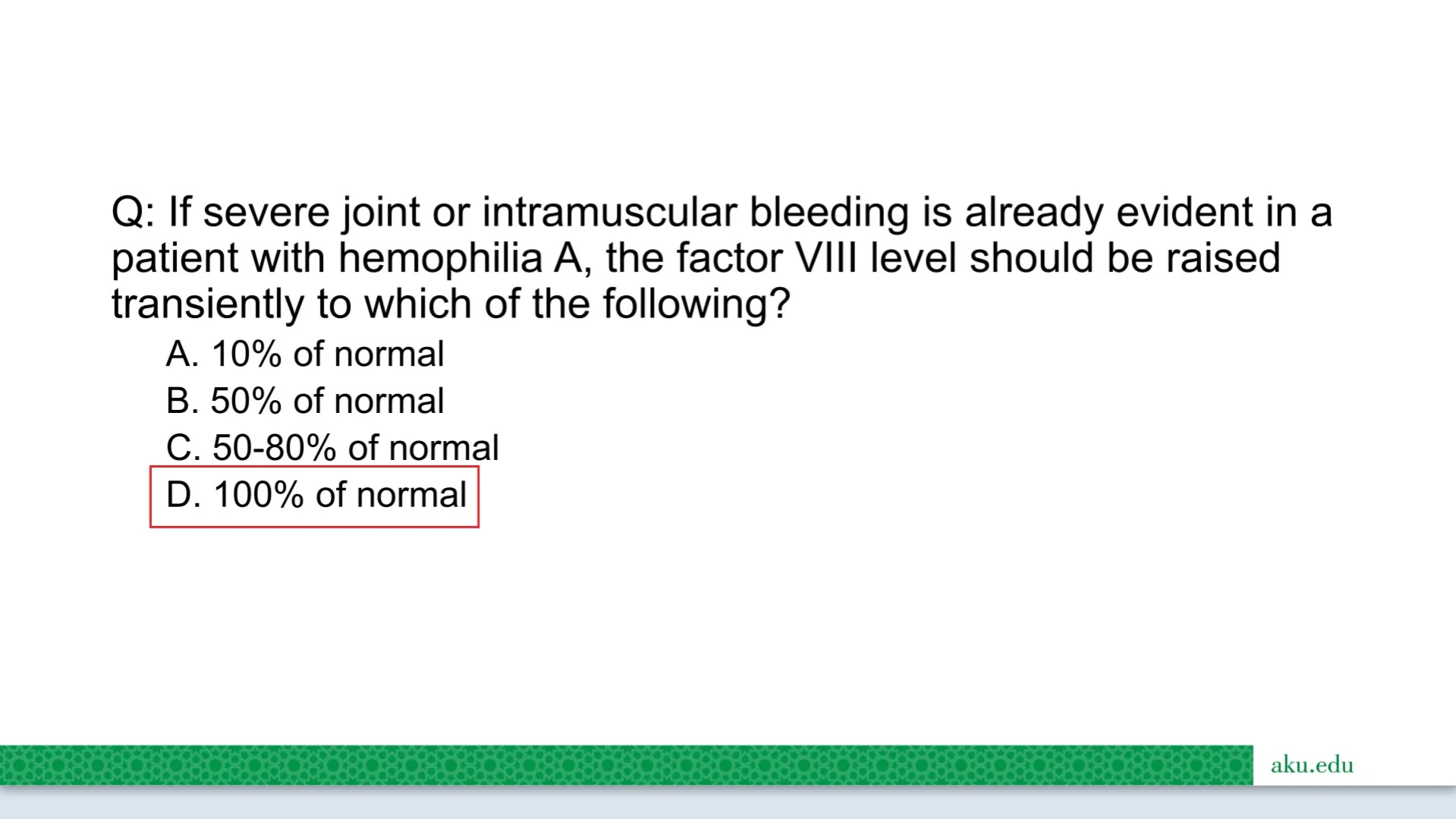
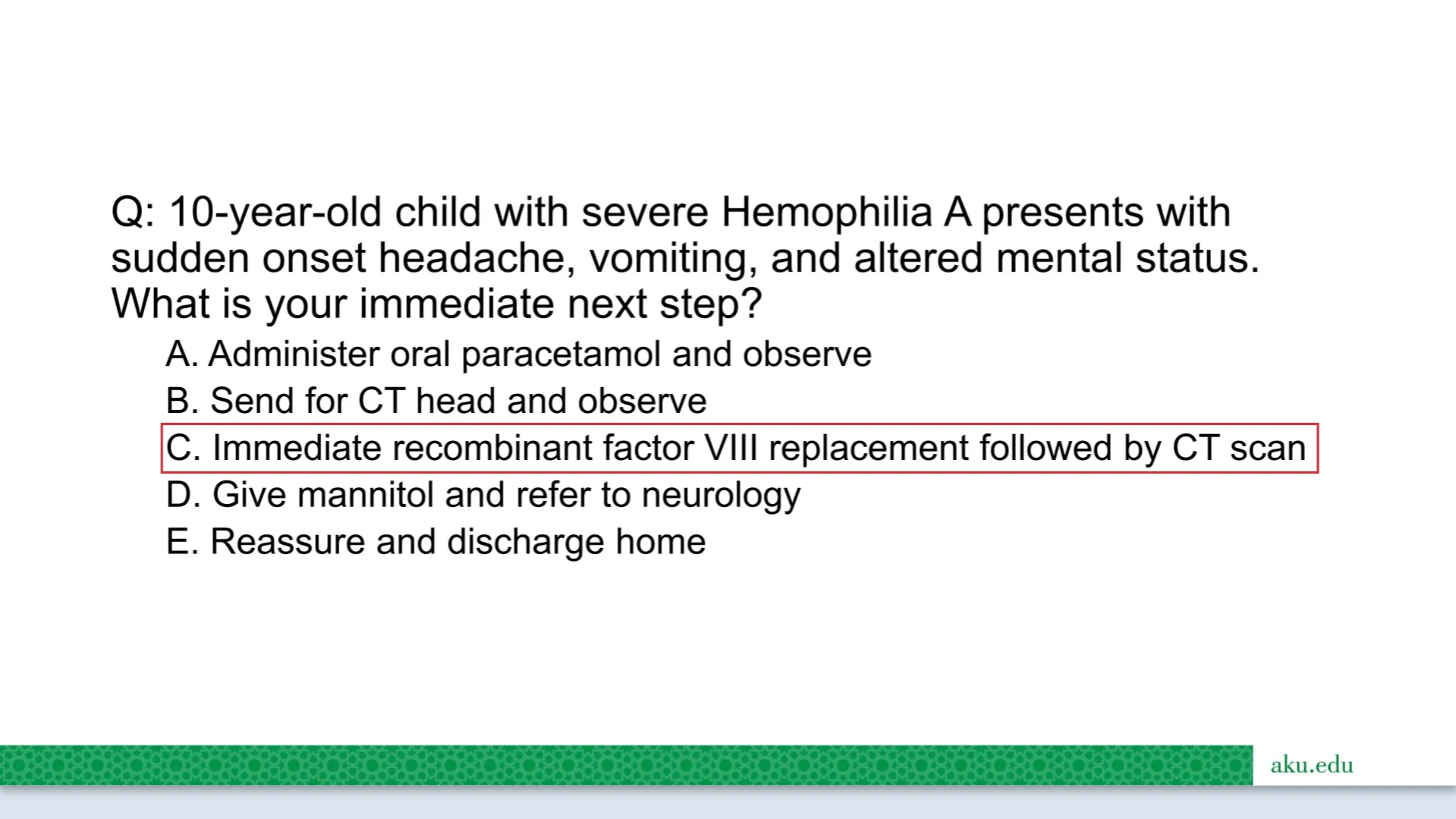
Management Pillars: The talk emphasized the ‘P.R.I.C.E’ protocol for acute bleeds (Protection, Rest, Ice, Compression, Elevation) alongside prompt factor replacement therapy.
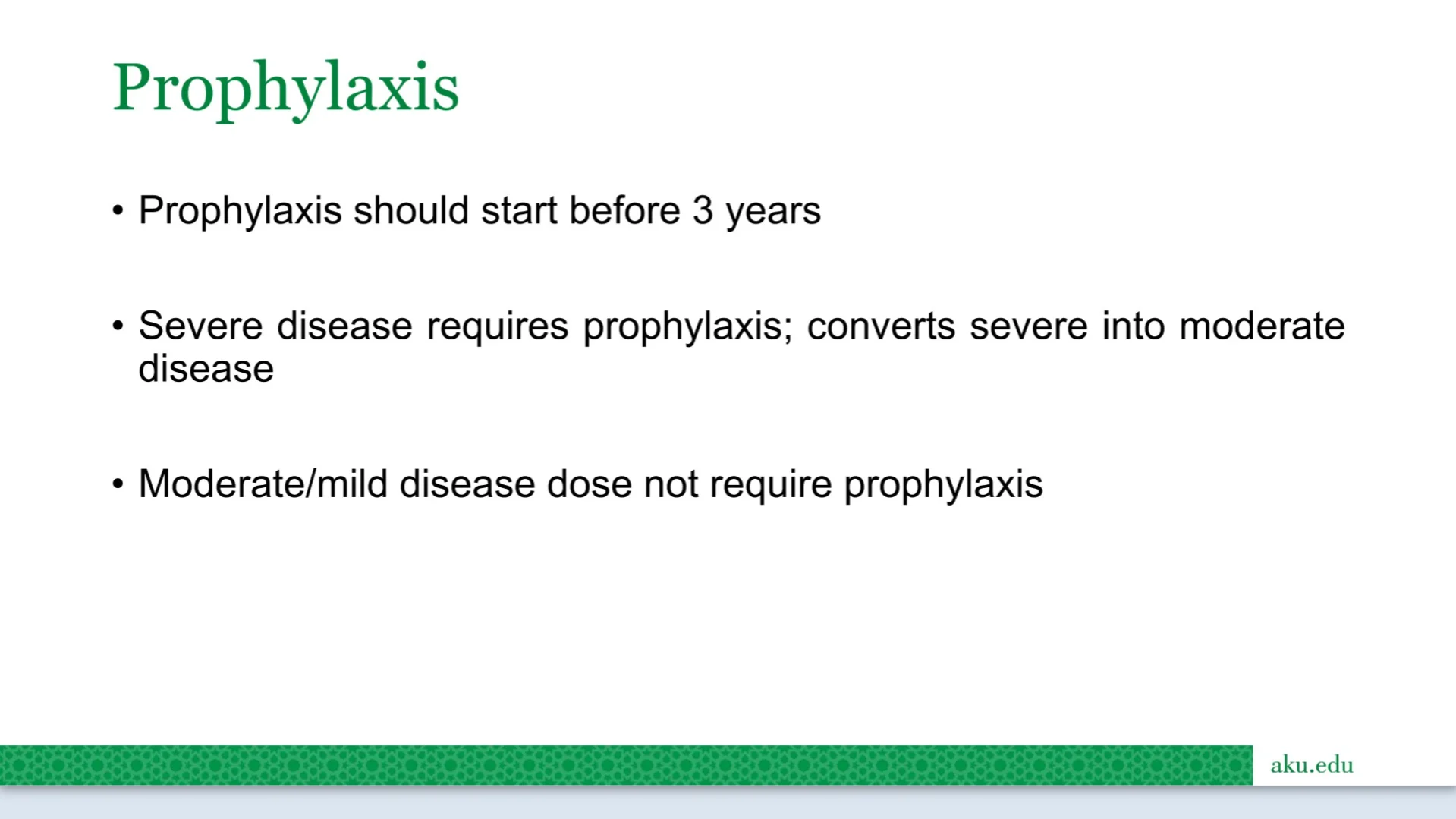
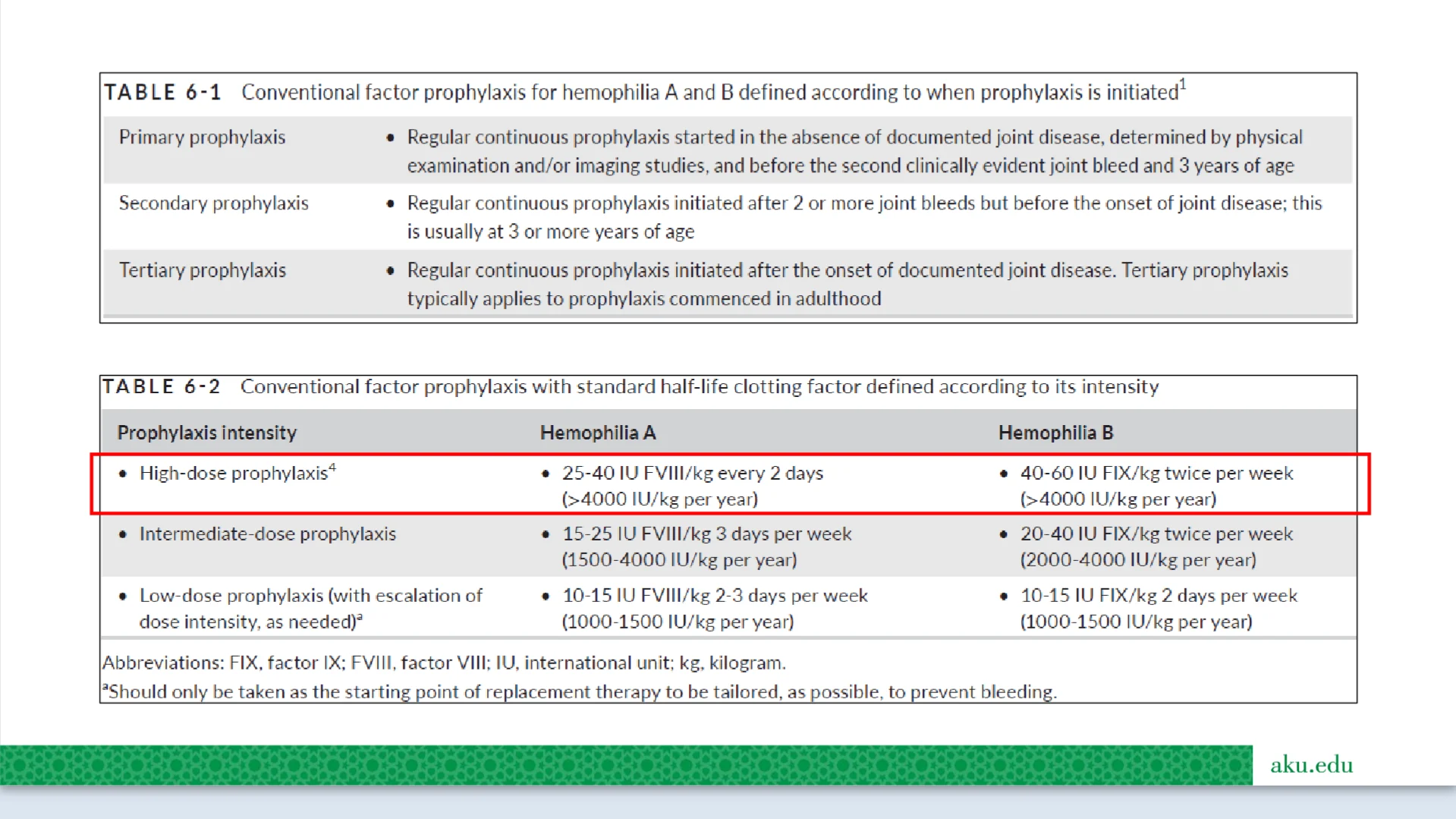
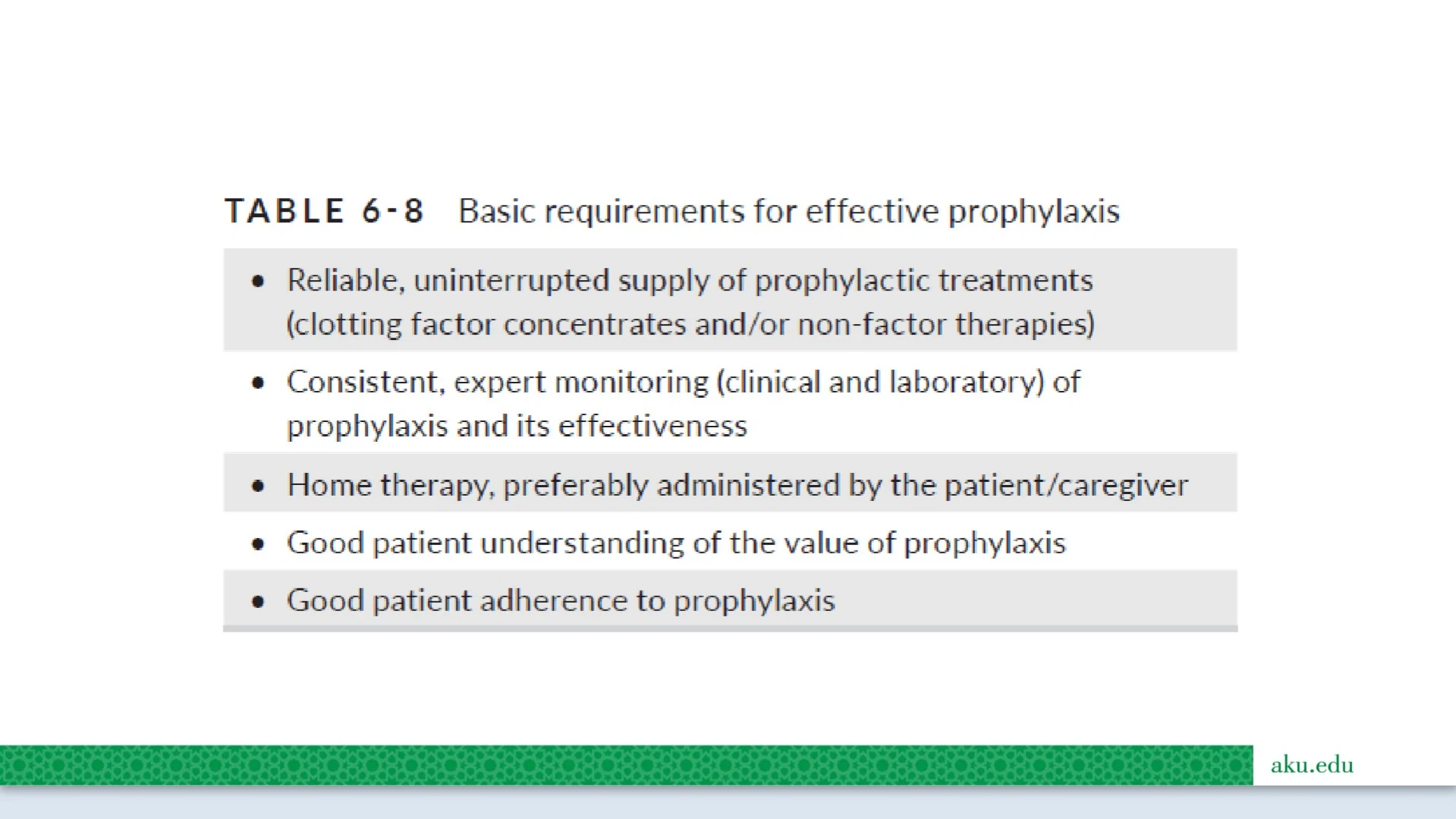
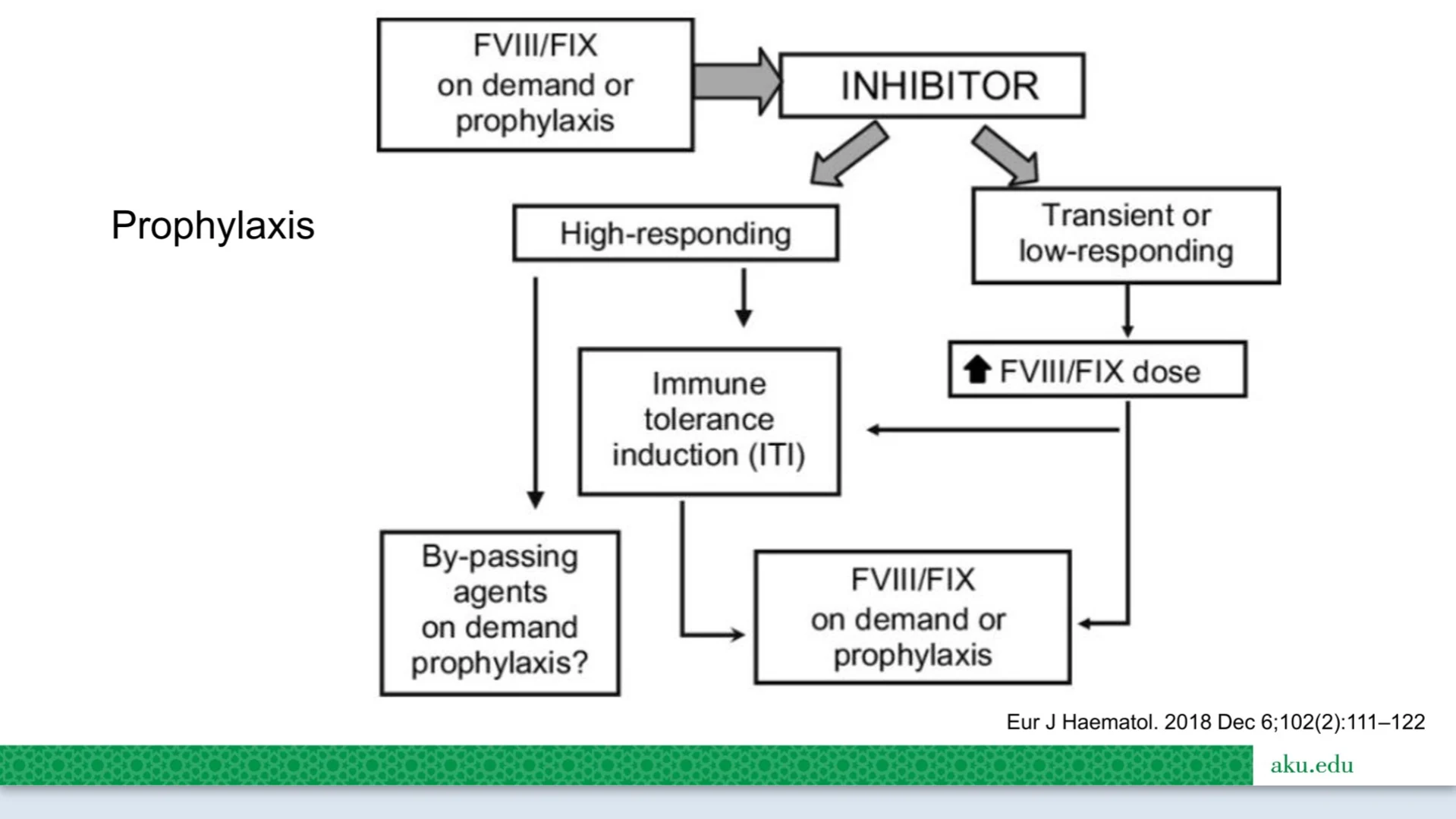
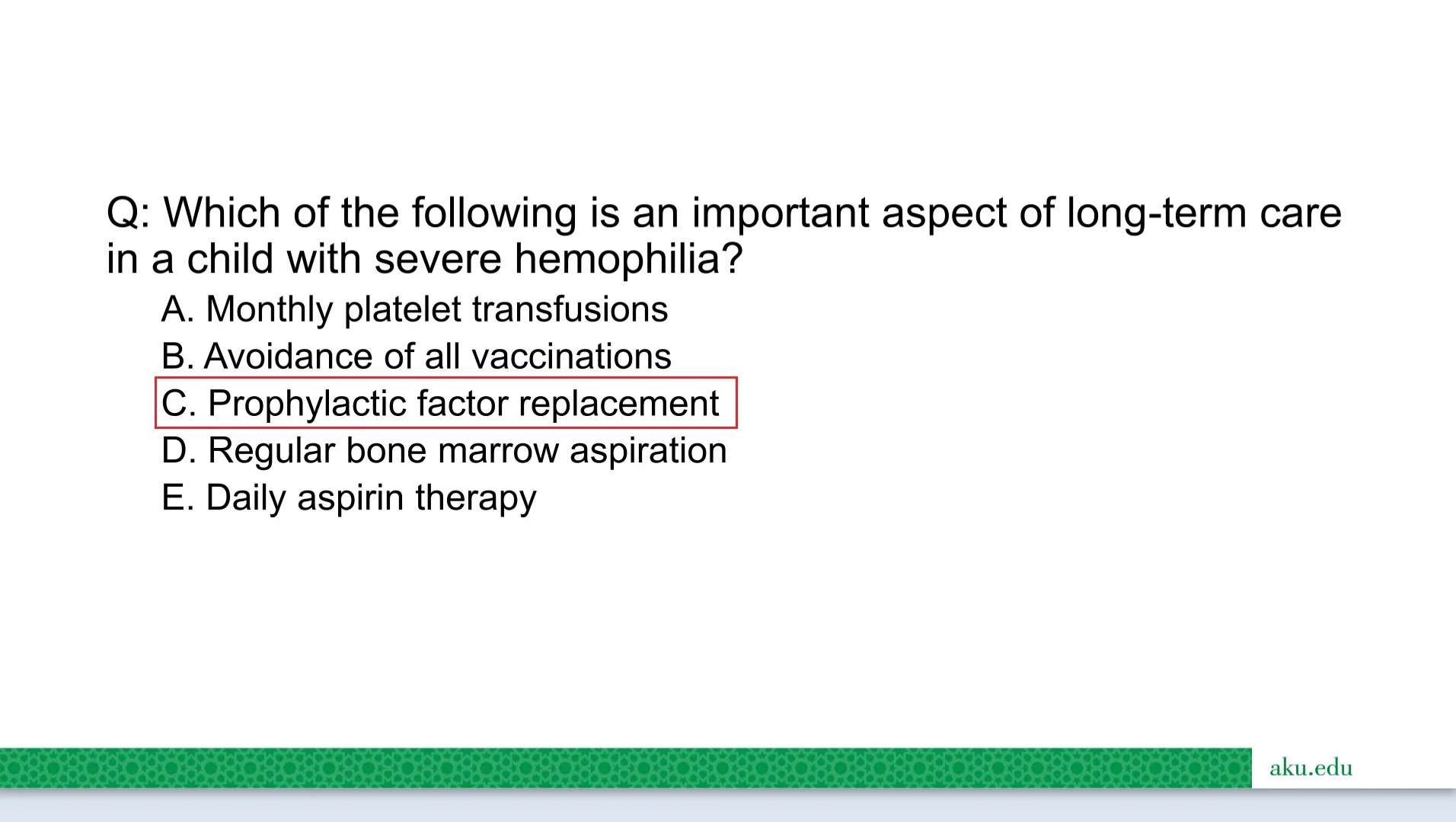
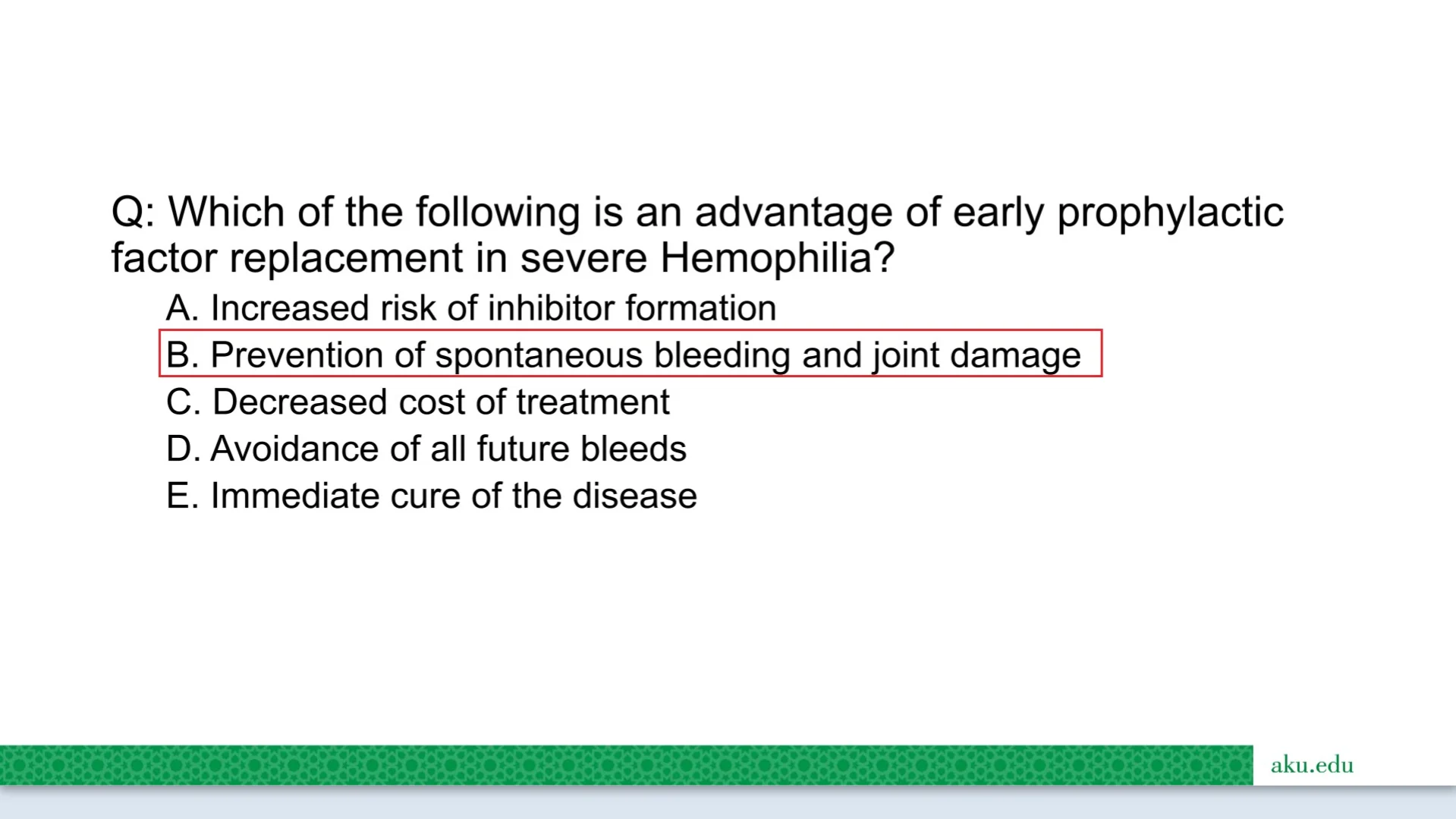
Prophylaxis versus Episodic Care: A major focus was the shift toward prophylaxis (regular treatment to prevent bleeds) as the gold standard for preventing chronic hemophilic arthropathy and improving quality of life.
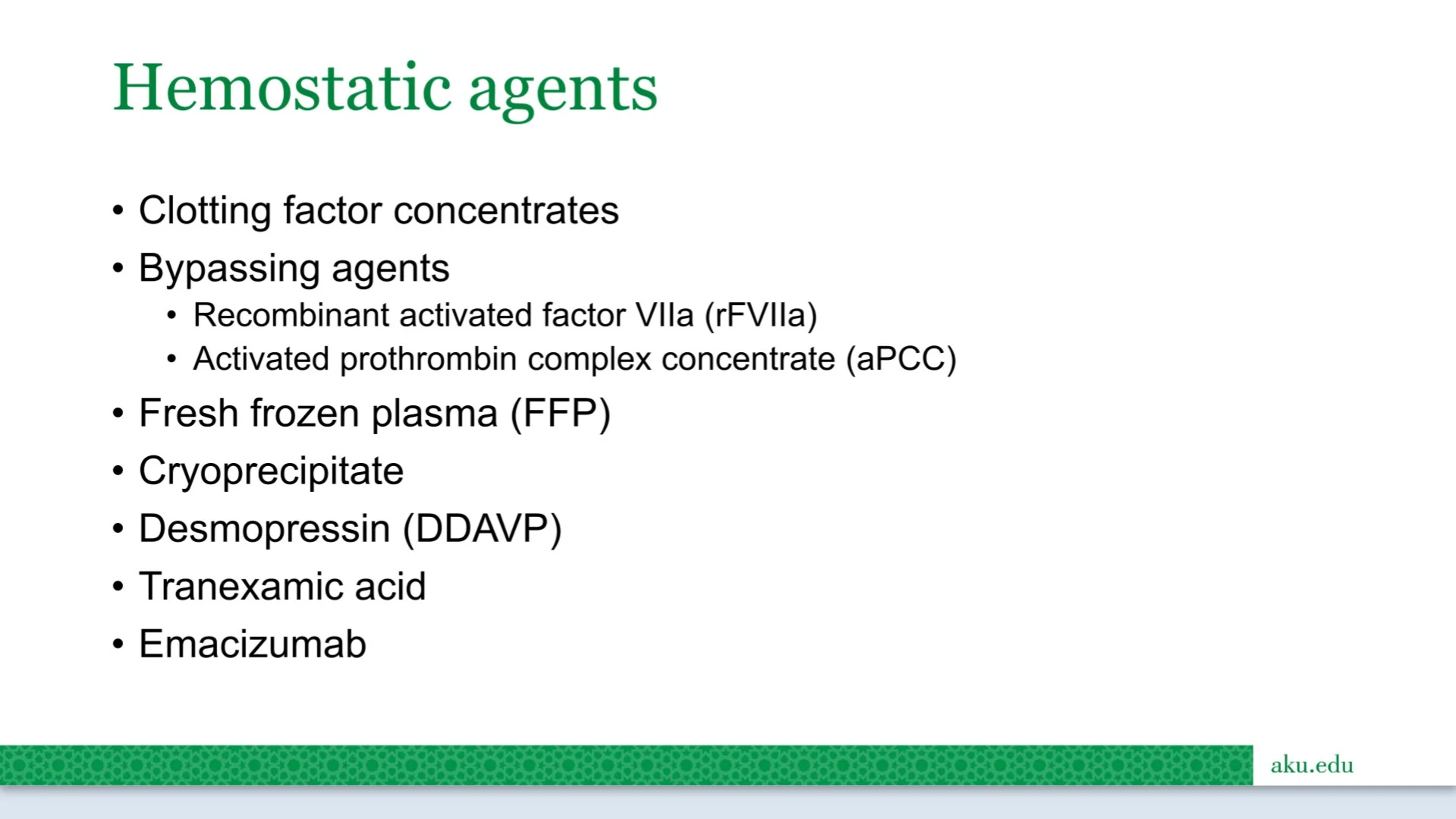
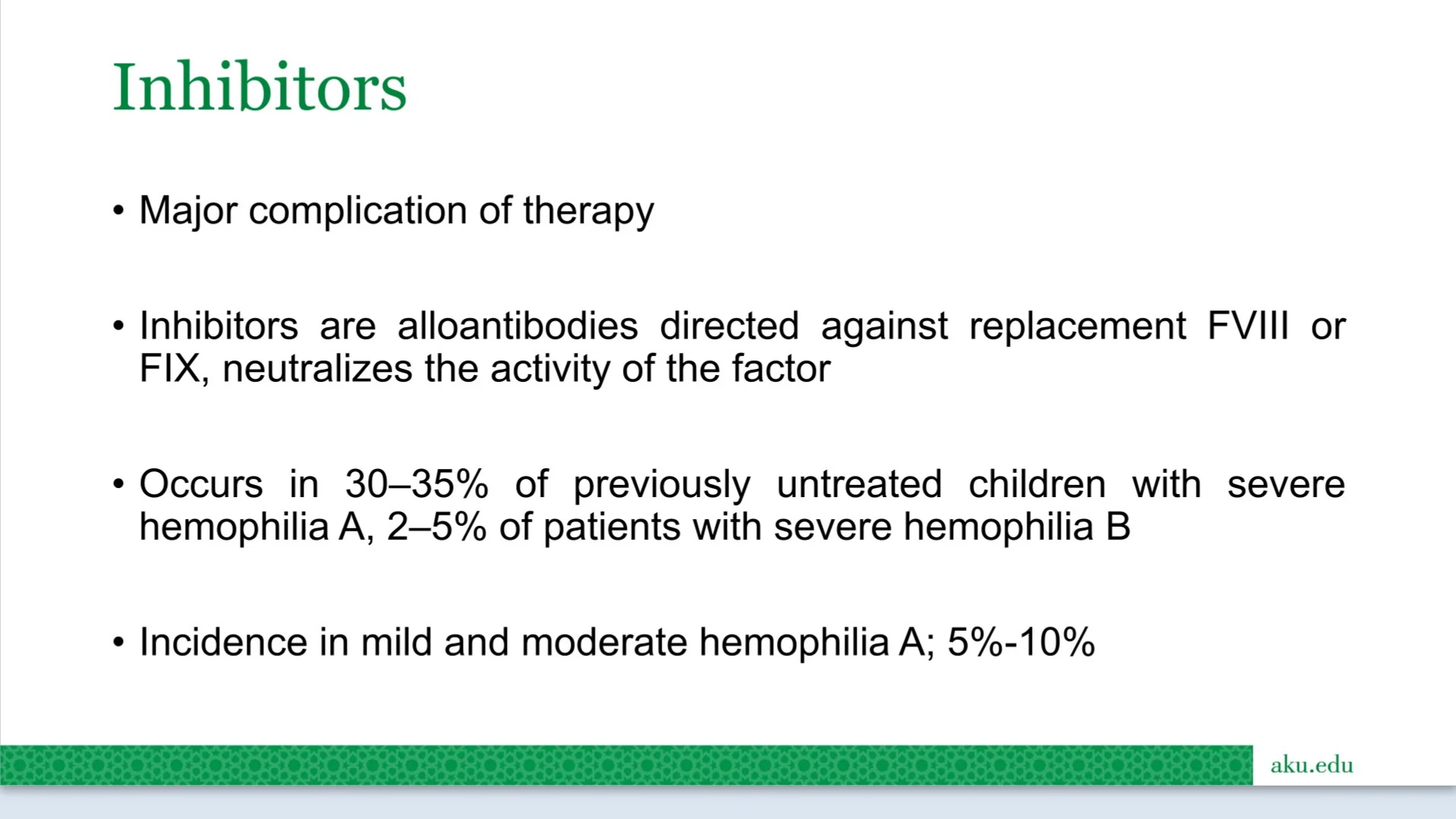
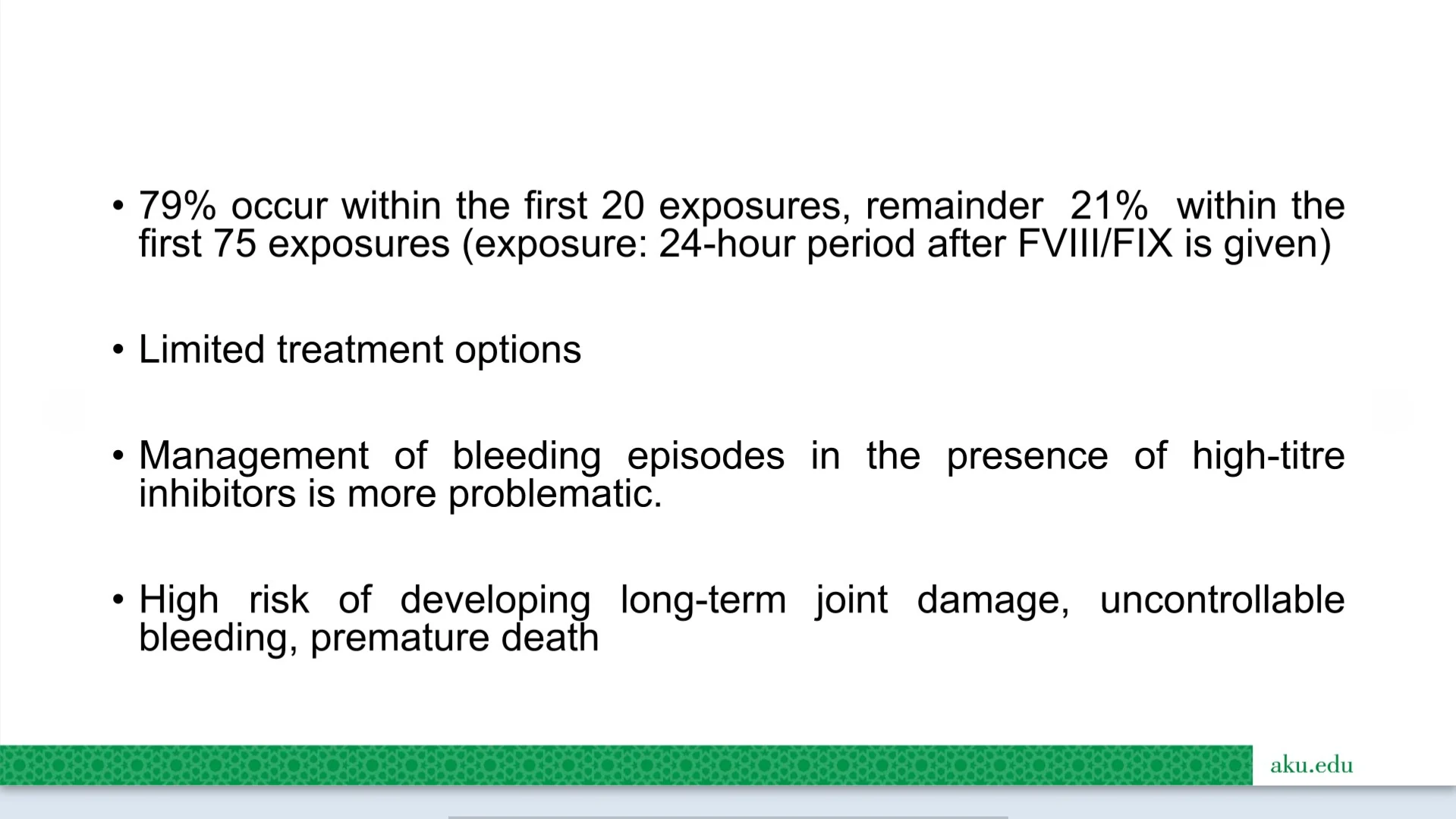
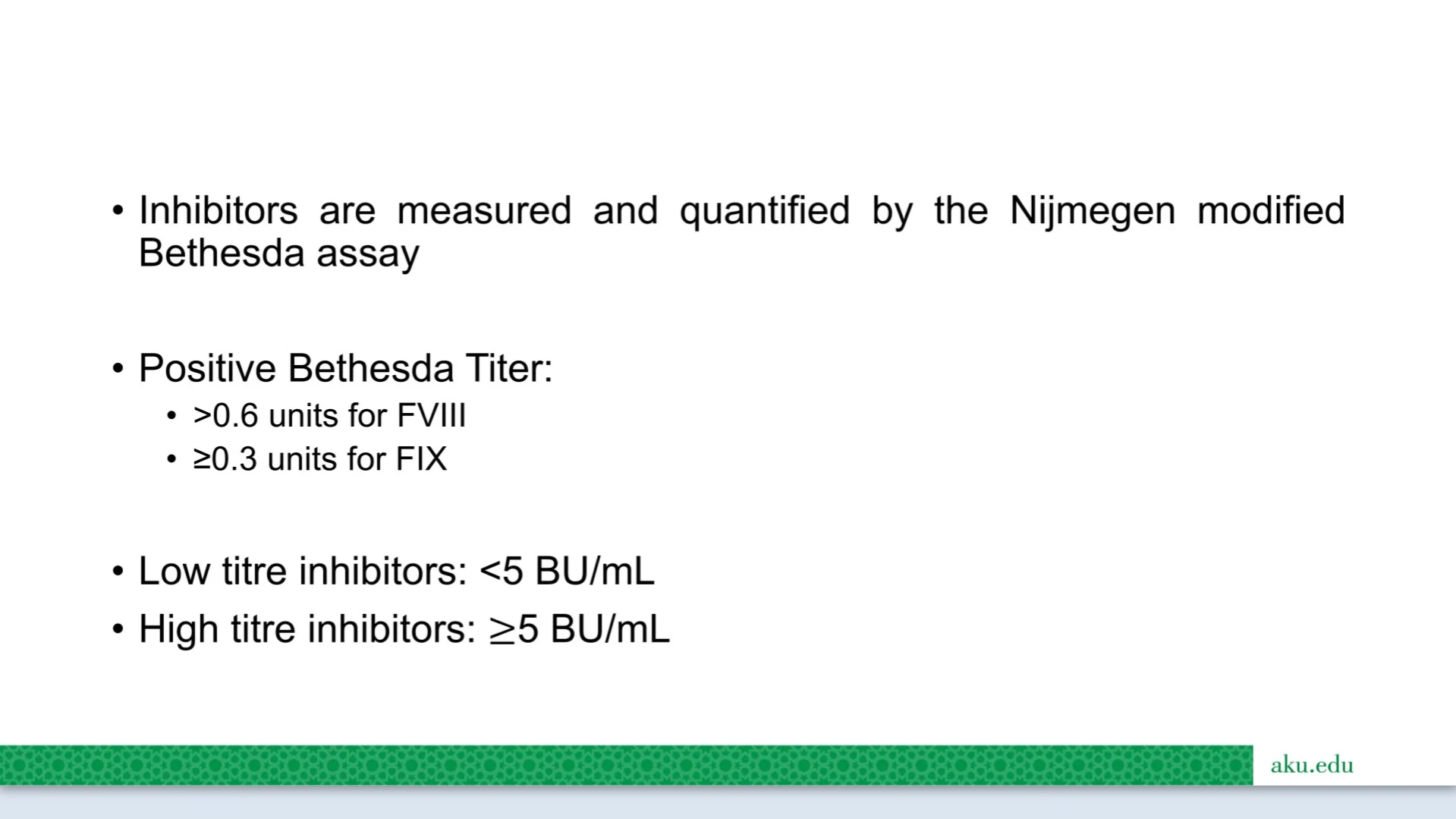
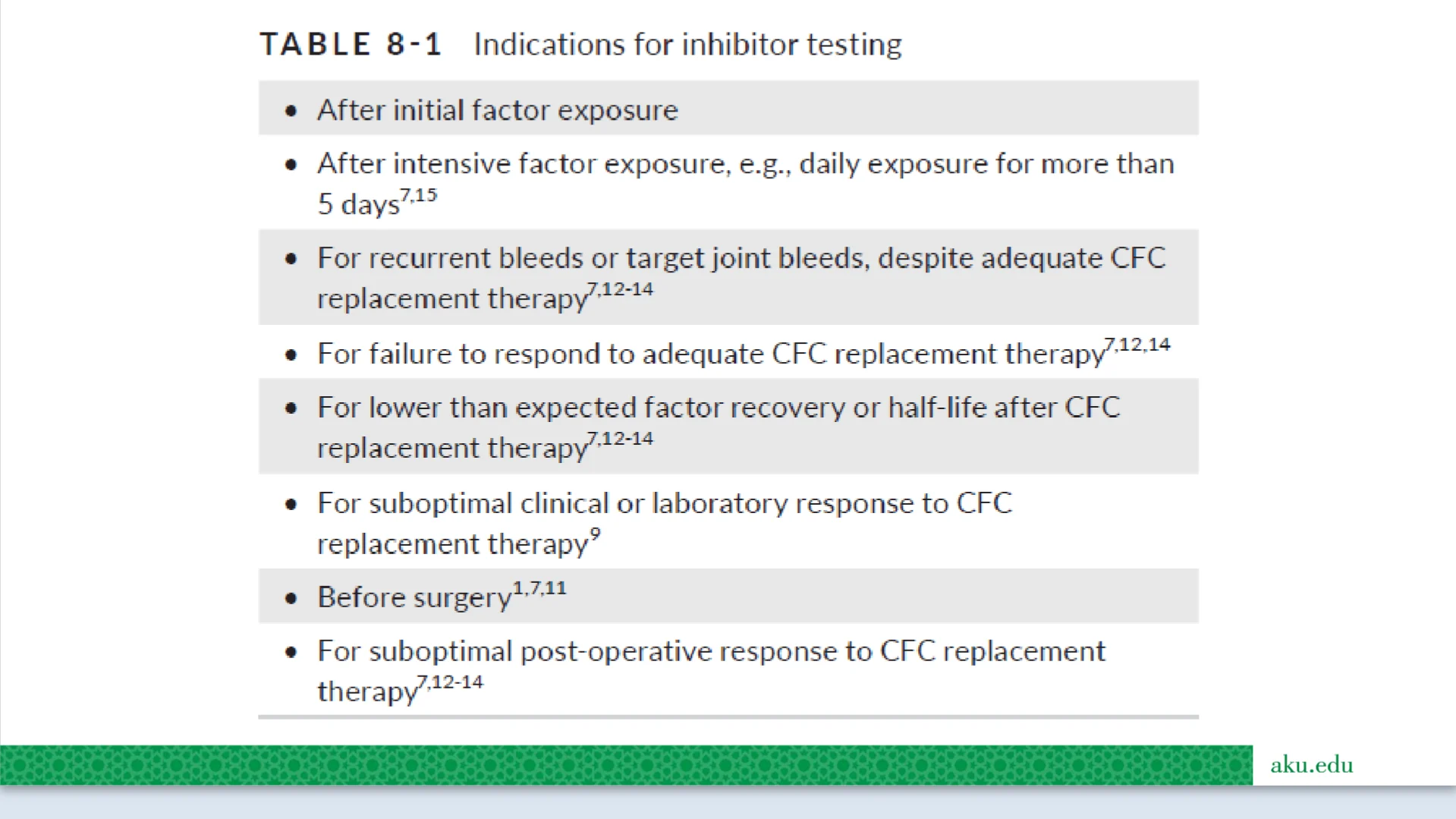
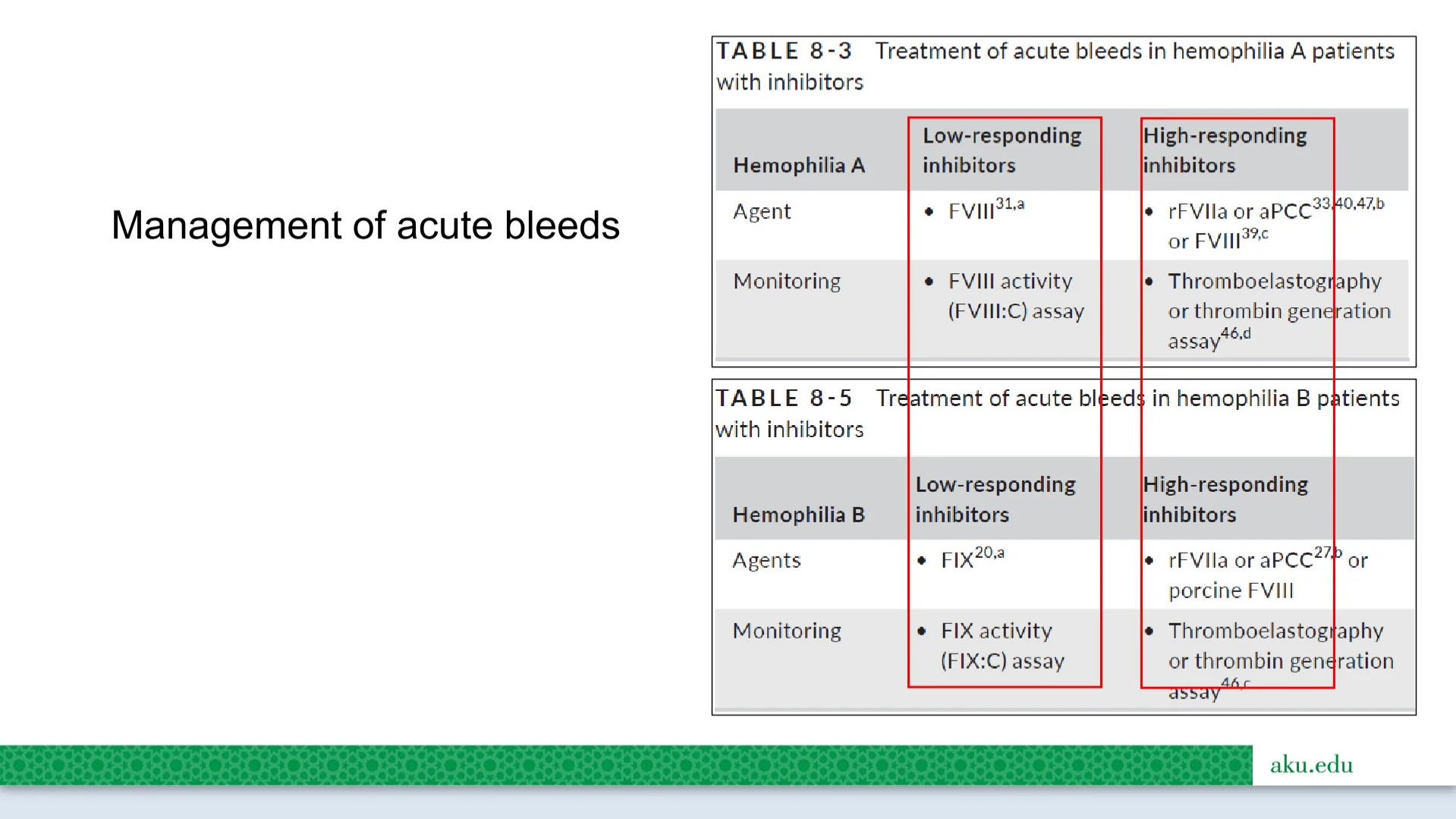
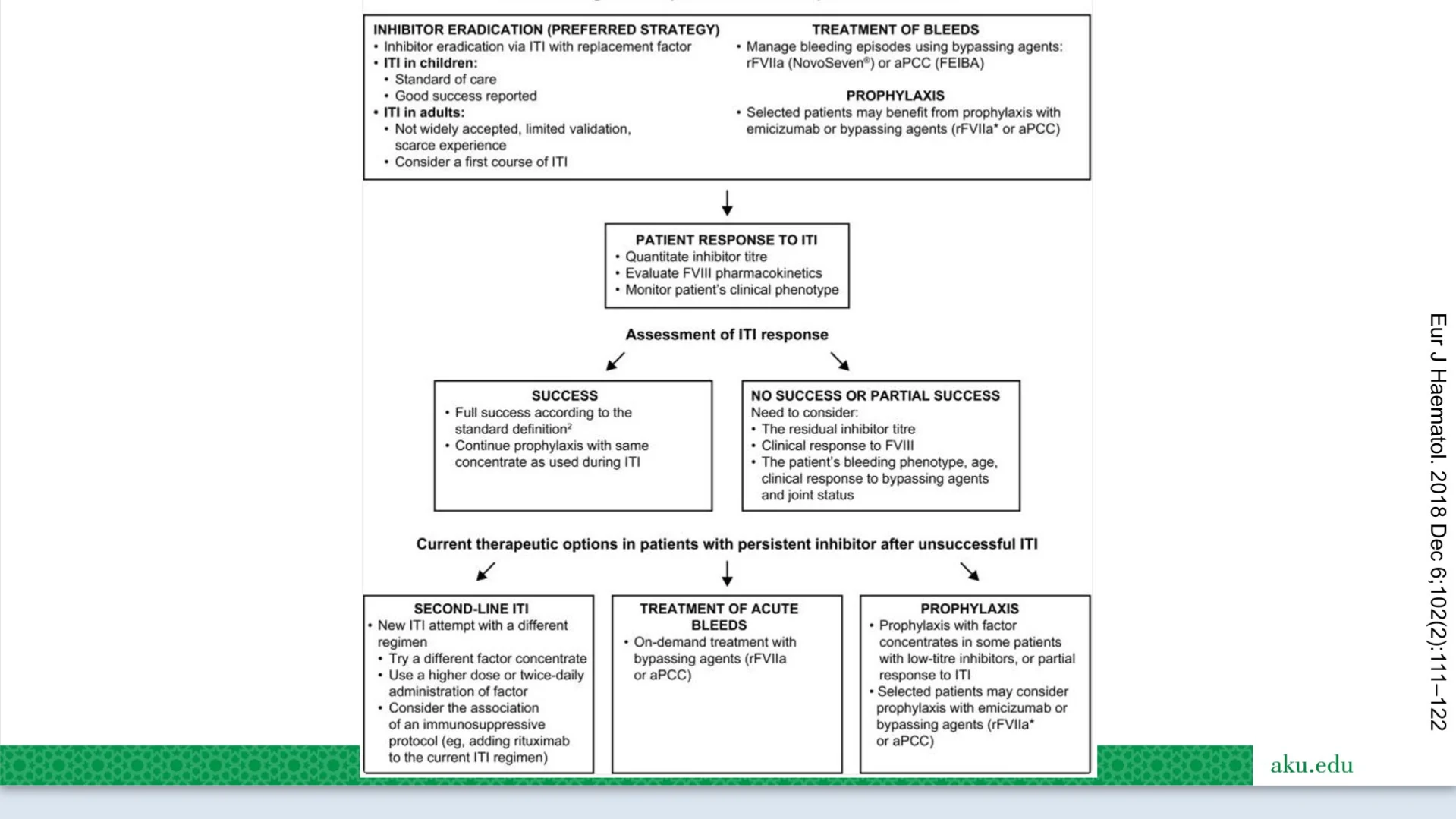
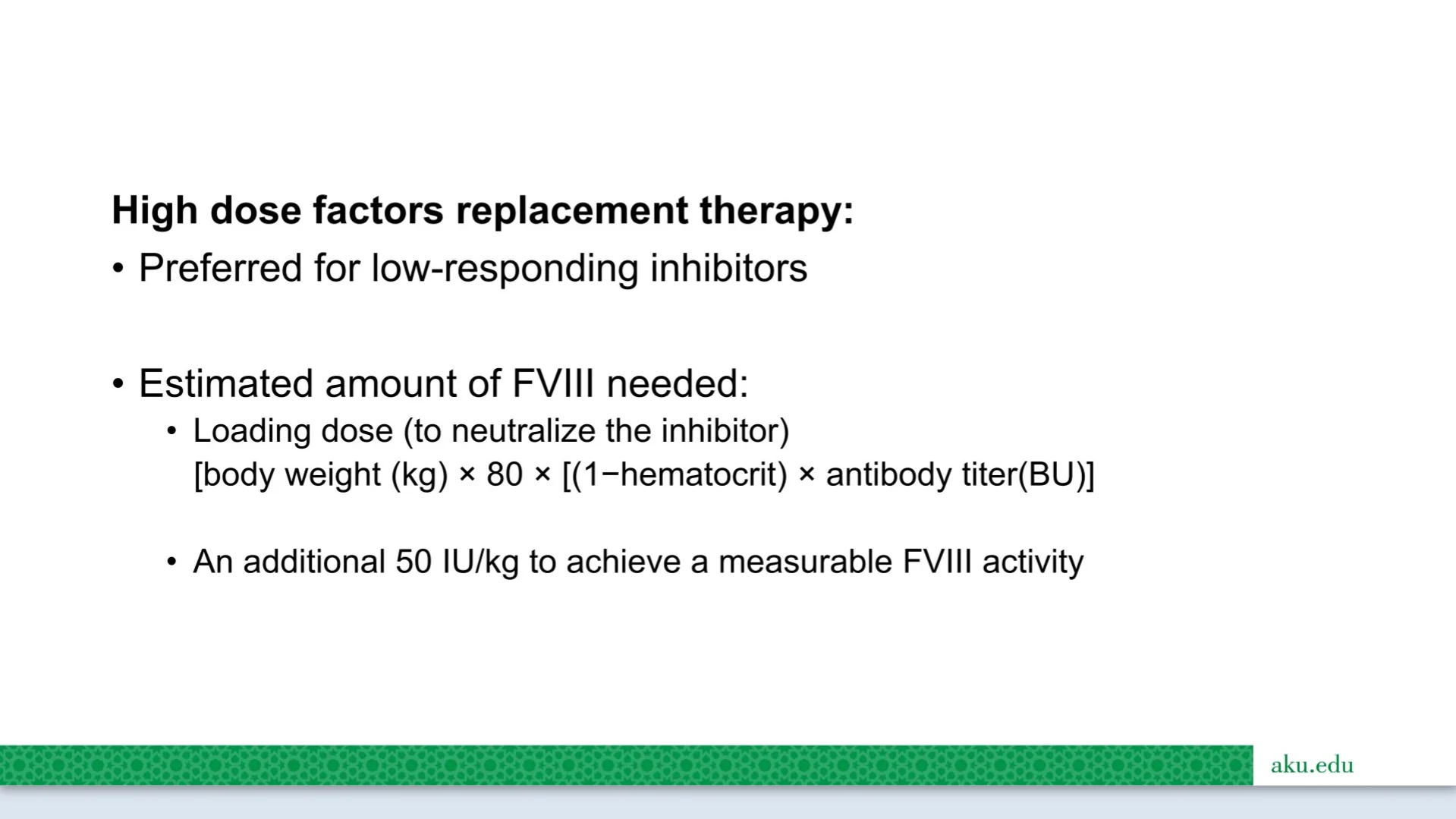
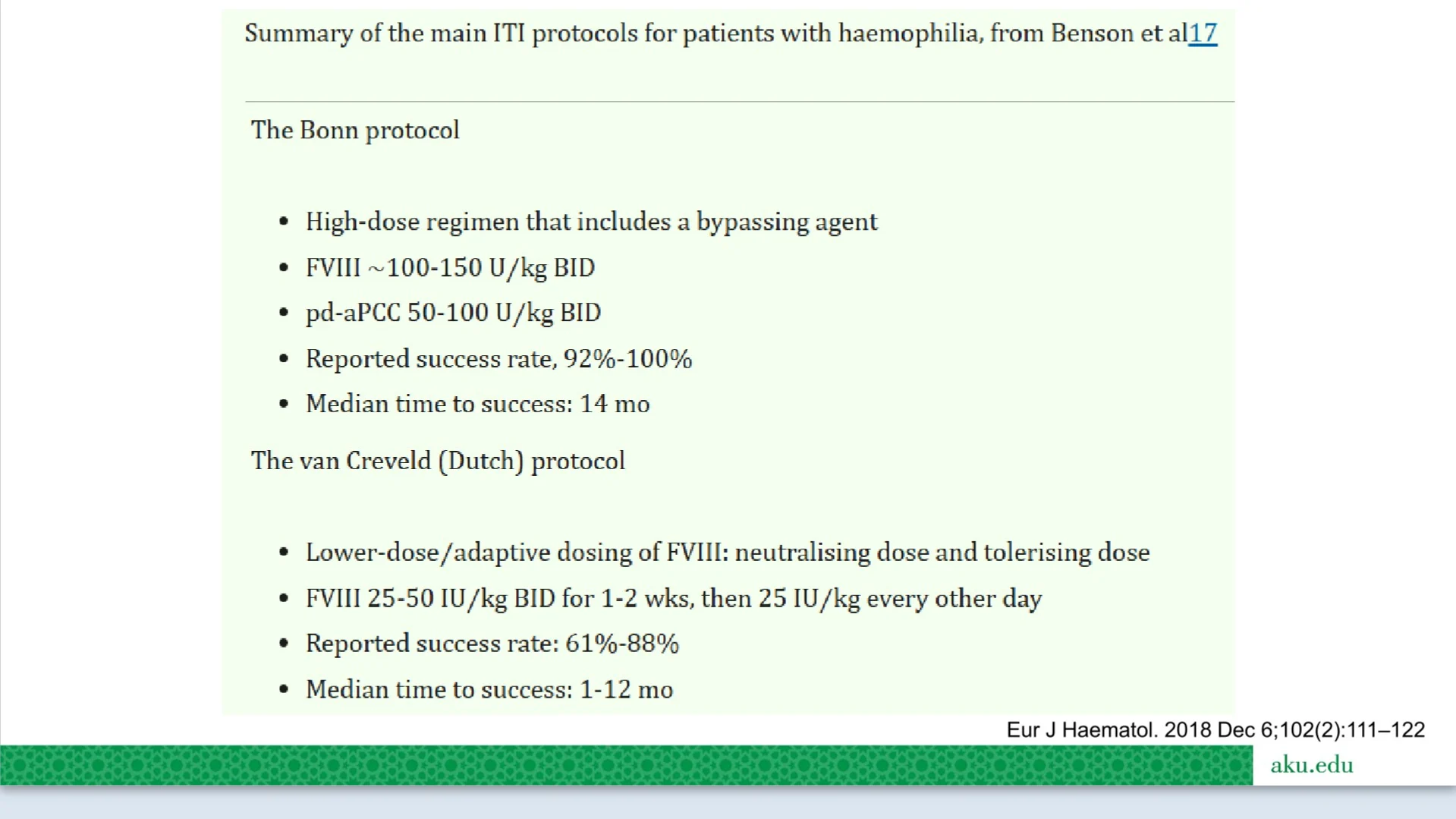
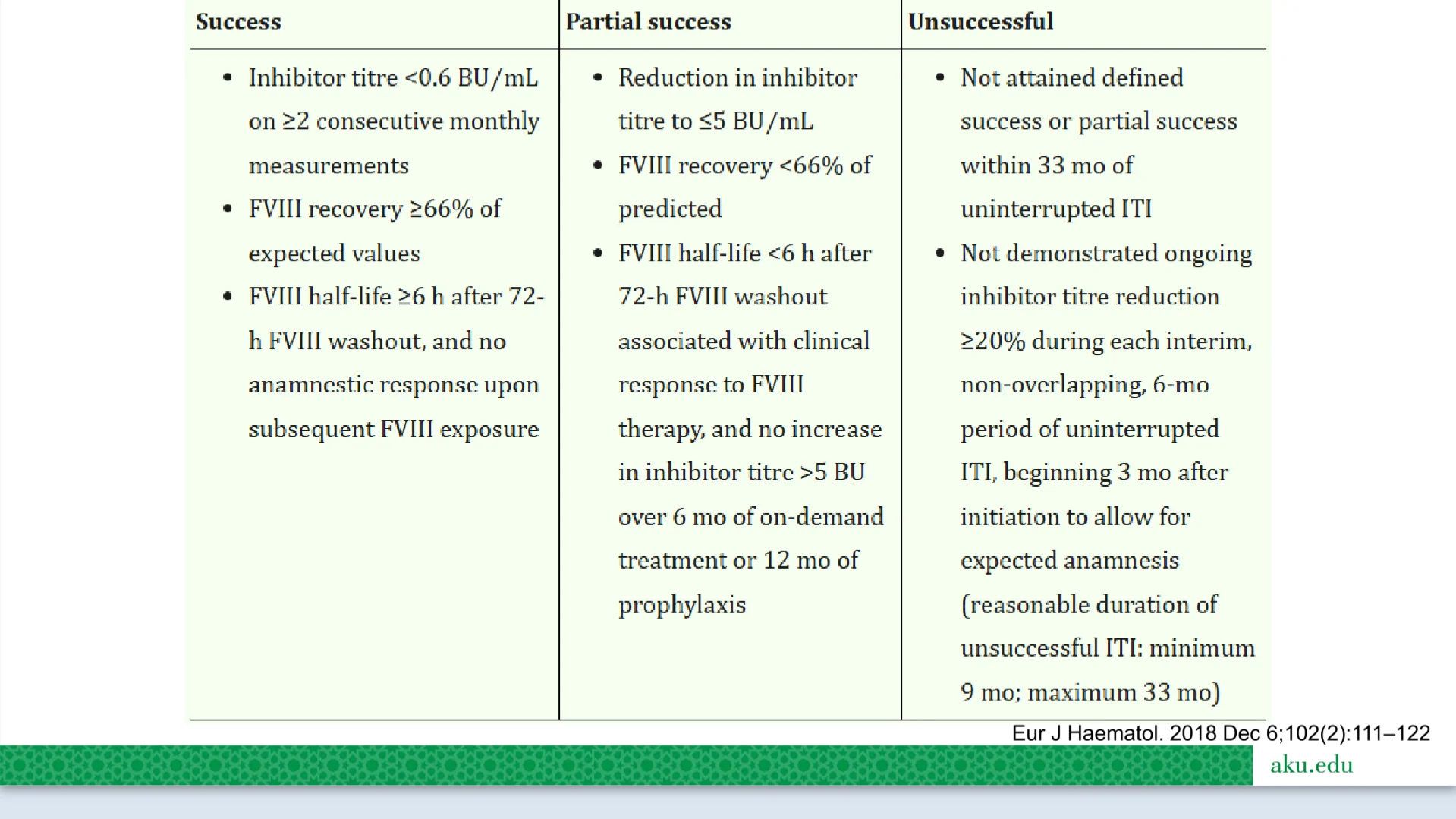
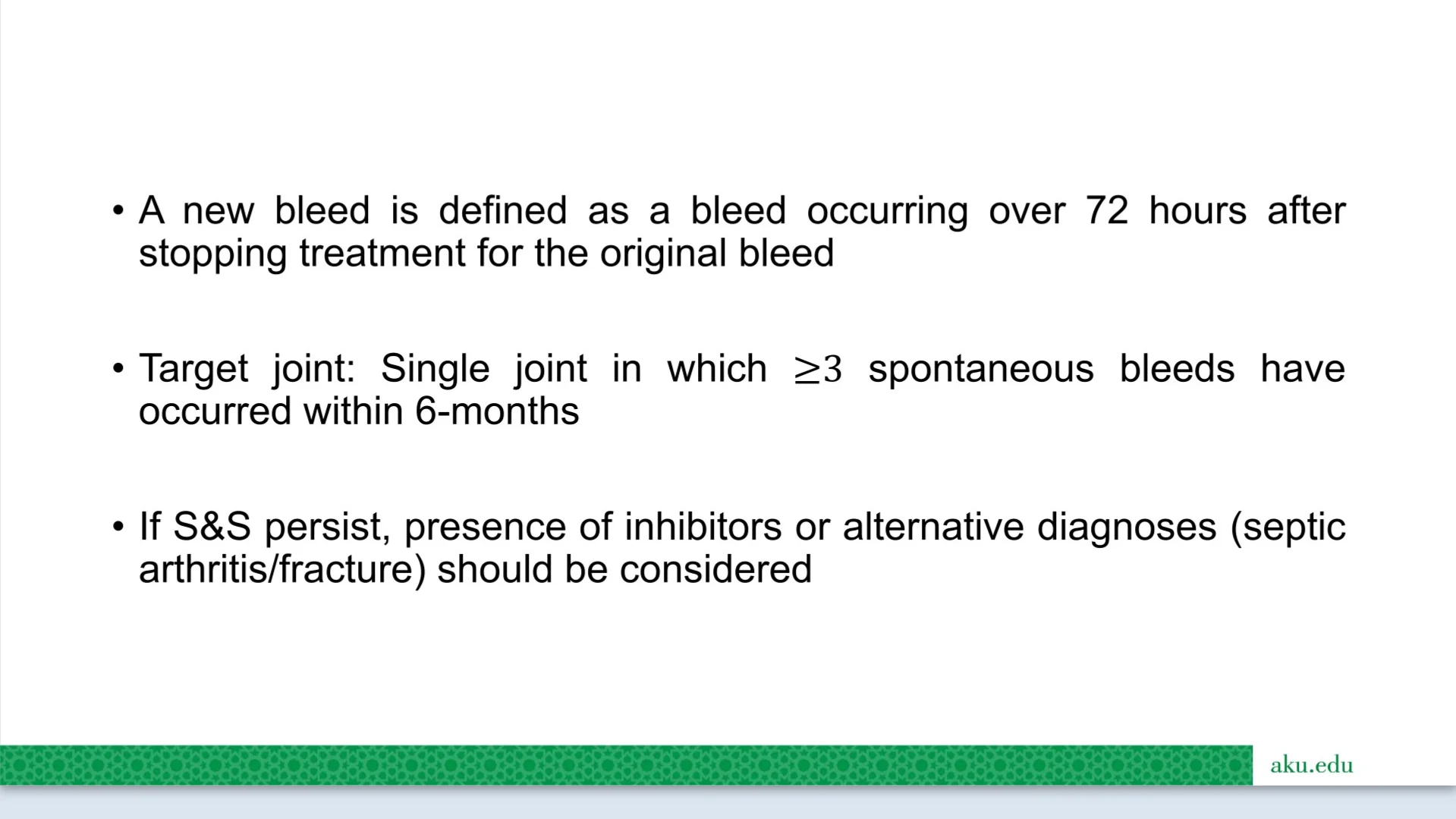
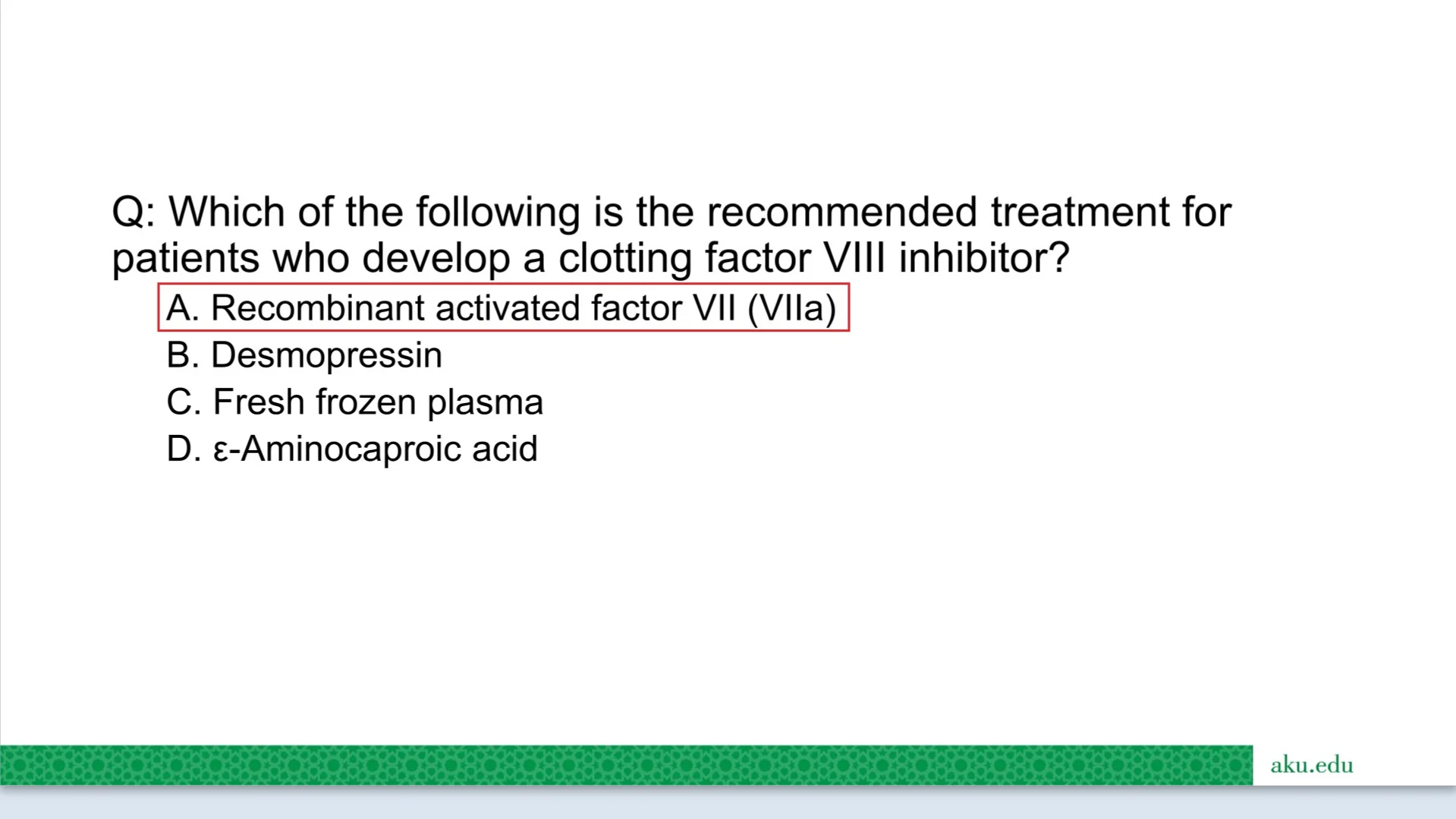
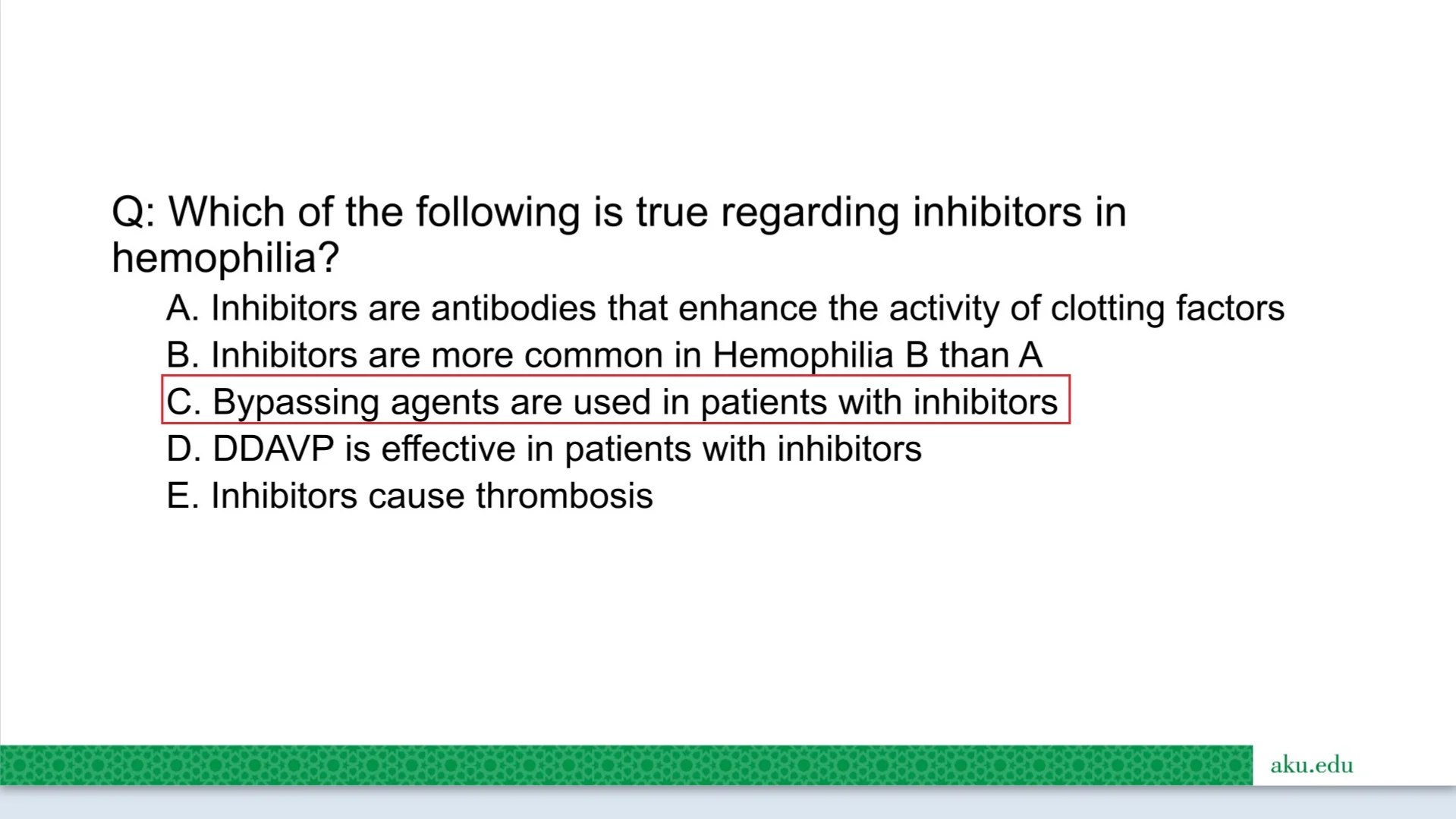
Inhibitors and Complications: We addressed the challenge of inhibitors, where the body’s immune system reacts against replacement factors, necessitating advanced bypass agents or immune tolerance induction.
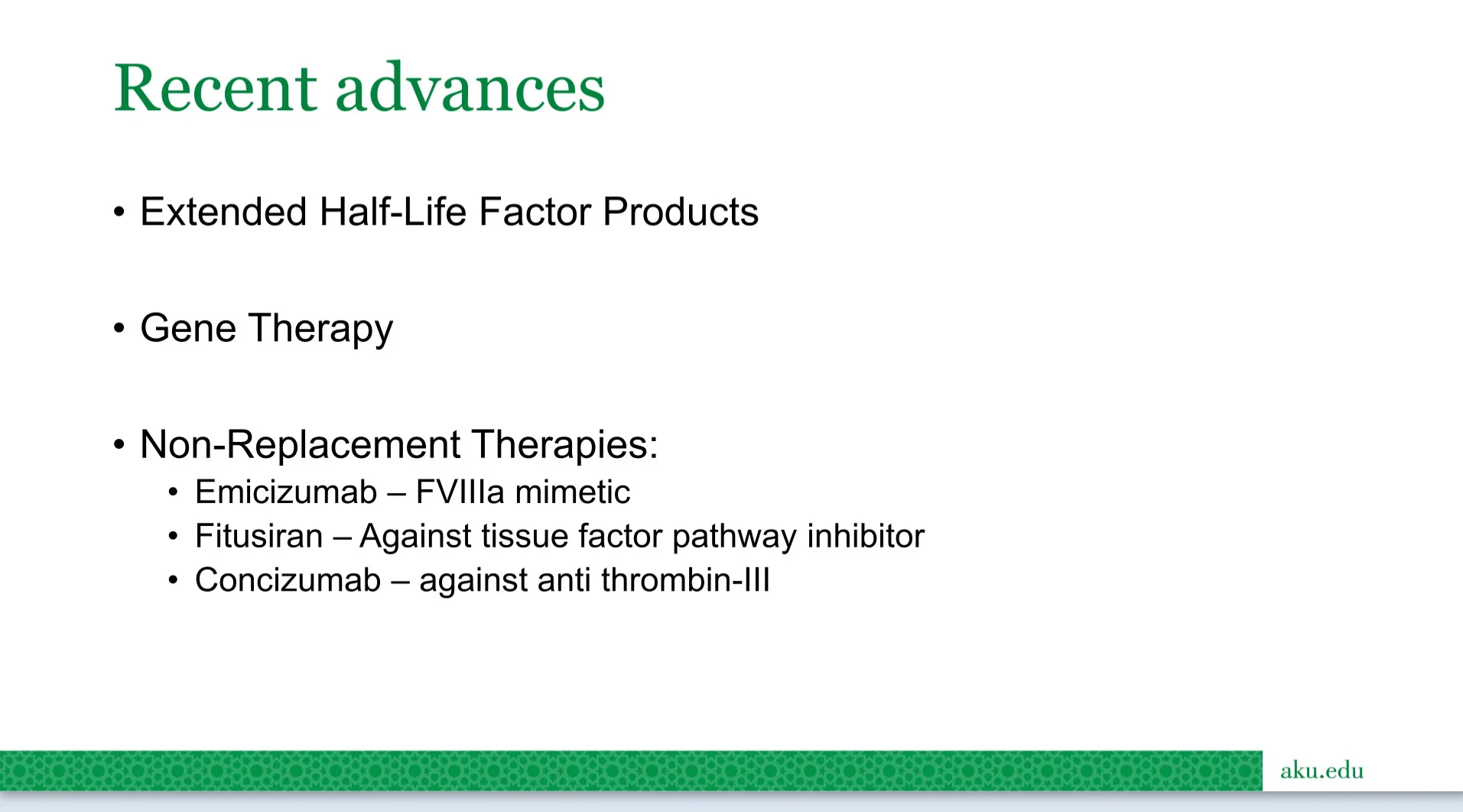
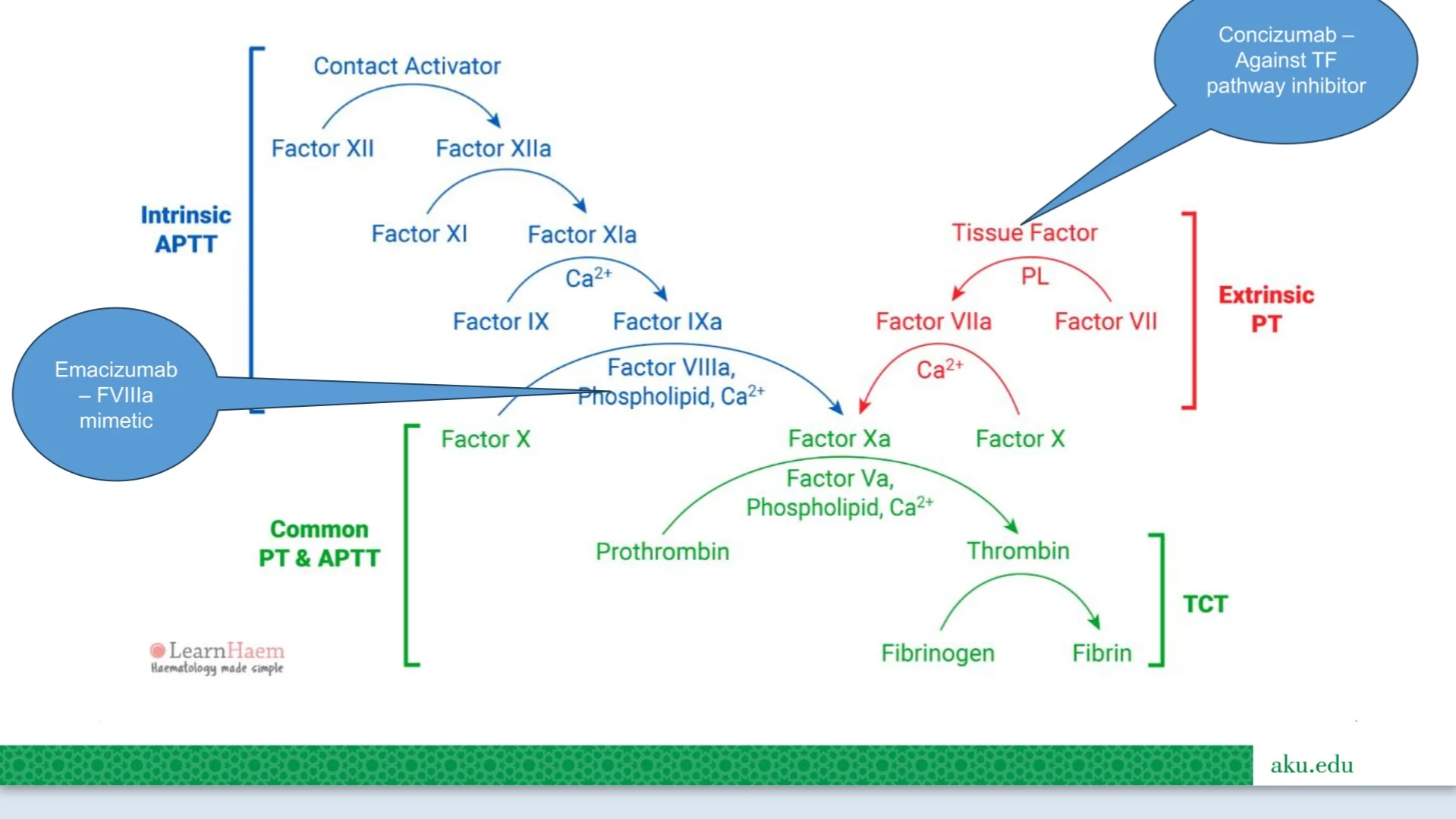
Future Frontiers: I shared insights into the potential of gene therapy and non-factor replacement therapies, like Emicizumab, which are revolutionizing how we approach long-term care.
Thank you to the team at NICH for organizing this event and for their unwavering commitment to our young patients in Karachi.
Together, we can strive for a future where ‘Access for All’ becomes a reality.”
See more in the gallery.
Stay updated with Hemostasis Today.
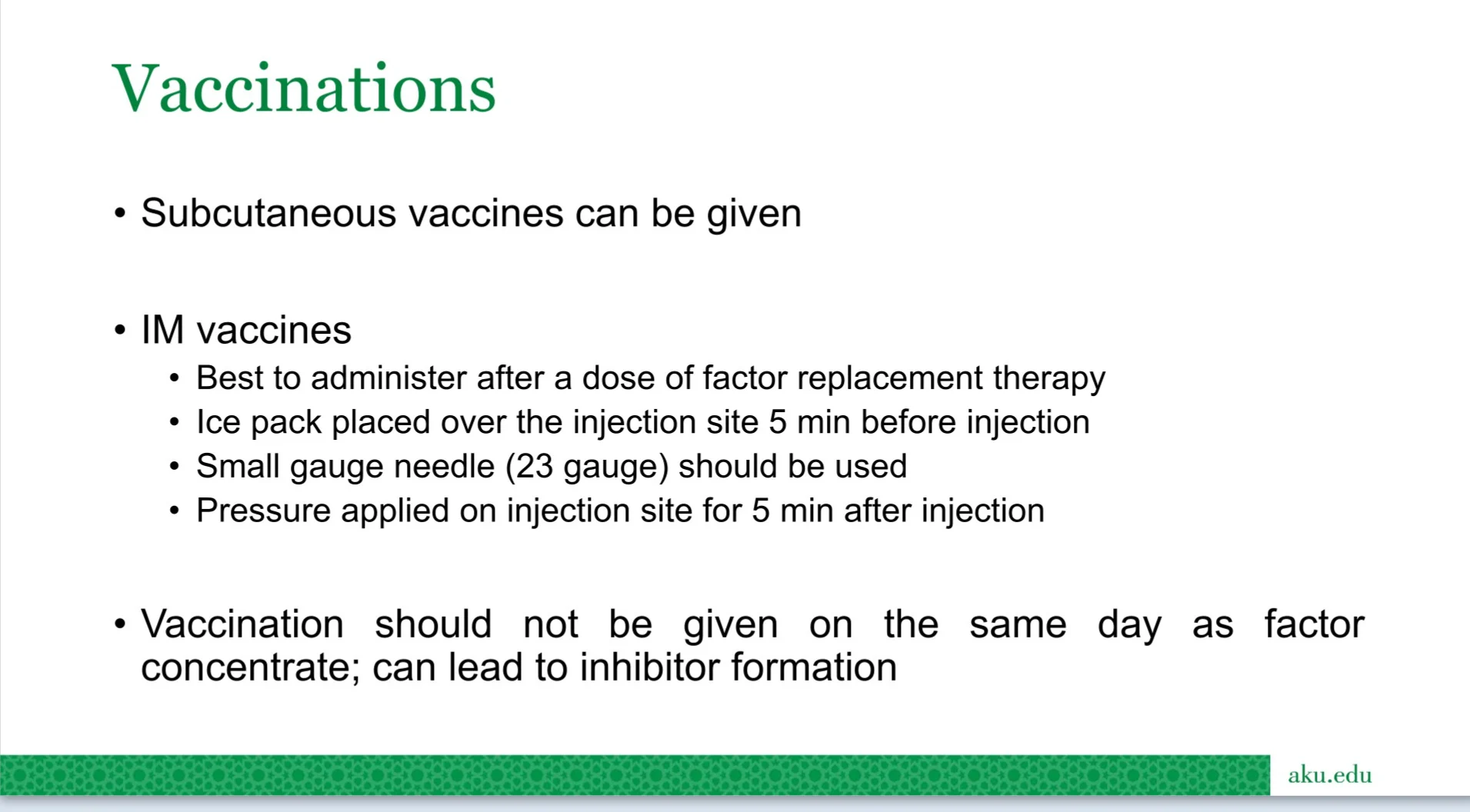
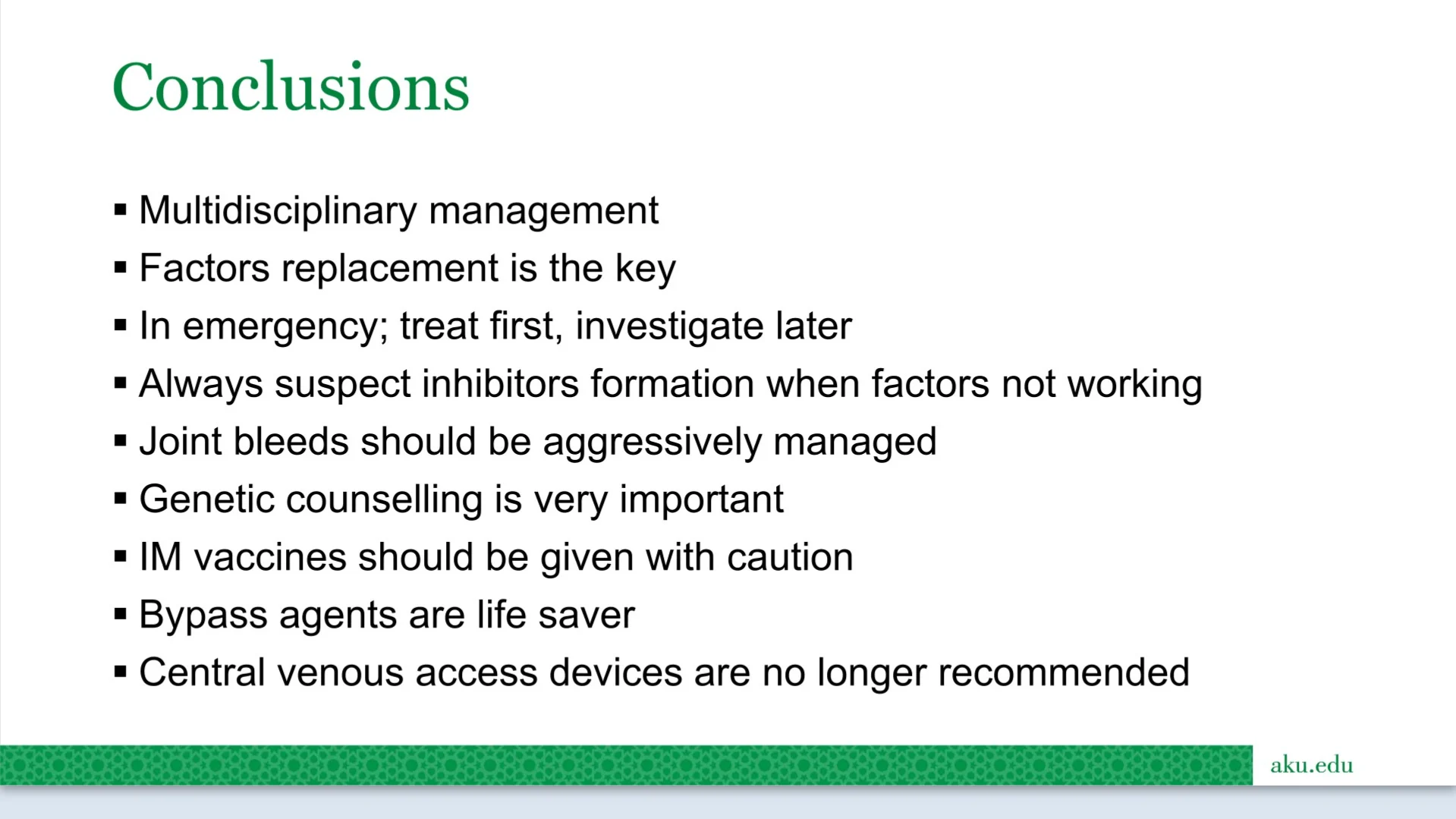

-
Sep 21, 2026, 14:10Aswin K Mohan: Lessons from TRANSCON 2026: Building Resilient Blood Supply Systems Before Crisis Hits
-
Sep 21, 2026, 14:00Vincent Lu: Beyond PT and aPTT – How Hemostasis Evolves Across a Lifetime
-
Sep 21, 2026, 13:56Alex Knapp: Emerging Tech, Space Tow Trucks, and New Advances in Hemophilia Treatment
-
Sep 21, 2026, 13:51Abdalhakim Shubietah: pLAAO Fails Noninferiority to OAC in Landmark Meta-Analysis of 7 RCTs
-
Sep 21, 2026, 13:21In His Last UNGA, António Guterres Delivers a Urgent Call for Global Unity
-
Sep 21, 2026, 13:14Fatih Mehmet Gul: Are We Moving Faster Than Our Ability to Ask ‘Should We?’
-
Sep 21, 2026, 13:08Sangita Reddy: How Does Our Own Healthcare Journey in India Look Through the Same Lens?
-
Sep 21, 2026, 12:53Conan McIlwrath: Strengthening Haemophilia Care Through International Collaboration
-
Sep 21, 2026, 12:41Tinatin Muradashvili: Advancing Hemophilia Care Through Education and Collaboration