

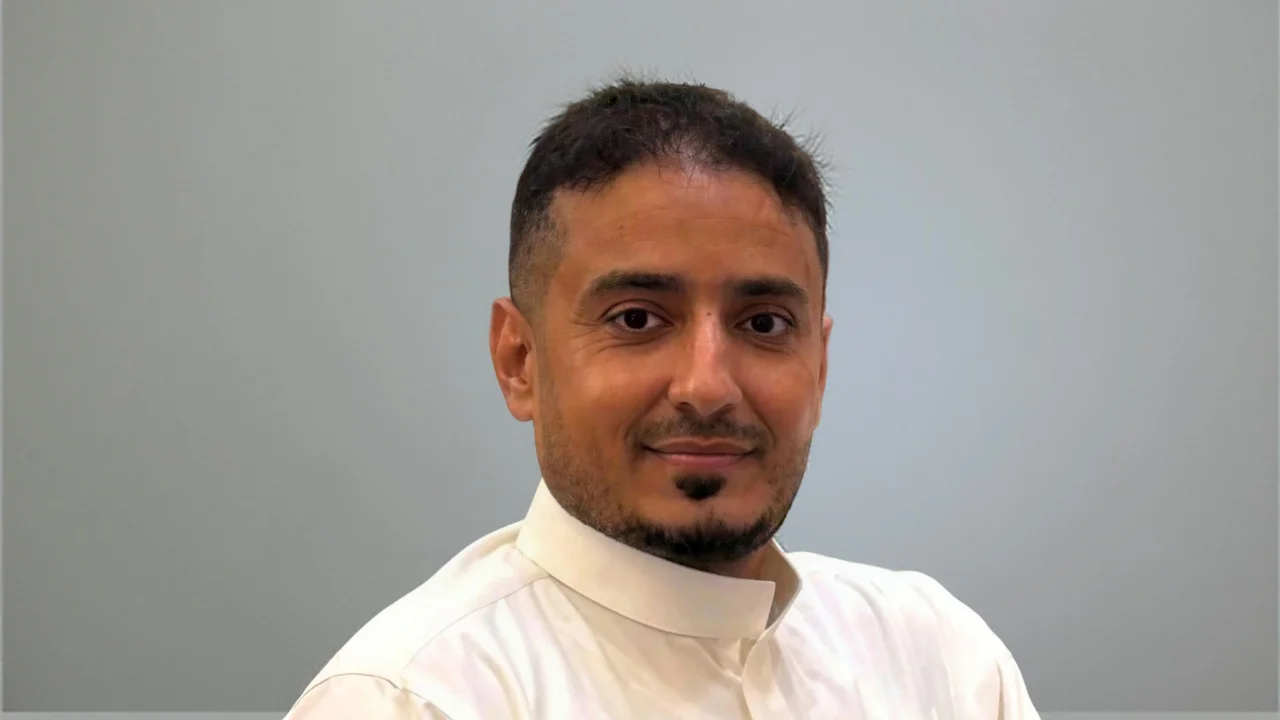
Tareq Abadl: What if a Hospital Bacterium Can Survive on Dry Surfaces for Days to Weeks?
Tareq Abadl, Medical Laboratory Specialist and Director of the Blood Bank at Dr. Abdelkader Al-Mutawakkil Hospital, shared a post on LinkedIn:
“What if a hospital bacterium can survive on dry surfaces for days to weeks?
One of the most striking organisms in clinical microbiology is Acinetobacter, especially carbapenem-resistant Acinetobacter baumannii (CRAB).
According to the Centers for Disease Control and Prevention (CDC):
- Acinetobacter infections typically occur in healthcare settings.
- They can affect the blood, lungs(pneumonia), urinary tract, and wounds.
- Many strains are multidrug-resistant, making treatment challenging.
What makes it especially alarming?
It spreads through:
- Contaminated surfaces
- Medical equipment
- Hands of healthcare workers
CRAB can persist on dry surfaces for days to weeks, even in harsh conditions.
This ability allows it to cause outbreaks in hospitals, particularly in ICUs.
Why is this organism so tough?
- It forms biofilms – protects it from disinfectants and antibiotics
- Has strong environmental resilience
- Possesses multiple antimicrobial resistance mechanisms
Why does this matter in Medical Laboratory Science?
The microbiology lab plays a critical role:
- Identification of the organism (culture, automated systems, MALDI-TOF)
- Antimicrobial Susceptibility Testing (AST) to detect resistance
- Detection of carbapenemase enzymes (e.g., OXA-type)
- Supporting infection control teams in tracking outbreaks
- Early detection equals faster intervention and better patient outcomes
The CDC emphasizes that laboratory data is essential to:
- Monitor resistance trends
- Detect transmission
- Guide proper antibiotic therapy
Key Takeaway:
The microbiology lab is not just identifying bacteria – it is a frontline defense system against dangerous hospital pathogens like CRAB, helping prevent the spread of infections that are increasingly difficult to treat.”

More posts featuring Tareq Abadl on Hemostasis Today.
-
Oct 2, 2026, 15:37Pall T. Onundarson: Monitoring Warfarin Beyond Factor VII
-
Oct 2, 2026, 15:26Nicola Carter: World Thrombosis Day Highlights Gender Specific Risks and Prevention
-
Oct 2, 2026, 14:56Wolfgang Miesbach: Direct Comparison Reveals Distinct Mechanisms Among FVIIIa Mimetics
-
Oct 2, 2026, 14:47Strengthening Hemophilia Care Through Advocacy and Partnership – World Federation of Hemophilia
-
Oct 2, 2026, 14:40Maxime Dely: CAR T Cell Therapy Starts With Collection
-
Oct 2, 2026, 14:30Sadashiva Pai: The Molecular Gateway for Sphingosine-1-Phosphate Release
-
Oct 2, 2026, 14:17Aditya Rawat: Clopidogrel, CYP2C19 and the Role of Pharmacogenetics
-
Oct 2, 2026, 14:12Monitoring Iron Deficiency in Glanzmann Thrombasthenia – Glanzmann’s Research Foundation
-
Oct 2, 2026, 14:06Giang Tran: Residual Internal Carotid Artery Aneurysm After Flow-Diverter Stenting