


Maxime Dely: Therapeutic Apheresis – How Do You Know When You Can’t Wait Any Longer?
Maxime Dely, Sales and Application Specialist in Therapeutic Apheresis and Cell Therapy, shared a post on LinkedIn:
“Therapeutic Apheresis: How do you know when you can’t wait any longer?
3 clinical criteria to decide on Therapeutic Apheresis
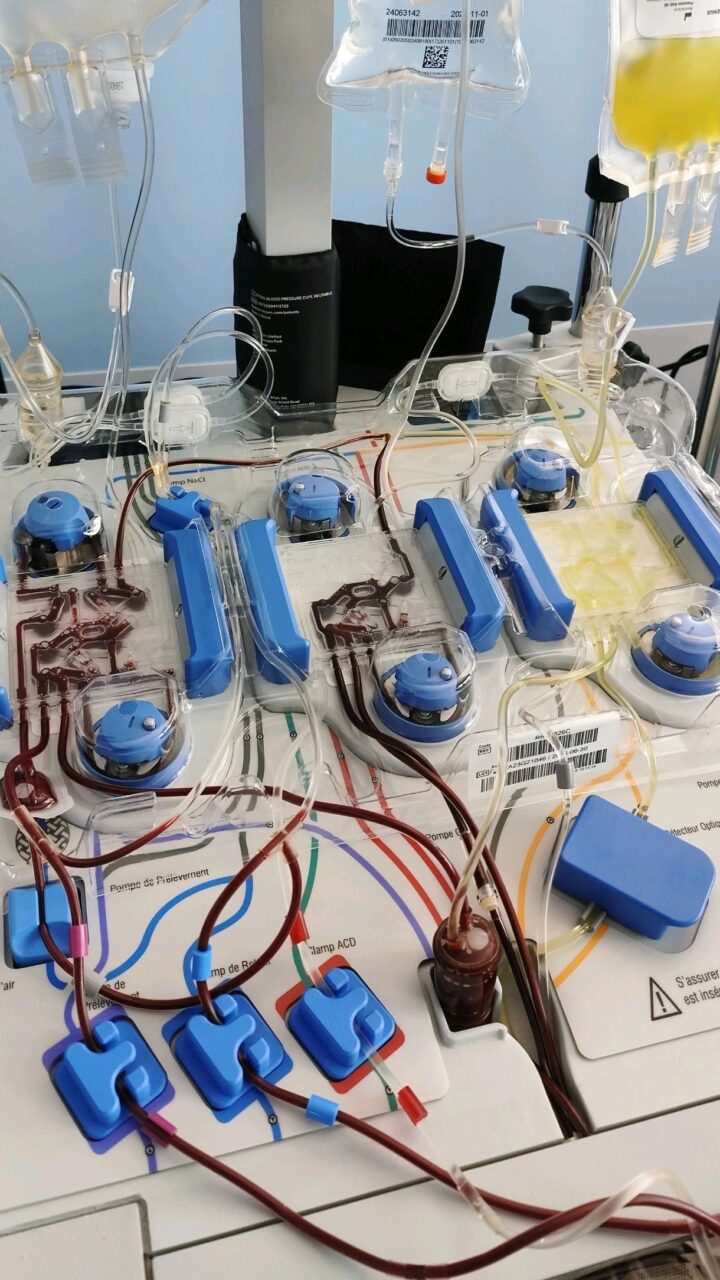
Therapeutic apheresis is neither an automatic reflex nor a last-resort treatment by default. The right indication relies on a structured clinical reasoning, which can be summarized into three key criteria.
1. A clearly identifiable circulating pathogenic target
Apheresis makes sense when the disease mechanism involves a blood-borne factor that can be mechanically removed:
– autoantibodies (TTP, myasthenia gravis, Goodpasture syndrome)
– immune complexes (severe lupus)
– abnormal cells (leukostasis in acute leukemias)
– lipoproteins (homozygous familial hypercholesterolemia)
Without a clearly identified circulating target, the expected benefit becomes questionable.
2. Acute or rapidly progressive clinical severity
Myasthenic crisis with respiratory failure, thrombotic thrombocytopenic purpura, progressive Guillain–Barré syndrome, antibody-mediated graft rejection…
In these situations, apheresis is a life-saving or organ-saving emergency intervention.
3. A mismatch between clinical urgency and the onset of action of standard therapies
Immunosuppressive drugs, IVIg, or chemotherapy may be effective — but sometimes too slow.
Therapeutic apheresis allows an immediate reduction of the pathogenic burden, stabilizing the patient and creating a therapeutic window.
Deciding on apheresis is not about ticking boxes on a list of indications. It is about integrating pathophysiology, clinical severity, and timing, through close multidisciplinary collaboration.
When properly indicated, apheresis is not a technical luxury — it is a strategic clinical tool.”
Find more posts featuring Maxime Dely on Hemostasis Today.
-
Oct 4, 2026, 10:45Join the Bleeding Disorders Advocacy Network! – HFA
-
Oct 4, 2026, 06:12David McIntosh: 900 Plasma Donations One Patient One Lifeline
-
Oct 4, 2026, 06:00Aadil Sheikh: Menopausal Hormone Therapy and Thrombosis Rethinking Route Dose and Risk
-
Oct 4, 2026, 05:27Nirali Thakkar: Influenza and Myocardial Infarction An Unexpected Cardiovascular Connection
-
Oct 4, 2026, 05:03Hisham Fahmi: Thromboprophylaxis in Children With ALL A Risk Adapted Approach
-
Oct 4, 2026, 05:00Mary Cushman: Erin Michos Highlights Rising Heart Disease Mortality Among Younger Women in the US
-
Oct 4, 2026, 04:48Liv Tybjærg Nordestgaard: Is Fasting Necessary Before Blood Sampling?
-
Oct 4, 2026, 04:31Sonal Sonu: Gen Z doesn’t just set trends – Gen Z saves lives
-
Oct 4, 2026, 04:22Registration Opens for 2027 Highlights of ASH – American Society of Hematology