


Wathsala Manindrani: Managing Severe Hypertriglyceridemia in Resource-Limited Settings
Wathsala Manindrani, Transfusion Medicine Senior Registrar at National Cancer Institute, Sri Lanka, shared a post on LinkedIn:
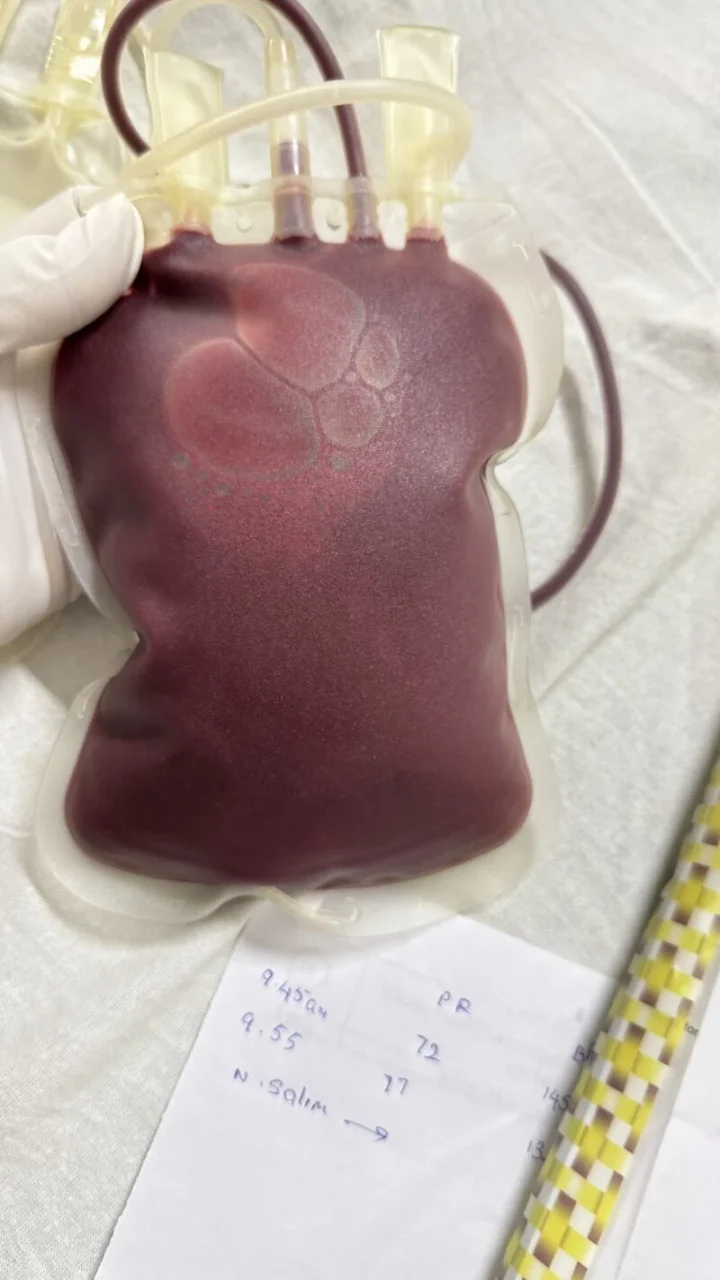
“Managing severe hypertriglyceridaemia can be challenging, specially in resource-limited settings.
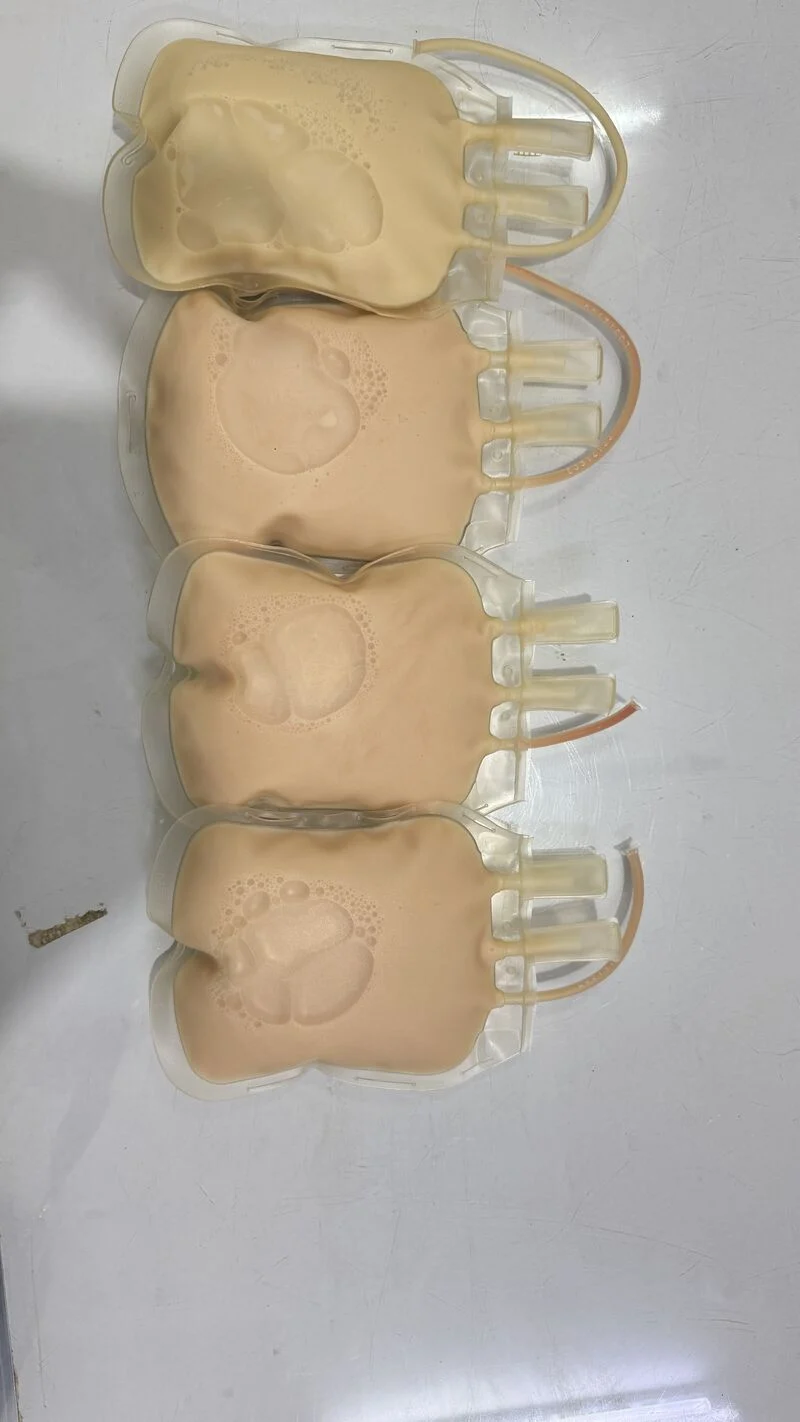
Recently, we managed a patient with familial hypertriglyceridaemia requiring urgent lipid reduction.
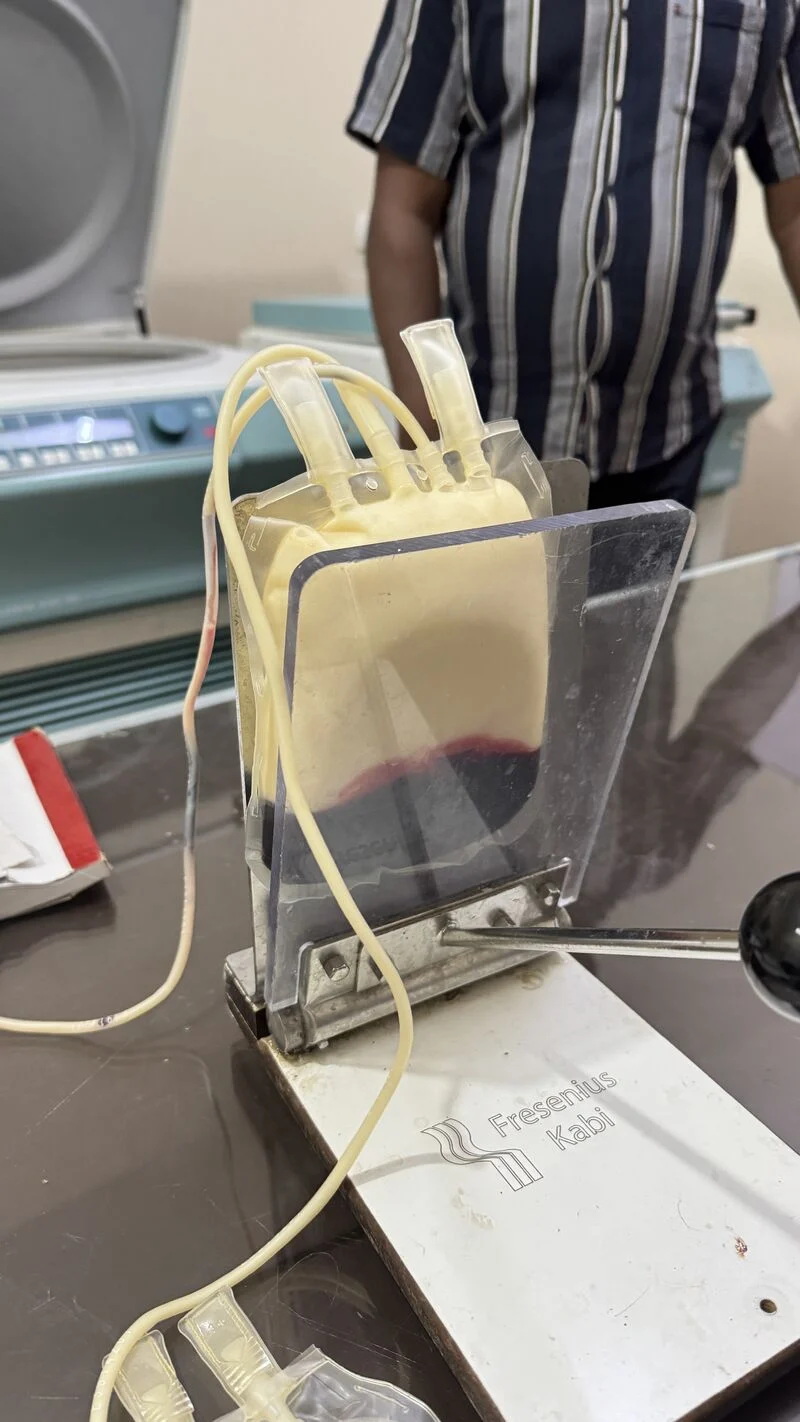
An automated Therapeutic Plasma Exchange (TPE) was initially attempted.
However, due to the extremely high triglyceride levels, the procedure could not be continued as the machine generated persistent alarms related to the lipemic plasma.
In Sri Lanka, Lipoprotein Apheresis (LA) using lipoadsorption columns is not currently available.
Therefore, our team proceeded with a manual plasma exchange, which allowed us to successfully remove the lipemic plasma and continue the therapeutic intervention.
This case highlights how clinical adaptability and teamwork are essential in transfusion medicine, particularly in settings where advanced apheresis technologies are limited.
Even with resource constraints, effective patient care can be achieved through thoughtful modification of available techniques.”
Stay updated with Hemostasis Today.
-
Sep 23, 2026, 16:04Monia Ezzalfani: Advancing Patient-Centered Care in Hemophilia A and B
-
Sep 23, 2026, 15:49Bilge Başak: How Activated PRP Modulates Osteoarthritic Chondrocyte Function
-
Sep 23, 2026, 14:50Mbonjo Bitsie Dora: Strengthening Sickle Cell Care Through Education, Awareness and Innovation
-
Sep 23, 2026, 13:58The New B12 Diagnostic Algorithm: From Serum Cobalamin to Functional Deficiency
-
Sep 23, 2026, 13:56Noha Soror: Preparing for Hematology and Medical Oncology Board Certification
-
Sep 23, 2026, 13:46Ugochi Ogu: What Can Platelet Proteomics Reveal about Pain and Neurocognitive Vulnerability in Sickle Cell Disease?
-
Sep 23, 2026, 13:42Melissa Hollo: Connecting Obesity and Anemia for Earlier Maternal Risk Intervention
-
Sep 23, 2026, 13:16Beverley Hunt: Advances in Haemostatic Management of Postpartum Haemorrhage
-
Sep 23, 2026, 13:13Ioanna Mela: Recruiting a Research Associate on DNA nanotechnology