

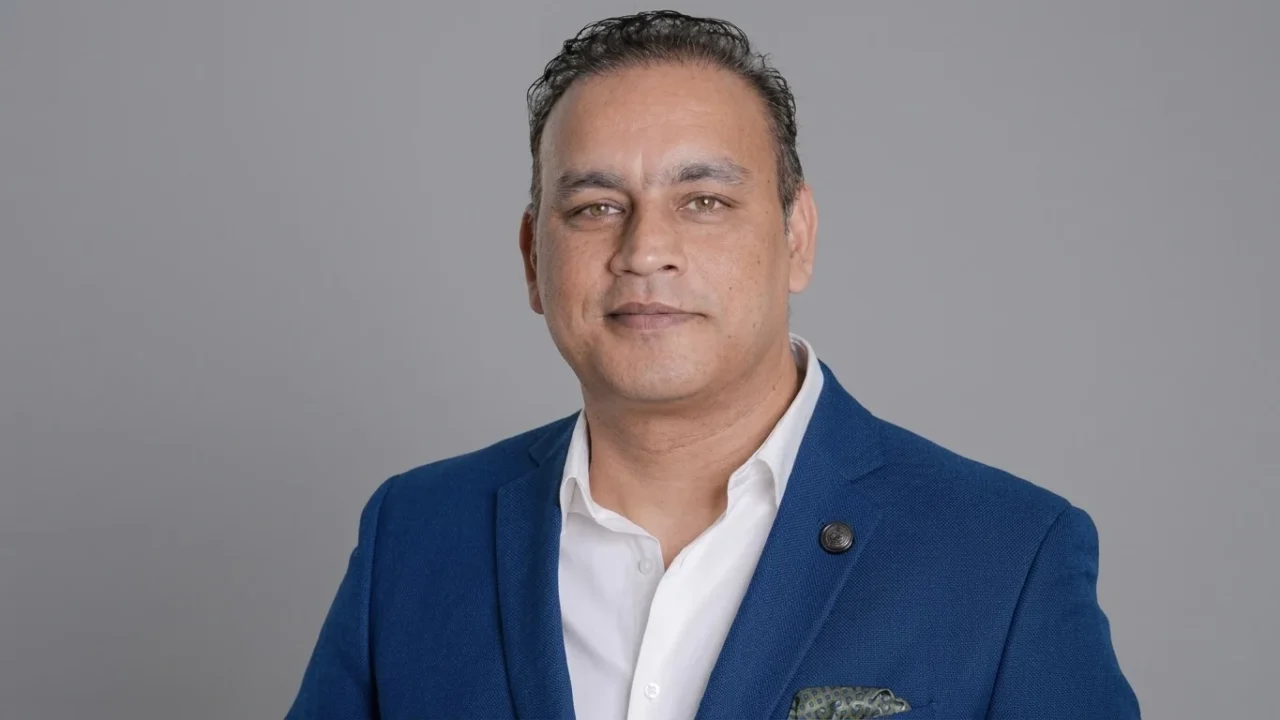
Amit Saraswat: The Role of Physiotherapy in Regaining Independence In Stroke Recovery
Amit Saraswat, Founder of Amit Saraswat Health ConsultanciesMember of BNI Champions, shared on LinkedIn:
”Stroke is a sudden brain injury that can lead to paralysis, speech difficulties, and loss of physical function.
It is one of the leading causes of long-term disability worldwide, affecting millions of people each year.
Recovery after stroke depends heavily on early and structured rehabilitation.
Among all rehabilitation approaches, physiotherapy plays a central role in helping individuals regain movement, function, and independence.
This article explains stroke, its causes and effects, and highlights the importance of physiotherapy in recovery supported by strong scientific evidence.
What is Stroke and Why Early Rehabilitation Matters
Stroke occurs when blood supply to the brain is interrupted, either due to a blockage (ischaemic stroke) or bleeding (haemorrhagic stroke).
When brain cells are deprived of oxygen, they begin to die within minutes, leading to loss of body function controlled by that area.
Globally, around 15 million people experience stroke each year, and approximately 5 million are left permanently disabled.
Stroke is not a condition that improves on its own early medical treatment followed by rehabilitation is essential.
International guidelines, including those from World Health Organization and National Institute for Health and Care Excellence, emphasize that rehabilitation should begin as soon as the patient is medically stable often within the first few days.
Early rehabilitation helps prevent complications such as muscle stiffness, weakness, and reduced mobility, while also improving long-term recovery outcomes.
Signs and After-Effects of Stroke
The symptoms of stroke typically appear suddenly and may include:
- Weakness or paralysis on one side of the body
- Facial drooping
- Difficulty speaking or understanding speech
- Loss of balance or coordination
- Vision disturbances
Even after emergency treatment, many individuals continue to experience long-term effects such as:
- Difficulty walking or standing
- Reduced strength and coordination
- Balance problems
- Fatigue and reduced endurance
- Loss of independence in daily activities
These challenges can significantly affect quality of life.
Without proper rehabilitation, inactivity can worsen these problems over time.
What Causes Stroke
Stroke can occur due to different underlying causes:
- Ischaemic Stroke (≈85%): Caused by a blood clot blocking an artery supplying the brain
- Haemorrhagic Stroke: Caused by rupture of a blood vessel leading to bleeding in the brain
Major risk factors include:
- High blood pressure (most significant risk factor)
- Diabetes
- High cholesterol
- Smoking
- Heart conditions such as atrial fibrillation
Although age increases risk, stroke can occur at any stage of life.
Regardless of the cause, the result is damage to brain tissue, leading to loss of movement, coordination, and function.
When to Start Physiotherapy
Physiotherapy should begin as early as possible after stroke, usually within the first 24–48 hours once the patient is medically stable.
Clinical guidelines recommend intensive, structured rehabilitation, often up to 45 mins to 1.5 hours per day depending on the patient’s condition.
Research shows that patients who receive early and consistent physiotherapy demonstrate better recovery in mobility and daily functioning compared to those with delayed or minimal rehabilitation.
Importantly, recovery is not limited to the early phase studies confirm that improvements can continue even months or years after stroke with appropriate physiotherapy support.
Why Physiotherapy is Essential After Stroke
Stroke affects the brain’s ability to control movement, but the brain also has the ability to adapt and reorganize itself a concept known as neuroplasticity.
Physiotherapy supports this process by encouraging movement and activity, helping the brain relearn lost functions.
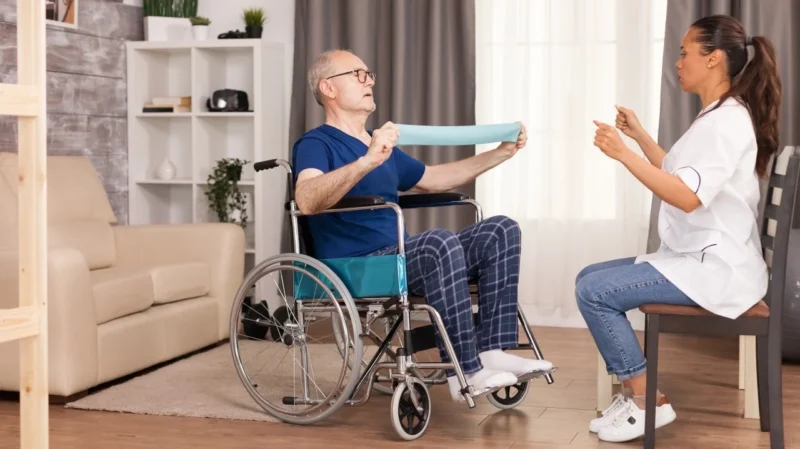
Physiotherapy is not simply about exercise it is a structured and individualized approach that focuses on restoring movement, improving strength, and enhancing overall function.
It plays a key role in helping individuals regain independence and return to daily life.
Benefits of Physiotherapy in Stroke Recovery
Scientific evidence and clinical guidelines consistently highlight the benefits of physiotherapy in stroke rehabilitation:
- Improved Mobility: Patients regain the ability to walk and move more independently
- Enhanced Daily Function: Better performance in everyday activities such as standing, dressing, and transferring
- Reduced Complications: Prevention of muscle stiffness, joint problems, and physical deconditioning
- Improved Balance and Safety: Lower risk of falls and injuries
- Better Quality of Life: Increased confidence, independence, and overall well-being
Studies show that individuals who receive structured physiotherapy achieve significantly better functional outcomes compared to those who do not receive adequate rehabilitation.
Evidence Shows Improvement
Scientific research strongly supports the role of physiotherapy in improving recovery, mobility, and independence after stroke.
The NICE guideline published in 2023 on stroke rehabilitation recommends intensive, needs-based physiotherapy as part of recovery, suggesting that structured rehabilitation significantly improves functional outcomes and independence in stroke survivors.
A World Health Organization (WHO) report published in 2023 states that early rehabilitation, including physiotherapy, plays a critical role in improving mobility, strength, and overall recovery once the patient is medically stable.
A Cochrane systematic review published in 2024 involving over 21,000 stroke patients found that physiotherapy-based rehabilitation improves daily activities, balance, and walking ability compared to no treatment, with additional therapy leading to greater improvements.
A meta-analysis conducted by Ferrarello et al. found that physiotherapy interventions significantly improve functional outcomes even in chronic stroke patients, challenging the belief that recovery plateaus after a certain time.
A review published in Frontiers in Neurology (2024) highlights that physiotherapy forms the foundation of stroke recovery, playing a central role in restoring movement and functional ability.
A report by the World Stroke Organization (2025) emphasizes that physiotherapy-based rehabilitation is essential for improving quality of life in stroke survivors.
Why Professional Guidance Matters
Recovery after stroke requires the right type of movement at the right time. Physiotherapy provides structured, safe, and progressive rehabilitation tailored to each individual’s condition.
Guidelines recommend that all stroke patients with movement difficulties should receive rehabilitation from trained professionals.
Physiotherapists monitor progress, ensure safety, and adapt rehabilitation based on recovery needs, helping patients achieve the best possible outcomes.
Take the First Step Towards Recovery
At PhysioVeda Medical Centre, we provide specialised stroke rehabilitation guided by experienced physiotherapists trained in neurological recovery.
We focus on:
- Individualised care plans
- Evidence-based rehabilitation
- Close coordination with medical teams
- Supportive and patient-centered approach
If you or a loved one is recovering from stroke, early physiotherapy can make a significant difference.
Taking the first step toward rehabilitation can improve recovery, restore independence, and enhance quality of life.
‘Recovery after stroke is possible with the right support physiotherapy plays a key role in that journey.’
References
[1] World Health Organization (WHO) – Stroke, Cerebrovascular Accident
[2] NICE Stroke Rehabilitation Guidelines (2023)
[3] WHO Stroke Fact Sheet
[4] WHO Stroke Care Report (2023)
[5] Ferrarello et al. – Physiotherapy Interventions After Stroke
[6] Cochrane Review – Stroke Rehabilitation
[7] Frontiers in Neurology – Stroke Rehabilitation Review (2024)”
Stay updated with Hemostasis Today.
-
Oct 2, 2026, 13:38Sathya-Prasad Burjonrappa: Pediatric Trauma and Deep Venous Thrombosis
-
Oct 2, 2026, 12:50Ravi C Dara: ADHAR 2026 – Red Cell Exchange in Sickle Cell Disease
-
Oct 2, 2026, 12:37David McIntosh: WeDonate Partners with Dr. Martens to Reward UK Blood Donors
-
Oct 2, 2026, 12:31Ahmed Salah El-Deen: HELLP Syndrome – An Obstetric Emergency
-
Oct 2, 2026, 12:28Swapnil Hiremath: Transitioning from Idiopathic Thrombocytopenia to Antiphospholipid Syndrome in Recurrent Severe Preeclampsia
-
Oct 2, 2026, 12:08Austin Camp: Learn How to Treat HIT from an ICU Pharmacist in 60 Seconds!
-
Oct 2, 2026, 12:02Fahad Laghari: Flow Diversion for a Cavernous Internal Carotid Artery Aneurysm
-
Oct 2, 2026, 12:02Archil Jaliashvili: Exploring BHOC as a Complementary Oxygen-Delivery Strategy
-
Oct 2, 2026, 11:57Cornelia Elena Predoi: Peri-Interventional Prophylactic Plasma Transfusion in Anaesthesia and Critical Care