

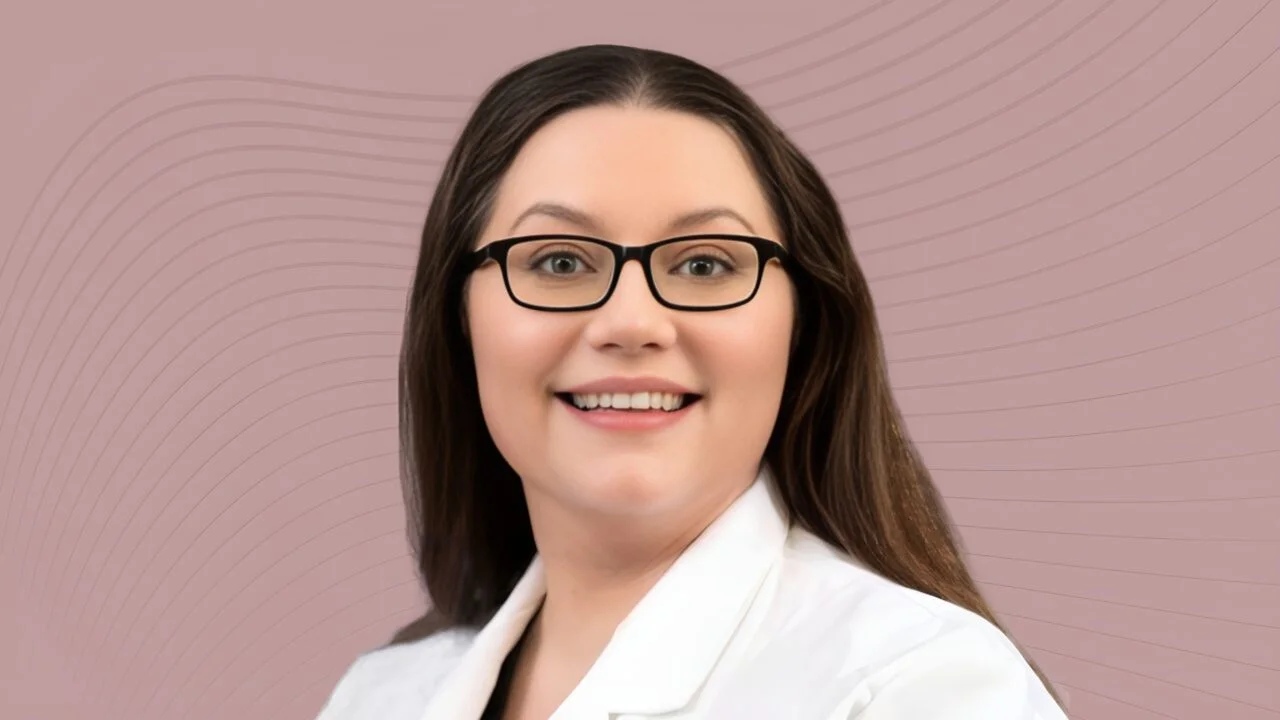
Caitlin Raymond: Most “Difficult Patients” Aren’t Difficult at All
Caitlin Raymond, Assistant Professor of Pathology and Transfusion Medicine at University of Wisconsin-Madison, shared on LinkedIn:
”We talk about “difficult patients” all the time in healthcare — but I’m increasingly convinced we’re labeling the wrong thing.
Two encounters made this hard to ignore:
• A wife described as “the meanest person I’ve ever met.”
In reality, her husband was paralyzed after a medical error and lying in the ICU. She wasn’t hostile — she was terrified, grieving, and fighting for someone she loved in a system that had started keeping her at arm’s length.
• An incarcerated sickle cell patient labeled with “behavioral issues.”
When I sat down, made eye contact, and actually listened, he was thoughtful, honest, and warm. The “behavior” dissolved the moment his humanity was acknowledged.
Neither of these people were “difficult.” They were reacting in completely understandable ways to trauma, fear, power imbalance, and — frankly — how they were being treated.
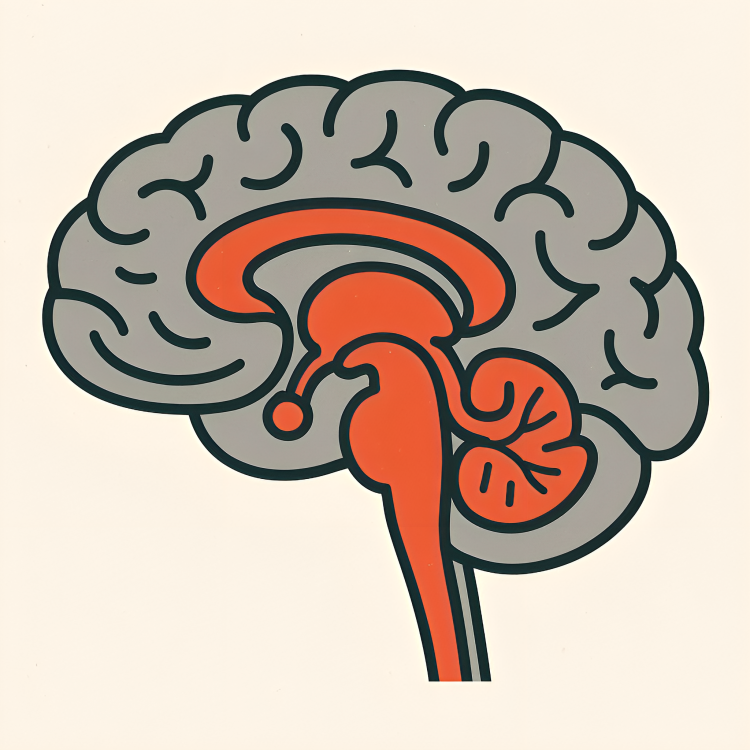
This is attribution bias in action: assuming behavior comes from personality instead of context. Neuroscience tells us most behavior in high-stress situations is driven by the limbic system, not stable traits. When people are overwhelmed, afraid, or unheard, their frontal lobes go offline. What we call “difficult” is often just neurobiology.
The problem isn’t the patient.
The problem is our interpretation.
When we shift from a fixed mindset (“they’re just like that”) to a growth mindset (“their behavior makes sense in this situation”), our interactions change. Outcomes change. Trust changes.
Most “difficult patients” aren’t difficult at all. They’re people navigating difficult circumstances.
Full piece here.”
Stay updated with Hemostasis Today.
-
Oct 12, 2026, 07:39Emmanuel J Favaloro: 100 Years of von Willebrand Disease and the Importance of Local Diagnosis and Management
-
Oct 12, 2026, 07:39Post-Stroke Fatigue Trajectories – 38% Recovered at 12 Months, While 16% Developed New Fatigue – International Journal of Stroke
-
Oct 12, 2026, 07:28Beth Sara: IBMS Specialist Portfolio Achievement and a New Role in Transfusion Practice
-
Oct 12, 2026, 07:28Abdul Mannan: PCC vs. aPCC – The Small ‘a’ That Changes Emergency Management
-
Oct 12, 2026, 07:20Mokhtar Tazik: Improving Access to Plasma Derived Medicines Through Awareness, Interest and Accessibility
-
Oct 12, 2026, 07:08Larissa Chastain: Partnering to Transform Anticoagulation Management Through INR Self-Testing
-
Oct 12, 2026, 06:57Saiful Islam: Laboratory Spot Check – Microcytic Anemias and The Thalassemia Spectrum
-
Oct 12, 2026, 06:45Nick Lenamon: Stroke Awareness at Any Age Recognizing the Signs and Acting FAST
-
Oct 12, 2026, 04:45Aparna Korisetty: Upper GI Bleeding and Severe Anemia Secondary to Duodenal NET