


Rola Fayad Shares Key Clinical Updates on Anemia in CKD from KDIGO 2026
Rola Fayad, Nephrologist at HHUMC, shared on LinkedIn:
‘‘KDIGO 2026 Anemia in CKD: Key Clinical Updates!
The new KDIGO 2026 Guideline for Anemia in CKD offers clearer definitions, more precise thresholds, and a more patient‑centered approach to anemia management.
As nephrologists, these updates help us deliver safer and more individualized care.
Definition and Screening:
– Anemia: Hb <12 g/dL (women), <13 g/dL (men).
– Screening:
• G3: yearly
• G4: twice yearly
• G5/dialysis: every 3 months
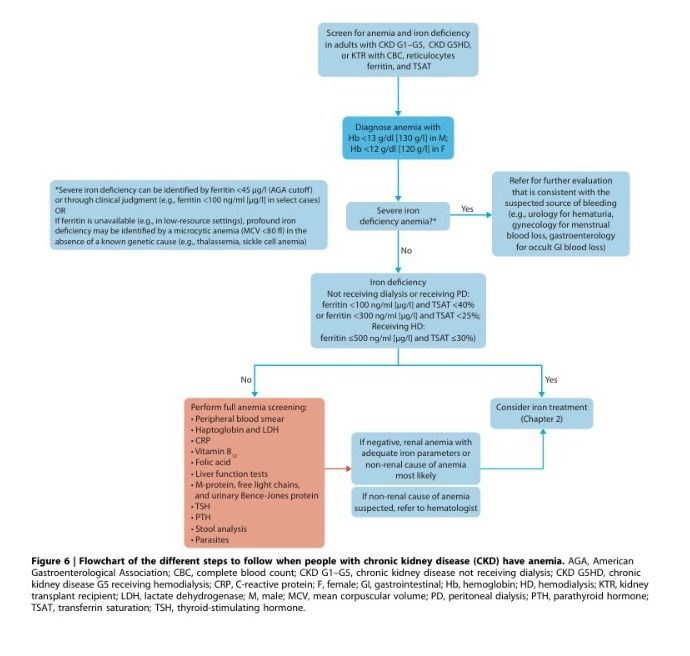
Initial tests: CBC, reticulocytes, ferritin, TSAT.
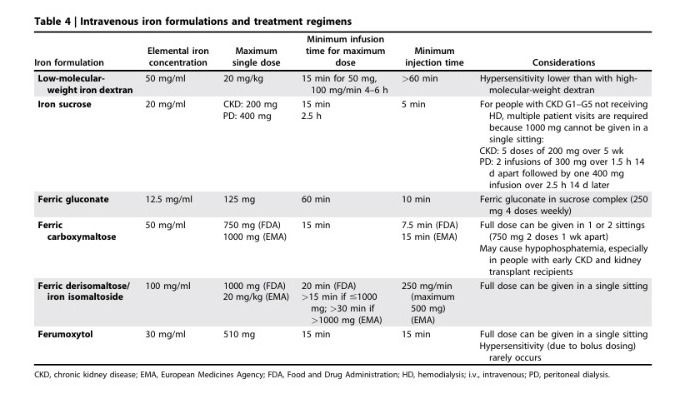
Updated Iron Concepts:
– Systemic iron deficiency: ferritin <100 ng/mL (ND) or <200 ng/mL (HD), TSAT <20%.
– Iron‑restricted erythropoiesis: ferritin >100–200 ng/mL with TSAT <20%.
When to Start Iron Therapy:
– Hemodialysis:
• Start IV iron if ferritin ≤500 ng/mL and TSAT ≤30%.
• Withhold if ferritin >700 ng/mL or TSAT ≥40%.
– Non‑dialysis CKD:
• Ferritin <100 and TSAT <40%, or
• Ferritin 100–300 and TSAT <25%
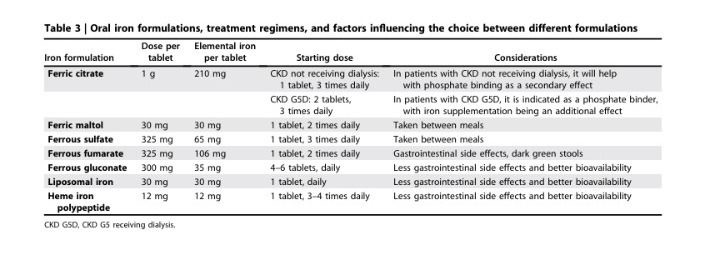
– Oral or IV based on tolerance and response.
– Hold iron during active infection.
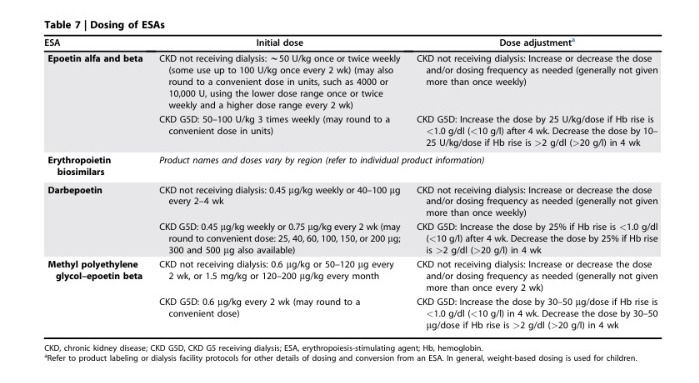
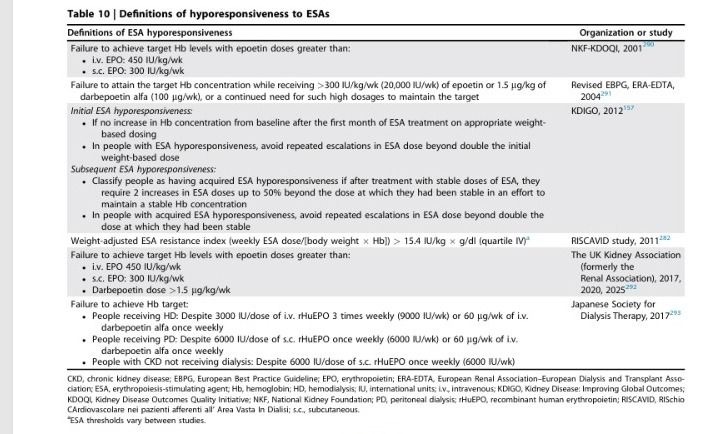
ESA Therapy:
– Dialysis: start when Hb ≤9–10 g/dL.
– Non‑dialysis: consider at Hb 8.5–10 g/dL based on symptoms.
– Do not maintain Hb ≥11.5 g/dL.
– Monitor Hb every 2–4 weeks.
– Suspend ESA during stroke or thrombosis; use caution in active malignancy.
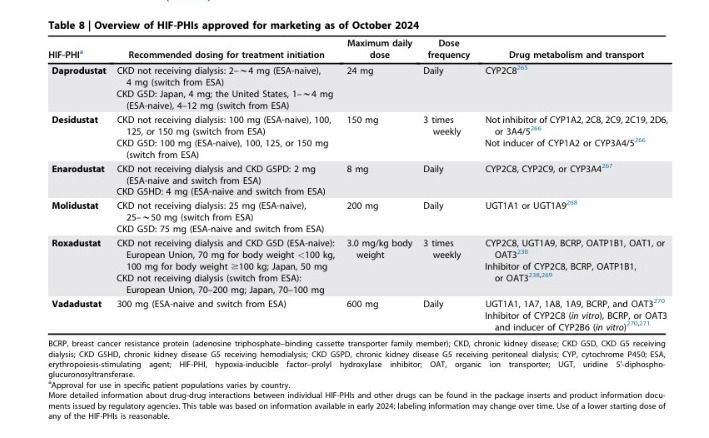
HIF‑PHIs:
– Option when ESA intolerance or hypo-responsiveness.
– Avoid in active malignancy, recent CV/thrombotic events, Pregnancy, Pulmonary hypertension, Proliferative retinal disease.
– Stop after 3–4 months if no response.
Transfusions:
– Reserved for acute or symptomatic or life‑threatening anemia.
-Avoid when possible in transplant candidates.
What I appreciate most about these guidelines is that they remind us of something essential: Anemia Management in CKD is not just about numbers it’s about people.
It’s about reducing fatigue, improving cognition, protecting the heart, and restoring dignity and quality of life.
These recommendations help us deliver care that is safer, more precise, and more compassionate.”
Stay updated with Hemostasis Today.
-
Sep 30, 2026, 15:58Bernhard Merget: New Frontiers in Thrombosis and Stroke Research
-
Sep 30, 2026, 15:39Ifeanyichukwu Ifechidere: The Molecular Orchestra of Primary Hemostasis
-
Sep 30, 2026, 15:28Reassessing the Benefit–Risk Balance of Extended Anticoagulation in Cancer Patients – ESC Working Group on Cardiovascular Pharmacotherapy
-
Sep 30, 2026, 15:07Chiranjeev Sharma: Targeting Factor XIa with the Synthetic Inhibitor SB-01
-
Sep 30, 2026, 14:41Bruna Gigante: Balancing Thrombosis and Bleeding in Cardiovascular Care
-
Sep 30, 2026, 14:13Ashok Choudhury: Portal Vein Thrombosis and Outcomes in Cirrhosis
-
Sep 30, 2026, 13:57Leslye Conde Bazán: When Conventional Imaging Is Not Enough – The Role of IVUS
-
Sep 30, 2026, 13:41Huda Salah Eldin: The Challenge of Balancing Antithrombotic Therapy After PCI
-
Sep 30, 2026, 13:29Abdus Salam: What Can CT Venography Reveal About the Veins?