

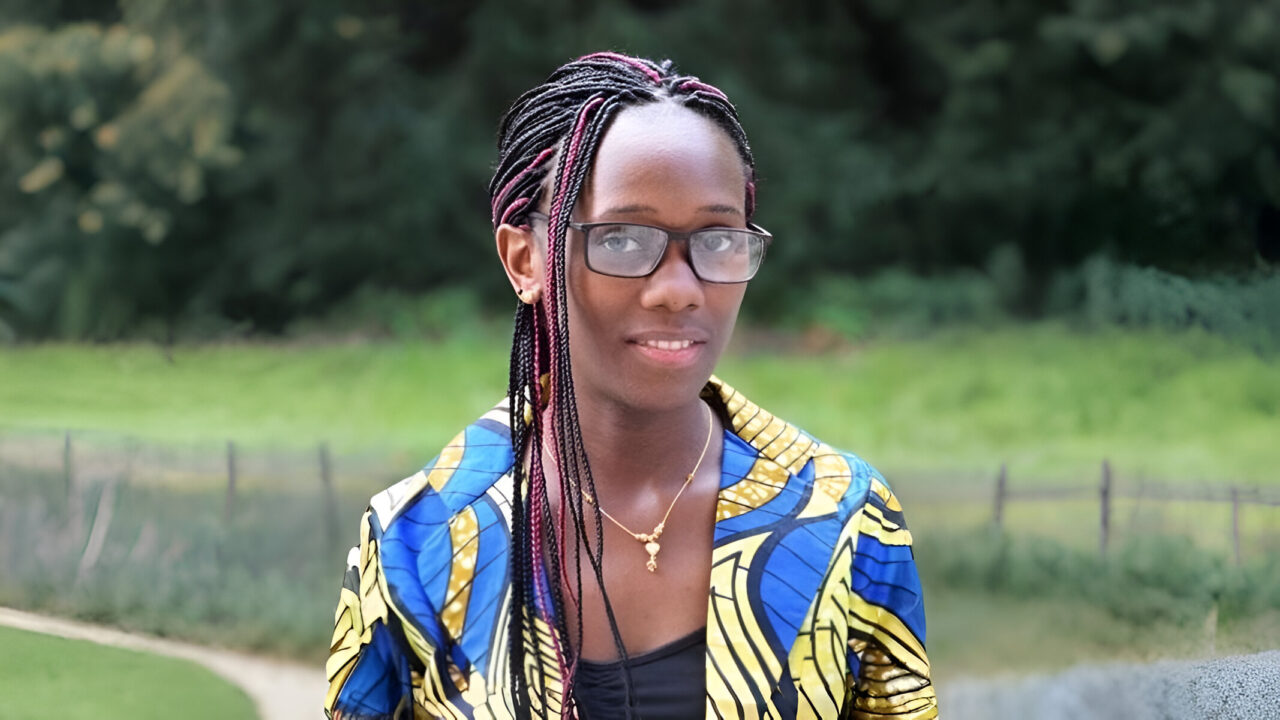
Sarah Matuja on Implementing Acute Stroke Services in Sub-Saharan Africa at WSC 2025
Sarah Matuja, Neurologist at Catholic University of Health and Allied sciences, shared on LinkedIn:
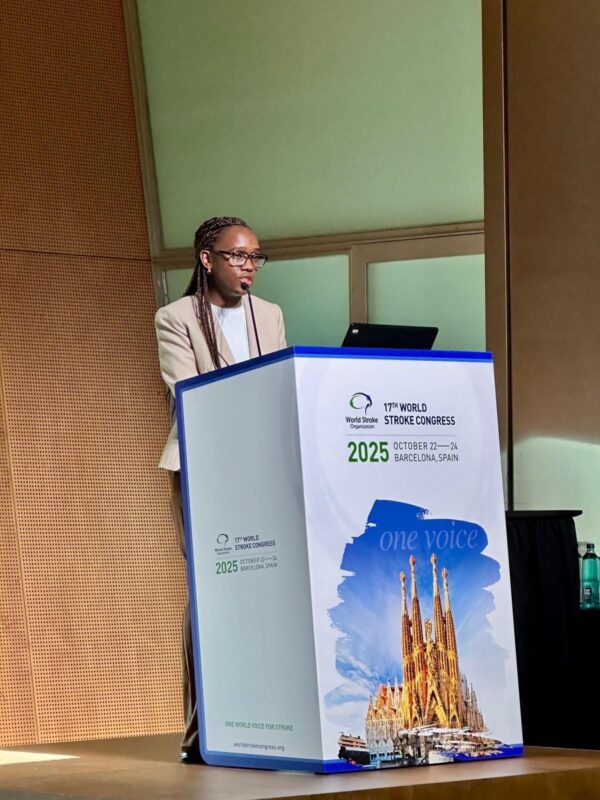
”Deeply honoured to present at the World Stroke Congress 2025!
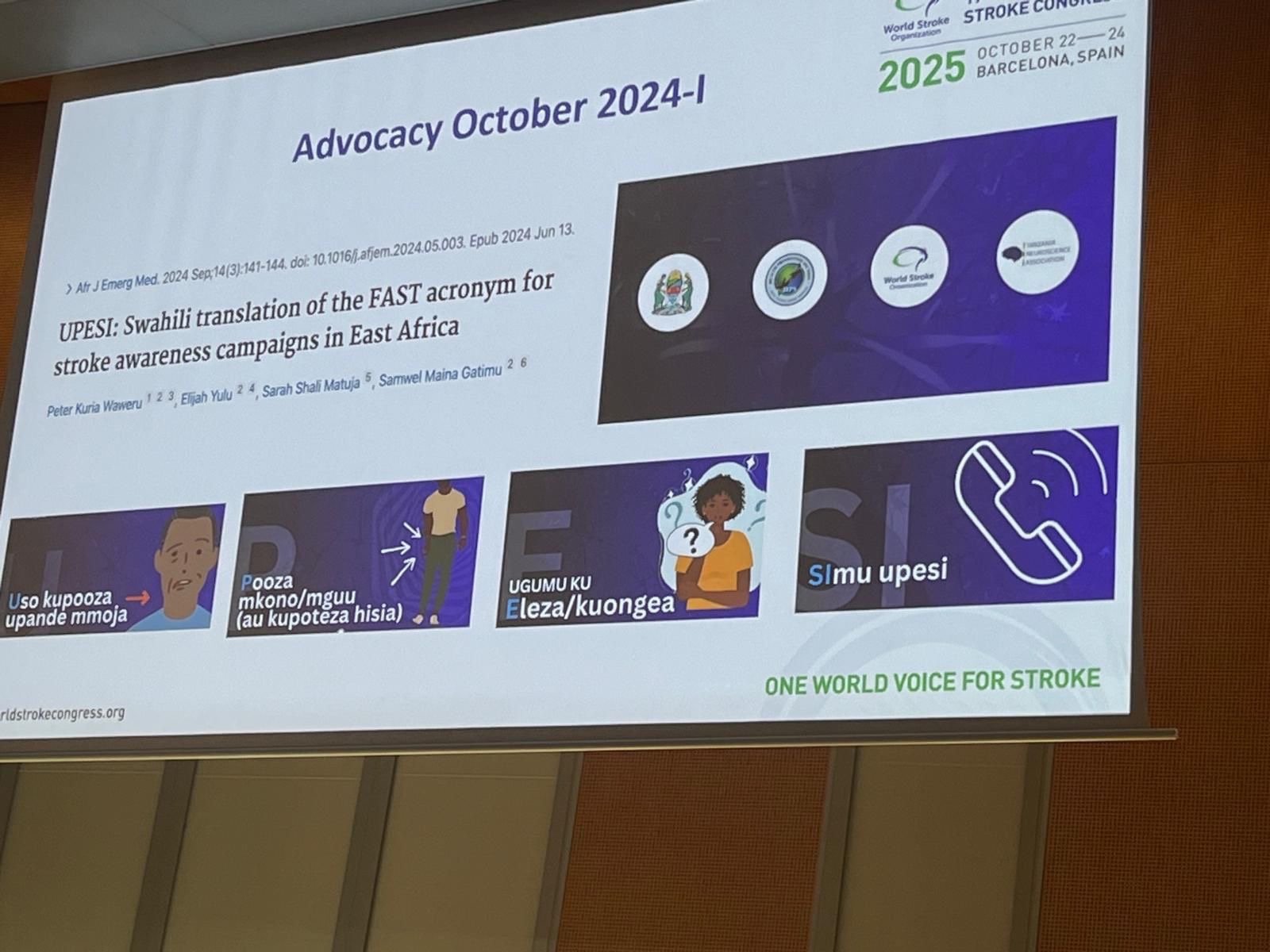
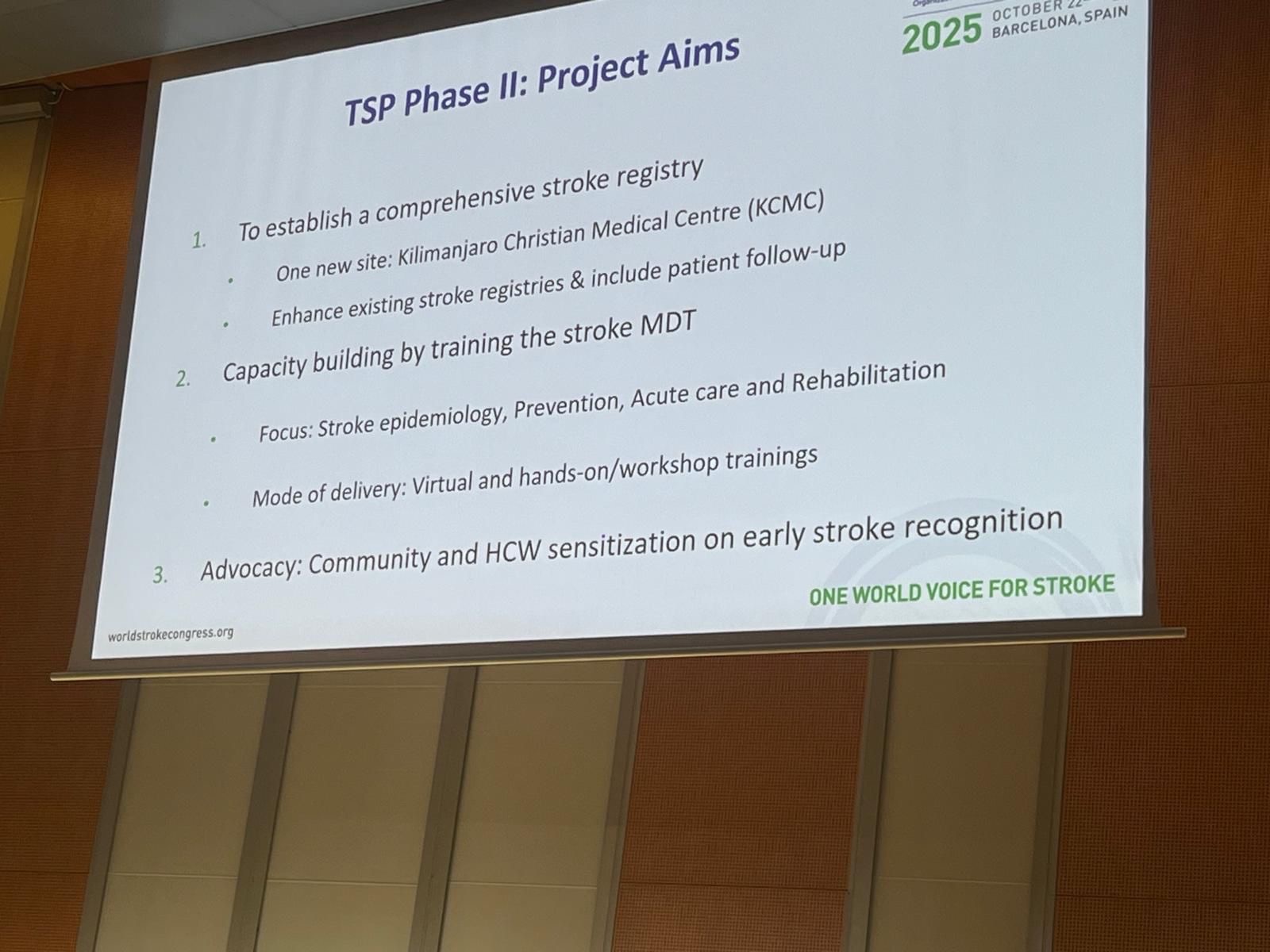
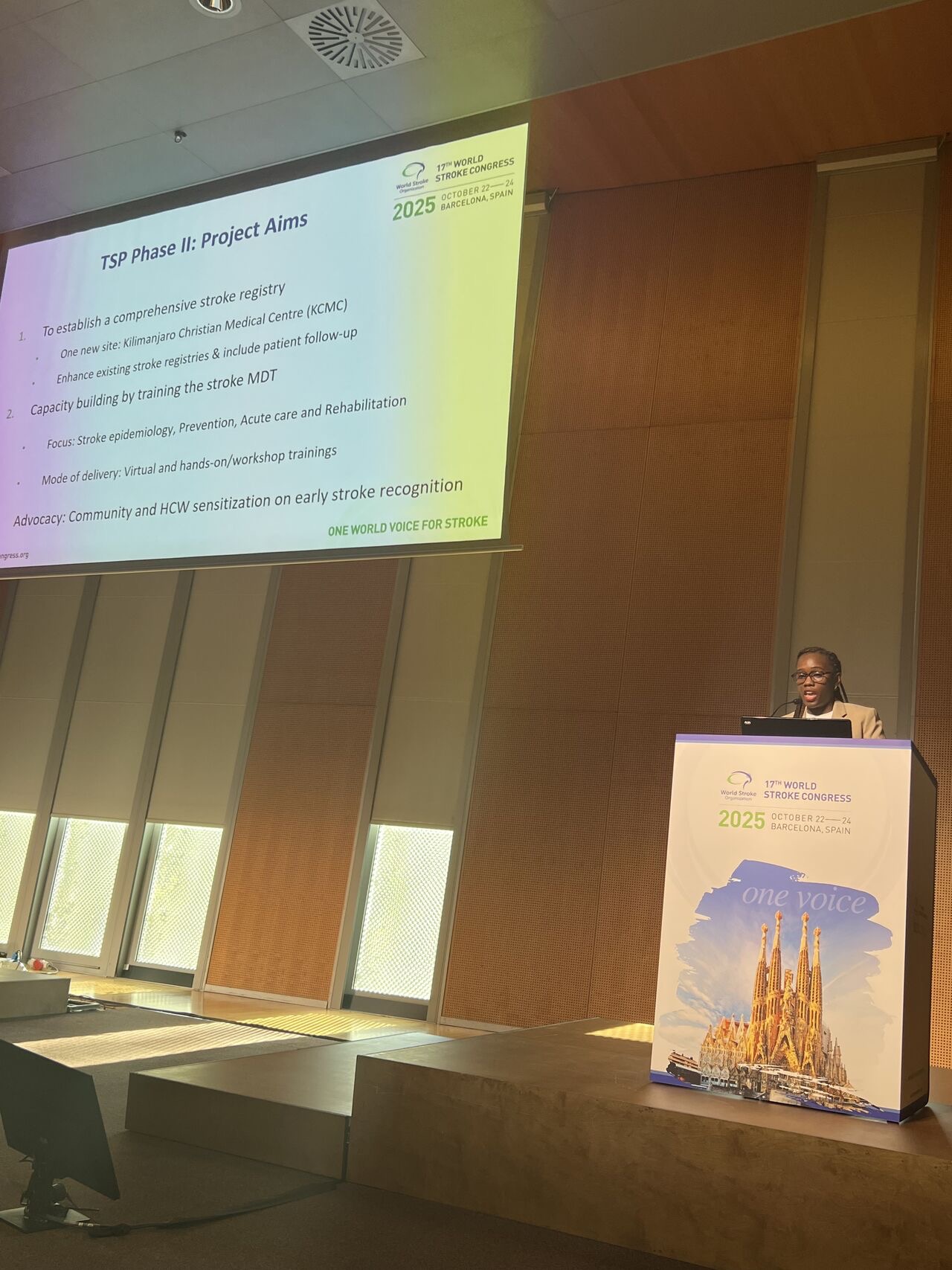
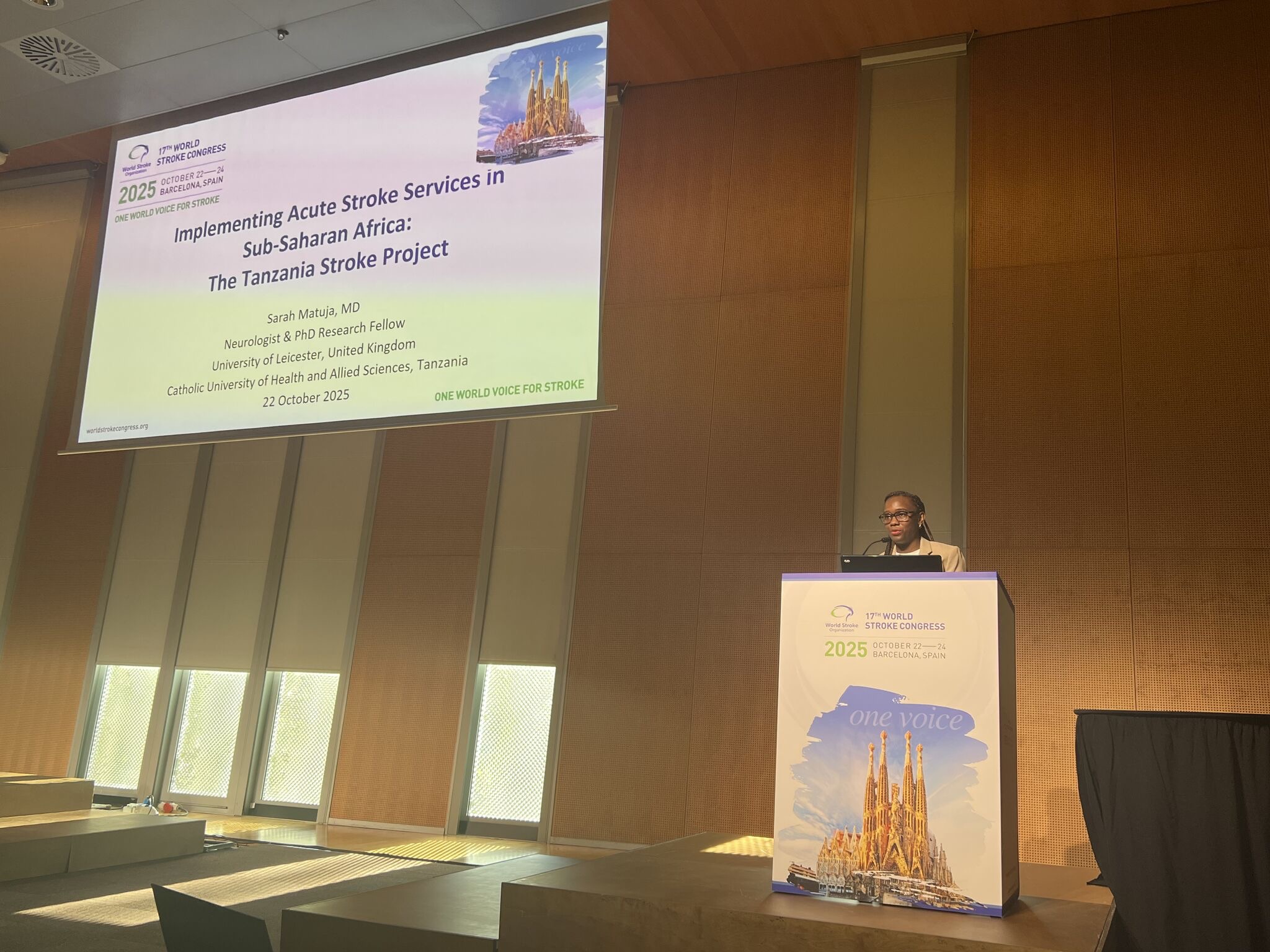
This week, I had the privilege of presenting “Implementing Acute Stroke Services in Sub-Saharan Africa: The Tanzania Stroke Project” at the World Stroke Congress (WSC 2025) – on behalf of the outstanding Tanzania Stroke Project (TSP) collaborators and partners driving this national effort.
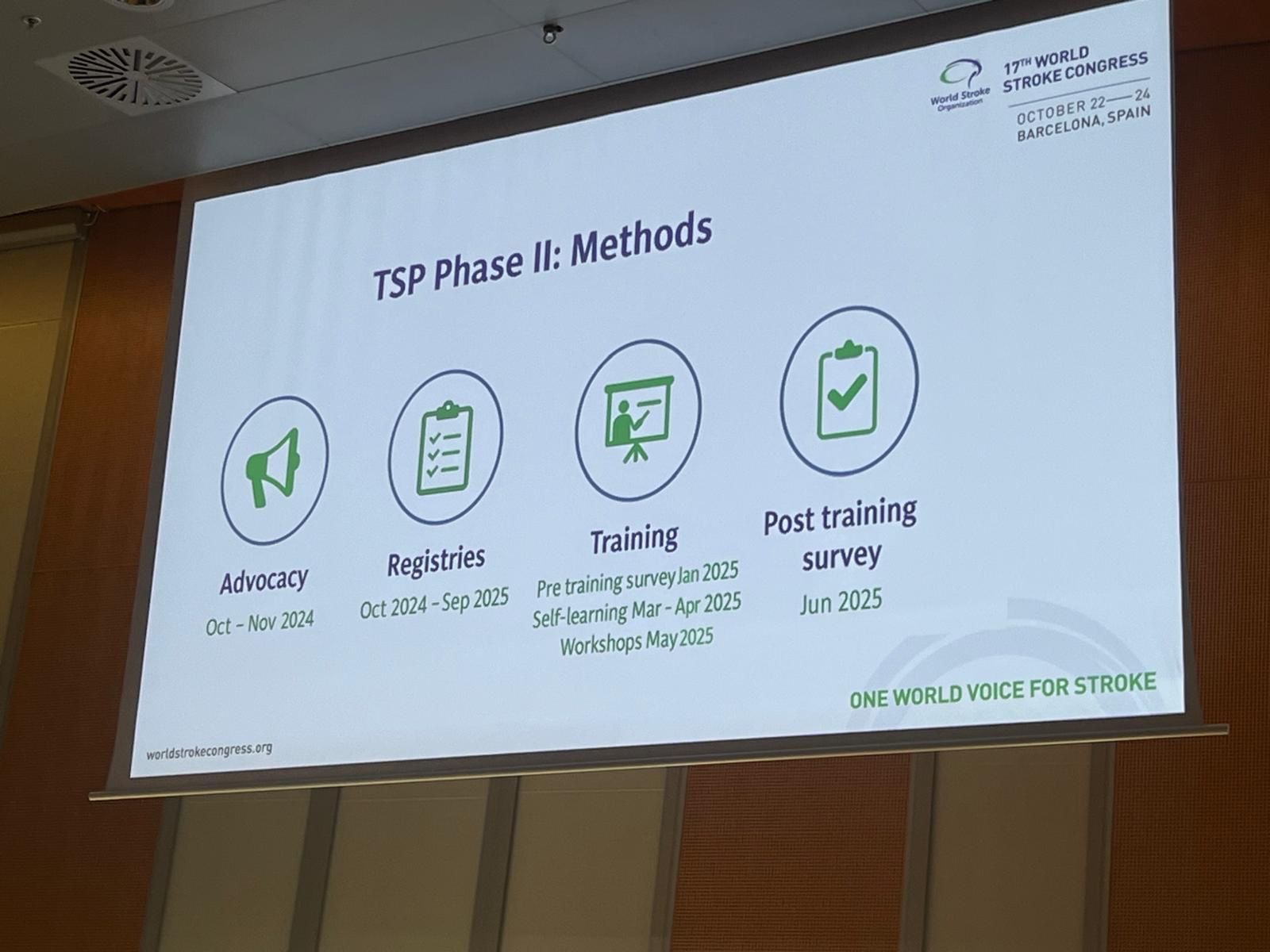
As National Lead, I was proud to share key updates and progress from Phase I to Phase II of the project, showing a remarkable increase in the number of patients treated, significant improvements in key process indicators, and the clear benefits of organised, structured care continuity within stroke unit pathways.
Importantly, Phase II marked a major step forward with the introduction and scaling of acute stroke therapies, including thrombolysis, alongside enhanced team training and protocol based care improving timely intervention and patient outcomes.
This phase also identified and addressed critical gaps in service delivery, reinforcing the need for ongoing collaboration, capacity building, and innovation to sustain and expand these gains.
It remains a work in progress, built on shared purpose and partnership.
Looking ahead, our vision is to scale up the TSP model nationally, embed stroke units within routine hospital care, strengthen data-driven decision-making, and foster regional collaborations to advance equitable, evidence-based stroke care across Sub-Saharan Africa.
Heartfelt thanks to the Tanzania Ministry of Health, Wizara ya Afya Tanzania for its leadership and continued support, the World Stroke Organization for its global partnership and mentorship, to Hospital Directorates at Muhimbili National Hospital, Bugando Medical Centre and Kilimanjaro Christian Medical Centre, to the amazing Tanzania Stroke Task Force and all our National and International collaborators for their tireless dedication and team work.
Together, we are showing that structured, data-driven, and timely stroke care saves lives and that sustainable, high-quality systems are achievable everywhere!!”
Stay updated with Hemostasis Today.
-
Sep 29, 2026, 11:03Zain Khalpey: SINGLE AF Adds New Evidence to the Anticoagulation Debate
-
Sep 29, 2026, 10:54How Does Haemophilia Affect Motor Development in Infants? – EAHAD
-
Sep 29, 2026, 10:49Alison Davey: The Vital Role of Community Support in Bleeding Disorders
-
Sep 29, 2026, 10:36Abdul Muqtadir Abbasi: 5 Questions to Ask When the CBC Is Abnormal
-
Sep 29, 2026, 10:28Manu Morales Sánchez: DOACs in Intermediate Risk Atrial Fibrillation
-
Sep 29, 2026, 09:59William Sauer: Ablation in Patients With LAAO Devices
-
Sep 29, 2026, 03:53Nahrwan Masaoodi: Iron Deficiency Can Exist Without Anemia
-
Sep 29, 2026, 03:38Muhammad Yousaf: Iron Deficiency Beyond Diet
-
Sep 29, 2026, 03:21Parvez Ahmed Chowdhury: Synthesizing Aspirin in the Organic Chemistry Lab