


Alejandro González Veliz: SCO May Be One of the Most Misunderstood Areas in Interventional Cardiology
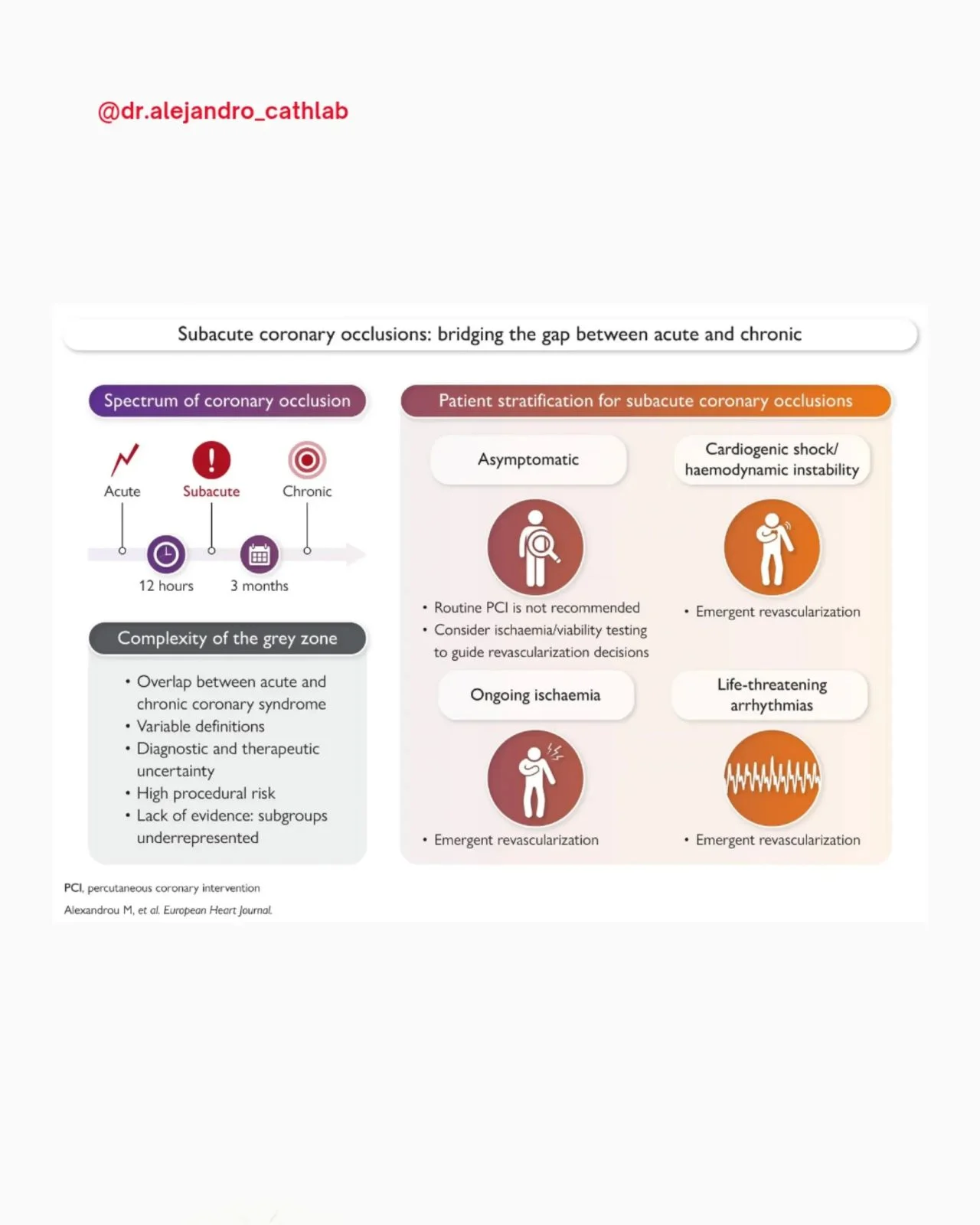
Alejandro González Veliz, Interventional Cardiologist at Institute of Cardiology and Cardiovascular Surgery, shared a post on LinkedIn about recent article by Michaella Alexandrou et al., published in European Heart Journal, adding:
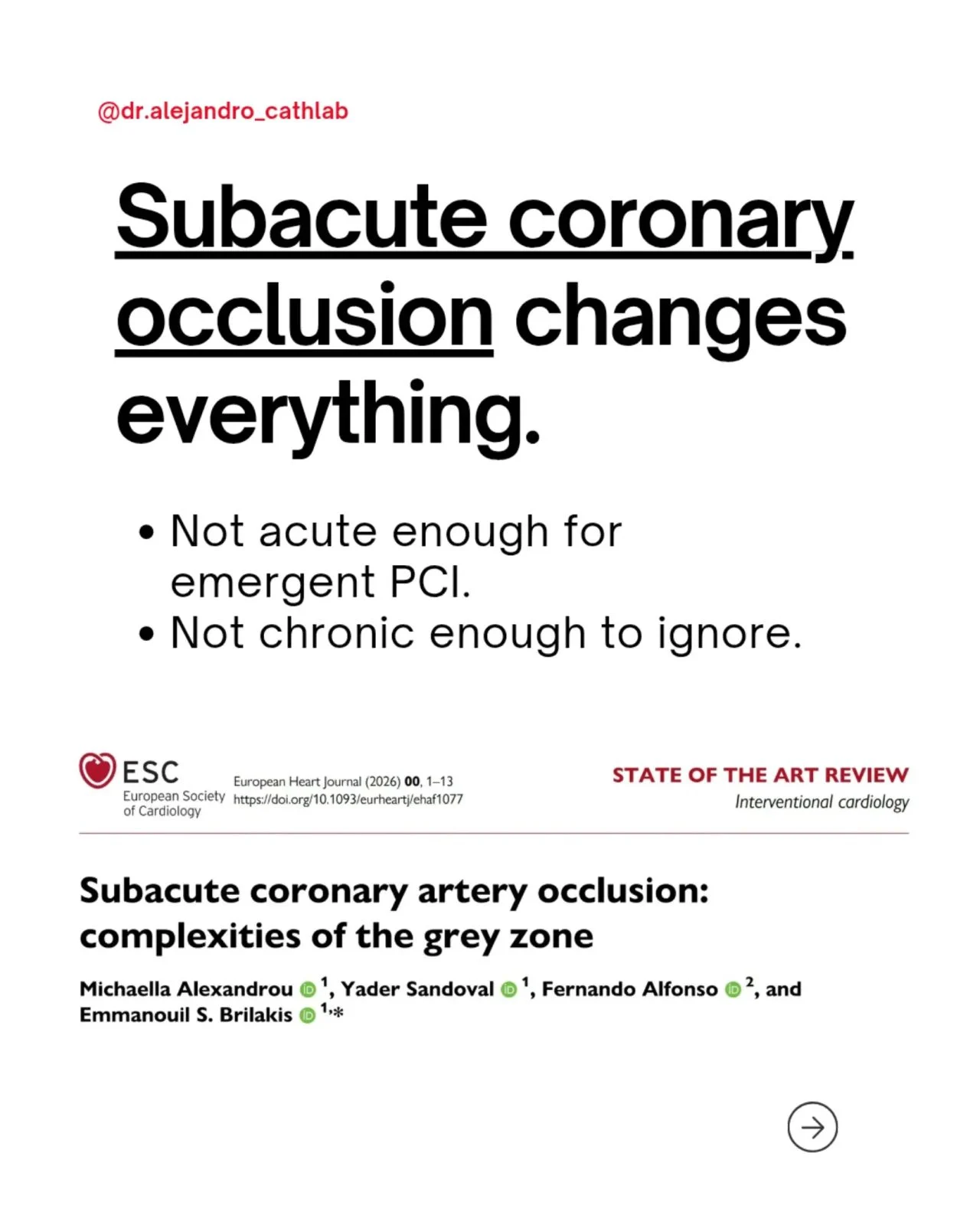
“Subacute coronary occlusion (SCO) may be one of the most misunderstood areas in interventional cardiology.
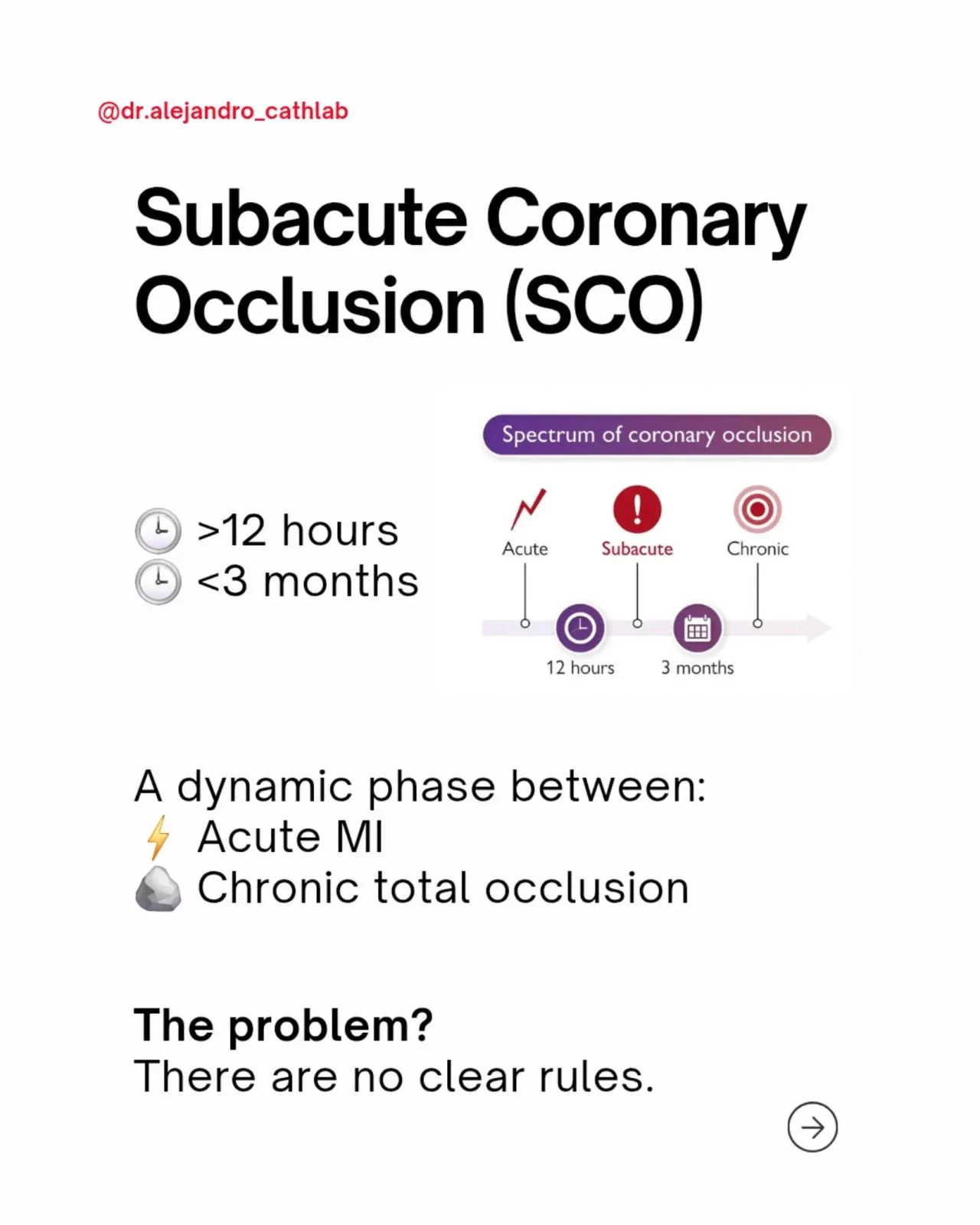
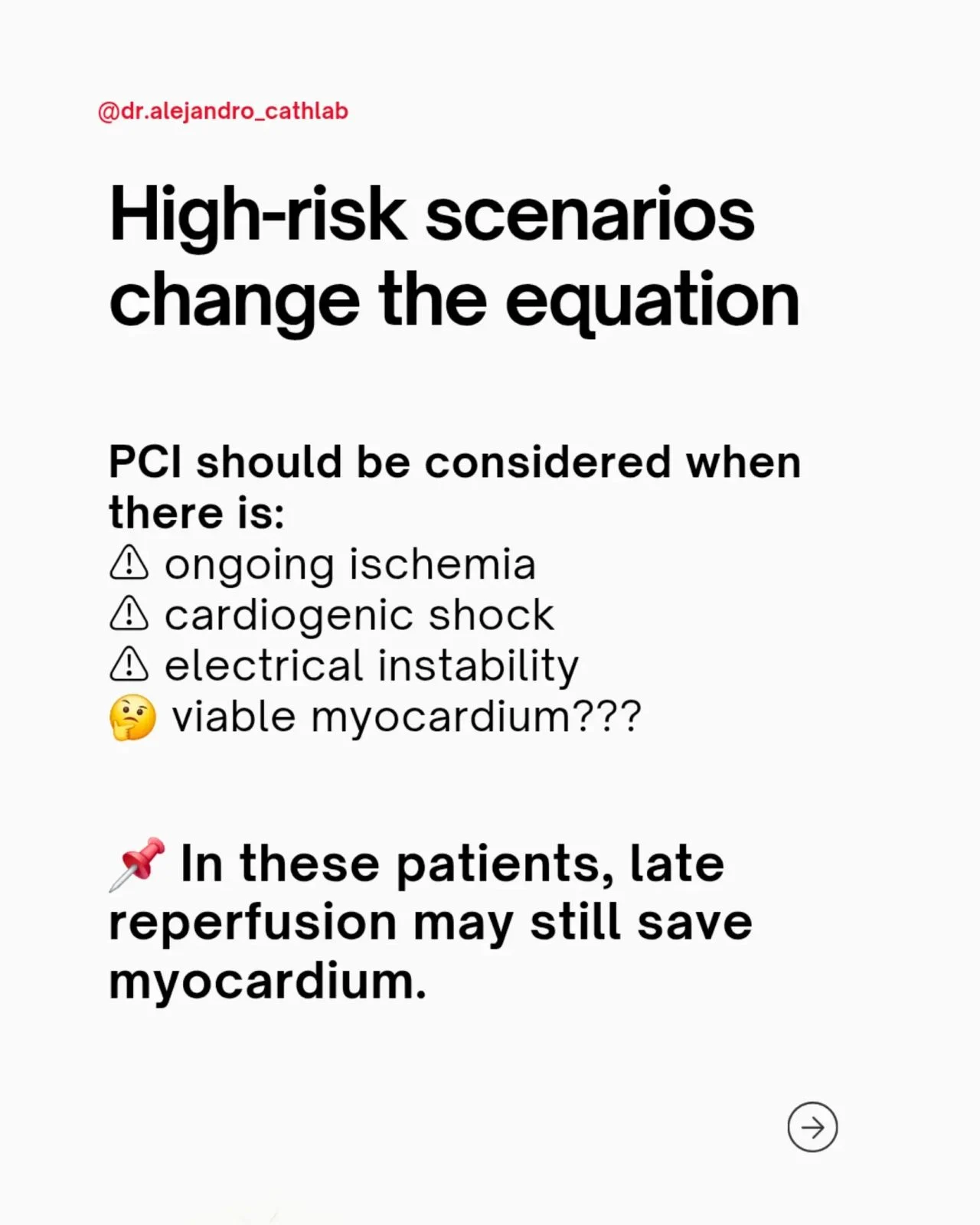
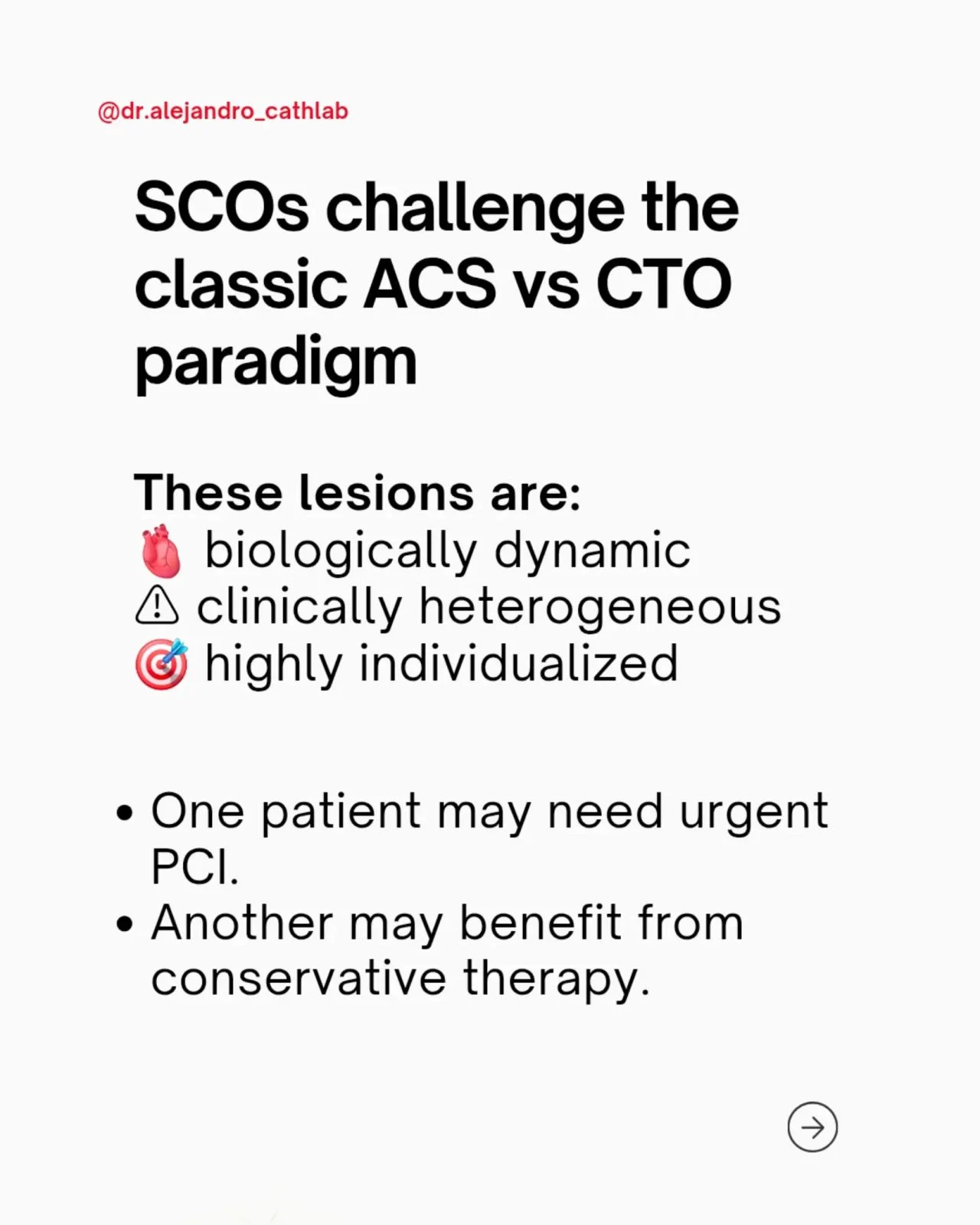
These patients exist in the space between acute STEMI and chronic total occlusion:not unstable enough for automatic emergent PCI…but not truly ‘stable’ either.
The challenge?
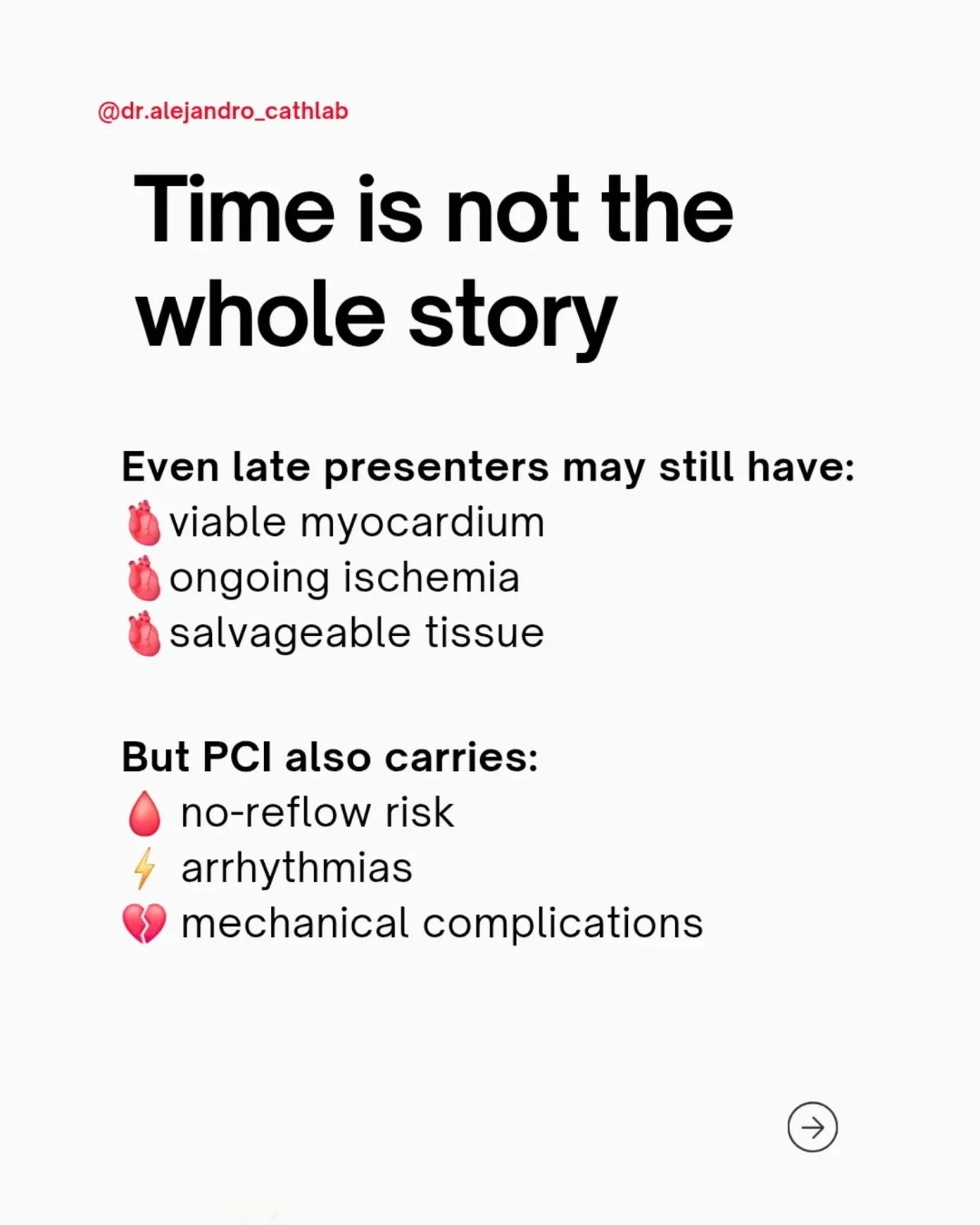
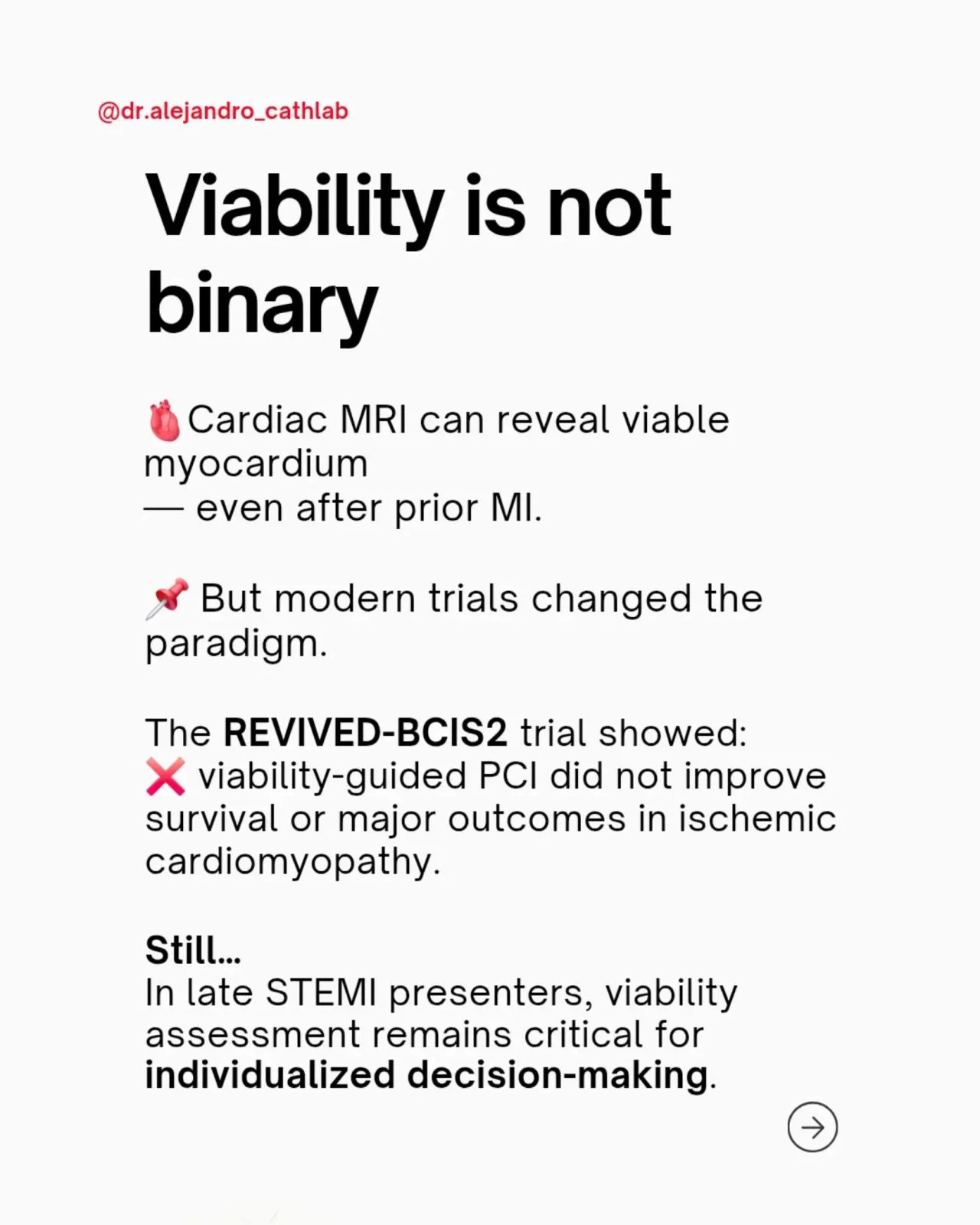
The myocardium may still be viable.
Ischemia may still be ongoing.
But procedural risks also increase significantly.
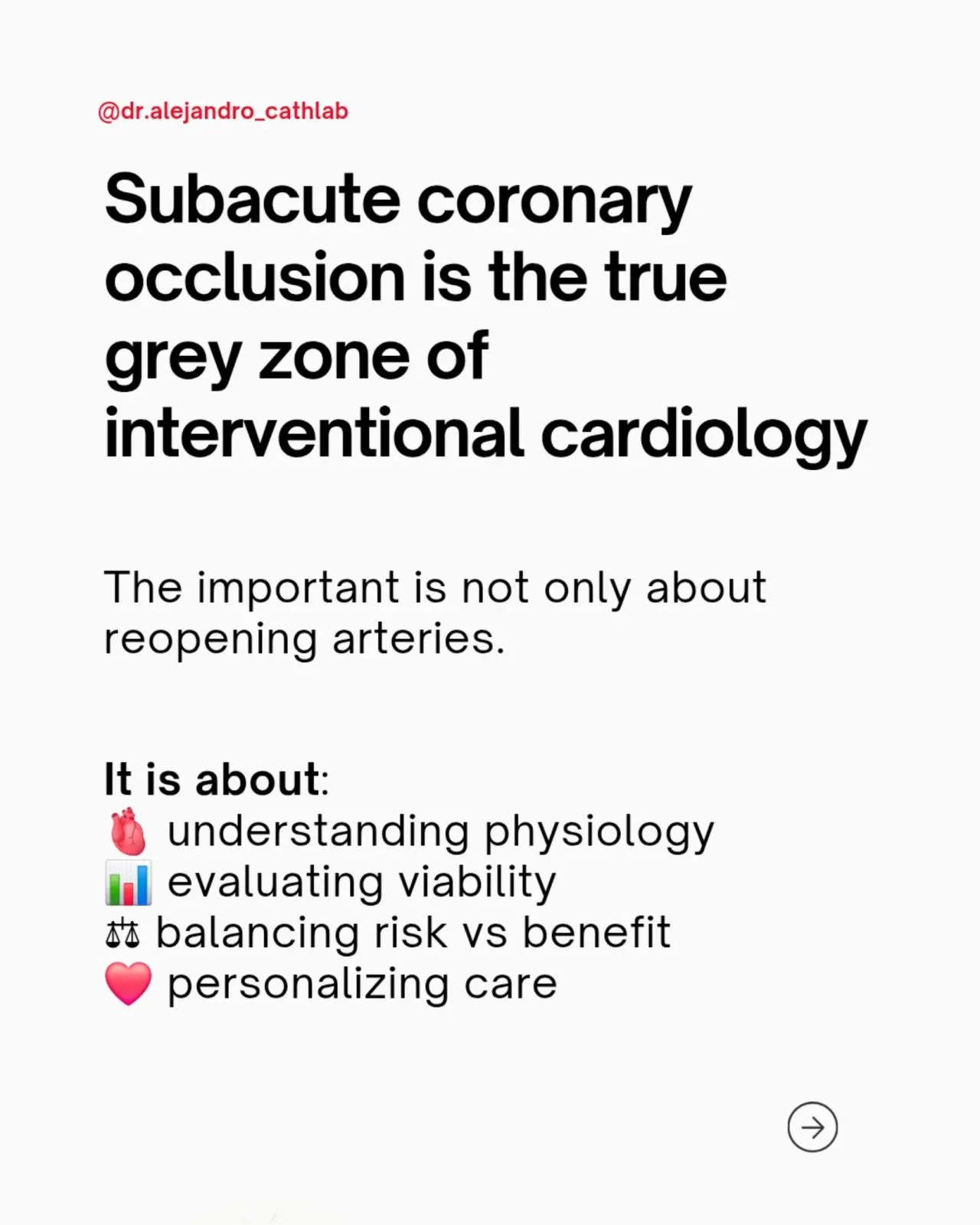
This is where physiology becomes more important than the clock.
Modern decision-making increasingly depends on:
- Myocardial viability
- Ongoing ischemia
- Residual coronary flow
- Hemodynamic stability
- Individualized risk-benefit assessment
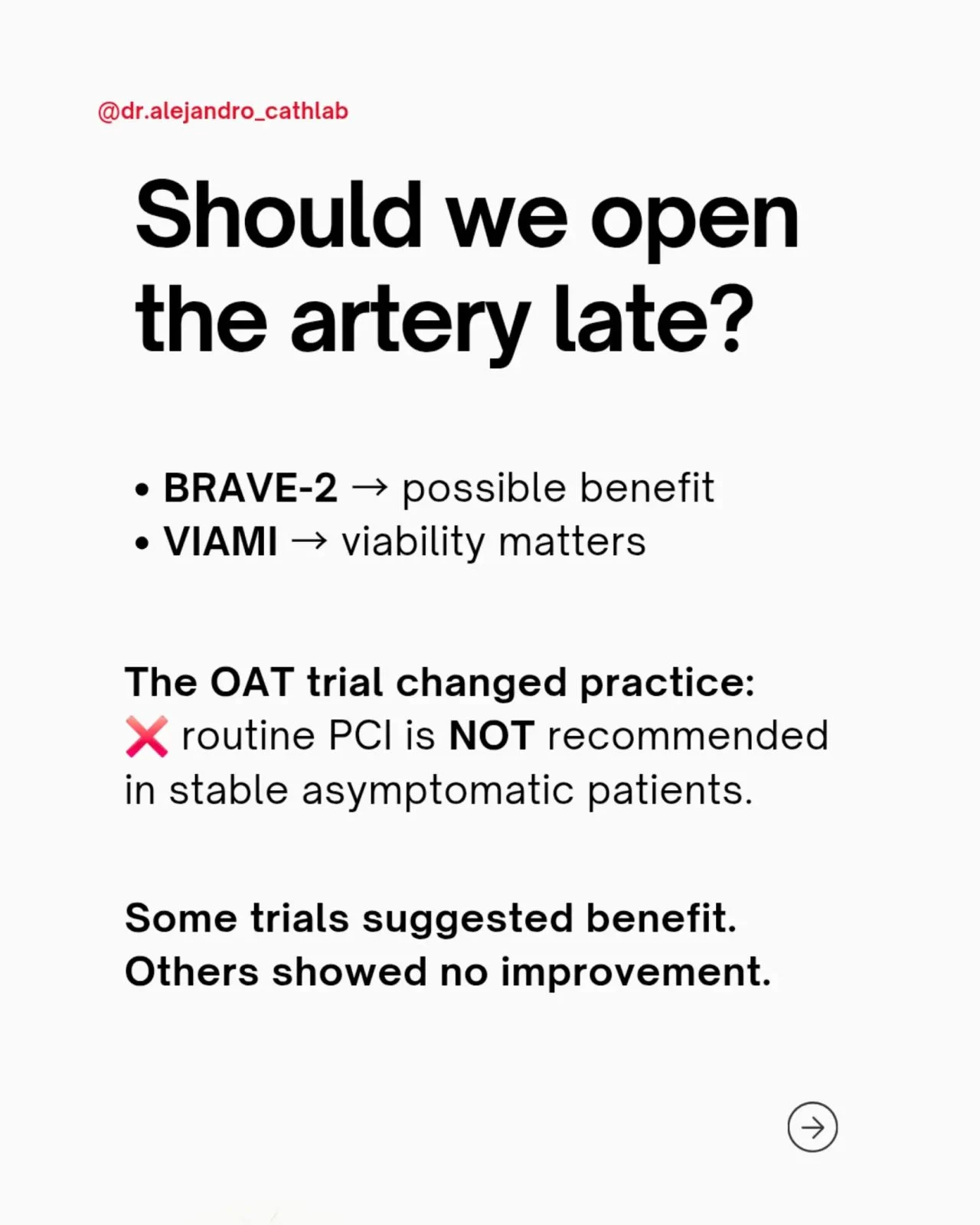
The classic binary model:
‘open immediately’ vs ‘treat medically’ is no longer enough.
Subacute coronary occlusions represent the true grey zone of coronary intervention.”

Stay updated on all scientific advances with Hemostasis Today.
-
Oct 19, 2026, 03:54Jennifer Trowbridge: How Mutant Blood Stem Cells Use Inflammation to Drive Their Own Expansion
-
Oct 19, 2026, 03:39Wyenona Hicks: Catching Up With Old Friends and New Colleagues at AABB 2026
-
Oct 19, 2026, 03:33Developing a Non-Invasive Treatment for Life-Threatening PE – University of Michigan College of Engineering
-
Oct 19, 2026, 03:28Jim Hoffman: How NETs Contribute to Gallstone Formation and Growth
-
Oct 19, 2026, 03:28Nicolas Hubacz: The Organized Chaos of Mitochondria
-
Oct 19, 2026, 03:02Neda Horvacki: Using ROTEM to Refine Transfusion Decisions in Acute Trauma
-
Oct 19, 2026, 02:45Diego Escarraman Martinez: MATTERs Study – When a Cohort Gave Us Major Clues about TXA in Trauma
-
Oct 19, 2026, 02:35Brian O Mahony: Promoting Physical Activity and Sport in Haemophilia Care
-
Oct 19, 2026, 02:35Malusi Mtetwa: Tranexamic Acid – What Does the Evidence Tell Us?