

Alejandro González Veliz: Can Plaque-Guided PCI Prevent Myocardial Infarction?
Alejandro González Veliz, Interventional Cardiologist at Institute of Cardiology and Cardiovascular Surgery, shared a post on LinkedIn about recent article by Seung-Jung Park et al., published in The Lancet, adding:
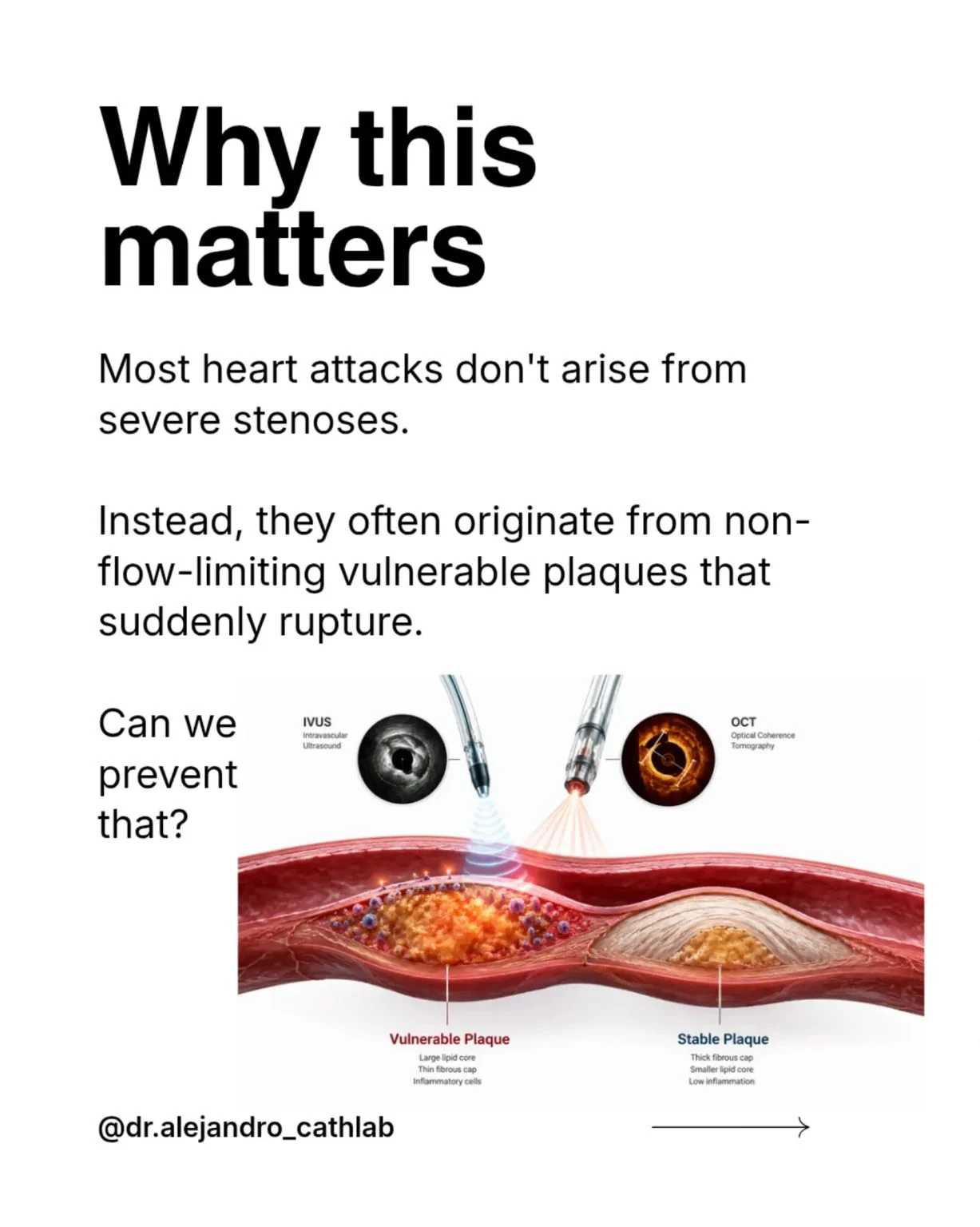
“Can we prevent myocardial infarction by treating vulnerable plaques before they rupture?
For decades, PCI has been guided primarily by ischemia. The PREVENT trial challenges that paradigm by asking a different question: should we intervene on non-flow-limiting but high-risk plaques identified by intracoronary imaging?
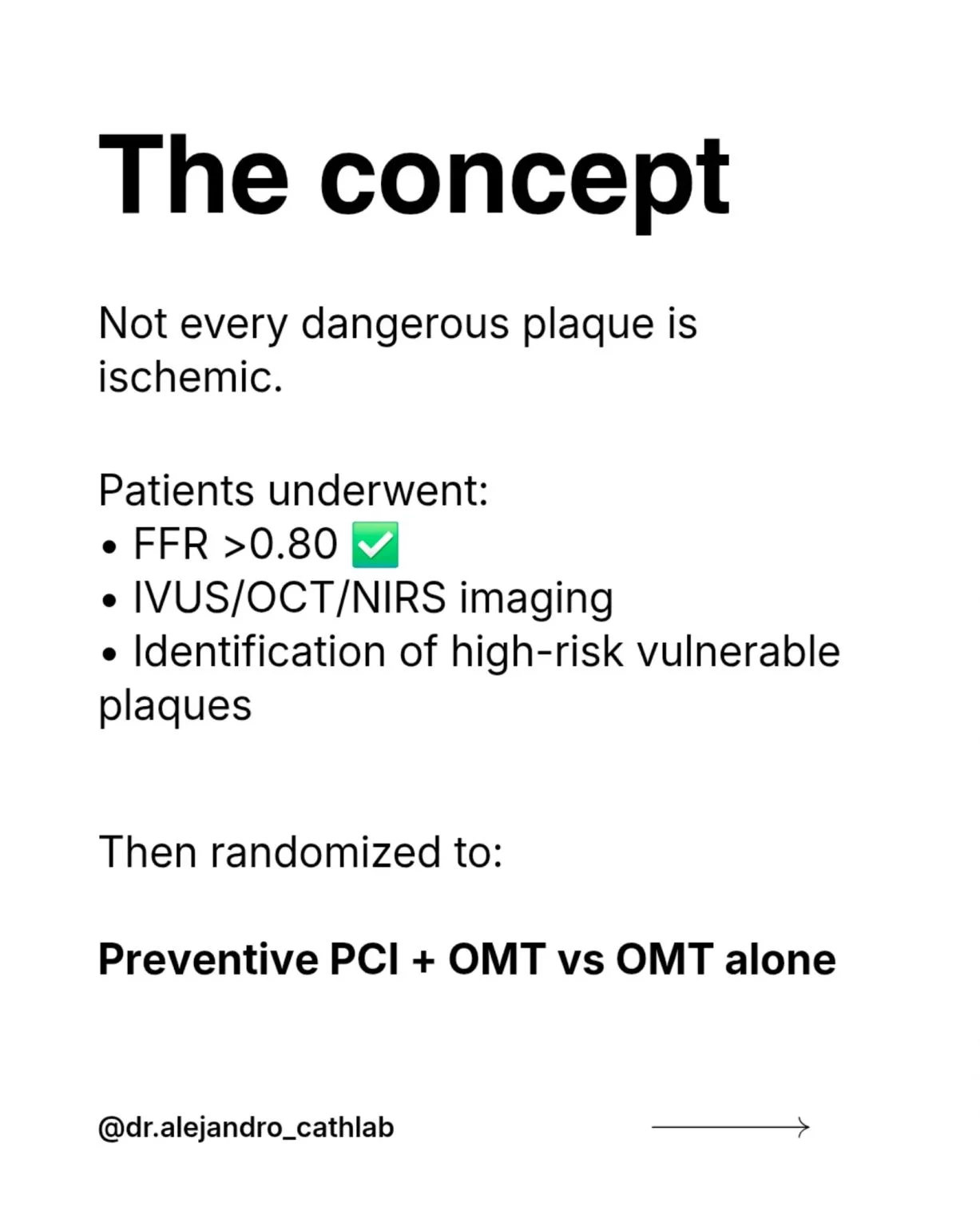
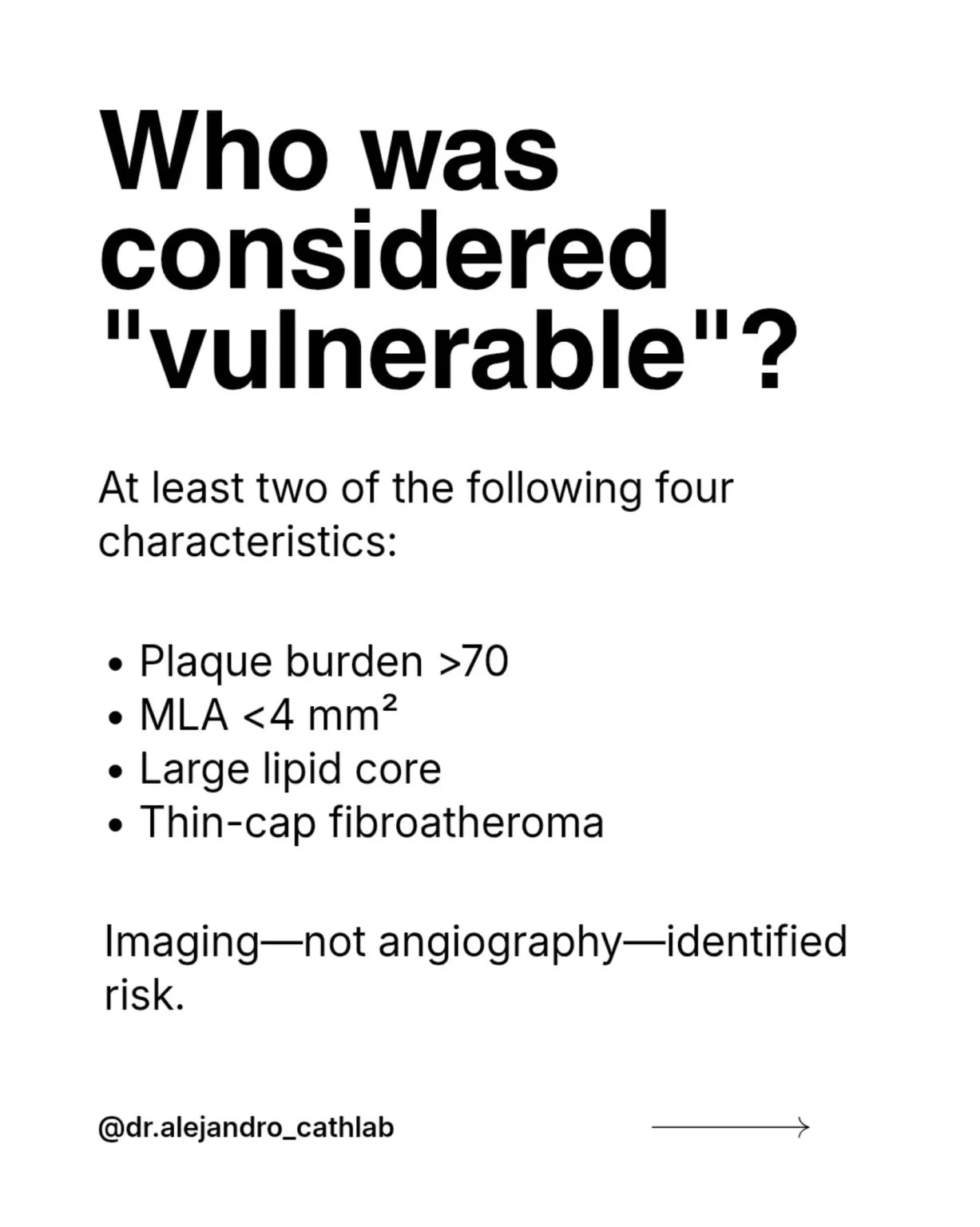
In this multicenter randomized trial, patients with FFR >0.80 and imaging-defined vulnerable plaques (identified by IVUS, OCT, or NIRS) were assigned to preventive PCI plus optimal medical therapy or optimal medical therapy alone.
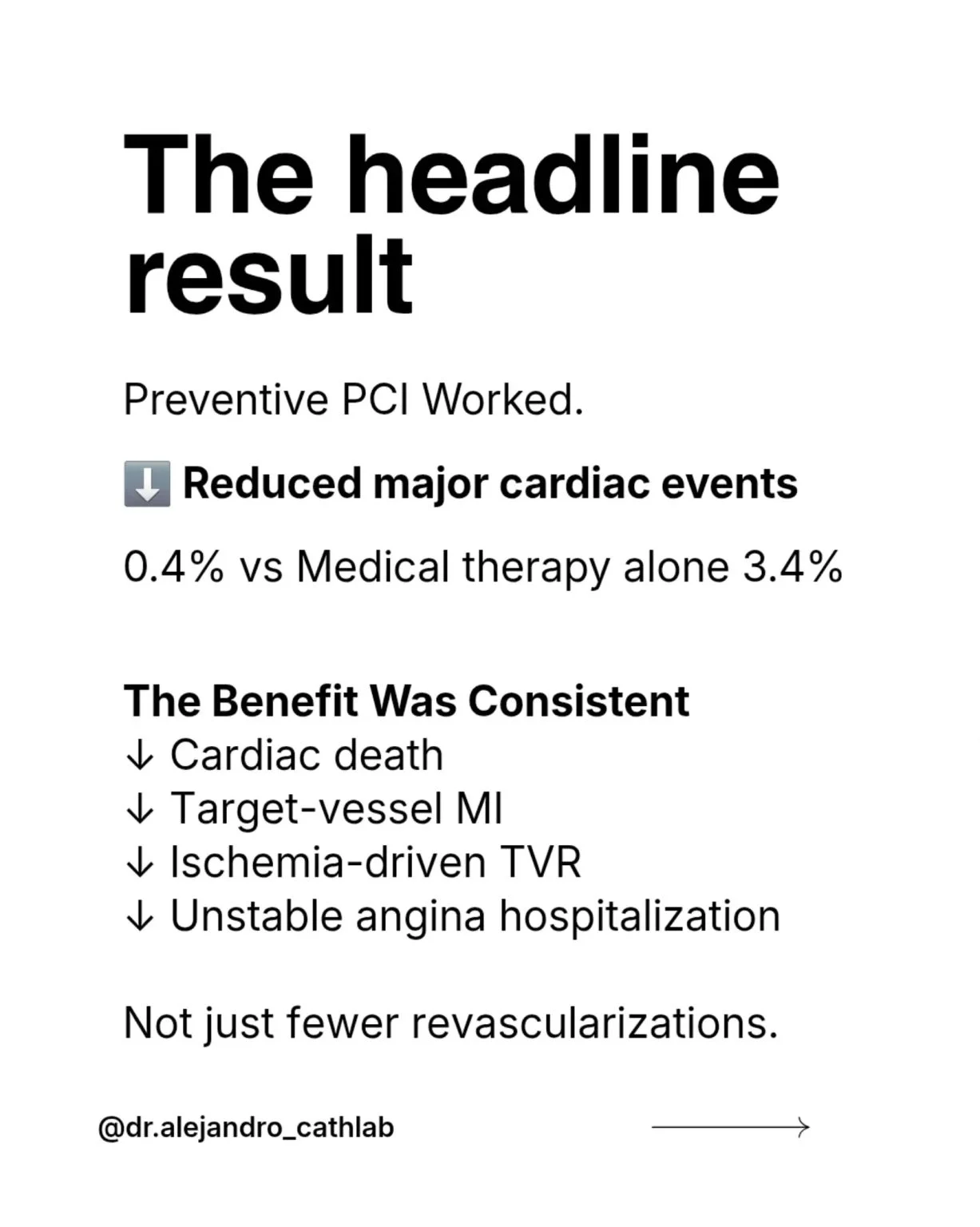
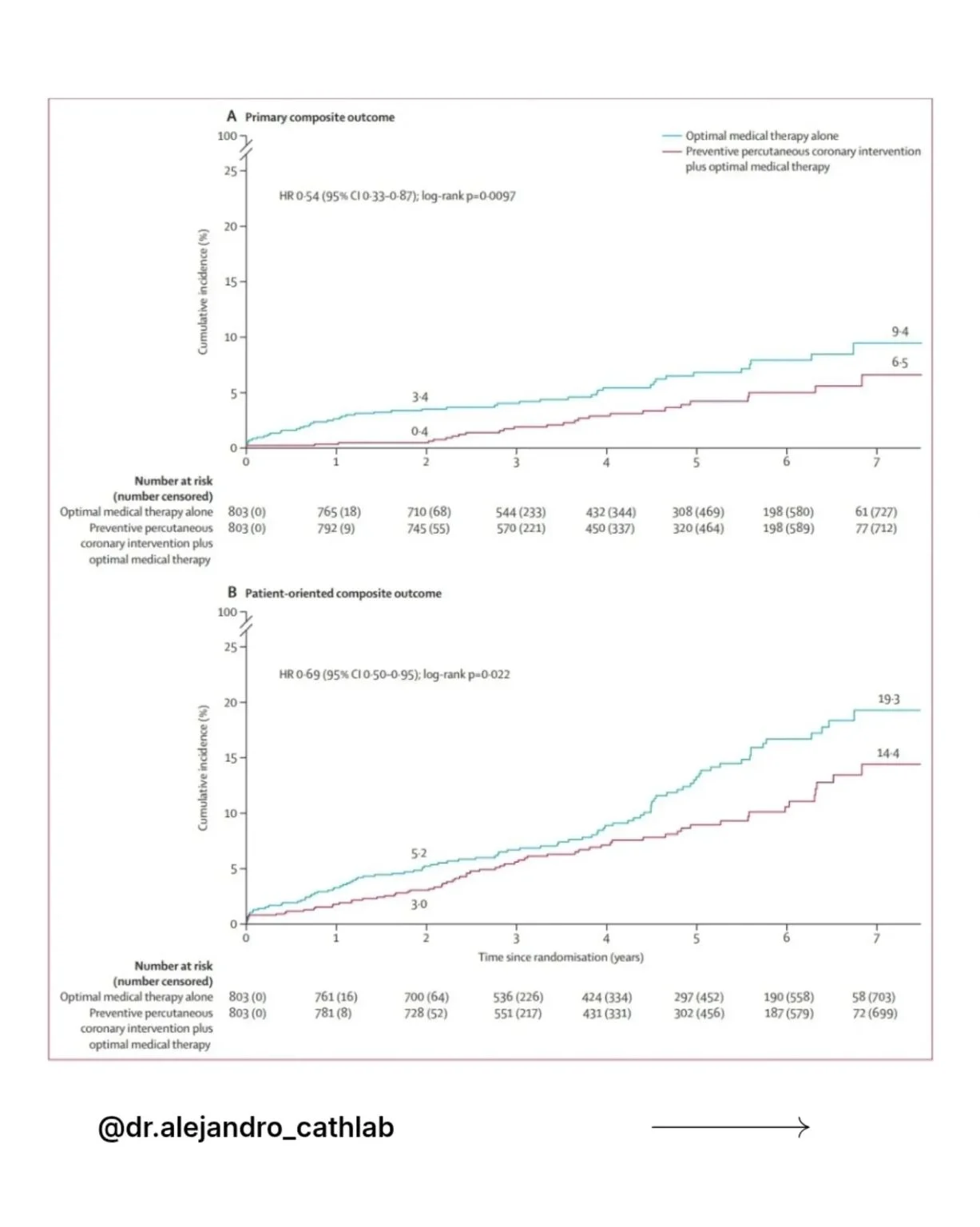
Patients in the PCI group experienced a significantly lower rate of the primary composite endpoint at 2 years (0.4% vs 3.4%), with benefits that remained evident during long-term follow-up.
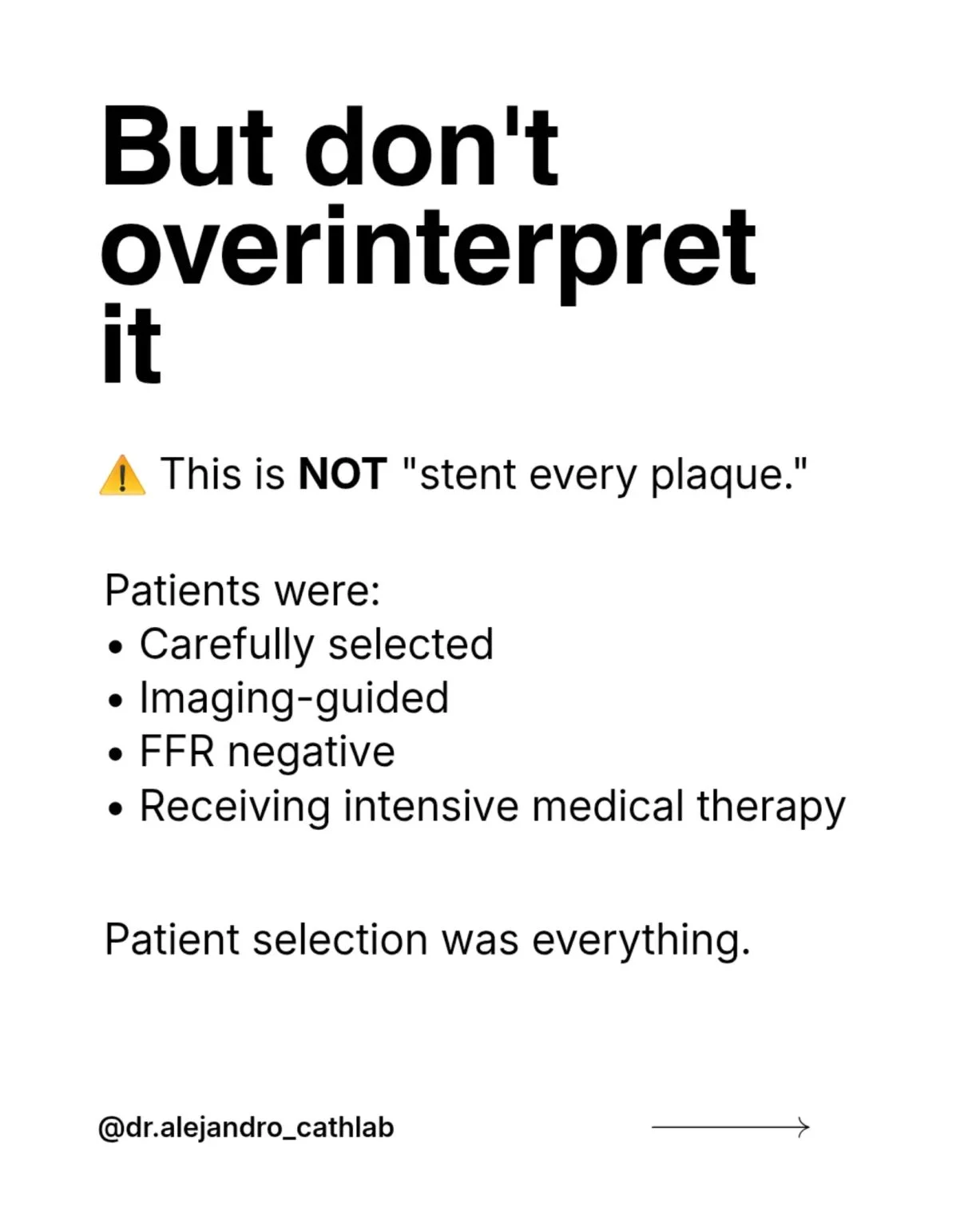
Importantly, this is not an invitation to stent every intermediate lesion.
Patients were carefully selected using intracoronary imaging, received contemporary guideline-directed medical therapy, and underwent imaging-guided PCI.
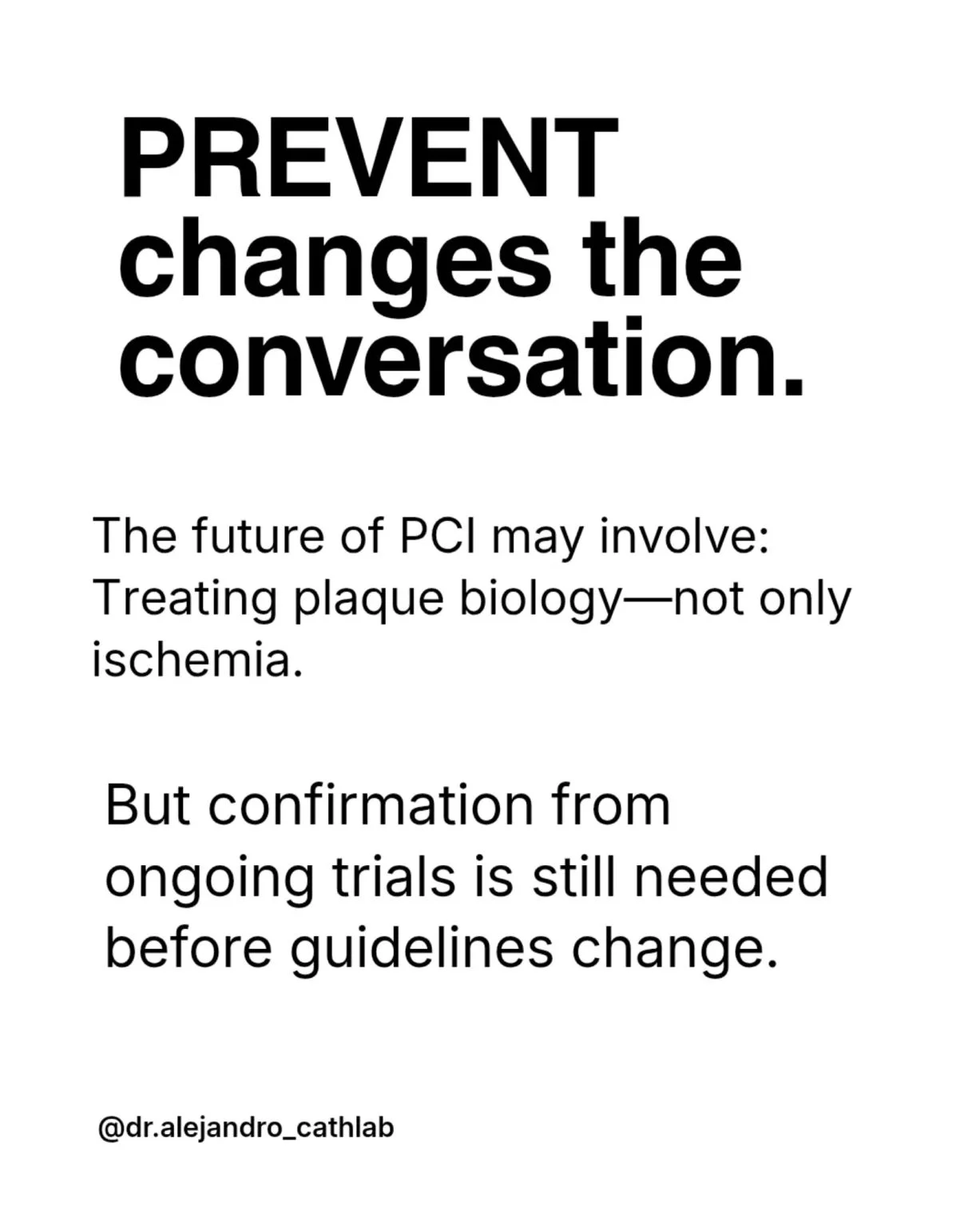
The study demonstrates the potential value of plaque characterization, not angiography alone, in identifying lesions at risk for future events.
PREVENT is the first large randomized trial to show that focal treatment of vulnerable plaques may improve outcomes beyond optimal medical therapy.
Whether this strategy should change routine clinical practice now—or awaits confirmation from ongoing trials—remains one of the most important questions in interventional cardiology.
Do you think PCI should evolve from an ischemia-guided strategy to a plaque-guided strategy?”
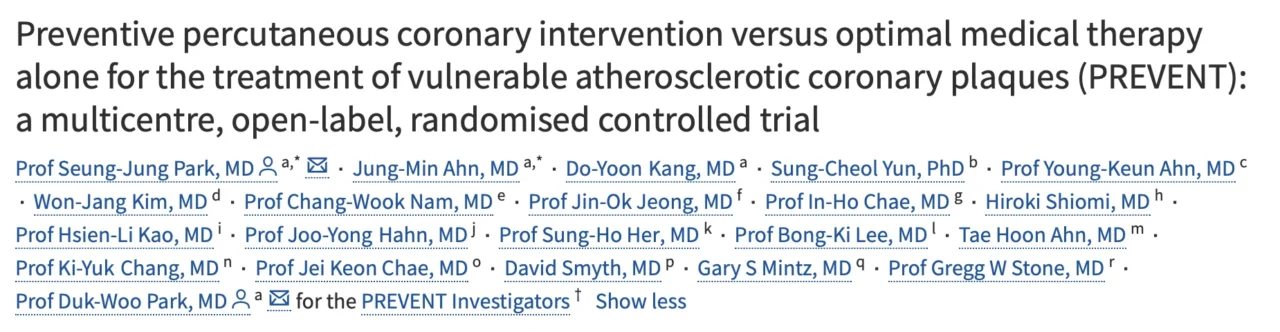
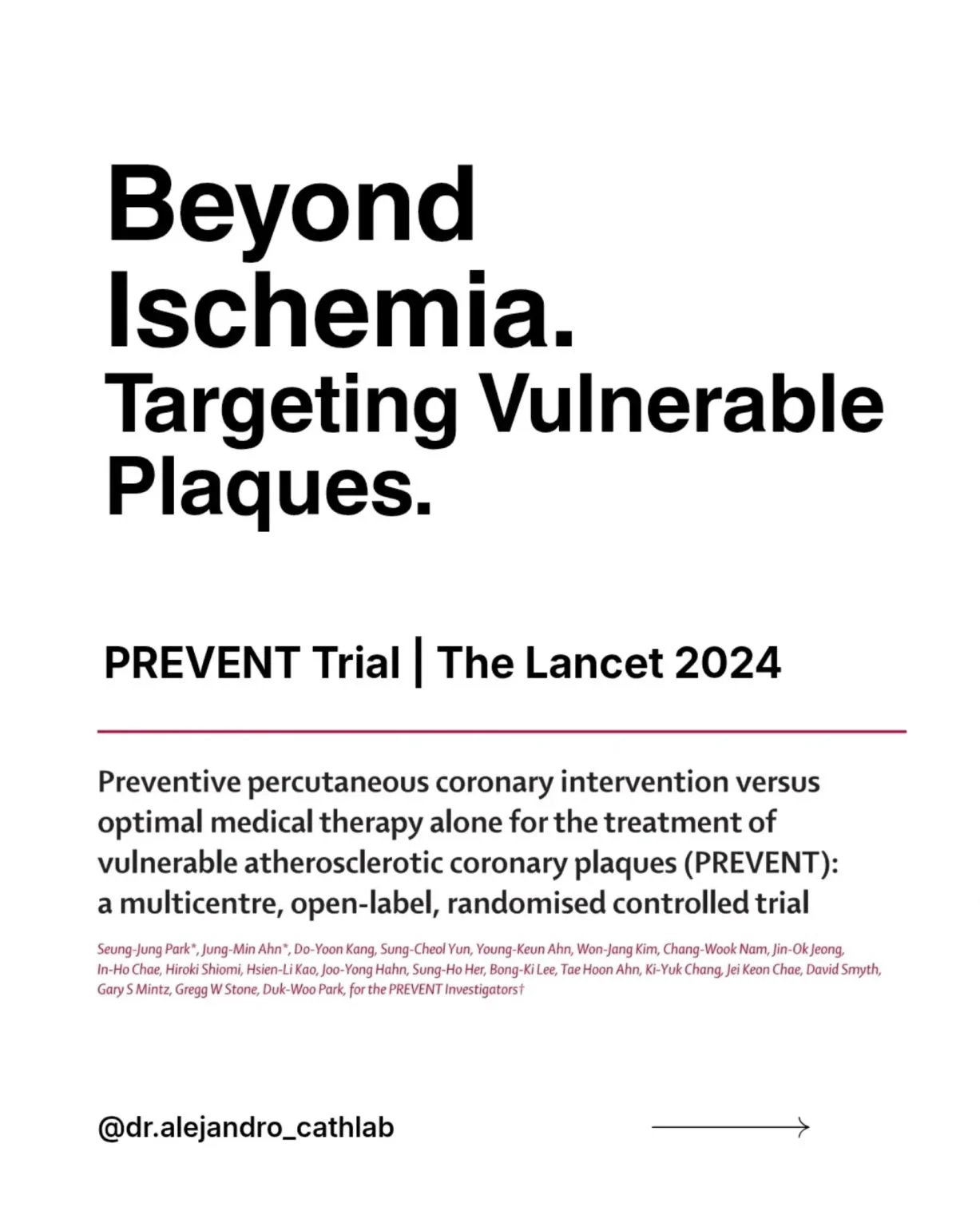
Title: Preventive percutaneous coronary intervention versus optimal medical therapy alone for the treatment of vulnerable atherosclerotic coronary plaques (PREVENT): a multicentre, open-label, randomised controlled trial
Authors: Seung-Jung Park, Jung-Min Ahn, Do-Yoon Kang, Sung-Cheol Yun, Young-Keun Ahn, Won-Jang Kim, Chang-Wook Nam, Jin-Ok Jeong, In-Ho Chae, Hiroki Shiomi, Hsien-Li Kao, Joo-Yong Hahn, Sung-Ho Her, Bong-Ki Lee, Tae Hoon Ahn, Ki-Yuk Chang, Jei Keon Chae, David Smyth, Gary S. Mintz, Gregg W. Stone, Duk-Woo Park
Stay updated on all scientific advances with Hemostasis Today.
-
Sep 19, 2026, 10:40Marjolein Smidt: ASH Raises Ferritin Thresholds for Iron Deficiency
-
Sep 19, 2026, 10:34Nawsherwan Mohammad: ASH 2026 Guidelines Redefine How We Detect Iron Deficiency
-
Sep 19, 2026, 10:21Upcoming Podcast on Thalassaemia with The Lancet Haematology
-
Sep 19, 2026, 10:20Steve Helm: Cardiology and Anticoagulation Pharmacist Role Opens Near NYC
-
Sep 19, 2026, 10:12Omid Seidizadeh: A Great Pleasure to Speak on vWD at the 59th NordCoag Congress
-
Sep 19, 2026, 10:08Carsten Hansen: What Happens During a Sickle Cell Crisis?
-
Sep 19, 2026, 10:05Alan Nurden: Thyroid Hormones as Regulators of Acute Platelet Release
-
Sep 19, 2026, 10:02Oliver Weingärtner: What Can Real-World Data Teach Us about Long-Term Treatment Persistence in CP?
-
Sep 19, 2026, 09:55Ammar Alsughayir: When Transfusion Safety Becomes a Lifelong Commitment