

Alta Schutte: Delivery Models to Improve Adherence to Medicines for Chronic Diseases in Primary Care
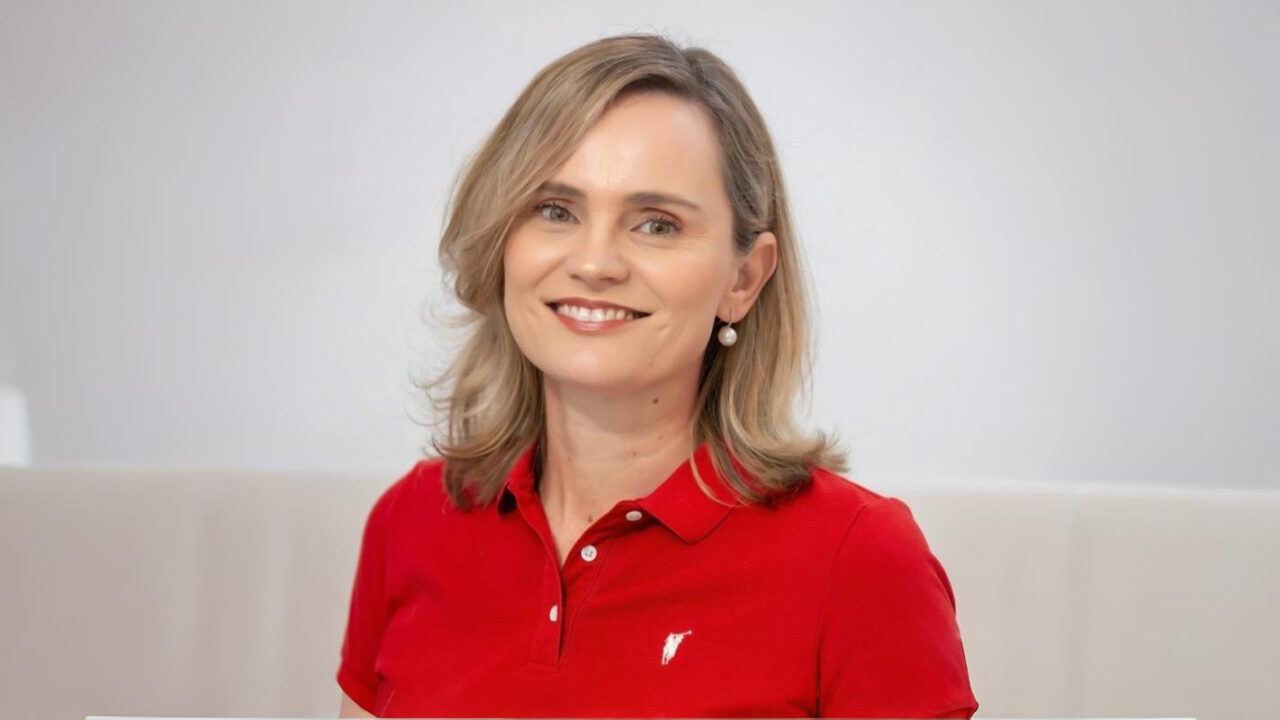
Alta Schutte, SHARP Professor of Cardiovascular Medicine at University of New South Wales, shared on LinkedIn:
“If we can improve how medicines are delivered, medication adherence may be significantly improved. In our The Lancet Primary Care paper we highlight and compare the pros and cons of in-person pharmacy pickup, mail-order pharmacies, e-Pharmacies and direct-to-consumer models, emerging tech like drones, kiosks and physician dispensing vary in terms of cost-efficiency and scalability. We compare the models of delivery across 31 countries and how these models are diversified across the world. Lots of lessons to be learnt from innovative low-resource settings.
Great to work with Romina Ruth Diaz, Gautam Satheesh, Pablo Perel, Andrew Moran and Anthony Rodgers.”
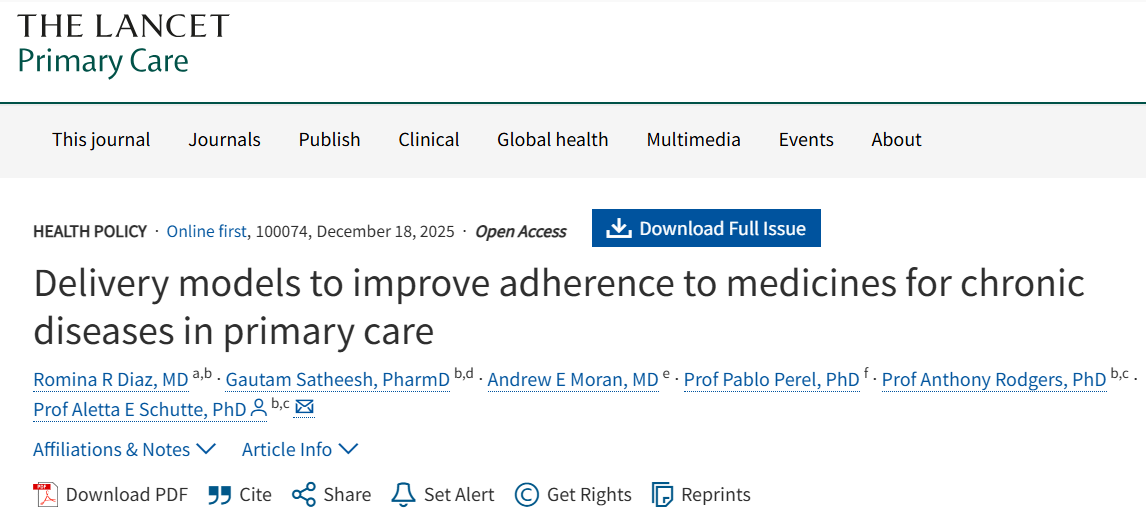
Title: Delivery models to improve adherence to medicines for chronic diseases in primary care
Authors: Romina R Diaz, Gautam Satheesh, Andrew E Moran, Pablo Perel, Anthony Rodgers, Aletta E Schutte
Read the full paper on The Lancet Primary Care.
Find more on Hemostasis Today.

-
Oct 9, 2026, 13:32W David Freeman։ The Mechanical Penumbra in Intracerebral Hemorrhage and Its Potential for Tissue Recovery
-
Oct 9, 2026, 13:11Ayshathul Noora։ Carbetocin vs Oxytocin in Preventing Postpartum Hemorrhage
-
Oct 9, 2026, 13:07The Rebalanced Patient: New Therapies and New Thrombotic Risks in Hemophilia
-
Oct 9, 2026, 12:48Santiago Cepeda Chafla: CereBleed Simplifies Brain Hemorrhage Assessment
-
Oct 9, 2026, 12:34Abdul Muqtadir Abbasi: Pancytopenia Is a Finding, Not a Diagnosis
-
Oct 9, 2026, 12:24Mercy Lung’aho: When Diet Quality and Nutritional Biomarkers Tell Different Stories
-
Oct 9, 2026, 12:22Eugene Fan: Bridging Therapeutic Breakthroughs and Equitable Thalassaemia Care
-
Oct 9, 2026, 12:14Brittany Busse: A New Focus on Iron Deficiency Before Anemia
-
Oct 9, 2026, 12:13Akshat Jain: A New Textbook Bringing Global Perspectives on Sickle Cell Disease