

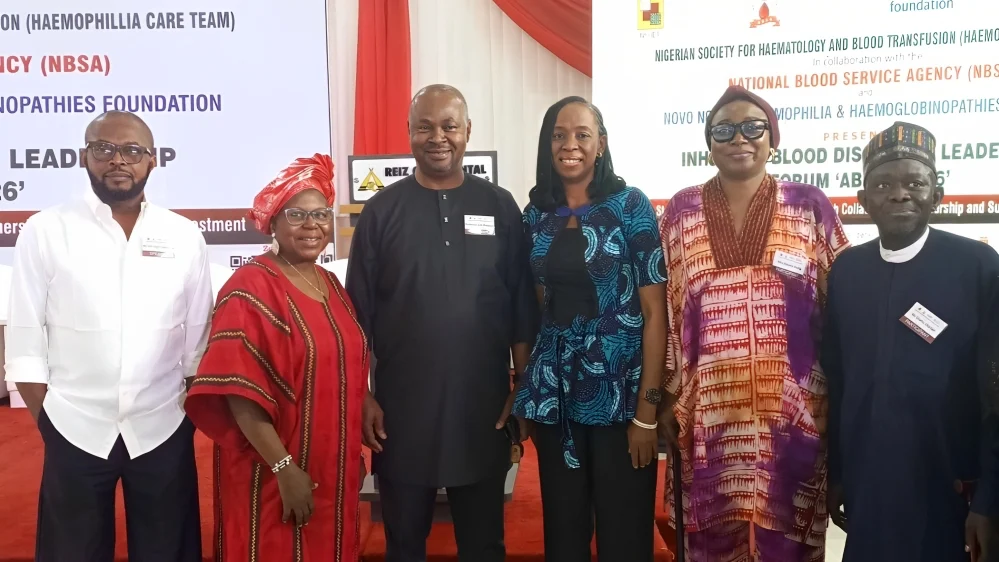
Obi Light Ogbonnia: The Power of Lived Experience in Health Policy and Research
Obi Light Ogbonnia, Founder and President of Sickle Cell Foundation and Chief Executive Officer at VTN Global Resources Limited, shared a post on LinkedIn:
“The Power of Lived Experience in Health Policy and Research
There is a hard truth many systems still struggle to admit:
You cannot design effective health policies for patients without listening to the people who live with the condition every day.
For years, research papers have been written and policies designed in boardrooms far removed from hospital wards and patient homes. Experts analyze statistics, governments design programmes, and organizations launch interventions.
Yet many of these interventions fall short.
Not because the experts lack knowledge, but because the people most affected were rarely involved in shaping the solutions.
This is why patient-led organizations matter.
Data can tell us how many people are living with a condition.
But data alone cannot explain the daily reality.
- It cannot fully capture the stigma a patient faces in society.
- It cannot show the difficult choices families make between food and medication.
- It cannot describe the emotional and physical battles patients fight quietly every day.
Lived experience fills this gap.
Patient communities often understand the weaknesses of the system long before policymakers see them. They know where access fails, where support is missing, and what solutions are truly practical.
Across the world, healthcare outcomes improve when patient voices are part of the conversation.
Patient-led organizations help to:
- identify urgent needs faster
- build trust within communities
- guide more relevant research
- strengthen accountability
- humanize policies and programmes
Behind many of these organizations are individuals who turned personal pain into purpose. People who could have remained silent but chose to advocate so others might suffer less.
Their voices bring truth to the table.
As governments, researchers, NGOs and institutions plan the future of healthcare, one lesson is becoming clear:
Patients should not only be beneficiaries of policies.
They must be partners in shaping them.
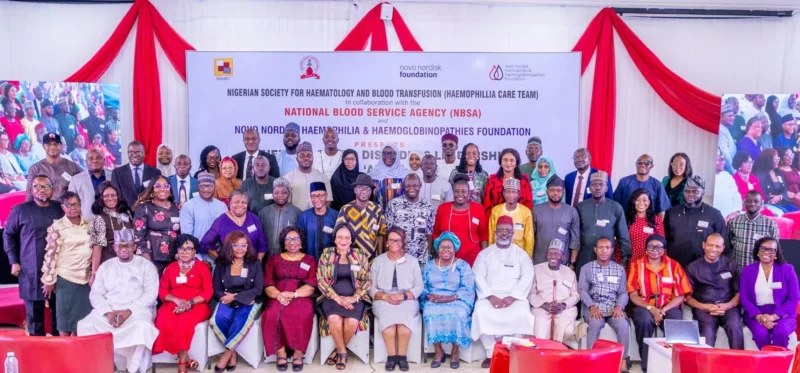
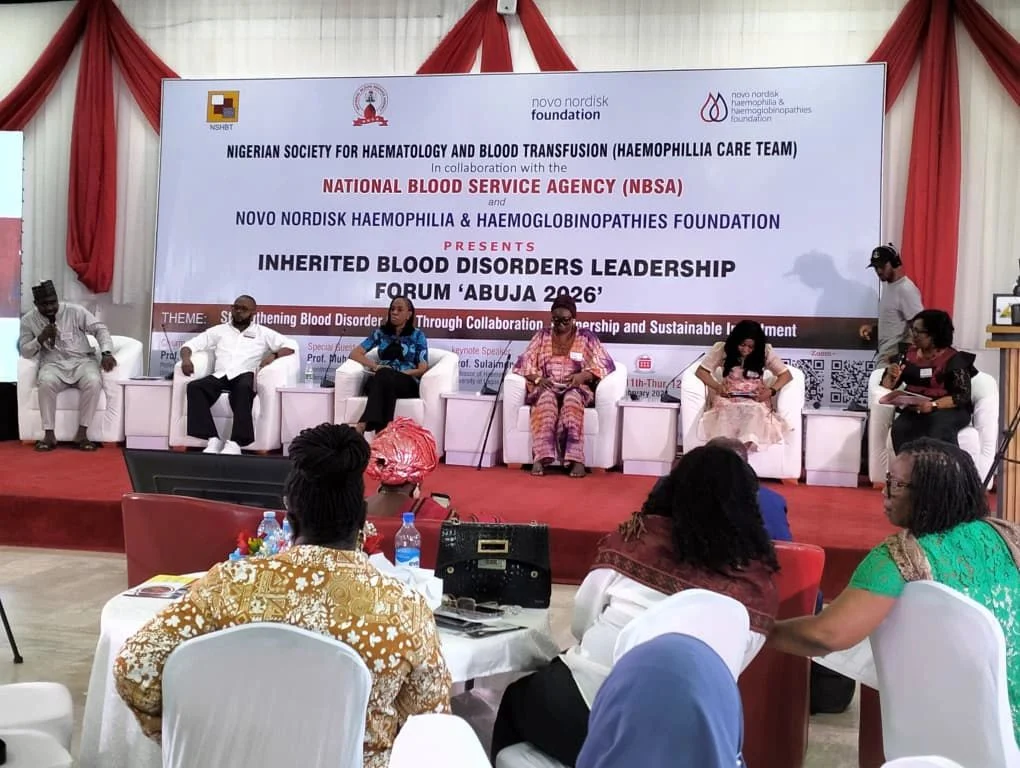
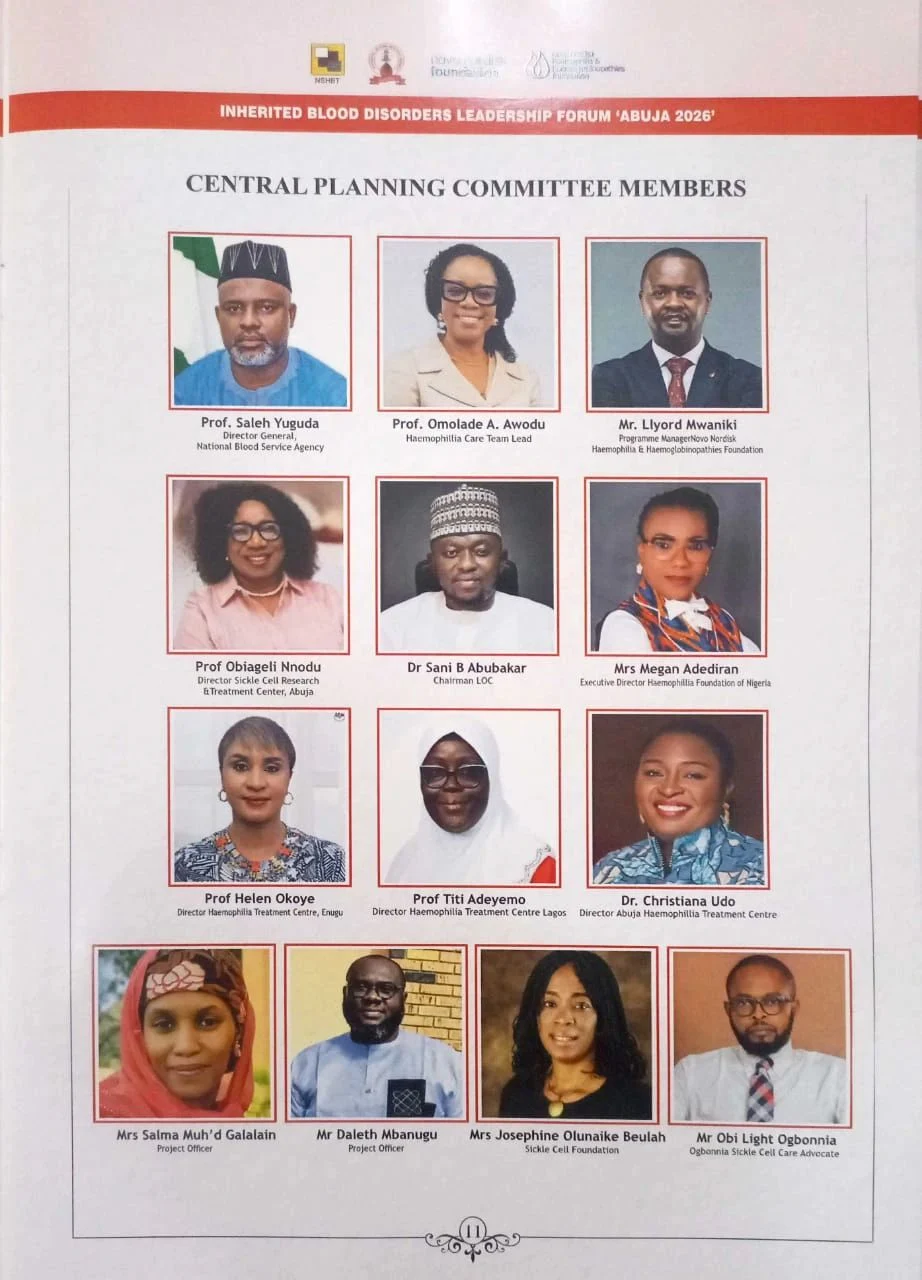
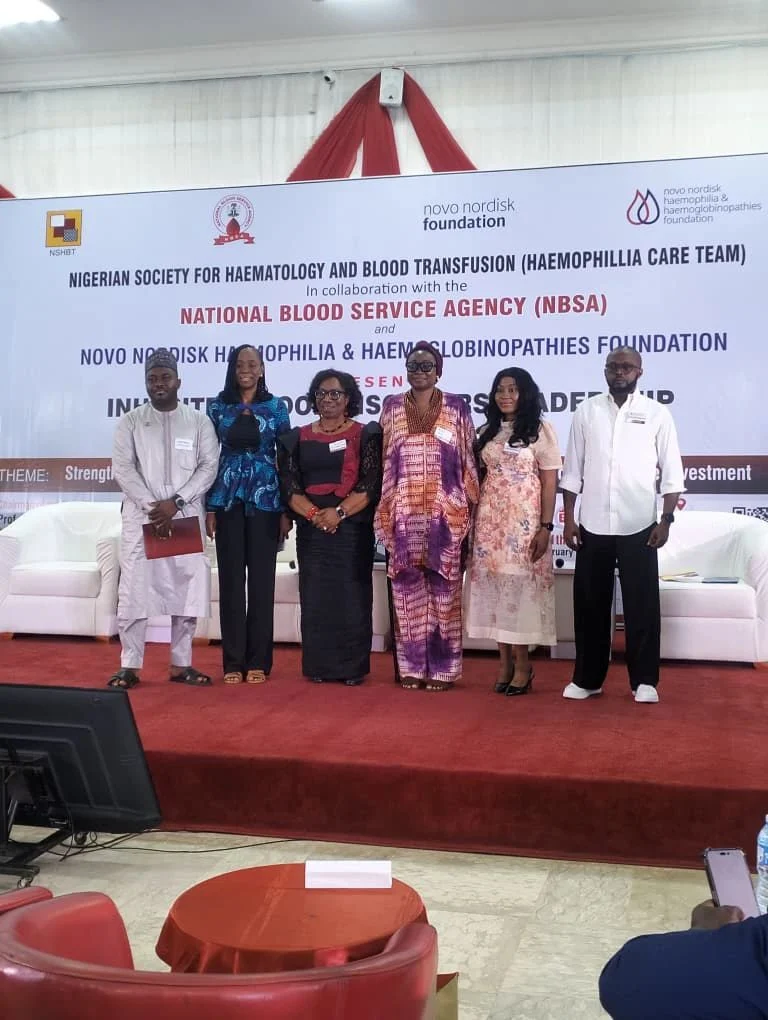
I would also like to sincerely acknowledge the organizers of the Inherited Blood Disorders Leadership Forum recently held in Abuja for creating a platform that brought together researchers, policymakers, healthcare professionals, and patient advocates for meaningful dialogue.
Creating spaces where lived experience meets policy is how real progress begins.
The future of healthcare will be stronger when it is built with patients, not just for them.”
Stay updated with Hemostasis Today.
-
Oct 20, 2026, 04:13Ifeanyichukwu Ifechidere: DOACs Are Not the Answer to Every Anticoagulation Question
-
Oct 20, 2026, 04:04Sadia Kamal: Honored to Receive the Outstanding Abstract Award at the 20th Midwest Platelet Conference
-
Oct 20, 2026, 04:03Yu-Hsuan Chen: One Antibody, Two Diseases from FcRn Biology to Clinical Translation
-
Oct 20, 2026, 03:49Domenico Simone Castiello: Rethinking Prolonged DAPT in Multivessel PCI – Insights from the DAPT-MVD Trial
-
Oct 20, 2026, 03:37Rucha Patil: Scaling POC Diagnostics for Haemophilia A and VWD Across India
-
Oct 20, 2026, 03:31Zena Vexler: Targeting Neutrophil Elastase and NETosis to Mitigate Infection-Triggered Childhood Stroke
-
Oct 20, 2026, 03:24Chaza Alaji: Diagnosing Protein C and Protein S Deficiency
-
Oct 20, 2026, 03:24Mou Nandi: How Maternal Health During Pregnancy May Shape Infant Development
-
Oct 20, 2026, 03:13Sumyea Kabir: Pre-Analytical Quality in Phlebotomy – Preventing In Vitro Hemolysis