

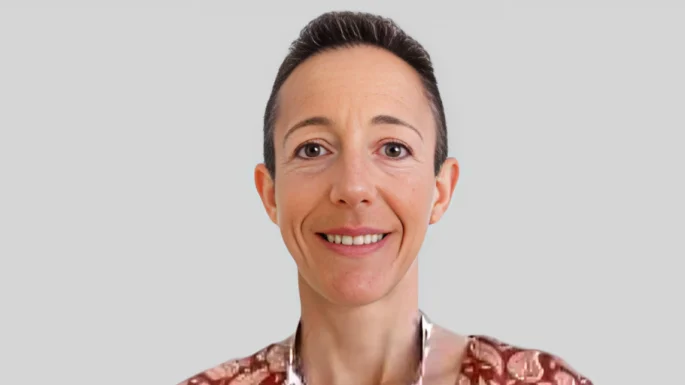
Amelia Carro Hevia: Improving Heart Failure Care Through Sex-Informed Strategies
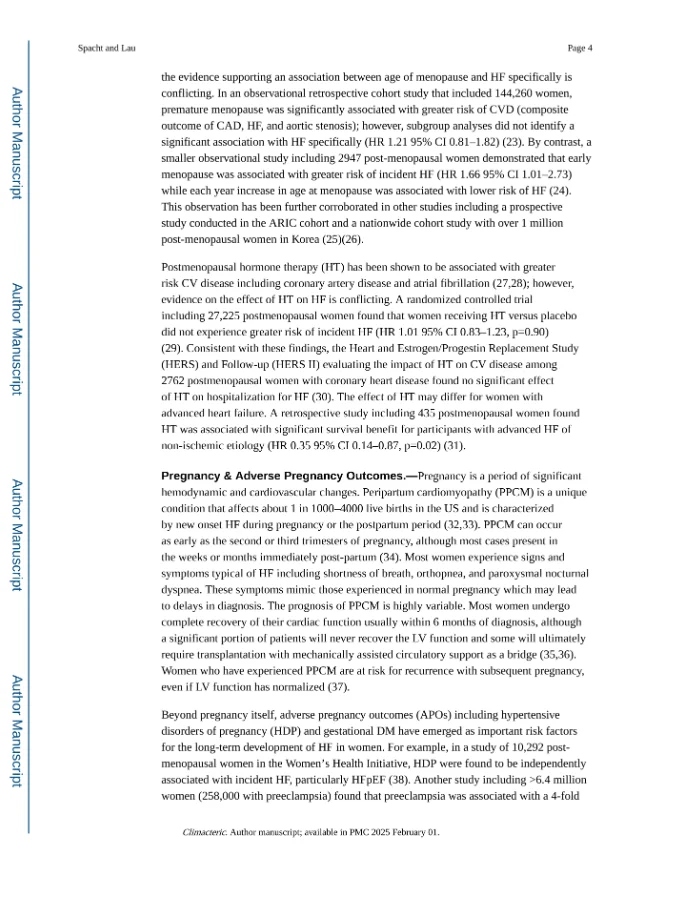
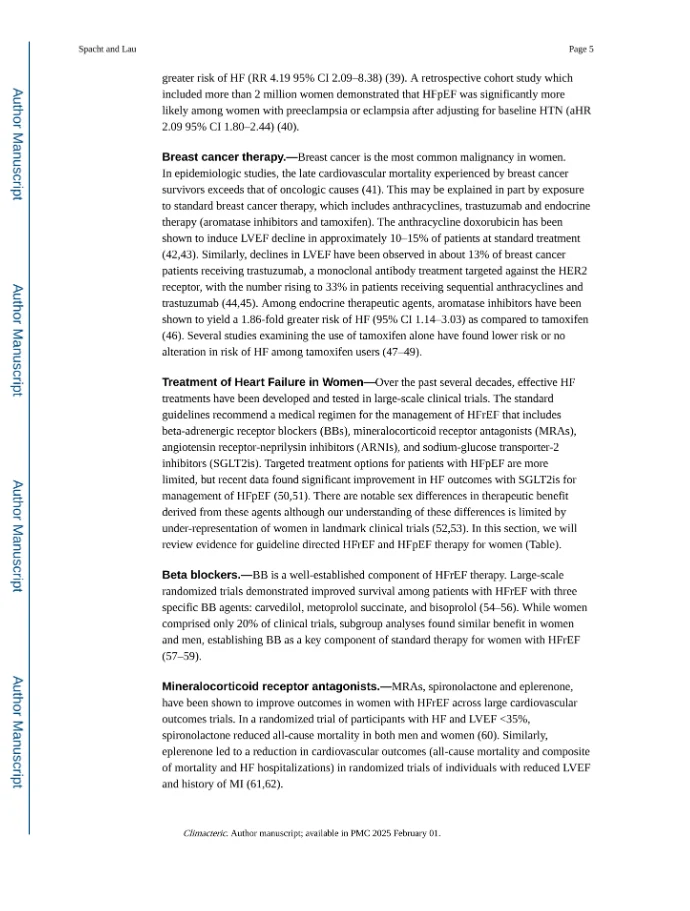
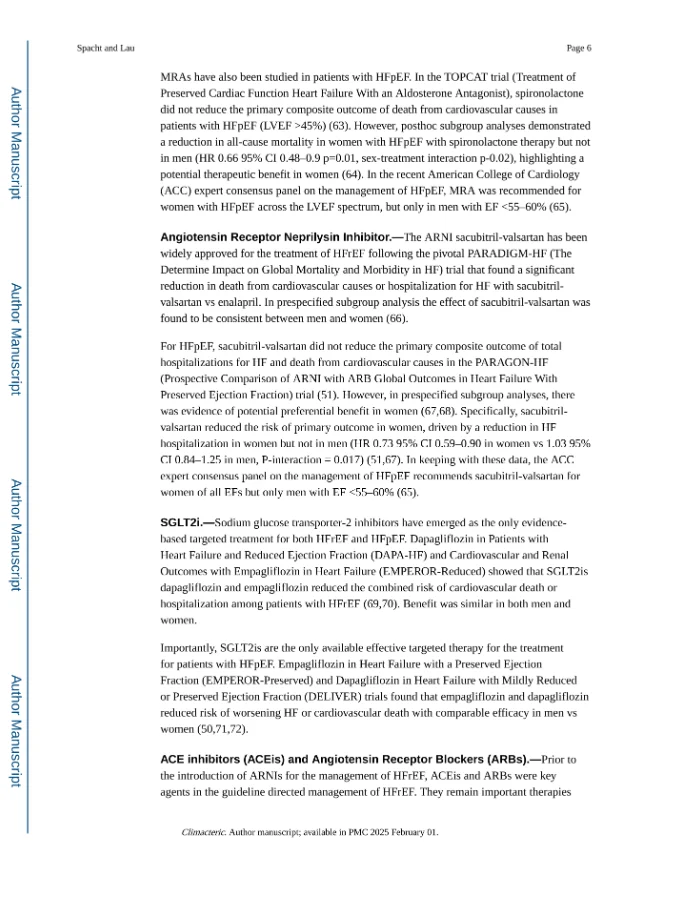
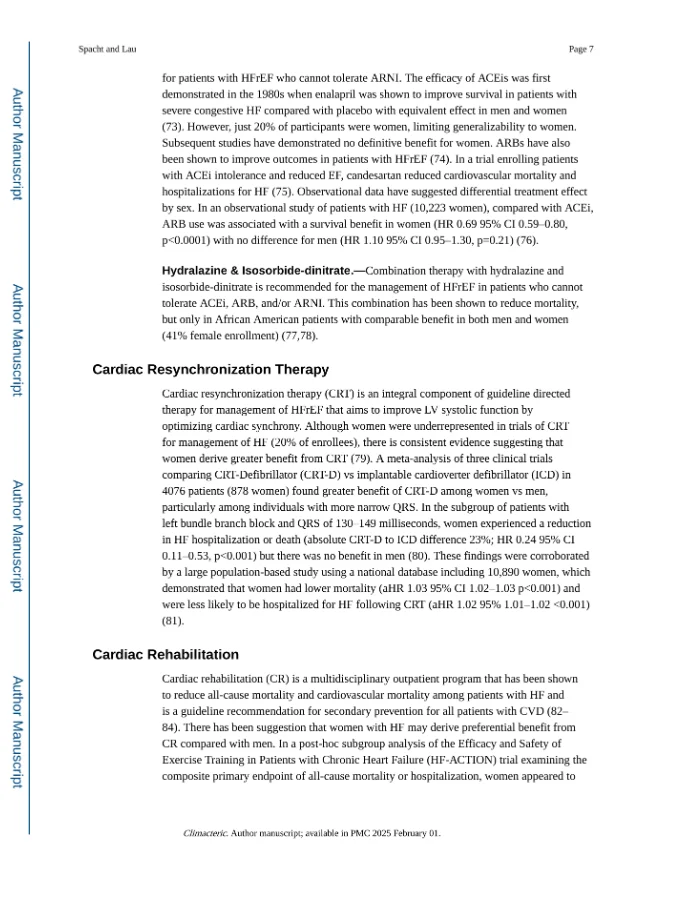
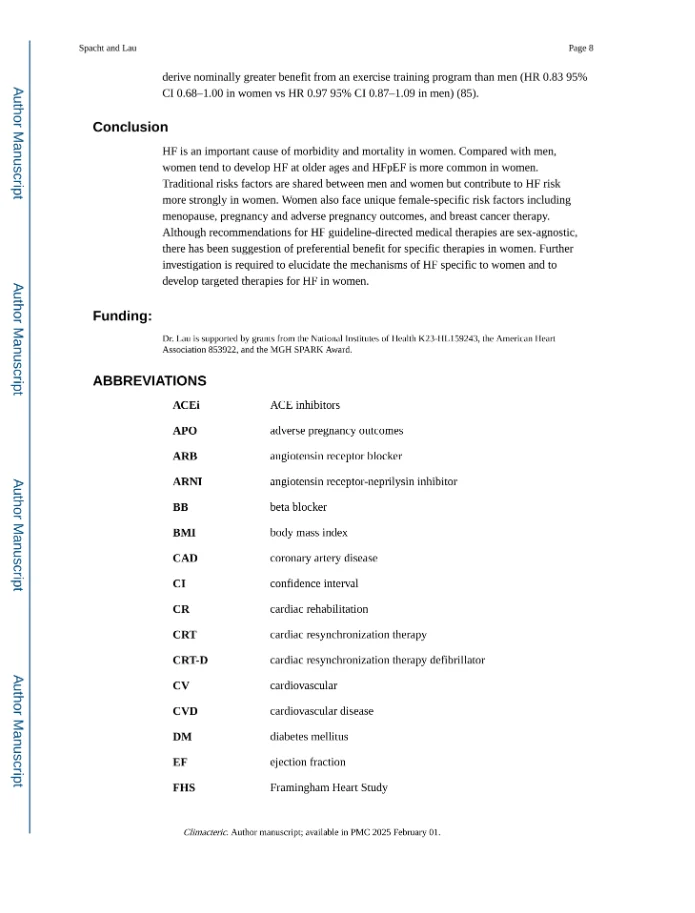
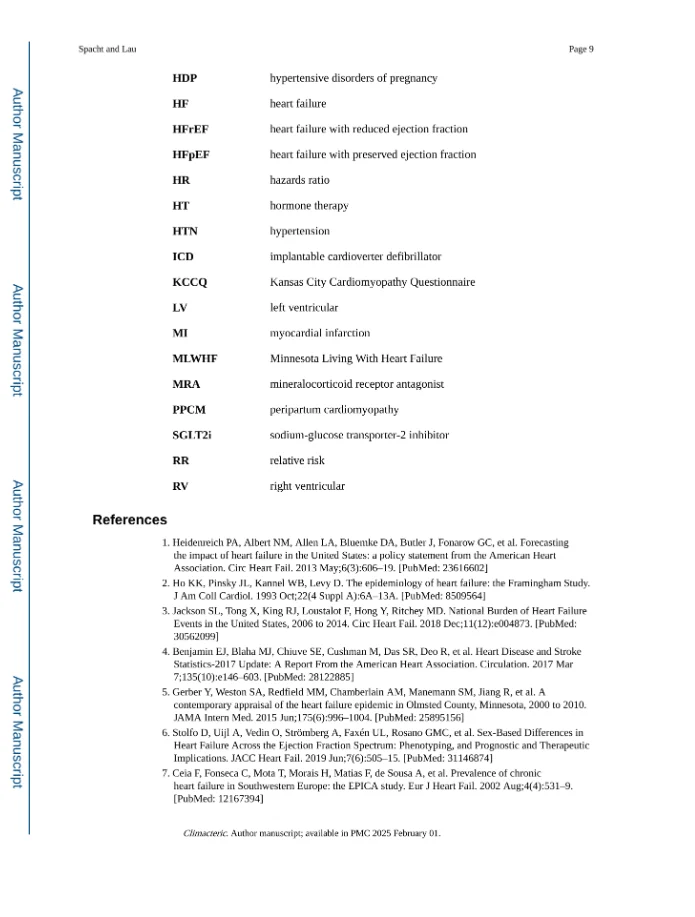
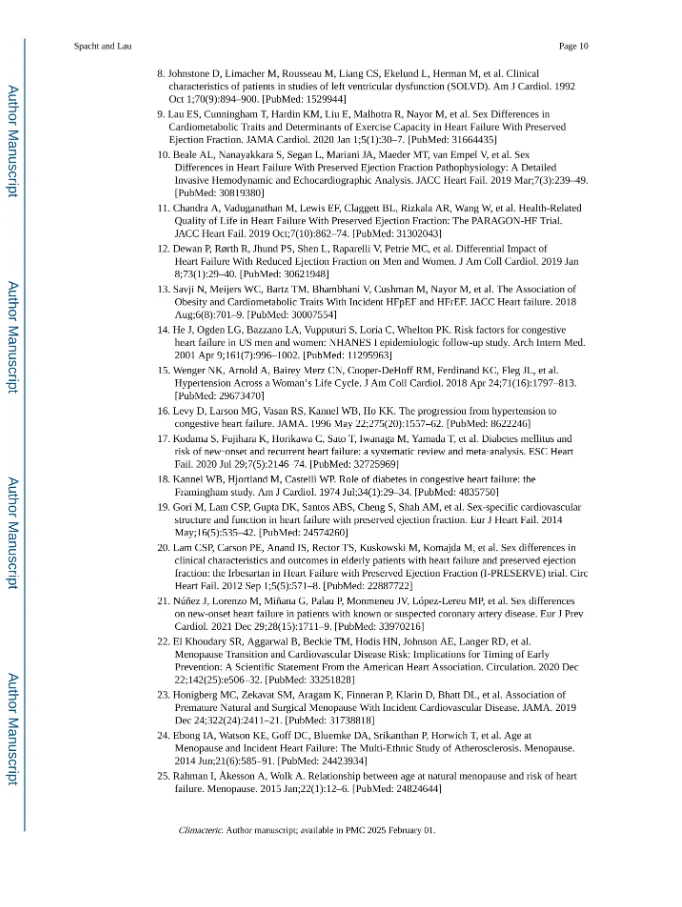
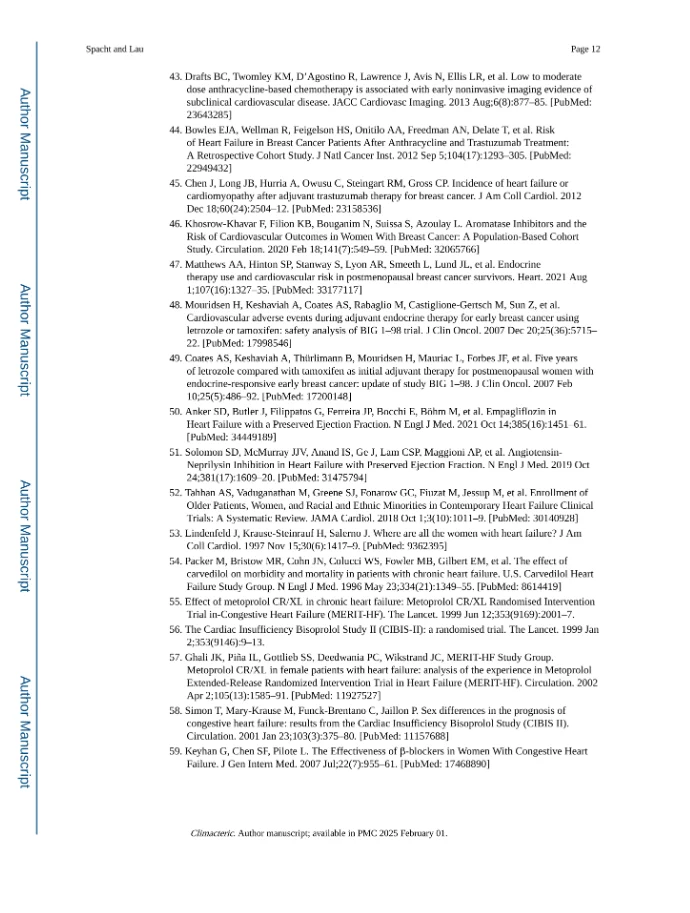
Amelia Carro Hevia, Consultant Cardiologist and Researcher at Corvilud Institut, shared a post on LinkedIn about a recent article by Wesley Alexandra Spacht et al, published in Climacteric, adding:
“Heart failure in women: a disctintive disease
May is the heart failure awareness month.
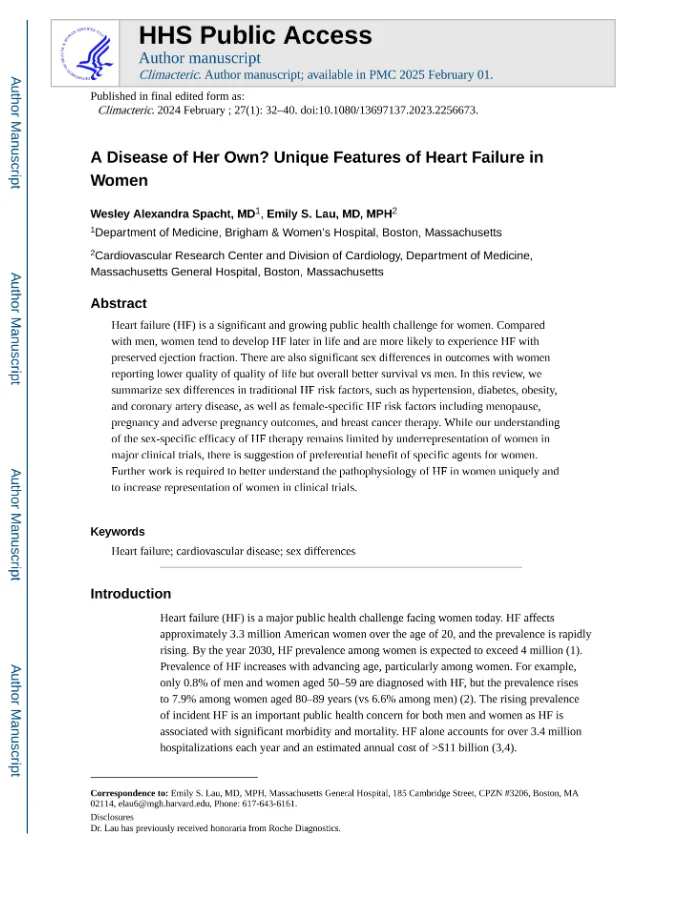
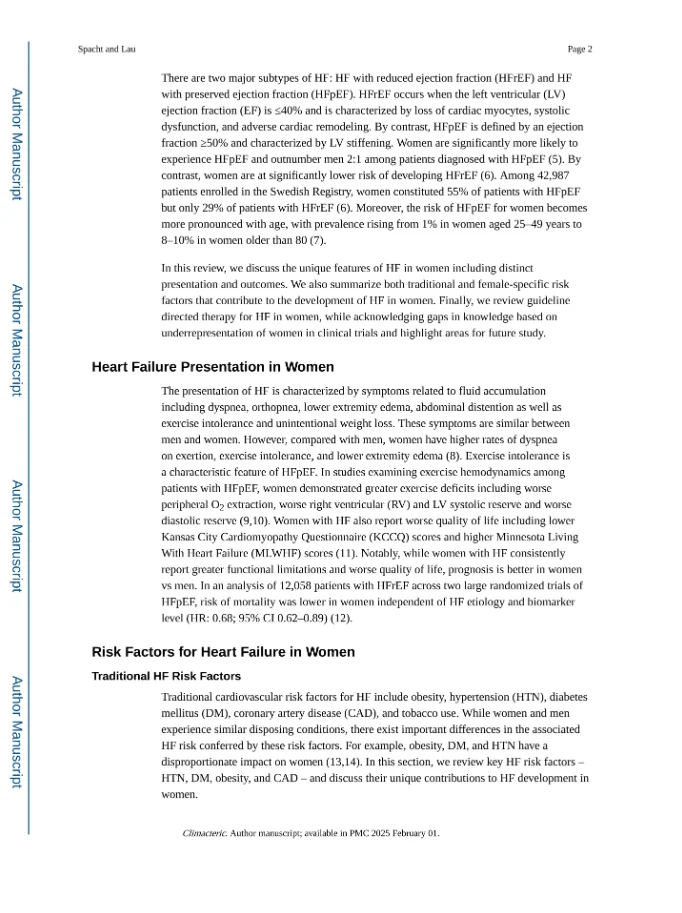
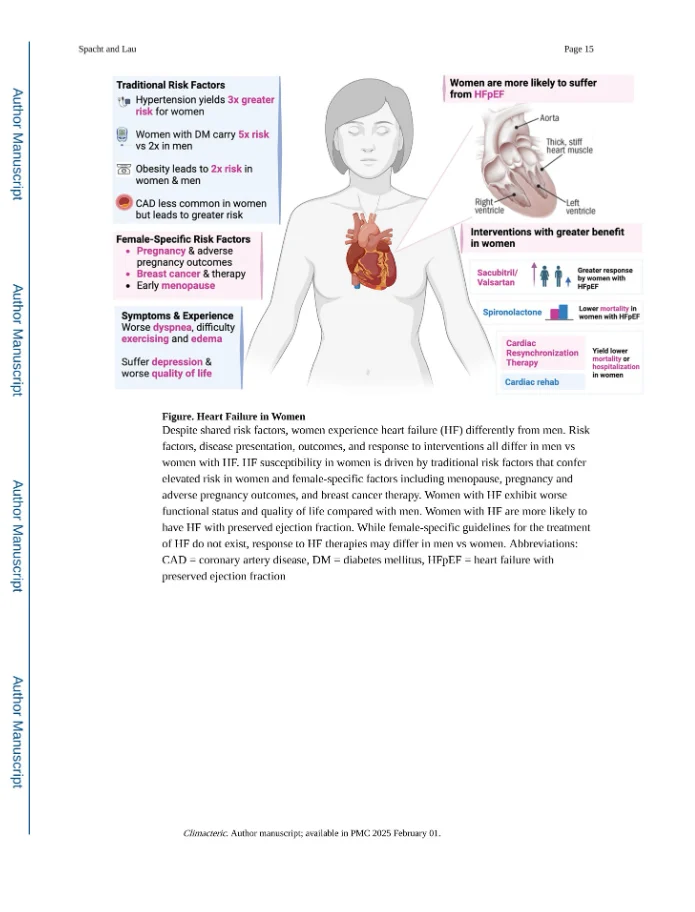
Therefore, here I bring a review focused on Women’s heart failure (HF), since women are more likely to develop HF with preserved ejection fraction (HFpEF) than men, often present with more dyspnea and functional limitation, and report worse quality of life despite better overall survival than men.
Sex matters: A key message from the review ‘A Disease of Her Own? Unique Features of Heart Failure in Women’ is that sex matters across the entire HF continuum: risk factors, phenotype, symptoms, outcomes, and response to therapy.
Traditional risk factors
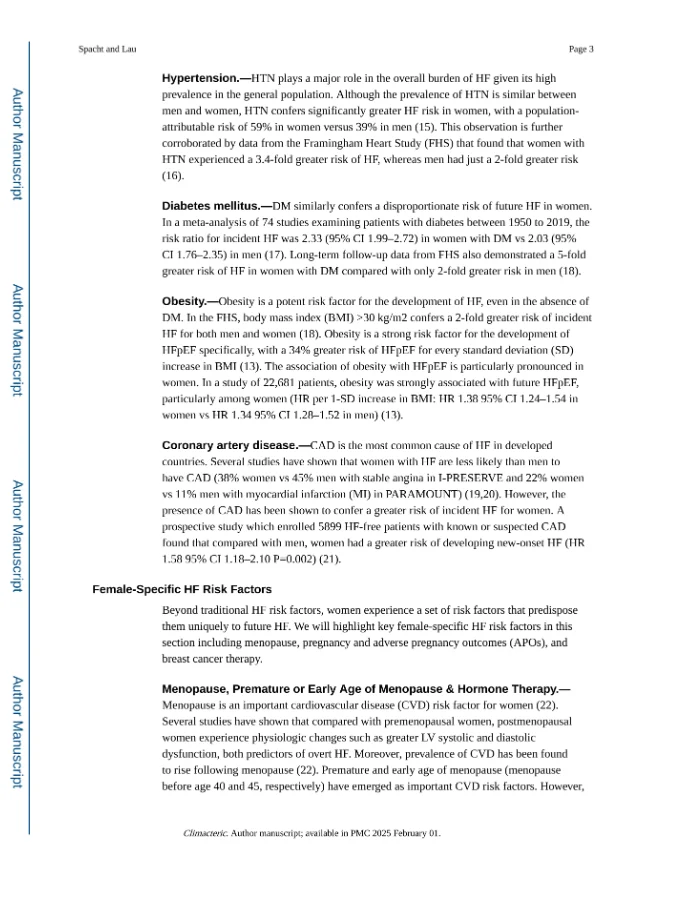
Traditional risk factors such as hypertension, diabetes, obesity, and coronary artery disease confer a disproportionate HF risk in women, while female-specific exposures—including menopause, adverse pregnancy outcomes, inflammation, autoinmune disorders, and breast cancer therapies—add an additional layer of risk.
Clinical practice
Clinical practice should also be more intentional about recognizing HFpEF in women, especially in older patients and in those with a history of hypertensive disorders of pregnancy or premature menopause.
Treatment options
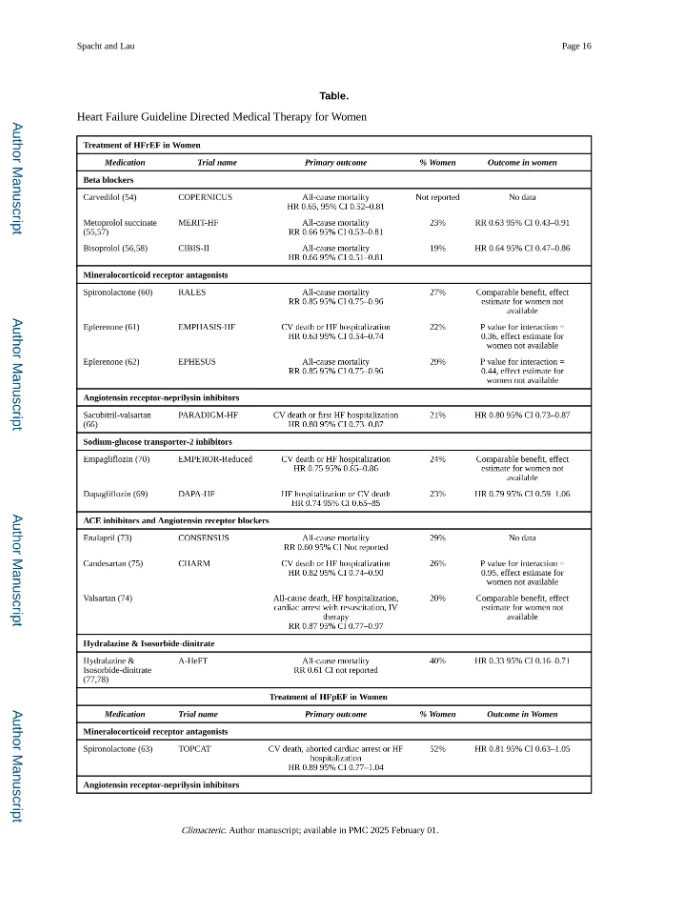
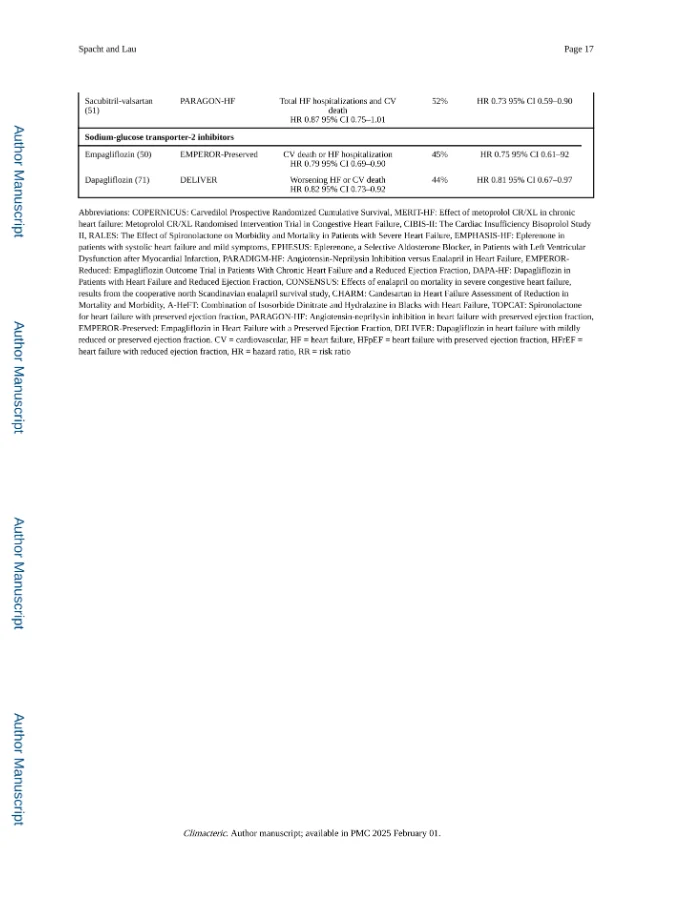
Importantly, contemporary therapies appear to benefit women, with particularly encouraging signals for
- SGLT2 inhibitors across the ejection fraction spectrum
- Sacubitril/valsartan (selected in selected HFpEF subgroups)
- Mineralocorticoid receptor antagonists (selected in selected HFpEF subgroups)
- GLP1 receptor agonists
Take home message
The take-home message is simple: improving outcomes in HF requires earlier recognition of female-specific risk, more equitable trial representation, and sex-informed prevention and treatment strategies.
In cardiovascular prevention, sex is not a subgroup but a a core determinant of risk and therapeutic response.”
Title: A disease of her own? Unique features of heart failure in women
Authors: Wesley Alexandra Spacht, Emily Lau Lau

Stay updated on all scientific advances with Hemostasis Today.
-
Sep 29, 2026, 09:59William Sauer: Ablation in Patients With LAAO Devices
-
Sep 29, 2026, 03:53Nahrwan Masaoodi: Iron Deficiency Can Exist Without Anemia
-
Sep 29, 2026, 03:38Muhammad Yousaf: Iron Deficiency Beyond Diet
-
Sep 29, 2026, 03:21Parvez Ahmed Chowdhury: Synthesizing Aspirin in the Organic Chemistry Lab
-
Sep 29, 2026, 03:12Ahmed Hamandi: Building the Future of Hematopoietic Transplantation in Iraq
-
Sep 29, 2026, 03:09M V Chandrakanth: Aspirin in CRC – Old Drug, New Precision Oncology?
-
Sep 29, 2026, 03:07Caroline Pothet: Advancing Treatment Development in Sickle Cell Disease and Thalassaemia
-
Sep 29, 2026, 02:53Astha Jain: Thalassemia Care Through a Public Health Lens
-
Sep 29, 2026, 02:50Emma Groarke: Starting a New Career Path in Homeland