

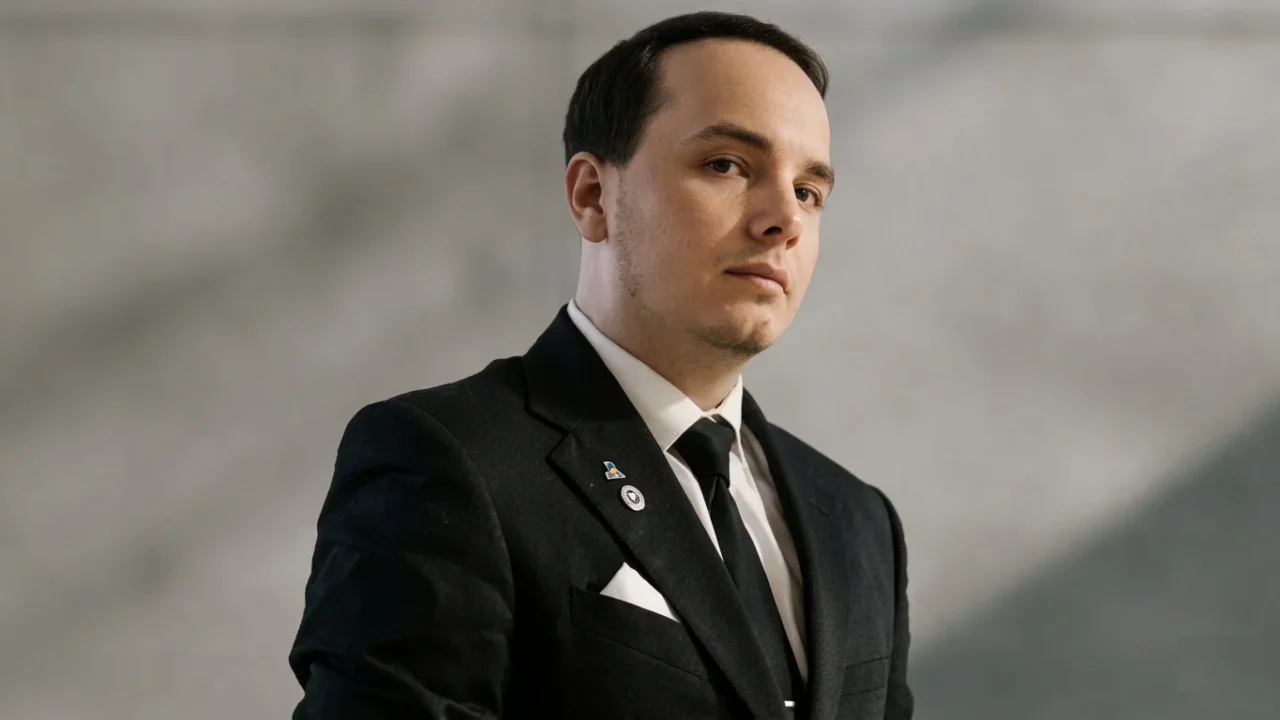
Francisco Chacón-Lozsán: Superior Vena Cava Syndrome – Understanding the Physiology, Diagnosis and Management
Francisco Chacón-Lozsán, Fellow at World Extreme Medicine, Member of European Society of Intensive Care Medicine (ESICM) and American College of Cardiology, shared a post on X:
“Critical Physiology Series 88
Superior Vena Cava Syndrome: When Venous Return Meets an Obstruction
Superior vena cava syndrome (SVCS) is not simply facial swelling.
It is a venous hypertension syndrome caused by obstruction of blood flow through the SVC or brachiocephalic veins.
The physiology The SVC drains the: head, neck, upper extremities, upper thorax
Compression, invasion, or thrombosis increases resistance to venous return:
SVC obstruction causes upstream venous pressure to increase, which promotes collateral blood flow.
Venous pressure rises in the head, neck, and arms, producing facial and neck edema, upper-extremity swelling, jugular venous distension, and chest-wall collateral veins.
Severity depends strongly on how quickly the obstruction develops. Slow obstruction allows collateral pathways to enlarge, whereas acute obstruction provides little time for adaptation.
The dangerous physiology is therefore: cerebral venous hypertension can lead to cerebral edema, while laryngeal and airway edema can lead to airway obstruction.
Reduced venous return may also compromise cardiac preload in severe obstruction.
Diagnosis
Think SVCS when facial or upper-body edema is associated with:
- dyspnea
- orthopnea
- cough
- headache
- visual symptoms
- confusion
- venous distension/collaterals
Symptoms may worsen when supine or bending forward.
Contrast-enhanced CT of the chest is usually central to diagnosis because it identifies the level and extent of obstruction, collateral circulation, thrombosis and the underlying cause.
Malignancy remains important, particularly intrathoracic cancer, but indwelling central venous catheters, pacemaker/ICD leads and other intravascular devices are increasingly relevant causes.
Monitoring
In severe SVCS follow:
- airway patency
- neurological status
- SpO₂/ventilation
- hemodynamics
- upper-body edema
- renal function/urine output
Before procedures, remember that sedation, supine positioning and positive-pressure ventilation may worsen an already precarious airway/hemodynamic situation.
Management
Treatment depends on severity and mechanism.
Immediate priorities:
- head elevation
- oxygen/supportive care
- protect the airway when threatened
For severe symptomatic obstruction, particularly with airway or cerebral compromise:
endovascular SVC stenting can provide rapid mechanical decompression.
If acute thrombosis is responsible:
anticoagulation with or without catheter-directed thrombolysis/thrombectomy may be appropriate depending on the situation.
Malignant SVCS additionally requires tumor-specific therapy:
chemotherapy and/or radiotherapy according to histology and oncological strategy.
Except in immediately life-threatening presentations, obtaining the diagnosis and tissue histology before tumor-directed treatment remains important.
Recommended lectures
Title 1: Superior Vena Cava Syndrome: An Update and Literature Review of Percutaneous Endovascular Treatments
Authors: Surbhi B. Trivedi, Charles Ray, Seetharam Chadalavada, Abouelmagd Makramalla, Ali Kord
Title 2: Superior vena cava syndrome
Authors: Peter Franz Klein-Weigel, Saban Elitok, Andreas Ruttloff, Sabine Reinhold, Jessika Nielitz, Julia Steindl, Birgit Hillner, Lars Rehmenklau-Bremer, Christian Wrase, Heiko Fuchs, Thomas Herold, Lukas Beyer

Authors: Christopher Straka, James Ying, Feng-Ming Kong, Christopher D. Willey, Joseph Kaminski, D. W. Nathan Kim
Title 4: Endovascular Stenting as the First Step in the Overall Management of Malignant Superior Vena Cava Syndrome
Authors: Carlos Lanciego, Cristina Pangua, Jose Ignacio Chacón, Javier Velasco, Rafael Cuena Boy, Antonio Viana, Sara Cerezo, and Lorenzo García García

Find more posts featuring Francisco Chacón-Lozsán on Hemostasis Today.
-
Nov 8, 2026, 19:31Anna Kajaste-Rudnitski: Presenting AAV-Induced p53 Signalling in Human CNS Cells at ESGCT 26
-
Nov 8, 2026, 19:29David McIntosh: Cybersecurity Matters, but Blood Availability Remains the Bigger Challenge
-
Nov 8, 2026, 19:26Wenxue Ma: An Integrative Framework for Macrophage-Mediated Therapeutic Resistance in Cancer
-
Nov 8, 2026, 19:25Yildiz Yigit: Presenting a Polycythemia Vera Case at the MPN Subcommittee Session
-
Nov 8, 2026, 18:56Denis Oduor: Strengthening the Regulation and Delivery of Blood Transfusion and Transplantation Services
-
Nov 8, 2026, 18:28Raghavendra Rao: A Narrative Review on Chronic Venous Disease during Pregnancy
-
Nov 8, 2026, 17:57Dhiren Patel: PLD1-Derived Phospholipids Regulate NAD Kinase and ROS Production in Neutrophils
-
Nov 8, 2026, 17:48Andra T.: What Causes Antiphospholipid Syndrome? – Four Steps, not One Cause
-
Nov 8, 2026, 17:38Nasrin Samadi: Can a Normal Clotting Test Be Misleading?