

66-Country Survey Exposes Barriers to Hemophilia Gene Therapy
Wolfgang Miesbach, Professor of Medicine at Frankfurt University Hospital, posted on LinkedIn:
”Haemophilia Gene Therapy: New ISTH survey reveals a critical disconnect between clinical innovation and healthcare readiness.
Global survey assessing knowledge, perceptions, and clinical preparedness for gene therapy among haemophilia professionals. Over eight months (August 2023–January 2024), 327 healthcare professionals from 66 countries responded via an anonymous online questionnaire distributed through four major professional organizations.
Current Therapy Limitations
– burden of dosing schedules and prophylaxis
– of inhibitor development
– with injections and venous access
– and reimbursement pressures
– with treatment adherence
– impact on quality of life and joint disease
– breakthrough bleeding and pain
What Was Found Related to Gene Therapy
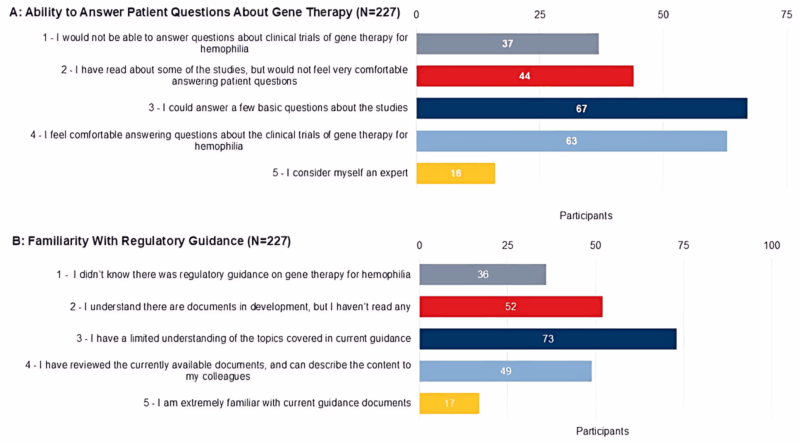
– 7.5% feel extremely familiar with gene therapy
– 35.6% uncomfortable answering patient questions about trials
– 60% of patients have never discussed gene therapy with their care team
Major Barriers to Implementation of Gene Therapy
– Durability uncertainty
– Variability in patient response
– Cost and reimbursement challenges
– Restrictive eligibility criteria
– Insufficient healthcare system preparedness
Gene therapy is clinically available. What’s missing is confidence, system readiness, and equitable global access. Closing this gap requires targeted professional education, healthcare pathways, and solutions that ensure all eligible patients – ideally, regardless of geography – can access this transformative treatment.
Published in Therapeutic Advances in Hematology, open access link ”
Title: Gene therapy for hemophilia: results of ISTH global survey on current knowledge, attitudes, and preparedness of the hemophilia care team
Authors: Melissa F. Glasner, Wolfgang Miesbach
Stay informed with Hemostasis Today.
-
Oct 16, 2026, 13:10Emanuel Sueldo: CAHT 2026 Celebrates Scientific Progress and Team Achievements
-
Oct 16, 2026, 13:05Maha Othman: Queen’s Health Sciences Advances CAT Risk Models and Pediatric ISTH-BAT Cut-Offs
-
Oct 16, 2026, 13:03Thrombosis Awareness Must Lead to Timely Action – Roche
-
Oct 16, 2026, 12:49Wolfgang Miesbach: 5-Year CBDR Data Confirms Emicizumab Safety and Efficacy in Hemophilia A
-
Oct 16, 2026, 12:40Edward Lee Carter: How Factor XI Inhibition Could Transform Anticoagulation Therapy
-
Oct 16, 2026, 12:40Marc Carrier: Looking Ahead to ISTH 2027 in Vancouver
-
Oct 16, 2026, 12:30Bob Lempke: How One Blood Donation Can Save Up to Three Lives
-
Oct 16, 2026, 12:30Why VWF Therapies Belong on the EU Critical Medicines List – EHC
-
Oct 16, 2026, 12:17Exploring Endothelial Cells, Genetic Fate Mapping, and Revascularization – ISTH