


Salvador Payán Pernía on Equity Challenges in Access to Gene Therapy for Hemoglobinopathies
Salvador Payán Pernía, Member of the Board of Directors of the Erythropathology Group at Spanish Society of Hematology and Hemotherapy (SEHH), shared on LinkedIn:
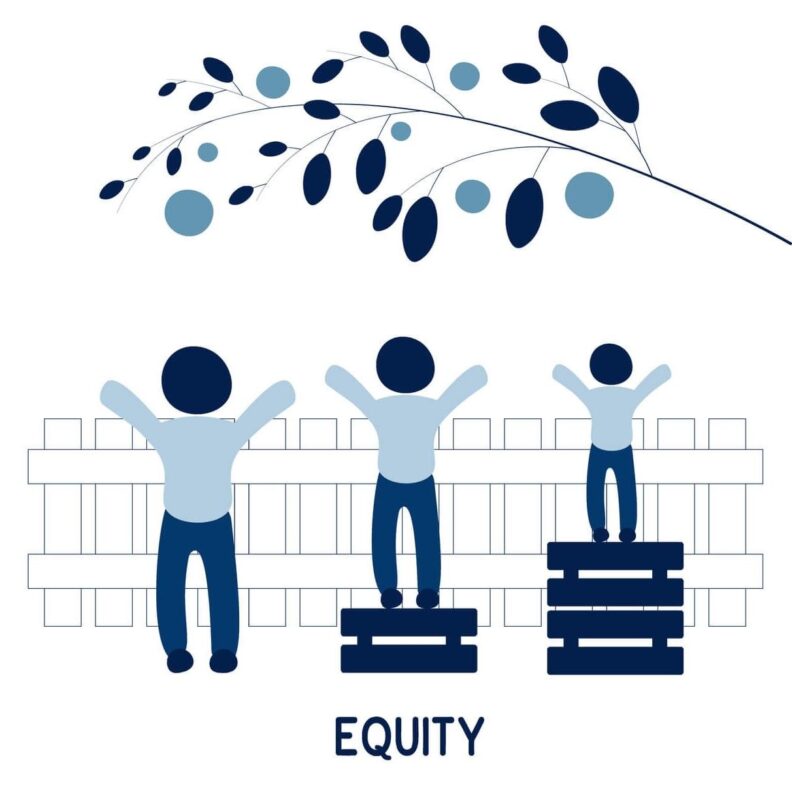
”As with other advanced therapies, access to gene therapy in hemoglobinopatías will face, once funded, equity risks arising from its high cost and the authorization of only certain centers for its administration.
For example, patients could be induced to participate in a particular clinical trial rather than referred to the referral center for therapy, or “own” patients could be prioritized over referrals at the referral center.
These risks may be greater in haemoglobinopathies compared to other diseases, as they are rare diseases in which management expertise is limited to a few centres and because they preferentially affect, especially sickle cell disease, marginalised groups.
In addition, patients will have to “compete” for hospital beds with patients with haematological cancer, for whom there is already a lack of beds, with a greater vital urgency in terms of treatment and greater awareness of the disease among decision-making health teams.
In this context, the efforts of the pharmaceutical industry, patient associations, and the scientific community should not be satisfied with funding, but in parallel and in advance the equidad should be addressed.
The creation of a national committee of experts for the review of proposed patients, or the development of a national “prioritization protocol” like that of a North American institution published a few days ago are examples of feasible strategies.”
Read the full article in Blood Advances.
Article: An ethical allocation scheme for scarce gene therapies in sickle cell disease and transfusion-dependent β-thalassemia
Authors: Amar H. Kelkar, Maureen O. Achebe, Andrew Hantel
Stay updated on all scientific advances with Hemostasis Today.
-
Oct 10, 2026, 00:34Raphaëlle Dodart: Discussing the Mechanisms of Menstrual Hemostasis
-
Oct 10, 2026, 00:26Barbara Adams Krolak: Discussing the Growing Need for Blood Clot Prevention in Asia
-
Oct 9, 2026, 23:59Ana Pedrero Gil: Is Coagulopathy with Fibrinolysis Present in All Obstetric Hemorrhages?
-
Oct 9, 2026, 23:57Exploring the Psychosocial Needs of People with Bleeding Disorders in Kyrgyzstan – EAHAD
-
Oct 9, 2026, 23:53Bernard Slater Jr.: Serving on the Advisory Council for the NBDF West Virginia Chapter
-
Oct 9, 2026, 23:53Aurelio Maggio: Thalassemia Reports Real-Time Impact Factor Rises to 1.760
-
Oct 9, 2026, 23:52Stronger Connections, Stronger Organizations – World Federation of Hemophilia
-
Oct 9, 2026, 23:46Samuel Misiani Mbunya: Advancing Sickle Cell Care Through Collaboration at the 21st ASCAT Conference
-
Oct 9, 2026, 23:42Hadeel Swed: My First First-Author Publication in Thrombosis Research