

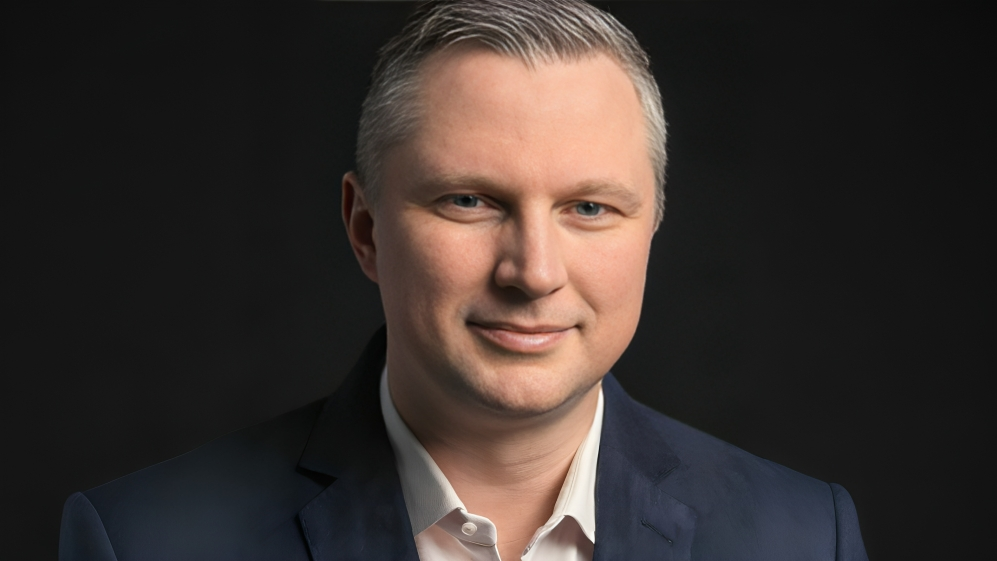
Sebastian Szmit: Advances in Managing Cancer-Associated Thromboembolism
OncoDaily shared on LinkedIn:
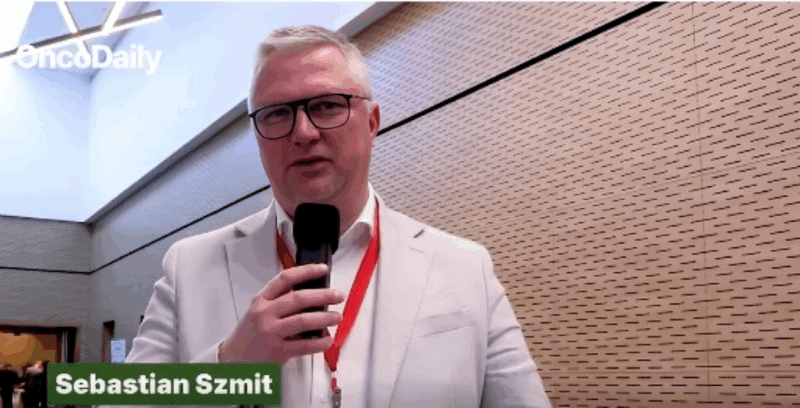
”Dr. Sebastian Szmit Highlights Advances in Managing Cancer-Associated Thromboembolism at GCOS 2025
Dr. Sebastian Szmit, from the Institute of Hematology and Transfusion Medicine and the Center of Postgraduate Medical Education in Warsaw, delivered an engaging talk on cancer-associated thromboembolism. He discussed premature mortality linked to VTE in cancer patients and reviewed ESC guideline–based anticoagulation options, comparing DOACs (apixaban, edoxaban, rivaroxaban) with low-molecular-weight heparin (LMWH). He emphasized that while DOACs are effective, LMWH remains preferred in gastrointestinal cancers due to higher bleeding risks.
Dr. Szmit also presented findings from the APICAT study, which showed that a reduced dose of apixaban can maintain efficacy while lowering bleeding risk during extended anticoagulation. He highlighted challenges such as drug interactions, thrombocytopenia, and the need for improved primary prophylaxis strategies tailored to cancer therapy.”
Stay informed with Hemostasis Today.
-
Sep 30, 2026, 01:52Javed Anees: DADA2 – When a Young Stroke Is More Than a Stroke
-
Sep 30, 2026, 01:51How a Venous Thrombus Becomes Revascularized – ISTH
-
Sep 29, 2026, 22:45Victor Agunyego: Paracetamol – The Most Common Drug We Underestimate
-
Sep 29, 2026, 22:42Nova Sinclair: Advancing the Future of Hematology – Meet Our 2027 Organizing Committee
-
Sep 29, 2026, 22:41Lorenz Räber: Intracoronary Imaging in PCI – Why, When, How, and Which Modality?
-
Sep 29, 2026, 22:31Selma Turkovic: Pleased to Deliver the Opening Presentation at Kingston Hospital
-
Sep 29, 2026, 22:31Miguel Teran: Ultrasound and Simulation in Arterial Blood Sampling
-
Sep 29, 2026, 22:28Mohammad Refaei: Navigating Your Career in Hematology From Training to Practice
-
Sep 29, 2026, 22:27Matteo Foschi: 10 Clinical Pearls for Antithrombotic Therapy in Secondary Stroke Prevention