

Wolfgang Miesbach: What Goes Wrong When Approved Gene Therapies Get Withdrawn?
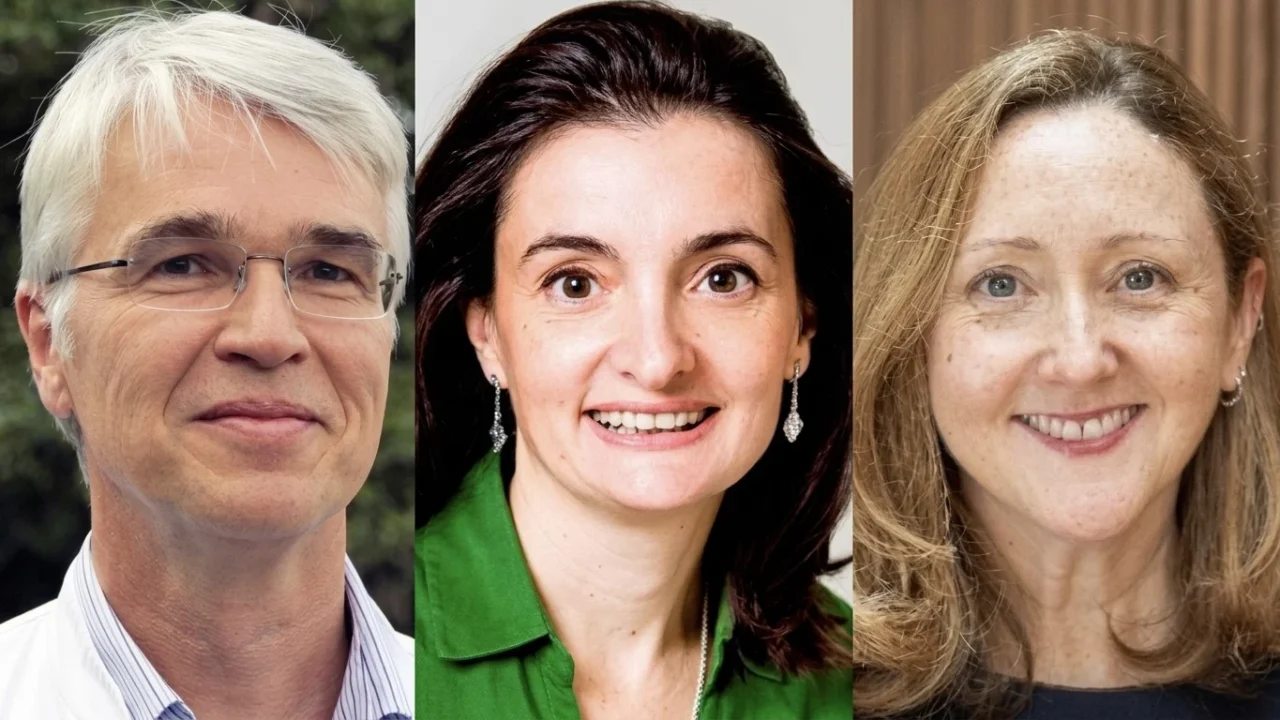
Wolfgang Miesbach, Professor of Medicine at Frankfurt University Hospital, shared a post on LinkedIn about a recent article by Ana Hidalgo-Simon and Claire Booth, published in Blood ICT:
”Gene therapy approved. Gene therapy withdrawn. What went wrong?
38% of all approved ATMPs in the EU have been withdrawn – not because they failed, but because the commercial model collapsed.
Zynteglo for β-thalassemia had orphan designation, PRIME status, conditional approval, accelerated assessment – and was still pulled from the market in 2022 when reimbursement negotiations failed.
Beqvez for haemophilia B: same story.
Why?
- Most gene therapies are born in academia – outstanding science, but commercial planning is not the focus
- Health systems run on chronic care budgets – a large one-off payment for a cure simply doesn’t fit
- Post-approval requirements aren’t scaled for ultrarare diseases, making the economics brutal even after approval
What the authors propose is worth taking seriously:
- Charitable foundations as marketing authorization holders — Telethon took over Strimvelis from Orchard Therapeutics in 2023, the first such transfer for an ATMP
- The AGORA Foundation enabling cross-border access to proven therapies across Europe
- Public benefit corporations like Rarity (US) advancing ADA-SCID gene therapy
- Hospital exemption pathways as a structured route for ultrarare diseases
- EU joint clinical assessments now operational from 2025 — a first step toward harmonized reimbursement
For haemophilia, this is not hypothetical – it is happening now.
The lessons from immune deficiency gene therapy are directly relevant to where we stand with hemophilia A and B gene therapies today.
Congratulations to the authors Ana Hidalgo-Simon and Claire Booth.”
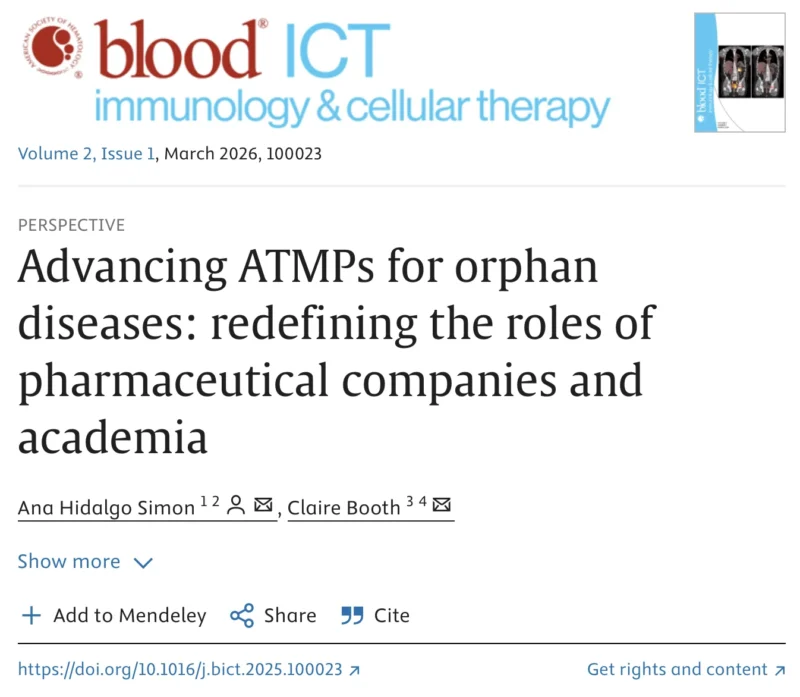
Title: Advancing ATMPs for orphan diseases: redefining the roles of pharmaceutical companies and academia
Authors: Ana Hidalgo-Simon, Claire Booth
Read the Full Article on Blood ICT
Stay updated on all scientific advances with Hemostasis Today.
-
Oct 1, 2026, 07:52Marc Carrier: TRIM-Line Trial Evaluates VTE Prevention in Cancer
-
Oct 1, 2026, 07:29Ariela Marshall: New Guidelines Provide Updated Recommendations for Iron Deficiency Diagnosis
-
Sep 30, 2026, 22:28Recent Mechanical Risk Factors and Young-Onset Cryptogenic Ischemic Stroke – American Heart Association International
-
Sep 30, 2026, 22:22Expert Consensus on Inferior Vena Cava Thrombosis – Thrombosis and Haemostasis Journal
-
Sep 30, 2026, 22:21Markus Abeln: How Platelets and Complement Shape Placental Blood Flow
-
Sep 30, 2026, 22:19Fatma Al Arbawi: Studying Blood Clot Mechanics to Understand Aspirin Resistance and Thrombosis
-
Sep 30, 2026, 22:17Sudhir Kumar: Stroke is a Medical Emergency – and Every Minute Matters
-
Sep 30, 2026, 22:15Luisa Medeiros Visentini: Our Research on Cognitive Impairment After CVT Cited in the International Journal of Stroke
-
Sep 30, 2026, 21:50Jagat Narula: Connecting Cardiovascular Health and Sickle Cell Disease on World Heart Day 2026