

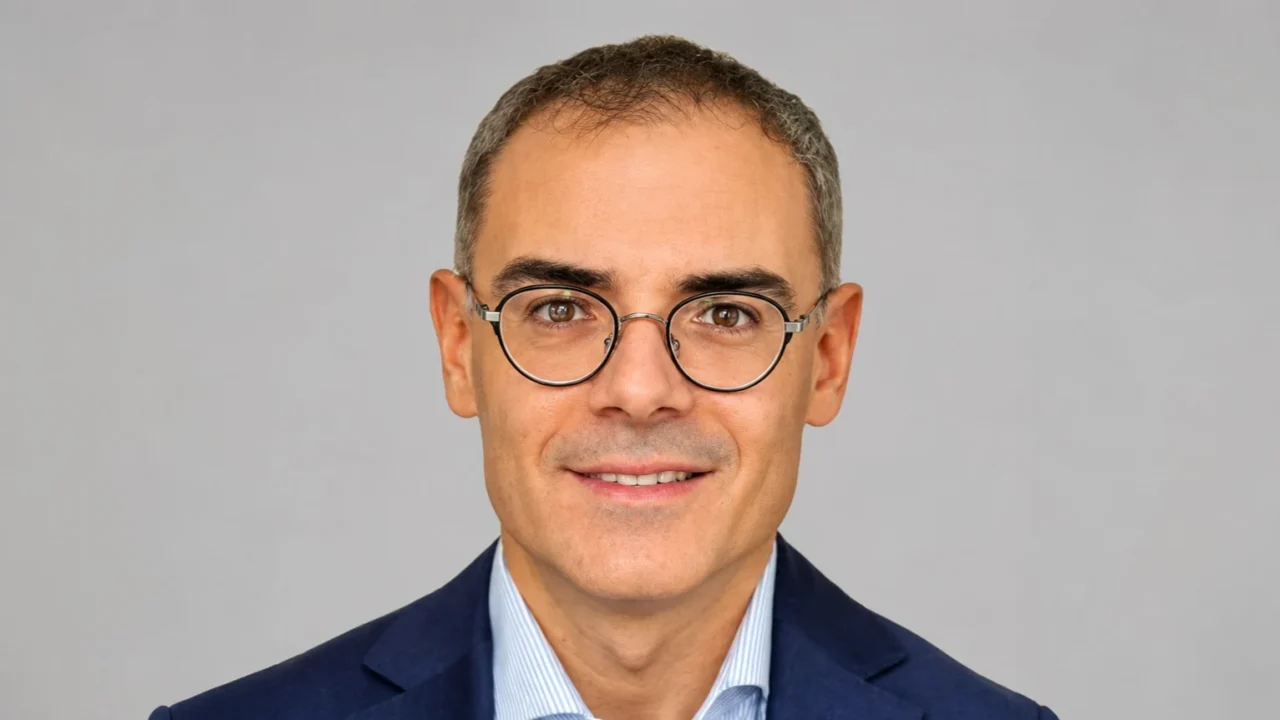
Yaariv Khaykin: How Remote Monitoring Supports Long-Term Brain Health
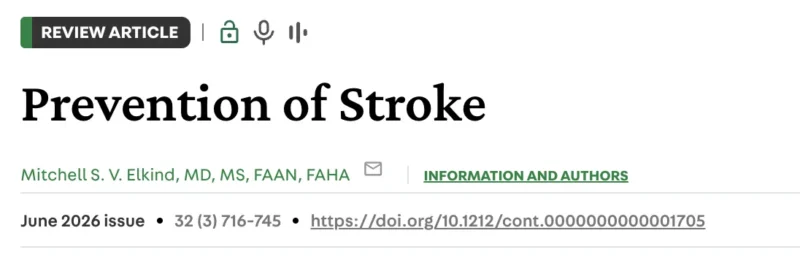
Yaariv Khaykin, Associate Professor at Temerty Faculty of Medicine, University of Toronto, President and Physician Leader of Pace Cardiology, shared on LinkedIn about a recent article by Mitchell S. V. Elkind, published in Continuum, adding:
”Remote monitoring keeps showing up as a key piece of the stroke prevention puzzle — and a new review in Continuum by Elkind reinforces why.
The article frames stroke prevention across four levels: primordial, primary, secondary, and tertiary. What caught my eye is where remote patient monitoring fits in this hierarchy.
It’s not just about catching AF after a cryptogenic stroke (secondary prevention).
Long-term AF monitoring and remote blood pressure tracking are now positioned as tools that may help reduce disparities in primary prevention too.
This resonates with what I see in practice.
Many of our patients with newly detected AF through continuous monitoring would never have been caught by a 24-hour Holter or even a 2-week patch.
The window matters — and longer windows mean fewer missed opportunities for anticoagulation before a first stroke.
The review also highlights how vascular risk factor control before and after stroke may help preserve cognitive function and reduce dementia risk.
That’s the bigger picture here: we’re not just preventing a single event, we’re protecting brain health over decades.
For those of us in EP, it’s a reminder that the devices we implant and the wearables we prescribe aren’t just arrhythmia detectors — they’re part of a broader strategy to keep patients cognitively intact and functionally independent.”
Title: Prevention of Stroke
Authors: Mitchell S. V. Elkind
Stay updated on all scientific advances with Hemostasis Today.
-
Sep 20, 2026, 05:17Maxime Dely: When ABO Compatibility Isn’t Enough for Safe Transfusion
-
Sep 20, 2026, 04:54William Aird: What Does a Complete History and Physical Really Mean?
-
Sep 20, 2026, 04:34Hons Saurabh Kaushik: Why Uncontrolled LDL Can Be Harmful
-
Sep 20, 2026, 03:58Salih Ehsan: The Complexities of HbF and HbA2
-
Sep 20, 2026, 03:22The Voices of People Living With Bleeding Disorders – EHC
-
Sep 20, 2026, 01:18Sebastian Mafeld: Has 2026 Changed How We Treat Pulmonary Embolism?
-
Sep 20, 2026, 01:16Pall T. Onundarson: DOACs – Monitoring, Tailoring Dose and Identifying Problems
-
Sep 20, 2026, 01:15Thierry Fumeaux: From Efficacy to Effectiveness – The Value of Real-World Evidence
-
Sep 20, 2026, 01:14Said El Shamieh: VEGFA Genetic Variants and Bleeding Risk During Warfarin Therapy