

Discharged, But Not Safe: Uncovering Hidden Risks of Anticoagulation for Post-Hospital Bleeding
Flora Peyvandi recently shared an intersting post on anticoagulation on X:
”Anticoagulation and other risk factors for clinically relevant bleeding after medical hospitalization: The Medical Inpatient Thrombosis and Hemostasis Study.”
Read the full article here.
Just when you thought the hospital stay was the hard part—along comes postdischarge bleeding.
Clinically relevant bleeding after discharge from medical hospitalization is a serious yet underrecognized complication, linked to increased morbidity and mortality.
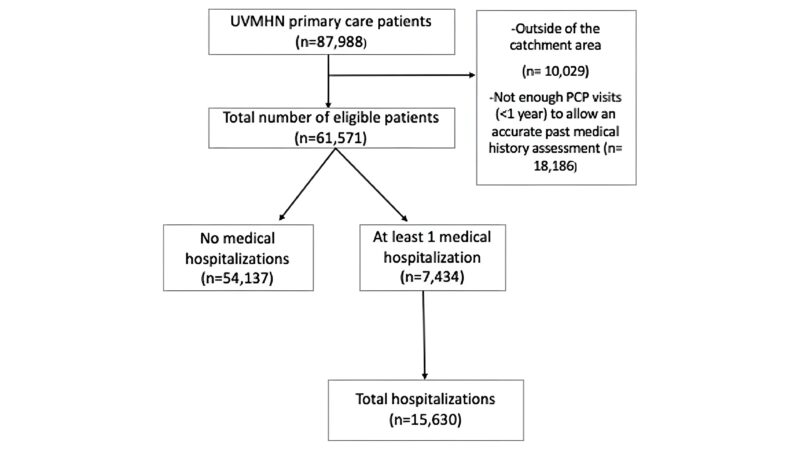
In this study, they found that bleeding requiring rehospitalization occurs in 2.6% of medical patients and is associated with objective, readily identifiable risk factors.
These findings suggest that postdischarge bleeding is not random—it may be both predictable and quantifiable.
Incorporating these risk factors into clinical decision-making could improve the safety of anticoagulation strategies and reduce preventable harm after hospital discharge.
Discover more articles on bleeding and thrombosis in Hemostasis Today.
-
Oct 17, 2026, 09:33Robert Lookstein: Mechanical Thrombectomy Shows Functional Benefits in Intermediate-High-Risk PE
-
Oct 17, 2026, 09:18Sarra Hmidi: Tunisia Highlights Thrombosis Prevention on World Thrombosis Day
-
Oct 17, 2026, 09:05Addressing the Hidden Burden of Bleeding Disorders in Women – Hemophilia Society Mumbai Chapter
-
Oct 17, 2026, 08:49Maria Magnusson: Karolinska Experts Explore Gene Therapy in Sickle Cell Disease and Hemophilia
-
Oct 17, 2026, 04:07Weihao Li: Global HEPATIC Registry Findings on Post-Transplant Arterial Thrombosis
-
Oct 17, 2026, 03:56Ghaith Abu-Zeinah: ASH Publishes 2026 Guidelines for Myelofibrosis Management in Blood Advances
-
Oct 17, 2026, 03:48Tristan Siokos: Why Vascular Occlusion Is More Than Just Clots – Breakdown of the 8 Pathways
-
Oct 17, 2026, 02:36Archil Jaliashvili: Oxygen Transport in Capillaries
-
Oct 17, 2026, 02:35Carly Newton: Understanding Access to Red Blood Cell Exchange for People Living With SCD