

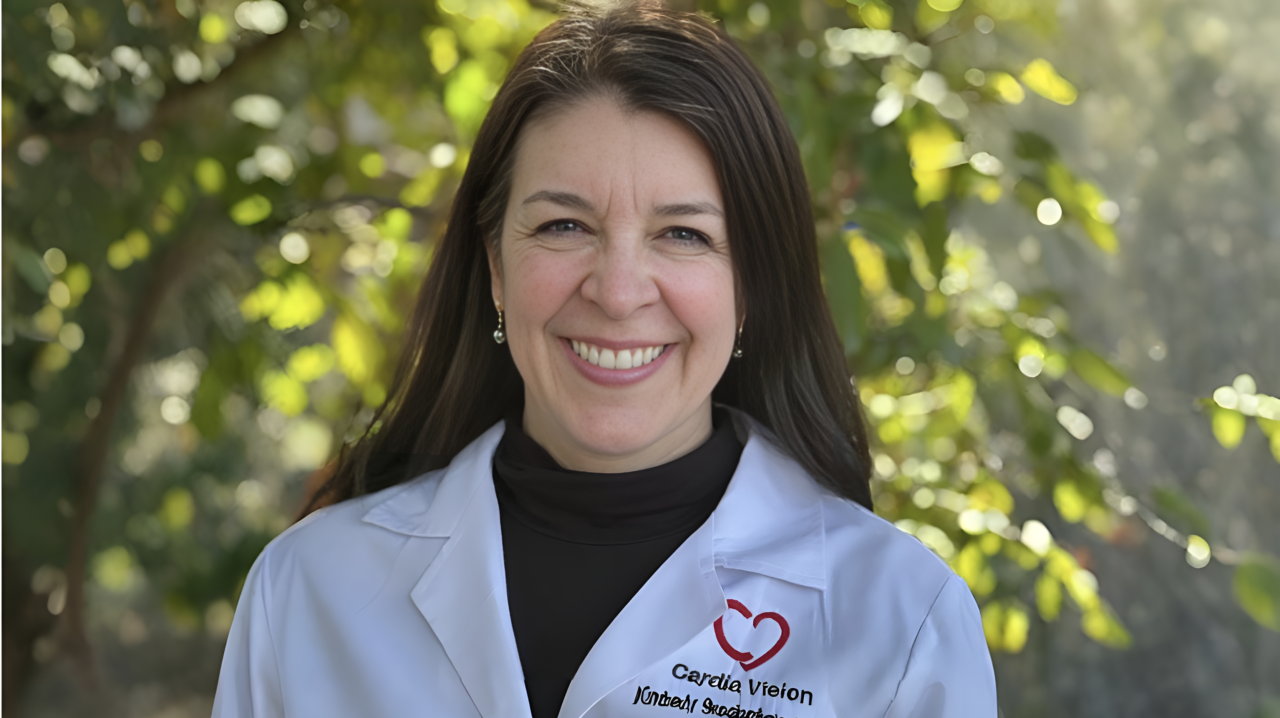
Kimberly Brockenbrough Explores Plaque Rupture
Kimberly Brockenbrough, Chief Executive Officer at Cardia Vision, shared on LinkedIn:
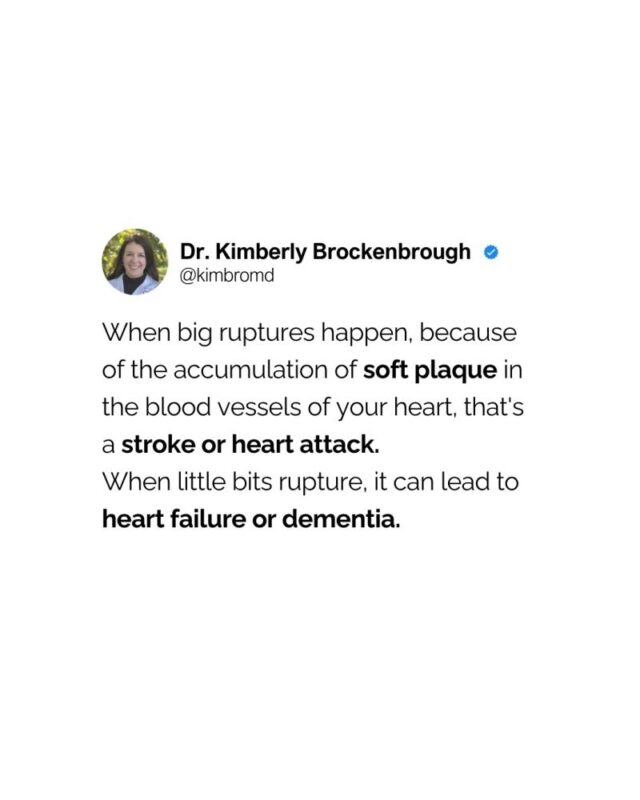
”Understanding plaque rupture — the hidden mechanism behind heart attacks and cognitive decline.
When soft plaque accumulates in your coronary arteries, it may represent a ticking time bomb.
Large ruptures block major blood vessels instantly — causing heart attacks or strokes that make headlines.
But here’s what’s equally dangerous: micro-ruptures.
These smaller plaque breaks don’t cause dramatic events.
Instead, they create ongoing damage that may lead to congestive heart failure and dementia over time.
Your heart gradually weakens. Your brain slowly loses function.
The connection? Both scenarios stem from unstable plaque that imaging can detect early.
Coronary CT Angiography (CCTA) identifies both calcified and soft plaque — giving you a great look at the blood vessels of your heart.
We recommend a Coronary CT Angiogram for men at 40 and women at 50 with risk factors such as high cholesterol, family history, diabetes, prediabetes, high blood pressure, obesity, excessive alcohol consumption, working as a first responder, testosterone use, etc.
10 years older without risk factors.
Sources:
Risk factors general.
Risk factors for alcohol use.
Risk Factors for Firefighters.”
Stay updated with Hemostasis Today.
-
Oct 10, 2026, 17:58Archo Farzana Batool: Exploring Medical Writing Through an Article on Iron Deficiency Anemia
-
Oct 10, 2026, 17:53Assessing Frailty in Adults With Hemophilia – JTH
-
Oct 10, 2026, 17:52Fatma Sadeghi: Reducing Maternal Health Inequalities Through Nursing Advocacy
-
Oct 10, 2026, 17:50Grzegorz Hensler: How Apheresis Transformed Blood Cell Separation and Collection
-
Oct 10, 2026, 17:47Hemant K Sharma: Japan’s Universal Artificial Blood Research – A Potential Breakthrough in Transfusion Medicine
-
Oct 10, 2026, 17:40John Strouse: Learning About Bleeding Disorders and Sickle Cell Disease at FWGBD
-
Oct 10, 2026, 17:34Mae Caime: Speaking at the Annual Women’s Retreat for the Hemophilia Community in Florida
-
Oct 10, 2026, 17:30Chokri Ben Lamine: PNH beyond the Textbook Triad
-
Oct 10, 2026, 17:29Ruah Alyamany: Thrombosis and Anticoagulation in Hematological Malignancies at SOHO KSA 2026