


Mofiyinfoluwa Oloba: What Actually Happens to the Brain During a Stroke
Mofiyinfoluwa Oloba, Co-founder of Mederi, shared on LinkedIn:
”Most people know stroke is serious.
Fewer know exactly what’s happening inside the brain when it happens.
This article breaks it down simply: oxygen stops flowing, neurons start failing, and tissue begins to die within minutes.
It covers the two types of stroke, the symptoms you should never ignore, and ways to prevent stroke and reduce the risk of its occurrence.
The emphasis is simple, your brain doesn’t regenerate like skin or muscle.
So what you do (or don’t do) today matters.
Picture this.
A man is making breakfast when his right arm suddenly goes numb. He shakes it off.
Maybe he slept on it the wrong way. He tries to speak but the words come out jumbled, but he doesn’t want to overthink it.
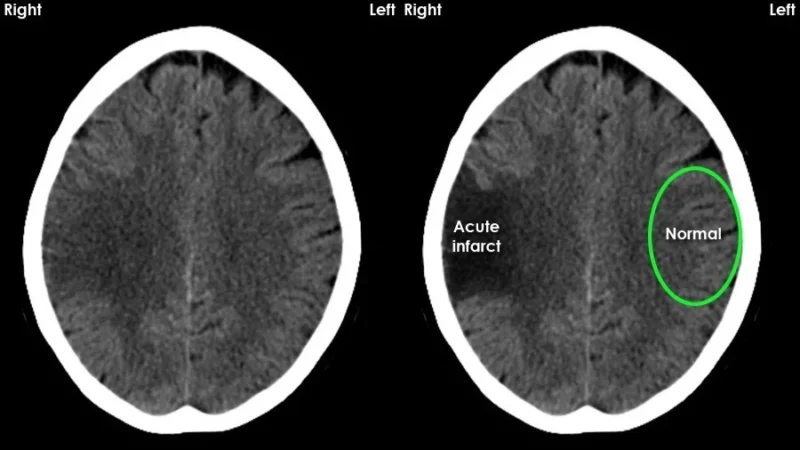
Meanwhile, inside his skull, a branch of the middle cerebral artery is blocked. Blood cannot pass. Behind that blockage, brain tissue is starving.
Stroke is the second leading cause of death globally.
It accounts for approximately 11% of total deaths (roughly 6.2 million people each year) and remains one of the leading causes of long-term disabilit
Yet very few people truly understand what is happening inside the brain when it occurs.
Your brain depends on a constant supply of oxygen and glucose delivered through blood vessels.
Unlike muscles and some other tissues, the brain cannot switch to anaerobic metabolism for long as it does not store oxygen.
The moment blood flow stops, brain cells begin to suffer.
There are two major ways this happens:
- Ischemic stroke – This is the most common type. A blood clot blocks an artery supplying part of the brain. That blockage prevents oxygen from reaching brain tissue.
- Hemorrhagic stroke – This happens when a blood vessel ruptures, causing bleeding into or around the brain.
The bleeding both damages tissue directly and increases pressure inside the skull.
Now here’s the part that often surprises people:
Brain cells start dying within minutes. When deprived of oxygen, the affected neurons lose the ability to maintain their electrical balance.
They swell, malfunction, and eventually die. The area directly affected is called the core infarct.
That’s also why early symptoms should never be ignored:
- Sudden weakness (especially on one side of the body)
- Sudden slurred speech
- Facial drooping
- Sudden severe headache
- Vision changes
- Loss of coordination
Back to the man with the numb arm.
He waited. Thought it would get better with time. By the time someone called for help, hours had passed. He survived but his hand does not function the way it used to, his speech is slower, slurred.
He had been under stress for years. His blood pressure had been high for a long time.
He knew but he thought it was ‘just one of those things.’
Many strokes are preventable.
Understanding the risks and predisposing factors can significantly reduce the likelihood of developing a stroke. Hypertension, diabetes, smoking, alcohol misuse, obesity, sedentary lifestyle, high cholesterol, and certain heart conditions all significantly increase the risk.
Early prevention is crucial because stroke risk builds quietly over time. It is often the result of years of uncontrolled blood pressure, unmanaged blood sugar, or unhealthy lifestyle patterns.
Some prevention includes:
- Blood pressure control.
- Diabetes management.
- Monitoring cholesterol level and treatment when necessary.
- Smoking cessation.
- Limiting alcohol intake.
- Regular physical activity.
- Healthy diet.
- Weight management.
- Adhering to prescribed medication.
- Early hospital presentation when symptoms begin.
Understanding what happens inside the brain changes how seriously we pay attention to the symptoms we experience.
Because once brain tissue dies, it does not regenerate the way skin or muscle does.
So here’s a question to reflect on:
Am I doing enough to protect my brain daily?”
Stay updated with Hemostasis Today.
-
Oct 5, 2026, 15:31Irma Bagdoniene: Multidisciplinary Management of High-Risk Familial Hypercholesterolaemia and CAD
-
Oct 5, 2026, 15:00Serena Williams and Pulmonary Embolism: From Personal Crisis to Lessons in Venous Thromboembolism
-
Oct 5, 2026, 14:55Marco Moscarelli: 3D Reconstruction Enhances Volumetric Assessment of Post-TAVI Thrombosis
-
Oct 5, 2026, 13:24Abdul Muqtadir Abbasi: Diagnostic Pearls for Evaluating Isolated Thrombocytopenia in Residents
-
Oct 5, 2026, 13:16Katerina Pavenski: Rethinking What ‘Normal’ Means for Iron Deficiency
-
Oct 5, 2026, 13:09Rick Matthews: Balancing Established VTE Partnerships with Innovative Interventional Technologies
-
Oct 5, 2026, 13:01Nawsherwan Mohammad: Recognizing TTP Before the ADAMTS13 Result Arrives
-
Oct 5, 2026, 12:51Bruno Pougault: The Hidden Challenges Behind Anti Xa Testing
-
Oct 5, 2026, 12:41Syed Huzaifa Khan: Rethinking CTRP12 as a Biomarker for In Stent Restenosis