

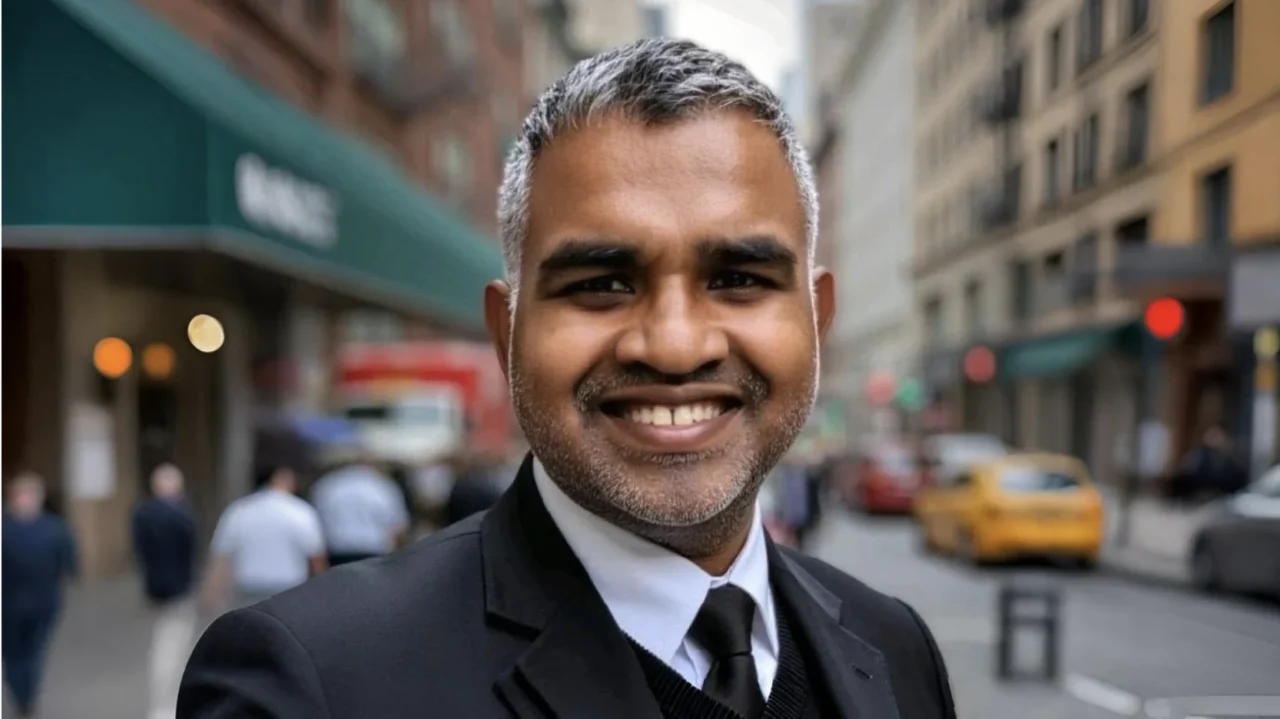
Sam K. Saha: Same Clot Against Fast and Slow Systems
Sam K. Saha, VP of Medical Operations and Technology at Sevaro, shared on LinkedIn:
”2 patients arrived at 2 different ERs at the exact same time, same age and symptoms.
Only one walked out of the hospital.
Here’s what made the difference.
Patient A went to a traditional hospital.
The stroke activation was delayed, the CT was backed up, and the nurses were busy with patients who seemed sicker.
Door-to-needle time: 75 minutes.
The patient left for rehab with dense right-sided paralysis.
Patient B went to a resource-limited site with a hyper-integrated telestroke workflow.
The neurologist was already on the screen while the patient was still on the CT table.
Door-to-needle time: 15 minutes.
The patient walked out 48 hours later.
Same clot, same drug, sixty minutes of difference.
Two completely different lives.
Both teams knew exactly what to do. The difference came down to how fast the system let them do it.
Time is neurons, and the truth is, the system determines how much time you have.
Resource-limited doesn’t have to mean outcome-limited.
With proper workflow design, telestroke can thrive anywhere.”
Stay updated with Hemostasis Today.
-
Oct 10, 2026, 17:58Archo Farzana Batool: Exploring Medical Writing Through an Article on Iron Deficiency Anemia
-
Oct 10, 2026, 17:53Assessing Frailty in Adults With Hemophilia – JTH
-
Oct 10, 2026, 17:52Fatma Sadeghi: Reducing Maternal Health Inequalities Through Nursing Advocacy
-
Oct 10, 2026, 17:50Grzegorz Hensler: How Apheresis Transformed Blood Cell Separation and Collection
-
Oct 10, 2026, 17:47Hemant K Sharma: Japan’s Universal Artificial Blood Research – A Potential Breakthrough in Transfusion Medicine
-
Oct 10, 2026, 17:40John Strouse: Learning About Bleeding Disorders and Sickle Cell Disease at FWGBD
-
Oct 10, 2026, 17:34Mae Caime: Speaking at the Annual Women’s Retreat for the Hemophilia Community in Florida
-
Oct 10, 2026, 17:30Chokri Ben Lamine: PNH beyond the Textbook Triad
-
Oct 10, 2026, 17:29Ruah Alyamany: Thrombosis and Anticoagulation in Hematological Malignancies at SOHO KSA 2026