

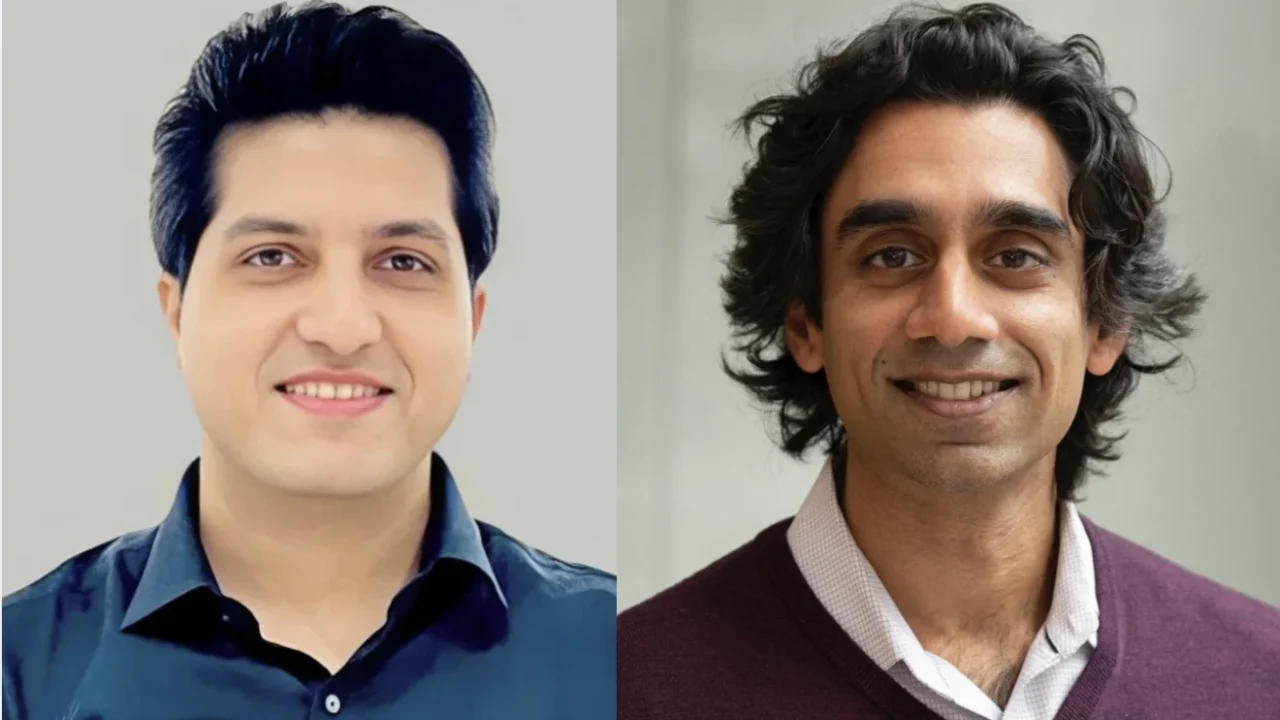
Akinchan Bhardwaj: Key Genomic Insights Transforming Coronary Artery Disease Prevention
Akinchan Bhardwaj, Consultant Interventional Cardiologist at Kauvery Hospital, shared a post on LinkedIn about a recent article by Heribert Schunkert et al, published in NEJM:
“For decades, we treated coronary artery disease as a consequence of lifestyle and conventional risk factors.
Genomics is rewriting that narrative.
A powerful new review in NEJM by Pradeep Natarajan and colleagues highlights a paradigm shift: coronary artery disease is not driven by a single genetic mutation or a single risk factor. Instead, most individuals inherit hundreds of genetic variants that collectively shape lifelong cardiovascular risk.
Some key insights that fundamentally change how we think about prevention:
- Monogenic disorders like familial hypercholesterolemia remain critical but explain only a small fraction of disease burden.
- Polygenic risk scores can identify individuals with a 3-5 fold higher lifetime risk of coronary artery disease; often decades before traditional clinical risk factors appear.
- Genetic risk is not deterministic. Lifestyle modification and lipid-lowering therapies appear to produce the greatest absolute benefit in individuals with the highest genetic risk.
- Many of our most effective cardiovascular therapies, including statins and PCSK9 inhibitors, emerged from understanding human genetic pathways.
Cardiology is gradually transitioning from reactive risk factor management toward biology-driven, lifetime precision prevention.
As our field advances, integrating genomics with clinical cardiology, imaging and interventional decision-making may redefine how we stratify risk and personalize therapy.
Outstanding review by Pradeep Natarajan, Herbert Schunkert and Nilesh Samani.”
Title: The Inherited Basis of Coronary Artery Disease
Authors: Heribert Schunkert, Pradeep Natarajan, Nilesh J. Samani
Read the Full Article on NEJM.

Stay updated with Hemostasis Today.
-
Oct 21, 2026, 08:29Andreas Kronbichler: The Changing Landscape of CV Risk in ANCA-Associated Vasculitis
-
Oct 21, 2026, 08:21Pham Quy: Taking Stroke Awareness Beyond Hospitals and Into the Community
-
Oct 21, 2026, 07:15Mahmoud Saad: Successful Mechanical Thrombectomy for Right Atrial Thrombosis
-
Oct 21, 2026, 06:55Hunain Shahbaz: Extended Dual Antiplatelet Therapy Beyond 12 Months After Drug-Eluting Stent Implantation
-
Oct 21, 2026, 06:19Dawood Findakly: When Should Anticoagulation Be Held or Resumed?
-
Oct 21, 2026, 03:36Steve Watson: Ligand Epitope Ratios Influence Antagonist Inhibition
-
Oct 21, 2026, 03:18Stephen D. Coombs: Superficial Venous Thrombosis in Athletes and Importance of Early Recognition and Referral
-
Oct 21, 2026, 02:52Aymar Akilimali: Bleeding During Anticoagulation as a Potential Signal of Occult Cancer
-
Oct 21, 2026, 00:58Anees Ur Rahman: Completing a Two-Week Clinical Rotation at Haemophilia Treatment Centre Rawalpindi