


Kalpana Gupta Shekhawat: A Practical Clinical Approach to Iron Regulation
Kalpana Gupta Shekhawat, Chairperson at the Functional and Metabolic Medicine Academy, Gurugram, India, shared a post on LinkedIn:
“Balancing Ferritin Levels: A Practical Clinical Approach to Iron Regulation
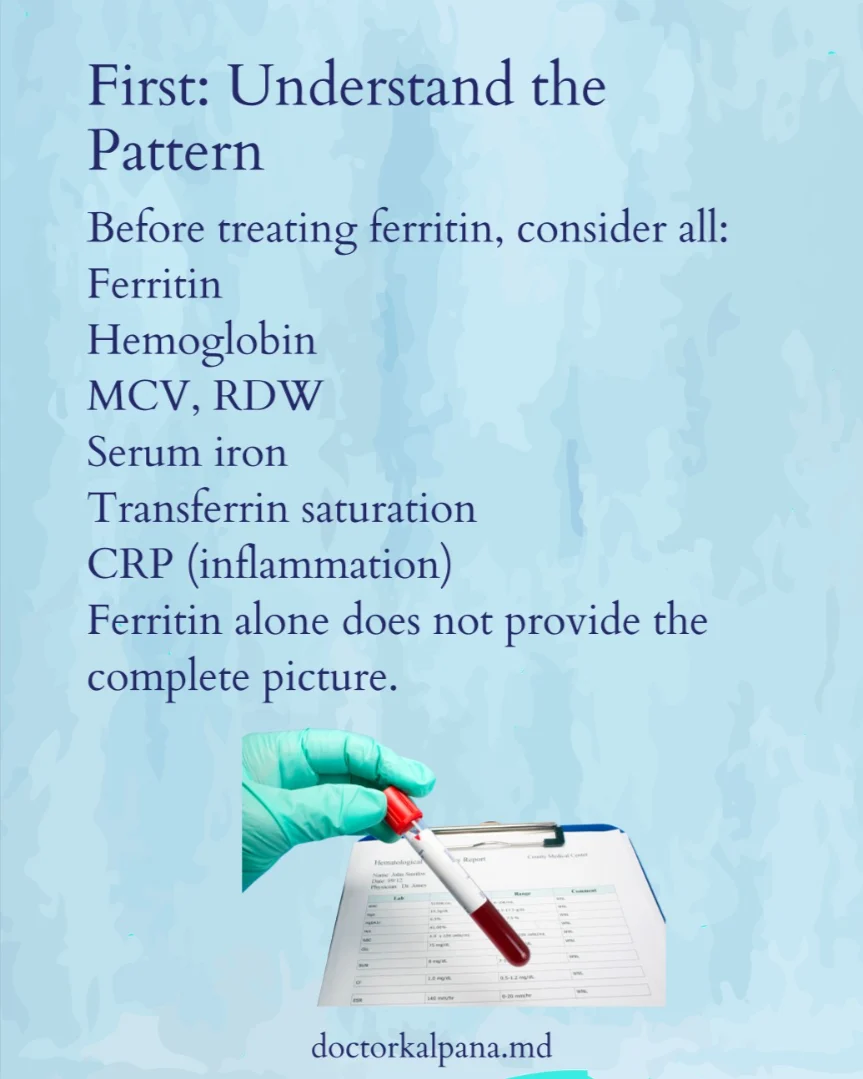
Ferritin is one of the most commonly used markers to assess iron status, yet it is often misinterpreted when evaluated in isolation.
While ferritin reflects iron storage, it is also influenced by inflammation, liver function, metabolic health, and the body’s regulation of iron metabolism.
For this reason, ferritin should always be interpreted in the context of other laboratory markers and the patient’s clinical presentation.
A proper evaluation of iron status typically includes ferritin alongside hemoglobin, mean corpuscular volume (MCV), red cell distribution width (RDW), serum iron, transferrin saturation (TSAT), and inflammatory markers such as C-reactive protein (CRP).
Reviewing these parameters together helps distinguish between true iron deficiency, inflammation-related ferritin elevation, and possible iron overload.
Low ferritin is one of the most reliable indicators of iron deficiency, often seen when levels fall below approximately 30 ng/mL.
However, identifying the underlying cause is essential.
Iron deficiency may result from inadequate dietary intake, chronic blood loss, gastrointestinal infections such as Helicobacter pylori,malabsorption disorders like celiac disease, low gastric acid, or long-term proton pump inhibitor use.
In many cases, impaired absorption rather than low intake is the key contributor.
Management therefore begins with addressing the underlying cause.
When supplementation is required, selecting an appropriate iron preparation, avoiding calcium at the time of dosing, and pairing iron with vitamin C can help improve absorption.
Follow-up testing after six to eight weeks is recommended to monitor response.
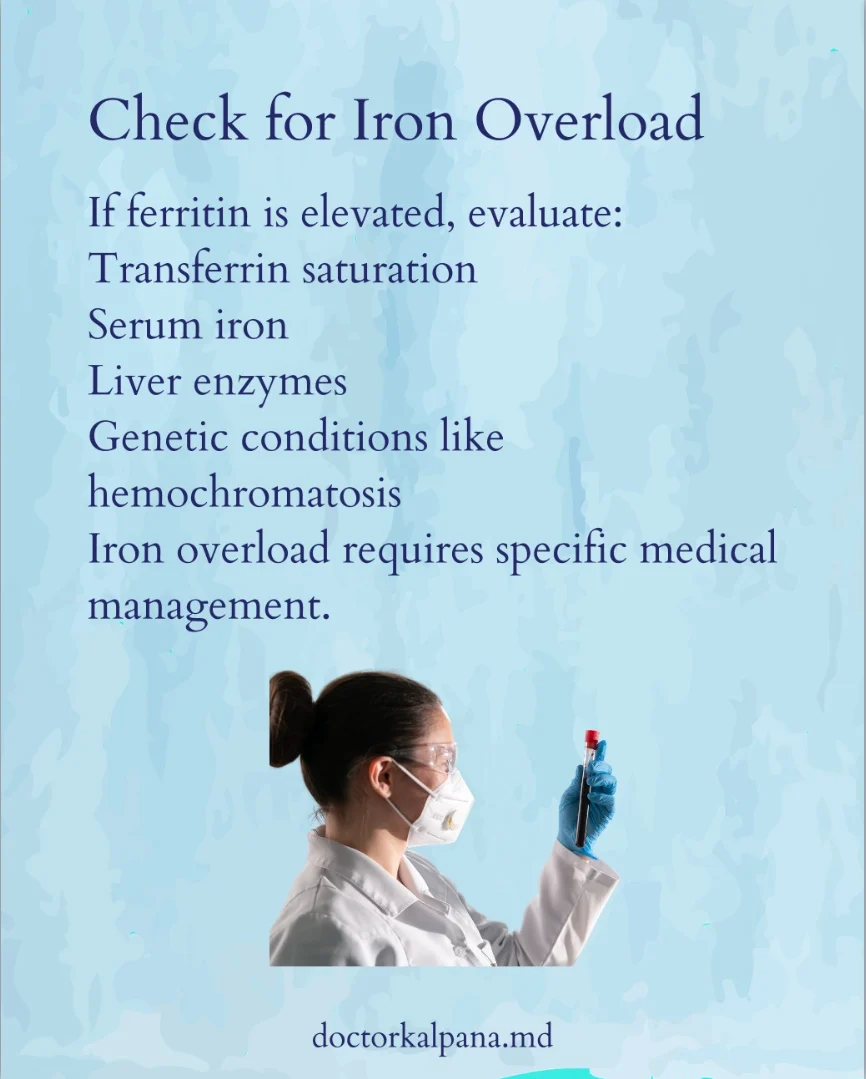
Elevated ferritin does not always indicate excess iron.
Because ferritin is an acute-phase reactant, it can increase in conditions such as chronic inflammation, liver dysfunction, infections, and metabolic syndrome.
In such cases, addressing the underlying metabolic or inflammatory drivers is essential.
Ultimately, the clinical goal is not simply raising or lowering ferritin but restoring balanced iron regulation within the body.”

See more in the gallery.
Stay updated with Hemostasis Today.





-
Sep 29, 2026, 19:00Caitlin Raymond: Can Artificial Blood Solve Blood Supply Shortages?
-
Sep 29, 2026, 18:51Chaza Alaji: Dyslipidemia, Thrombosis and the DIC Diagnostic Trap
-
Sep 29, 2026, 17:31Rajnikant Patel: Bridging Ayurvedic Concepts and Modern Toxin-Mediated Disease
-
Sep 29, 2026, 17:13Nicholas Lang։ A Meaningful Case of Immune Thrombocytopenia
-
Sep 29, 2026, 16:55Ayatullah Gamal Wahab: When the CBC Lies
-
Sep 29, 2026, 16:35Jonathan Douxfils: Navigating the VTE Risk Continuum in Reproductive Medicine
-
Sep 29, 2026, 16:35Chaima Rajeh: Types of Anemia and Their Laboratory Features
-
Sep 29, 2026, 16:27Scott Isaacs: How GLP-1 RAs Target Systemic Inflammation to Drive Cardio, Autoimmune, and Gut Health
-
Sep 29, 2026, 16:21Yitshak Kreiss: From Treating Patients to Defining the Standard of Knowledge