

Bridging the Research Gap in Long-Term Outcomes to Focus on Life After Stroke – SHINE Global Stroke Collaboration
SHINE Global Stroke Collaboration shared a post on LinkedIn:
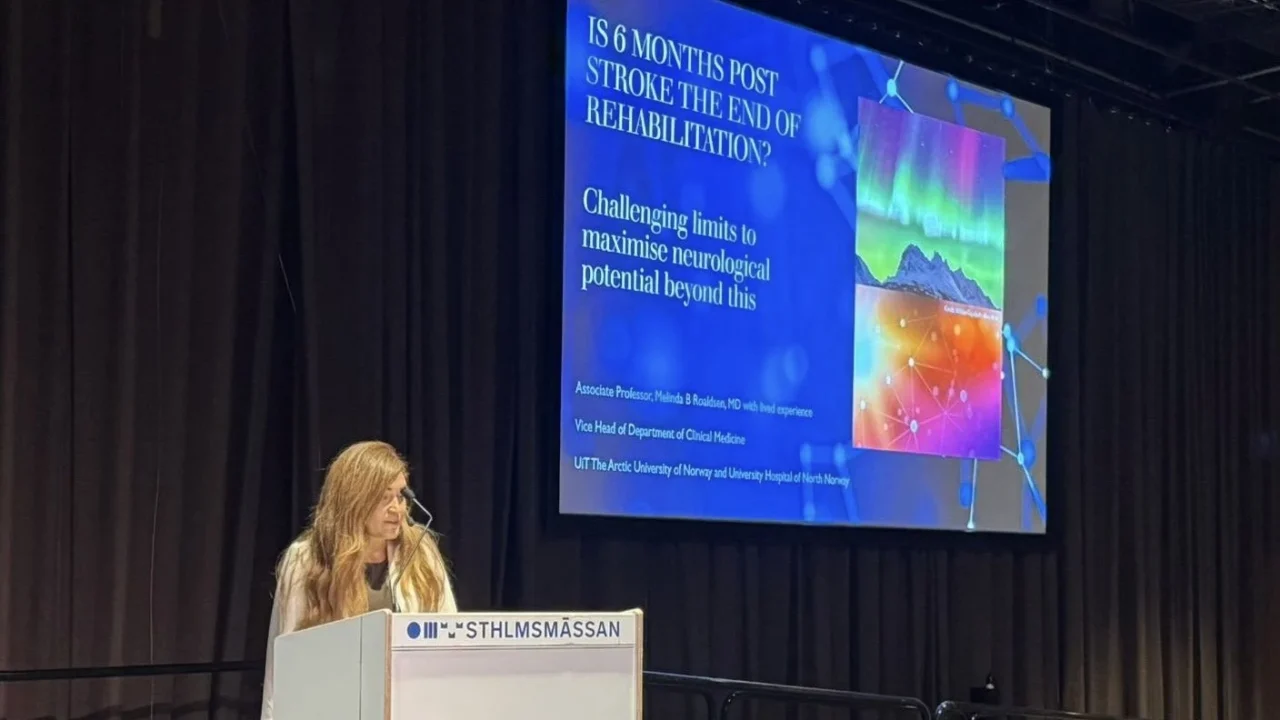
”Earlier this month, Melinda B. Roaldsen spoke at the European Life After Stroke Forum in Stockholm about a growing and under-researched area in stroke care: Life After Stroke.
What do we know?
One in four people will have a stroke, and the global incidence of young-adult stroke is rising.
As evidence-based acute treatments like thrombolysis and thrombectomy become more widespread, more people are surviving and living longer with the lived experience of stroke.
Yet there is a serious research gap in the Life After Stroke (LAS) domain — clearly visible in existing guidelines and systematic reviews.
We urgently need high-quality, globally collaborative research focused on long-term outcomes, and systematic collection of long-term data in health registries to broaden the evidence base for life after stroke.
Where there is current uncertainty, there is always hope for positive potential.
SHINE is committed to helping drive this long-term research agenda forward by placing survivor leadership and lived experience at the center of research, policy and care.”
Stay updated with Hemostasis Today.
-
Oct 5, 2026, 09:59William McKeown – A Busy Week with the European Haemophilia Consortium
-
Oct 5, 2026, 09:46Megan Buchholz – Celebrating Apheresis Awareness Day 2026 at St. Michael’s Hospital
-
Oct 5, 2026, 09:34ITP Myth vs. Fact – A Common Misconception – ITP Support Association
-
Oct 5, 2026, 09:20Jan Sloves: Medial Thigh Venous Perforators – Why Diameter Isn’t the Whole Story
-
Oct 5, 2026, 09:16Emmanuele Kouvousis: ASH Sets New Standards for Diagnosing Iron Deficiency
-
Oct 5, 2026, 09:12Arun V J: Fresh Whole Blood vs Evidence-Based Transfusion
-
Oct 5, 2026, 09:06Edward Lee Carter: NOTION-4 – HALT and Clinical Outcomes
-
Oct 4, 2026, 15:06Vasiliki Gkalea: Journal of Clinical Medicine Launches Special Issue on Hematologic Thrombosis and Bleeding
-
Oct 4, 2026, 14:55Quentin Brebant: What Defines a High-Quality Red Blood Cell Concentrate?