

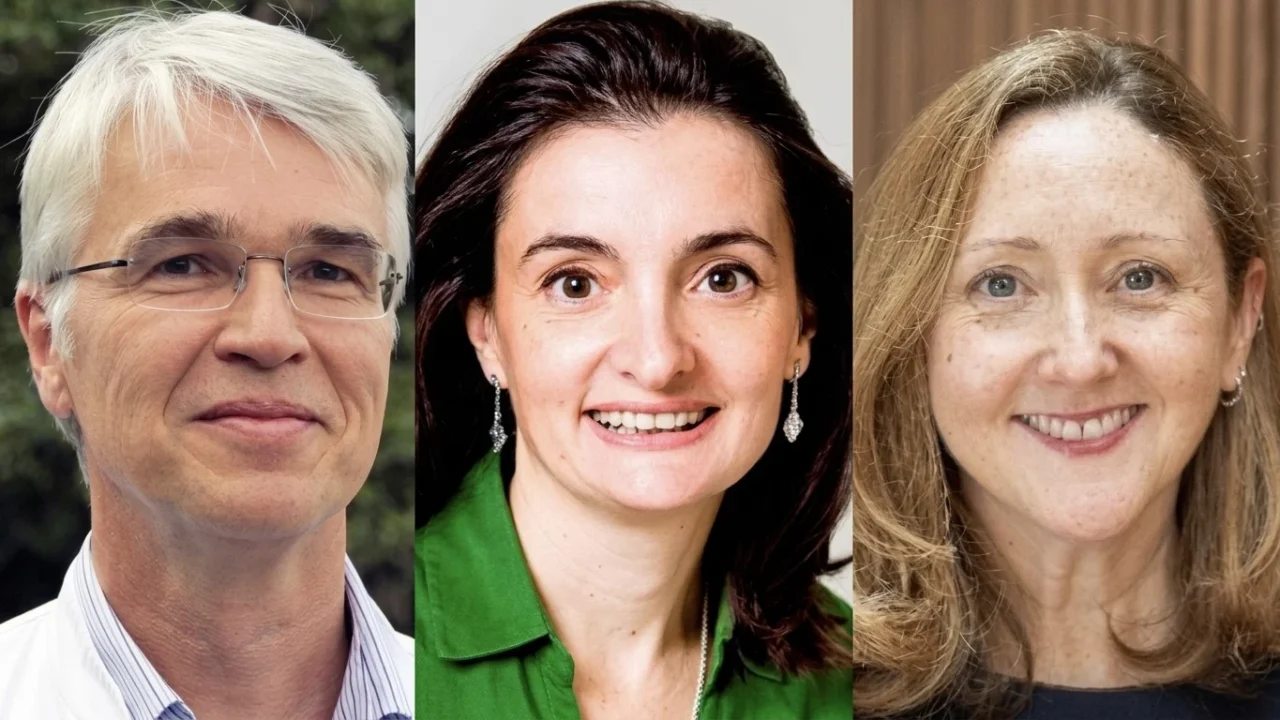
Wolfgang Miesbach: What Goes Wrong When Approved Gene Therapies Get Withdrawn?
Wolfgang Miesbach, Professor of Medicine at Frankfurt University Hospital, shared a post on LinkedIn about a recent article by Ana Hidalgo-Simon and Claire Booth, published in Blood ICT:
”Gene therapy approved. Gene therapy withdrawn. What went wrong?
38% of all approved ATMPs in the EU have been withdrawn – not because they failed, but because the commercial model collapsed.
Zynteglo for β-thalassemia had orphan designation, PRIME status, conditional approval, accelerated assessment – and was still pulled from the market in 2022 when reimbursement negotiations failed.
Beqvez for haemophilia B: same story.
Why?
- Most gene therapies are born in academia – outstanding science, but commercial planning is not the focus
- Health systems run on chronic care budgets – a large one-off payment for a cure simply doesn’t fit
- Post-approval requirements aren’t scaled for ultrarare diseases, making the economics brutal even after approval
What the authors propose is worth taking seriously:
- Charitable foundations as marketing authorization holders — Telethon took over Strimvelis from Orchard Therapeutics in 2023, the first such transfer for an ATMP
- The AGORA Foundation enabling cross-border access to proven therapies across Europe
- Public benefit corporations like Rarity (US) advancing ADA-SCID gene therapy
- Hospital exemption pathways as a structured route for ultrarare diseases
- EU joint clinical assessments now operational from 2025 — a first step toward harmonized reimbursement
For haemophilia, this is not hypothetical – it is happening now.
The lessons from immune deficiency gene therapy are directly relevant to where we stand with hemophilia A and B gene therapies today.
Congratulations to the authors Ana Hidalgo-Simon and Claire Booth.”
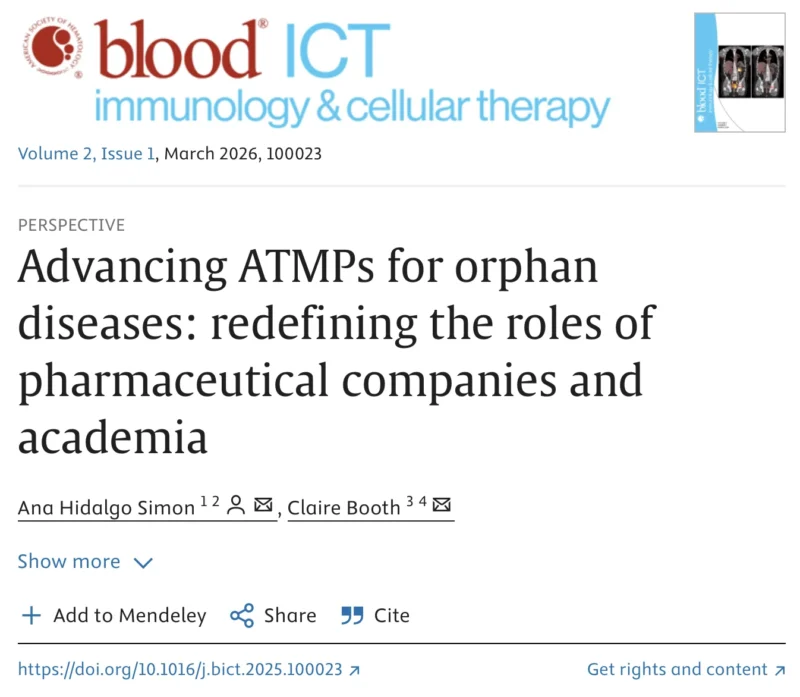
Title: Advancing ATMPs for orphan diseases: redefining the roles of pharmaceutical companies and academia
Authors: Ana Hidalgo-Simon, Claire Booth
Read the Full Article on Blood ICT
Stay updated on all scientific advances with Hemostasis Today.
-
Oct 5, 2026, 15:31Irma Bagdoniene: Multidisciplinary Management of High-Risk Familial Hypercholesterolaemia and CAD
-
Oct 5, 2026, 15:00Serena Williams and Pulmonary Embolism: From Personal Crisis to Lessons in Venous Thromboembolism
-
Oct 5, 2026, 14:55Marco Moscarelli: 3D Reconstruction Enhances Volumetric Assessment of Post-TAVI Thrombosis
-
Oct 5, 2026, 13:24Abdul Muqtadir Abbasi: Diagnostic Pearls for Evaluating Isolated Thrombocytopenia in Residents
-
Oct 5, 2026, 13:16Katerina Pavenski: Rethinking What ‘Normal’ Means for Iron Deficiency
-
Oct 5, 2026, 13:09Rick Matthews: Balancing Established VTE Partnerships with Innovative Interventional Technologies
-
Oct 5, 2026, 13:01Nawsherwan Mohammad: Recognizing TTP Before the ADAMTS13 Result Arrives
-
Oct 5, 2026, 12:51Bruno Pougault: The Hidden Challenges Behind Anti Xa Testing
-
Oct 5, 2026, 12:41Syed Huzaifa Khan: Rethinking CTRP12 as a Biomarker for In Stent Restenosis