

Preeti Sinha: Molecular Mechanisms of Atherosclerosis
Preeti Sinha, Cardiologist in Gaya, Bihar, India, shared a post on LinkedIn:
“Understanding the Molecular Side of Atherosclerosis
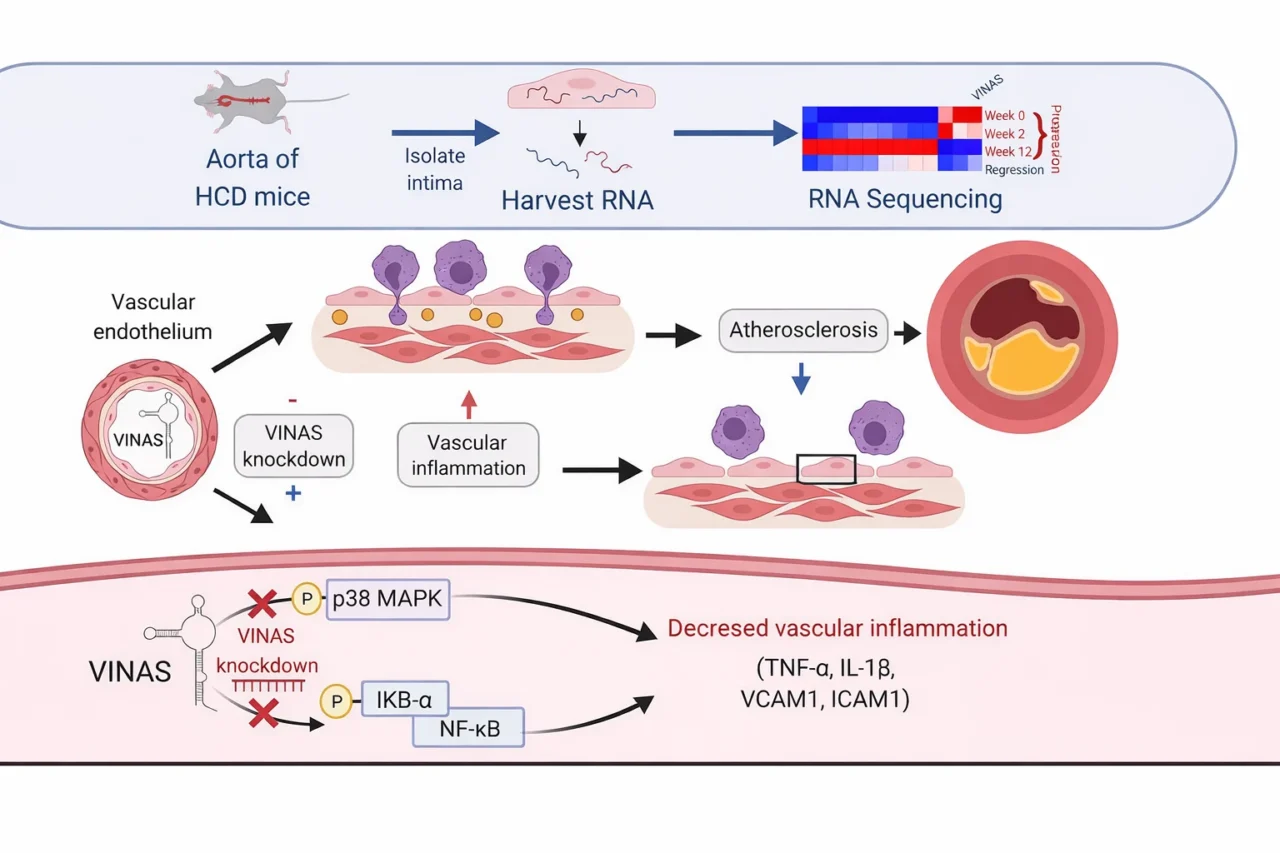
Atherosclerosis is not just about cholesterol buildup – it’s a complex inflammatory process happening at the vascular level.
Recent insights highlight how endothelial dysfunction triggers a cascade of inflammatory signals, involving key pathways like p38 MAPK and NF-κB.
These pathways increase the expression of inflammatory markers such as TNF-α, IL-1β, VCAM1, and ICAM1, ultimately contributing to plaque formation and progression.
Interestingly, targeting regulators like VINAS (a long non-coding RNA) may help reduce vascular inflammation and slow down disease progression.
This opens new doors for precision therapies in cardiovascular care.
From gene expression to clinical outcomes – understanding these mechanisms helps us move closer to more targeted and effective treatments.
Prevention still remains key:
- Control cholesterol
- Manage blood pressure
- Maintain a healthy lifestyle
Because every small step today protects your arteries tomorrow.”
Stay updated with Hemostasis Today.
-
Oct 4, 2026, 15:06Vasiliki Gkalea: Journal of Clinical Medicine Launches Special Issue on Hematologic Thrombosis and Bleeding
-
Oct 4, 2026, 14:55Quentin Brebant: What Defines a High-Quality Red Blood Cell Concentrate?
-
Oct 4, 2026, 14:47Rana Al-Hrout: Recognizing Non-Anemic Iron Deficiency – Why Iron Matters Beyond Hemoglobin
-
Oct 4, 2026, 14:41David McIntosh: International Plasma Awareness Week 2026 – Closing the Global Plasma Gap
-
Oct 4, 2026, 14:33Pete Stibbs: CleanerVac Real-World Study Presented at VIVA and The VEINS 2026
-
Oct 4, 2026, 13:56Maria Elisa Mancuso: EHC 2026 Highlights the Unmet Needs of Women with Bleeding Disorders
-
Oct 4, 2026, 13:53Nirmal Shaji George: Individualizing Anticoagulation in Complex APS and Thrombocytopenia
-
Oct 4, 2026, 13:5210 Posts Not to Miss This Week
-
Oct 4, 2026, 13:45Suswapna Singh Rawat: The Clinical Significance of Coronary Plaque Stability