

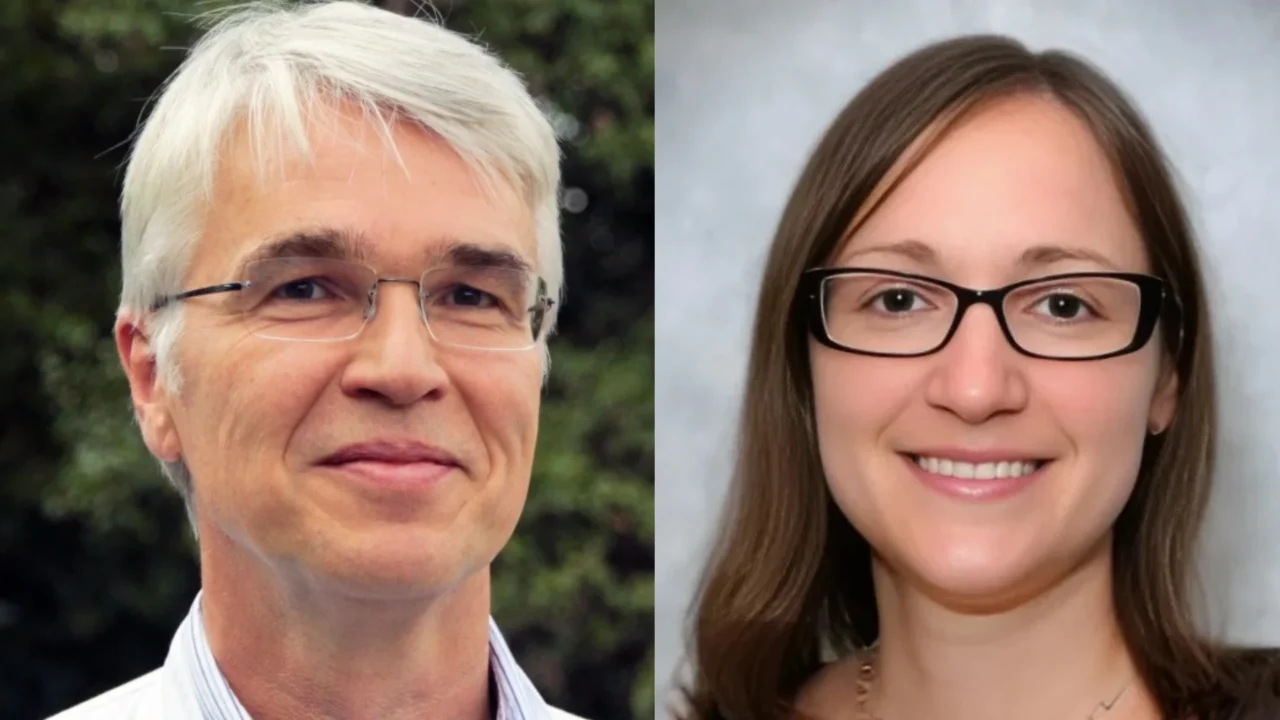
Wolfgang Miesbach: New Real-World Data Reveal Ongoing Burden in Moderate-to-Severe Haemophilia A
Wolfgang Miesbach, Professor of Medicine at Frankfurt University Hospital, shared a post on LinkedIn about a recent article by Allison Wheeler et al, published in Haemophilia Journal:
”Even with modern prophylaxis, people with moderate‑to‑severe haemophilia A continue to live with a meaningful burden of bleeding, pain and impaired quality of life.
New real‑world data in haemophilia A.
211 people with moderate‑to‑severe haemophilia A from the US
Prophylaxis with:
- SHL FVIII in 58% of participants
- EHL FVIII in 38% of participants
- Emicizumab in 39% of participants
(many individuals received more than one class over time)
Longitudinal medical records plus PROMIS‑29 and pain surveys
Some observations from this study
- Most participants still had ≥1 bleed/year, regardless of prophylaxis class – ‘low’ ABR does not equal no disease burden.
- On‑demand factor use remained frequent, signalling persistent breakthrough bleeding.
- Pain medication use was high across all treatment groups, reflecting substantial chronic pain and pain flares.
- PROMIS‑29 scores showed not only pain interference, but also pronounced sleep disturbance, fatigue, anxiety and restrictions in social roles and activities – impacting work, family life and participation in daily routines.
Why this matters
These data underline that controlling bleed numbers alone is not enough.
We still need to better individualise therapy, proactively manage chronic and breakthrough pain, and systematically capture patient‑reported outcomes to understand the real physical, emotional and social burden of haemophilia A in clinical practice.
Congratulations to the Allison Wheeler and co-authors for highlighting these important unmet needs in haemophilia A.”
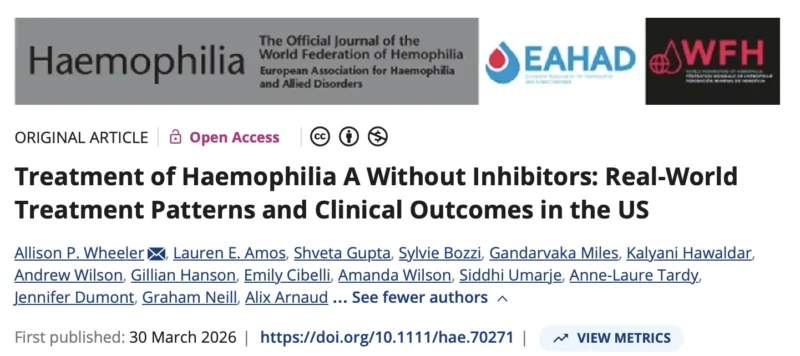
Title: Treatment of Haemophilia A Without Inhibitors: Real-World Treatment Patterns and Clinical Outcomes in the US
Authors: Allison P. Wheeler, Lauren E. Amos, Shveta Gupta, Sylvie Bozzi, Gandarvaka Miles, Kalyani Hawaldar, Andrew Wilson, Gillian Hanson, Emily Cibelli, Amanda Wilson, Siddhi Umarje, Anne-Laure Tardy, Jennifer Dumont, Graham Neill, Alix Arnaud
Read the Full Article on Haemophilia Journal
Stay updated on all scientific advances with Hemostasis Today.
-
Oct 5, 2026, 15:31Irma Bagdoniene: Multidisciplinary Management of High-Risk Familial Hypercholesterolaemia and CAD
-
Oct 5, 2026, 15:00Serena Williams and Pulmonary Embolism: From Personal Crisis to Lessons in Venous Thromboembolism
-
Oct 5, 2026, 14:55Marco Moscarelli: 3D Reconstruction Enhances Volumetric Assessment of Post-TAVI Thrombosis
-
Oct 5, 2026, 13:24Abdul Muqtadir Abbasi: Diagnostic Pearls for Evaluating Isolated Thrombocytopenia in Residents
-
Oct 5, 2026, 13:16Katerina Pavenski: Rethinking What ‘Normal’ Means for Iron Deficiency
-
Oct 5, 2026, 13:09Rick Matthews: Balancing Established VTE Partnerships with Innovative Interventional Technologies
-
Oct 5, 2026, 13:01Nawsherwan Mohammad: Recognizing TTP Before the ADAMTS13 Result Arrives
-
Oct 5, 2026, 12:51Bruno Pougault: The Hidden Challenges Behind Anti Xa Testing
-
Oct 5, 2026, 12:41Syed Huzaifa Khan: Rethinking CTRP12 as a Biomarker for In Stent Restenosis