

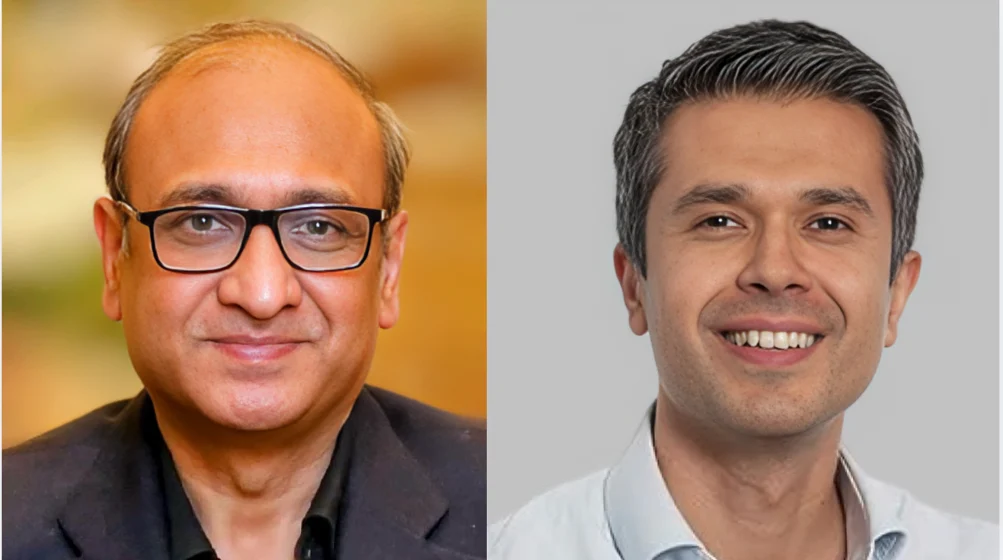
Dheeraj Garg: Rethinking Cardiovascular Disease – A Cardiologist’s Perspective
Dheeraj Garg, Founder of I M Healthy and Director at Canada India Network Society, shared a post on LinkedIn:
“Rethinking Heart Disease: A Cardiologist’s Perspective
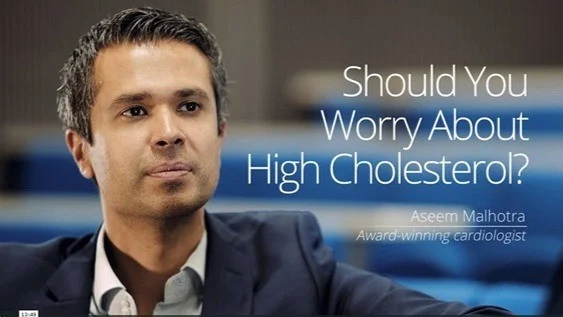
Cardiologist Aseem Malhotra challenges the conventional cholesterol narrative, reveals why insulin resistance and chronic inflammation may be the true drivers of heart disease, explains the lifestyle and stress-reduction strategies shown to reverse arterial plaque, and shares the tests, diet, and practical interventions he uses to help patients dramatically lower their cardiovascular risk.
This article is based on a conversation with him.
Is LDL Cholesterol Really the Culprit?
For decades, we’ve been told that LDL cholesterol is the main driver of heart disease.
It’s still what most guidelines say today.
Yet, when you step back and look at the totality of evidence, that story starts to weaken.
At best, LDL appears to be a minor risk factor. At worst, it may not be a causal factor at all.
What we call ‘plaque’ in the arteries… those fatty deposits made up of cholesterol and immune cells, may not be the cause of the problem.
It’s more likely a response to injury.
The real question then becomes: what is causing that injury in the first place?
The Real Driver: Insulin Resistance
The answer, in his view, is insulin resistance.
Chronically elevated insulin levels are directly toxic to the inner lining of arteries. Over time, this damage triggers inflammation, and the body sends cholesterol and immune cells to repair it. That’s how plaque forms.
So instead of blaming cholesterol, we should be asking why the body is under metabolic stress.
When you look at patients who suffer heart attacks, a large majority show signs of insulin resistance.
That’s not a coincidence.
The Statin Debate: Small Benefits, Big Perception
Statins are among the most prescribed drugs in the world.
Many people believe they are life-saving, yet the actual benefit is surprisingly modest.
Part of the confusion comes from how results are presented.
You often hear that statins reduce heart attack risk by 50 percent.
That sounds impressive.
Yet that’s relative risk.
In absolute terms, the benefit might be reducing risk from 2 percent to 1 percent. That means 99 out of 100 people may see no benefit at all.
At the same time, many patients experience side effects like fatigue and muscle pain.
These aren’t life-threatening, yet they can significantly affect quality of life.
When you combine small benefits with real-world adherence issues, it becomes easier to understand why statins haven’t dramatically reduced heart disease at a population level.
A Different Lens: Heart Disease as Inflammation
If we shift perspective, heart disease starts to look less like a cholesterol problem and more like a chronic inflammatory condition.
Insulin resistance, poor diet, stress, and lifestyle all feed into this inflammation.
That’s important, because it changes how we approach prevention and treatment.
Instead of focusing narrowly on lowering LDL, we start addressing the underlying metabolic dysfunction.
The Power of Lifestyle Change
The encouraging part is that lifestyle interventions work… and they work quickly.
Within weeks, people can see improvements in blood sugar, blood pressure, triglycerides, and overall well-being.
Diet is a cornerstone.
A low-carbohydrate, anti-inflammatory approach tends to be highly effective.
Think real food: vegetables, healthy fats like ghee, butter, nuts, seeds, and oily fish. Cut out sugar and ultra-processed foods, and the body begins to reset.
Exercise matters too, though not in the extreme way many believe. You don’t need punishing workouts.
Simple, consistent movement like walking can be incredibly powerful.
Stress: The Overlooked Factor
One of the most underestimated drivers of heart disease is chronic stress.
It quietly fuels inflammation and affects everything from hormones to blood clotting.
Managing stress isn’t just about relaxation techniques.
It’s about how you live, how you connect with others, and how you process life’s challenges. Practices like meditation, breathing exercises, and even regular social connection can make a measurable difference.
Can Heart Disease Be Reversed?
Perhaps the most fascinating insight is that heart disease may not be a one-way street.
There is evidence showing that with intensive lifestyle changes, plaque can stabilize and even regress.
In one study from India, patients with significant blockages adopted a structured lifestyle program involving diet, exercise, and meditation.
Over time, many showed actual improvement in their arteries.
What stood out most was the role of stress reduction.
Rethinking Risk and Testing
When it comes to assessing risk, we often overcomplicate things.
Simple markers like triglycerides, HDL, blood sugar, blood pressure, and waist circumference tell you a lot about metabolic health.
For deeper insight, tools like coronary calcium scoring can help identify underlying disease.
These approaches provide a more complete picture than focusing on LDL alone.
A Shift in Thinking
What this all points to is a need for a shift in mindset.
Heart disease isn’t just about cholesterol levels.
It’s about metabolic health, inflammation, and how we live our daily lives.
Medication has its place, especially in acute situations.
Yet for chronic disease, the biggest gains come from addressing root causes.
That means empowering patients with honest information, encouraging lifestyle change, and moving toward a more personalized, informed approach to care.
In the end, good health doesn’t come from a pill.
It comes from how we eat, move, think, and live.”
Stay updated on all scientific advances with Hemostasis Today.
-
Oct 10, 2026, 17:58Archo Farzana Batool: Exploring Medical Writing Through an Article on Iron Deficiency Anemia
-
Oct 10, 2026, 17:53Assessing Frailty in Adults With Hemophilia – JTH
-
Oct 10, 2026, 17:52Fatma Sadeghi: Reducing Maternal Health Inequalities Through Nursing Advocacy
-
Oct 10, 2026, 17:50Grzegorz Hensler: How Apheresis Transformed Blood Cell Separation and Collection
-
Oct 10, 2026, 17:47Hemant K Sharma: Japan’s Universal Artificial Blood Research – A Potential Breakthrough in Transfusion Medicine
-
Oct 10, 2026, 17:40John Strouse: Learning About Bleeding Disorders and Sickle Cell Disease at FWGBD
-
Oct 10, 2026, 17:34Mae Caime: Speaking at the Annual Women’s Retreat for the Hemophilia Community in Florida
-
Oct 10, 2026, 17:30Chokri Ben Lamine: PNH beyond the Textbook Triad
-
Oct 10, 2026, 17:29Ruah Alyamany: Thrombosis and Anticoagulation in Hematological Malignancies at SOHO KSA 2026